By Ben M.
The type of paint you should use depends on the surface you are painting. Use acrylic latex paint for interior walls, enamel for cabinets and trim, exterior paint for siding and other surfaces exposed to weather, and specialized masonry coatings for stucco and brick. Different surfaces need different types of paint, and using the right one makes a major difference in how your paint job looks, cleans, and holds up over time.
Paint is not one-size-fits-all. A wall paint that looks great in a bedroom will chip quickly on a kitchen cabinet door. An interior paint used outdoors will fade and fail under sun and rain. Masonry surfaces like stucco and brick need coatings that can handle moisture moving through the material. Matching the product to the surface is the foundation of every long-lasting paint job.
Regional climate, seasonal weather, and local building materials heavily influence which types of paint a home needs. In humid Southern coastal climates, mildew-resistant exterior paints and breathable masonry coatings help stucco and siding handle moisture and salt air. In high-altitude and arid Western regions, intense UV exposure and stucco construction make UV-resistant exterior paints and quality masonry coatings especially important. In Northern homes with freeze-thaw winters, brick and wood siding face moisture and temperature swings that demand flexible exterior paints and breathable masonry products. Below is a complete guide to choosing the right type of paint for every surface in and around your home.
Quick Reference Summary for Choosing a Paint Type
- Interior Walls: Acrylic latex paint for durability, easy cleanup, and a wide range of sheens.
- Cabinets and Trim: Enamel paint for a hard, smooth, washable finish.
- Exterior Siding and Trim: Exterior paint designed for sun, rain, and temperature changes.
- Stucco and Brick: Specialized masonry coatings designed for masonry surfaces.
- Key Rule: Match the paint type to the surface and the conditions it will face.
Why Does the Type of Paint Matter?
Each type of paint is formulated for a specific job. Interior wall paints are designed to cover well, level smoothly, and resist scuffs and cleaning. Enamels dry harder for surfaces that are touched and bumped often. Exterior paints include ingredients that resist UV fading, mildew, and moisture. Masonry coatings are made to bond to and protect porous masonry like stucco and brick.
Using the wrong paint can lead to early failure. Wall paint on cabinets may stay soft and sticky or chip around handles. Interior paint on siding may chalk, fade, and peel within a season or two. Standard paint on brick can trap moisture and peel.
Choosing the right type also affects how the finish looks and cleans. Enamels and higher-sheen products wipe clean more easily. Flat interior paints hide imperfections but are harder to wash. For a deeper look at sheens, read our paint finish differences guide.
“Pro Tip 1: Read the Back of the Can Before You Buy. Every paint label lists the surfaces the product is designed for, the recommended primer, and the application temperature. Spending one minute on the back of the can can save you from buying the wrong product. If your surface is not listed, ask your paint store or painting contractor for a better match.”
The Master Painters Institute (MPI) classifies paints by type and use, including interior, exterior, enamel, and masonry coatings, which is why the right product depends on the surface.
Which Paint Should You Use on Each Surface?
Here is a breakdown of the main paint types covered in the video and where each one belongs.
- Acrylic Latex Paint for Interior Walls: Acrylic latex is the standard choice for interior walls and ceilings. It is water-based, low odor, quick drying, and cleans up with soap and water. It comes in flat, matte, eggshell, satin, and semi-gloss sheens. Our guide on the best interior paint compares top products.
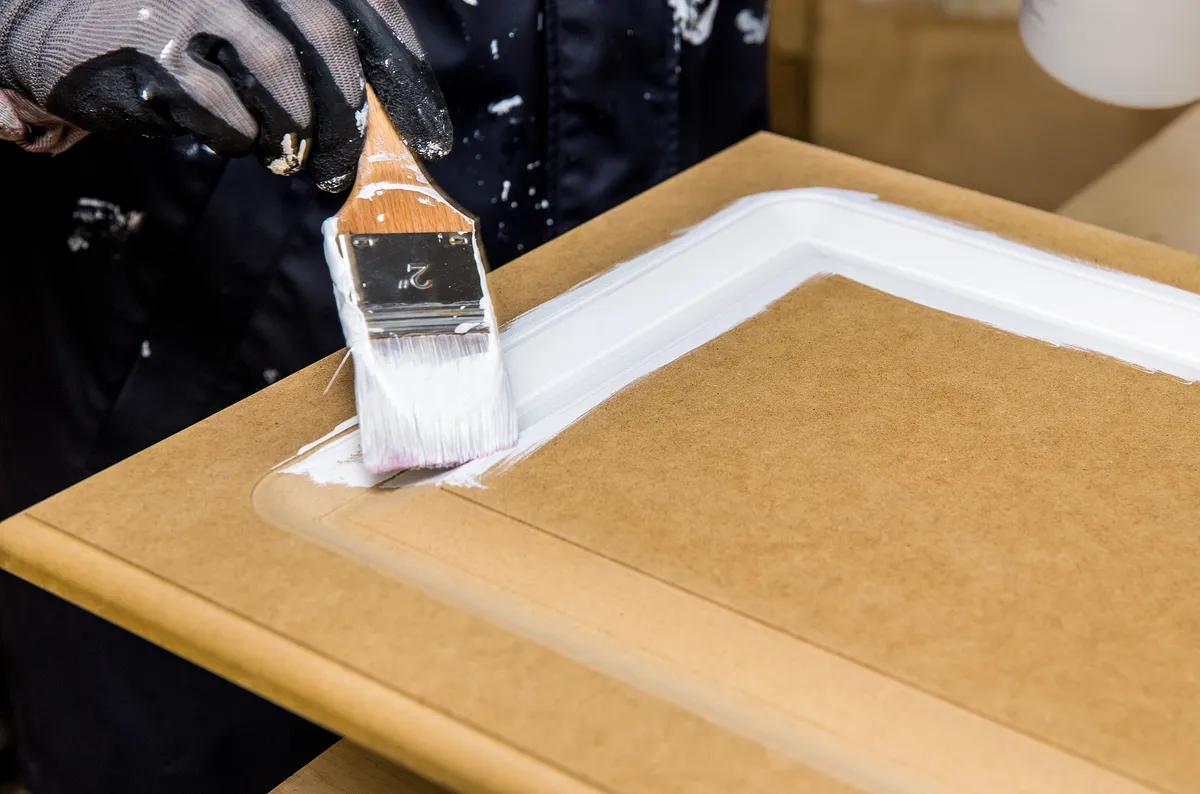
- Enamel for Cabinets and Trim: Enamel paint dries to a hard, smooth, durable finish. It is ideal for cabinets, doors, trim, and baseboards that are touched and cleaned often. Many modern enamels are waterborne, offering durability with easier cleanup. Read about the difference between oil enamel and wall paint for more detail.
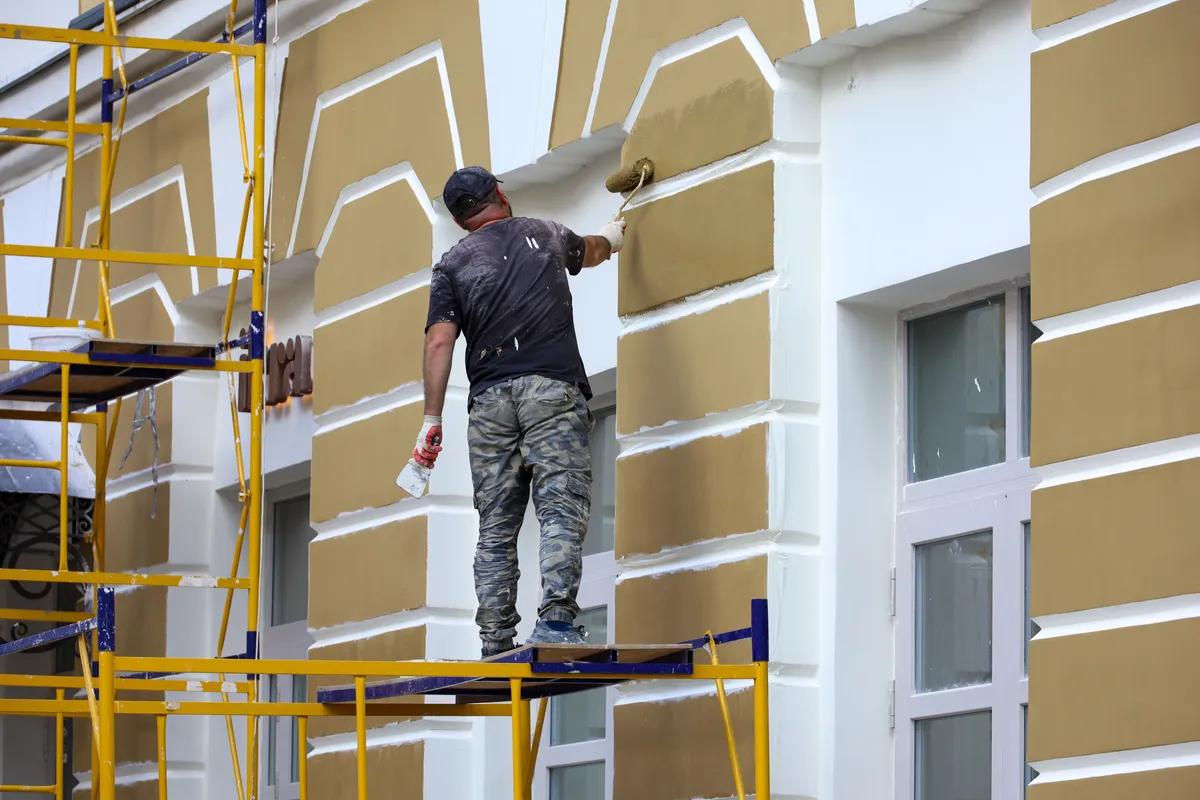
- Exterior Paint for Weather Protection: Exterior paint is designed to handle sun, rain, wind, and temperature changes. It resists fading, mildew, and moisture and flexes as siding expands and contracts. Never use interior paint outdoors. Our guide on whether you can use exterior paint indoors explains why the reverse is not a good idea either.
- Masonry Coatings for Stucco and Brick: Specialized masonry coatings are designed for stucco, brick, and concrete. Many are formulated to handle the moisture and alkalinity of masonry. Products like Sherwin-Williams Loxon are designed for masonry surfaces. Read our guide on how to paint stucco or how to paint brick for more.
Product data for coatings like Loxon is published on the Sherwin-Williams website, including the masonry surfaces each product is designed for.
Technical Comparison of Common Paint Types
This technical reference table compares the main paint types by surface, strengths, and typical sheens.
- Acrylic latex (interior): Walls and ceilings. Easy application, low odor, soap-and-water cleanup. Flat through semi-gloss.
- Enamel: Cabinets, trim, doors. Hard, smooth, durable, washable. Satin, semi-gloss, gloss.
- Exterior acrylic: Siding, exterior trim. UV, mildew, and moisture resistance, flexibility. Flat, satin, semi-gloss.
- Masonry coating: Stucco, brick, concrete. Designed for masonry surfaces and their moisture and alkalinity. Flat or low sheen.
How Do You Choose the Right Primer for Each Paint Type?
Primer is just as important as the paint itself. The right primer helps your topcoat bond, cover evenly, and last longer.
- Interior Walls: Use a drywall primer on new drywall and patches, and a stain-blocking primer over stains.
- Cabinets and Trim: Use a bonding primer over glossy or previously finished surfaces.
- Exterior Wood: Use an exterior primer on bare wood and repairs.
- Masonry: Use a masonry primer or conditioner recommended by the coating manufacturer.
“Pro Tip 2: Use the Same System From Primer to Topcoat. Paint manufacturers design their primers and topcoats to work together. When possible, use a primer recommended on the topcoat's label, especially for cabinets, exteriors, and masonry. Using a matched system reduces the risk of adhesion problems and helps the warranty apply.”
For more on choosing primer, read our guide on what kind of primer to use before painting.
What Are the Most Common Mistakes When Choosing Paint Types?
Avoiding these mistakes helps your paint job last:
- Using Wall Paint on Cabinets: Wall paint may stay soft and chip on high-touch surfaces.
- Using Interior Paint Outside: Interior paint fades, chalks, and peels when exposed to weather.
- Using Standard Paint on Masonry: Masonry surfaces need coatings designed for them.
- Skipping Primer: The right primer is essential for adhesion on many surfaces.
- Ignoring Sheen: The wrong sheen can make surfaces hard to clean or highlight flaws.
“Pro Tip 3: Check What Is Already on the Surface. Before you choose a paint type, find out what coating is already there. Glossy oil-based trim, chalky old exterior paint, and sealed or water-repellent masonry all need specific prep or primer before a new paint type will bond. A quick test patch and an adhesion check with painter's tape can save you from a finish that peels within months.”
Answers to Common Questions About Types of Paint
What type of paint is best for interior walls?
Acrylic latex paint is the best choice for most interior walls. It is durable, easy to apply, low odor, and cleans up with soap and water.
What kind of paint should you use on cabinets?
Use an enamel designed for cabinets and trim. It dries to a hard, smooth, washable finish that holds up to frequent handling.
Can you use interior paint outside?
No. Interior paint is not designed for sun, rain, and temperature changes, and it will fade and fail quickly outdoors.
What paint should you use on stucco or brick?
Use a masonry coating designed for stucco and brick. These products are formulated for the moisture and alkalinity common in masonry.
Is enamel paint oil-based?
Not always. Traditional enamels were oil-based, but many modern enamels are waterborne and clean up with soap and water while still drying to a hard finish.
Ready for Professional Interior and Exterior Painting?
Choosing the right paint for every surface, prepping properly, and applying durable coats take skill and experience. Let our experienced painting teams handle your next project with our interior painting and exterior painting services, safely and efficiently.
Note: Pricing estimates are based on 2026 regional averages. Every home is unique, and final quotes require an on-site assessment to account for material costs, prep work, and structural conditions.
Contact the team at That 1 Painter today to schedule your detailed, obligation-free on-site estimate, and get the right paint on every surface of your home. Book Your Free Professional Estimate Now
