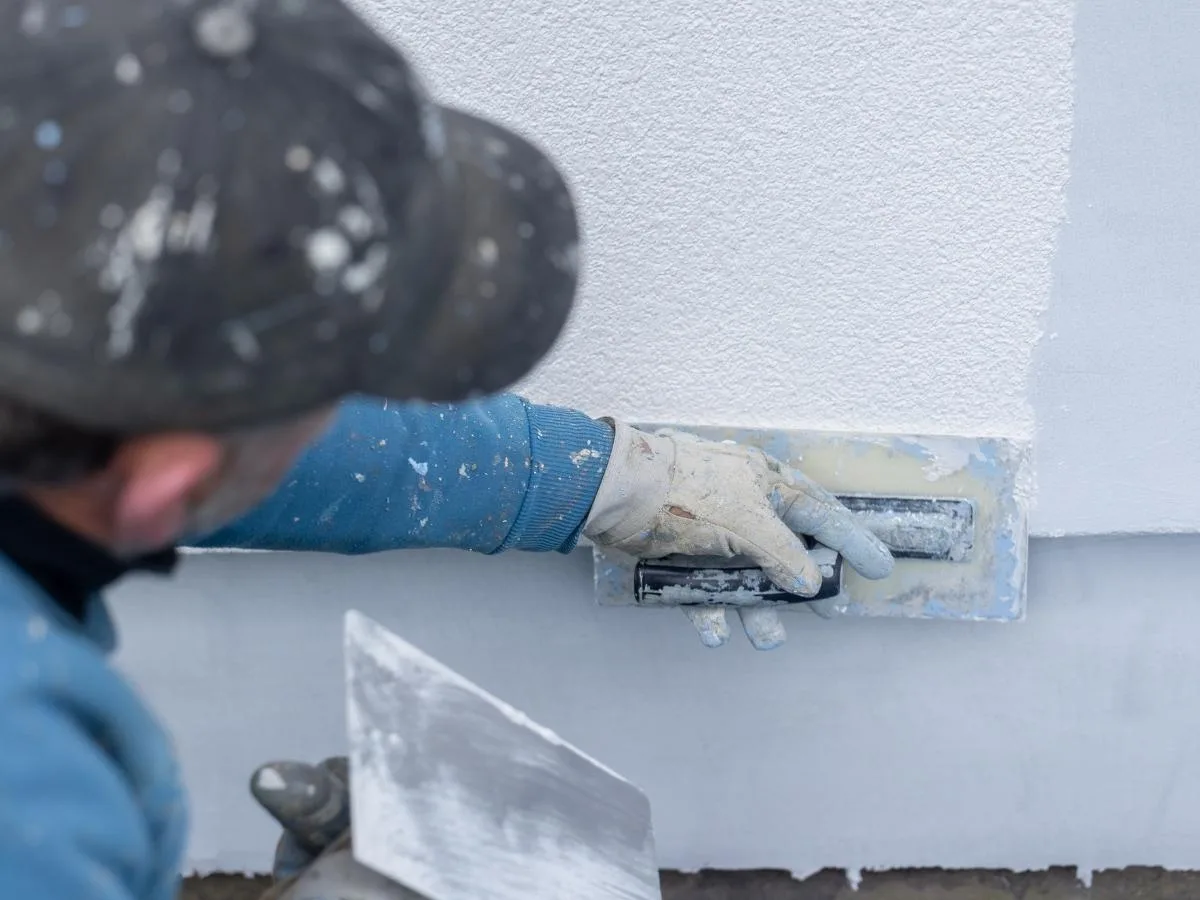
By Robert R.
How do I paint stucco? The most critical step in painting stucco is thoroughly cleaning, drying, and repairing the substrate before applying any coating, because dirt, chalky residue, or loose cement keep fresh paint from bonding properly. Seal hairline fractures with flexible masonry caulk or elastomeric patch compounds first, then apply a specialized breathable masonry coating like Sherwin-Williams Loxon XP. Apply the coating using a 3/4-inch to 1-1/4-inch nap roller sleeve based on the depth of the texture, or spray the material and immediately back-roll it into the heavy voids to guarantee full coverage. The simple answer is clean the surface, repair structural cracks, use a high-build masonry paint like Loxon XP, and roll or spray with a thorough back-rolling pass.
Quick Reference Summary for Painting Exterior Stucco
Stucco is a porous, cementitious material that expands and contracts as ambient temperatures and moisture levels shift. Standard interior or flat exterior acrylic paints trap moisture inside Portland cement plaster walls, leading to blistering, efflorescence, and surface peeling. Regional climate stresses dictate how masonry coatings perform across different home environments.
In humid Southern coastal regions, intense moisture and salt air accelerate mold growth and drive water deep into porous stucco walls. In dry Southwestern climates, harsh UV exposure bakes raw cement, requiring high-build alkali-resistant coatings that resist fading and chalking. In Northern regions, freeze-thaw cycles trap moisture within stucco pores, causing the outer cement layer to spall if unsealed. Below is the step-by-step technical guide for coating stucco exterior surfaces correctly.
- Preparation: Pressure wash walls at low pressure (1,500 to 2,000 PSI) using a mild detergent to remove chalk, dirt, and mold.
- Crack Repair: Fill hairline cracks up to 1/16-inch wide with flexible acrylic masonry sealant or elastomeric patching compound.
- Product Selection: Apply a breathable, high-build coating engineered specifically for exterior masonry, such as Sherwin-Williams Loxon XP.
- Application Method: Use a 3/4-inch to 1-1/4-inch nap roller, or spray the paint and immediately back-roll to push the coating into deep crevices.
In What Order Do You Prep and Paint Stucco?
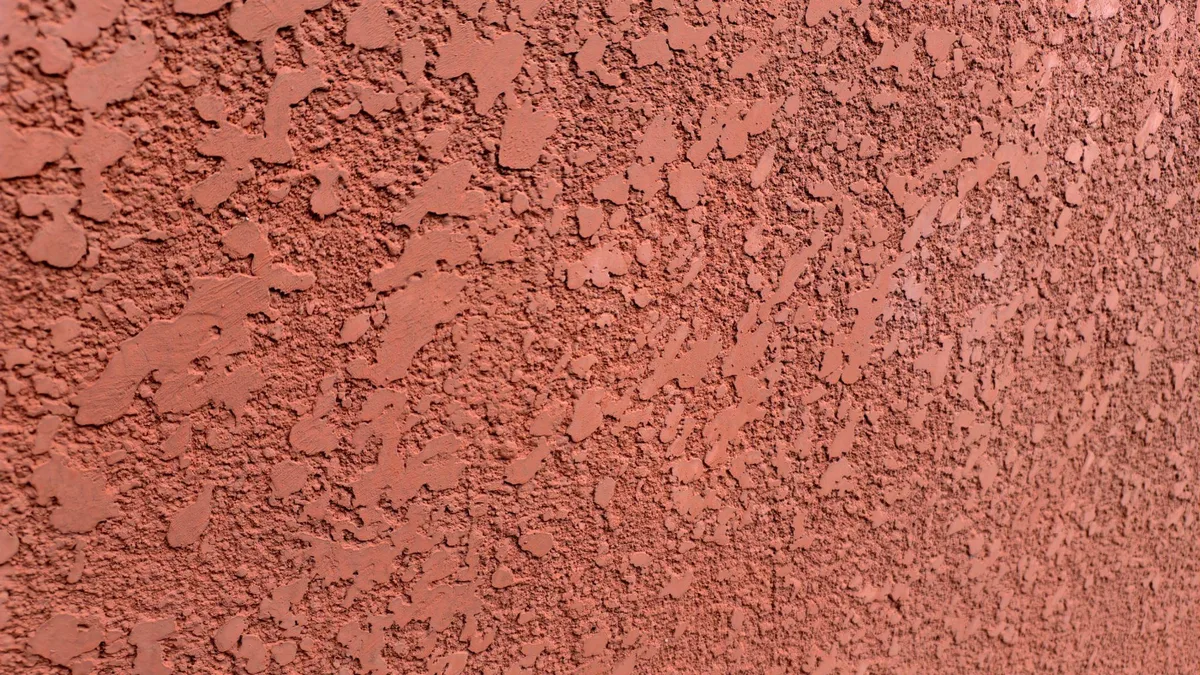
Executing a structured prep and painting sequence ensures long-term adhesion and prevents premature moisture failure.
Step 1: Surface Cleaning and Decontamination
Pressure wash the stucco walls using a broad 40-degree spray tip. Keep the nozzle at least 12 inches away from the surface to clean off dirt, chalking residue, and airborne grime without gouging the cement plaster finish.
Step 2: Masonry Crack Patching
Inspect the dry stucco for cracks. Fill minor surface cracks with exterior acrylic sealant, and patch wider structural gaps with knife-grade elastomeric patching compound smoothed over with a damp sponge to match surrounding texture.
Step 3: Primer Application (If Required)
If coating fresh, unpainted cement plaster or highly alkaline stucco, apply a dedicated alkali-resistant masonry primer to neutralize surface pH levels before painting.
Step 4: High-Build Coating Application and Back-Rolling
Apply your exterior masonry paint using an airless sprayer paired with an immediate back-roll pass, or work systematically using a heavy-nap roller frame.
What Is the Best Paint for Exterior Stucco Walls?
Choosing the right coating formulation prevents moisture trapped behind the cement wall from pushing the paint film off the surface. Technical standards published by the Master Painters Institute (MPI) highlight the necessity of vapor-permeable, alkali-resistant coatings for exterior cementitious substrates.
Elastomeric Coatings vs. Acrylic Masonry Paints
Standard 100 percent acrylic exterior paints offer good color retention, but they lack the film thickness needed to span deep stucco grooves.
Elastomeric coatings apply at a thick 10 to 20 wet mil thickness and stretch up to 300 percent to bridge minor settling cracks.
High-build masonry products like Sherwin-Williams Loxon XP combine the breathability of traditional acrylics with the elasticity of elastomeric films, eliminating the need for a separate primer on sound surfaces.
Managing Moisture and Efflorescence Hazards
Efflorescence occurs when water dissolves crystalline salts inside the stucco matrix and carries them to the surface as a white powder. Applying paint over active efflorescence causes total adhesion failure.
Reviewing technical guidelines, such as those in Sherwin-Williams Technical Specifications, helps painters identify when masonry surfaces need acid neutralization prior to painting. If you are working with leftover materials from past exterior projects, review our guide on can you use old paint to ensure the binders are intact.
“Pro Tip 1: Phenolphthalein pH Surface Testing. Fresh stucco and patched cement sections exhibit high alkalinity, often showing a pH level between 12 and 13. Standard exterior paints saponify and break down when applied to surfaces with a pH above 9. Spray a 1 percent phenolphthalein indicator solution onto damp stucco before painting. If the solution turns bright pink, the surface alkalinity is too high for standard acrylics. You must either wait 28 days for the cement to cure fully, apply an alkali-resistant primer rated up to pH 13, or use a high-build conditioning system.”
How to Apply Masonry Paint with a Roller and Sprayer
Achieving solid pinhole-free coverage over rough, textured stucco requires correct tool selection and application mechanics.
Selecting the Right Roller Nap Thickness
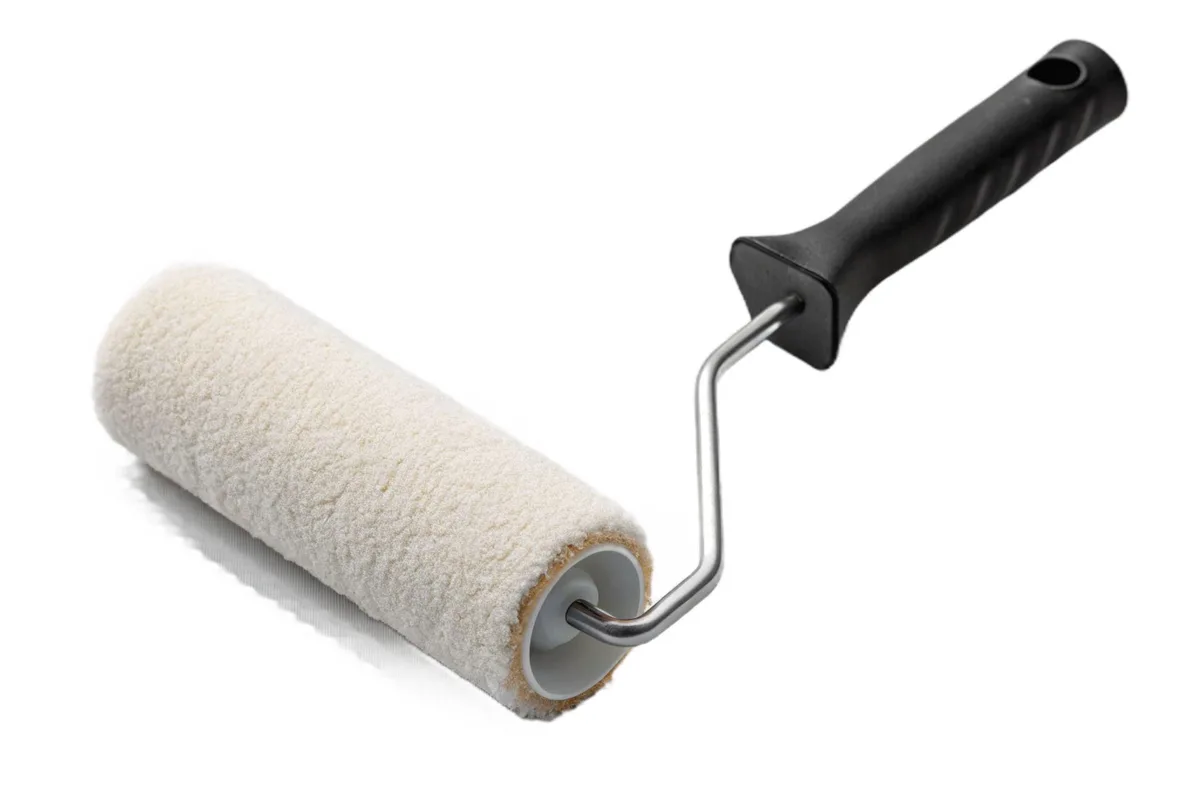
Standard 3/8-inch or 1/2-inch wall rollers only coat the high spots of textured stucco, leaving deep pits and voids exposed to rain.
Use a 3/4-inch nap sleeve for smooth synthetic stucco, a 1-inch nap for medium dash finishes, and a 1-1/4-inch or 1-1/2-inch long-nap roller cover for heavy skip-trowel or rough-cast textures.
Airless Spraying and Back-Rolling Strategy
When using an airless paint sprayer, install a large 0.019-inch to 0.023-inch spray tip to handle thick, heavy-bodied masonry coatings. Spraying alone lays paint across the top peaks of the texture.
A second worker must immediately follow behind the spray pattern with a heavy-nap roller, working wet paint into deep crevices to force out trapped air pockets. Complete exterior coverage guidelines are available through our exterior house painting services.
“Pro Tip 2: Wet-on-Wet Back-Rolling Execution. Back-rolling must occur within two minutes of spraying. If you wait too long, the sprayed coating skins over, and rolling tears the wet film, creating clumps and lap marks. Work in pairs: one painter sprays a 4-foot by 8-foot vertical section, while the second painter rolls top-to-bottom, then left-to-right in a cross-hatch motion. This forces paint deep into microscopic pinholes where water leaks typically start.”
Stucco Prep and Coating Selection Matrix
This reference table outlines preparation steps and material specifications based on existing stucco conditions. Industry benchmarks maintained by the Stucco Manufacturers Association (SMA) detail proper curing times and coating compatibility for exterior plaster surfaces.
If your home restoration involves interior wall repairs or structural patching, explore our guide on drywall repair services. For complementary design ideas, read our article on what is color drenching.
If your home maintenance extends to masonry or woodwork, review our guides on can you clean limewashed brick and painting cabinets with doors. Learn more about our national team at That 1 Painter.
- New Unpainted Stucco (under 28 days): Primary risk is high alkalinity (pH 12+). Prep with curing or an acid wash. Recommended system: alkali-resistant masonry primer + acrylic.
- Chalky Previously Painted Stucco: Primary risk is surface adhesion loss. Prep with a power wash + binding sealer. Recommended system: masonry conditioner + Loxon XP.
- Cracked & Weathered Stucco: Primary risk is water penetration. Prep with elastomeric patching. Recommended system: high-build elastomeric coating.
- Efflorescence Bleeding Stucco: Primary risk is salt crystal pressure. Prep with a wire brush + neutralizer. Recommended system: breathable flat masonry coating.
“Pro Tip 3: Elastomeric Hairline Crack Bridging. When sealing hairline stress cracks under 1/16-inch wide, skip standard caulk guns, which leave shiny smooth lines over rough stucco texture. Instead, brush a concentrated stripe of elastomeric coating directly over the crack, feathering the edges outward three inches on both sides with a stiff-bristle brush. Allow this stripe to dry for two hours before coating the entire wall. The brush-applied elastomeric bridges the crack while preserving the natural cement texture underneath.”
Answers to Common Stucco Painting Questions
Can you paint stucco with a regular paint roller?
Yes, you can paint stucco with a roller, provided you select a heavy-nap sleeve between 3/4-inch and 1-1/4-inch thick. Thin roller covers cannot reach into the deep pits and texture of stucco surfaces, leaving bare spots exposed to moisture penetration.
How long does raw stucco need to cure before painting?
Traditional Portland cement stucco must cure for at least 28 days before applying standard exterior paint coatings. This curing period lets moisture evaporate and allows alkalinity levels to drop below pH 10. If you must paint sooner, use a specialized high-alkalinity primer rated for fresh cement.
Is it better to spray or roll paint on stucco?
Using both methods together yields the best results. Spraying applies paint quickly into deep crevices across large wall areas, while back-rolling pushes liquid paint into texture voids, eliminating pinholes and creating a uniform protective film.
What happens if you do not use breathable paint on stucco?
If you apply a non-breathable coating like high-gloss enamel or heavy oil-based paint over exterior stucco, moisture escaping from inside the home becomes trapped behind the paint layer. Trapped vapor creates pressure bubbles, causing the coating to blister, crack, and peel off.
How often should exterior stucco be repainted?
High-quality acrylic masonry paint applied over properly prepared stucco typically lasts 7 to 10 years. High-build elastomeric coating systems can last up to 12 years or more when maintained properly and kept free of continuous water exposure.
Ready to Renew Your Exterior Stucco Safely?
Painting stucco requires careful surface preparation, proper coating selection, and disciplined application techniques to keep your home protected. Avoid peeling paint, moisture leaks, and uneven coverage by partnering with experienced exterior painters.
Note: Pricing estimates are based on 2026 regional averages. Every home is unique, and final quotes require an on-site assessment to account for material costs, prep work, and structural conditions.
Contact the team at That 1 Painter today to schedule your detailed, obligation-free on-site estimate, and let our professional painting crews restore your exterior stucco with long-lasting protection. Book Your Free Professional Estimate Now
