By Mary C.
Is Sherwin-Williams Emerald worth it? Yes, Sherwin-Williams Emerald paint is worth the premium price when exceptional durability, washability, and superior hide are essential for your project. Emerald Interior utilizes advanced cross-linking acrylic technology to create a scrub-resistant finish that resists burnishing, while Emerald Exterior provides weather resistance against rain, UV exposure, and cold temperatures. While Emerald carries a higher price tag per gallon than mid-tier options like SuperPaint or Duration, its self-leveling properties and washability make it a smart investment for high-traffic residential spaces. The direct answer is that Emerald is worth the cost if long-term film durability and coverage matter most for your home.
Evaluating top-tier architectural paints requires looking beyond gallon pricing to examine coverage efficiency and resin density. Cheap paints use higher levels of solvents and clay fillers, which dry to a soft film that wears down during routine cleaning. Premium paints like Emerald use higher concentrations of 100 percent acrylic polymer binders, forming a dense resin barrier across interior drywall and exterior substrates.
Different regional home structures and climates across the country highlight where Emerald's higher price tag delivers real value. In humid Southern coastal climates, Emerald Exterior uses antimicrobial agents to prevent algae and mildew growth along exterior wood trim. In dry Western regions with heavy solar exposure, its acrylic formulation resists chalking and color fading. In historic Northern properties featuring plaster walls, Emerald Interior flexes over subtle structural shifts without cracking. Below is the detailed technical breakdown of Sherwin-Williams Emerald.
Quick Reference Summary for Sherwin-Williams Emerald Paint
- Performance Level: Ultra-premium 100 percent acrylic latex paint engineered for high washability and hide.
- Interior Use: Ideal for high-traffic hallways, kitchens, bathrooms, and dark color shifts that demand single-coat coverage.
- Exterior Use: Delivers dirt-pickup resistance and low-temperature application down to 35°F for extended exterior painting windows.
- Value Assessment: Higher initial cost per gallon, but lowers long-term maintenance costs by reducing repainting frequency.
Is Sherwin Williams Emerald Paint Good Quality?
Sherwin-Williams Emerald represents the flagship product tier in the manufacturer's residential paint catalog. Technical standards published by theMaster Painters Institute (MPI) place Emerald in the highest performance categories for washability and leveling.
Advanced Acrylic Resin Formulation
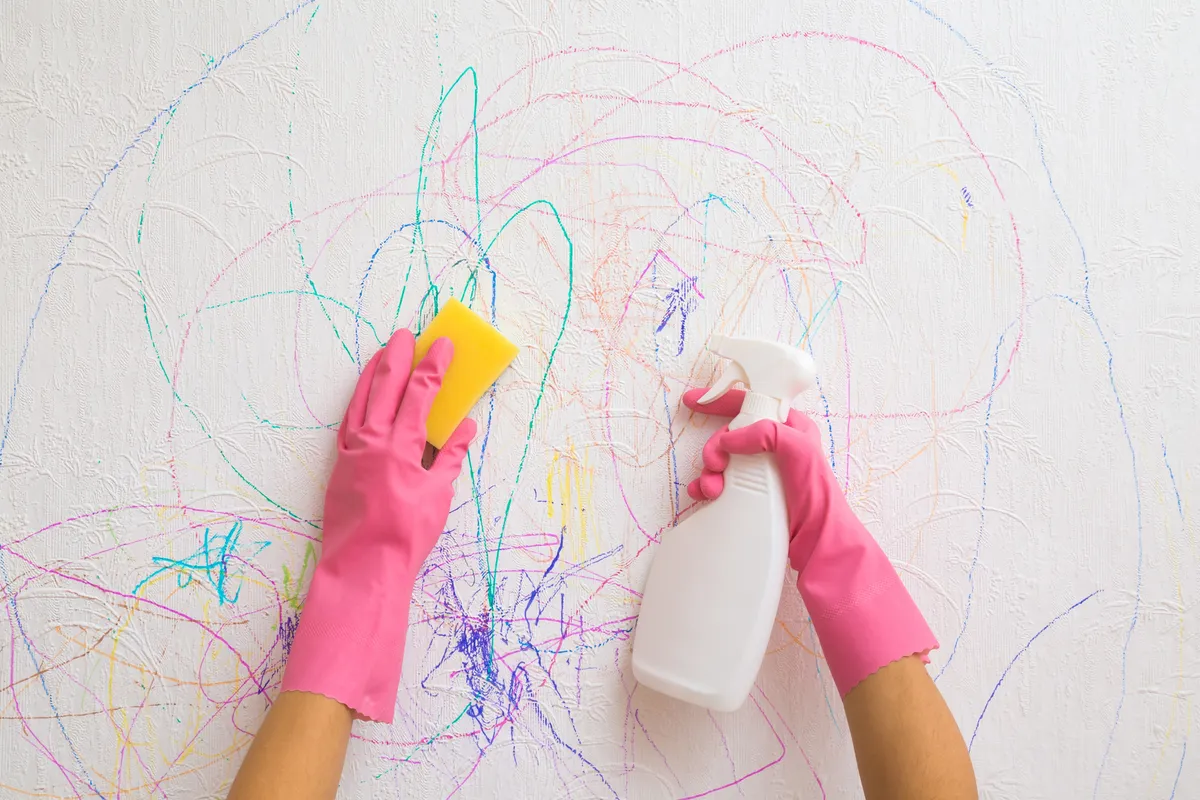
Unlike standard paints that rely on basic vinyl-acrylic binders, Emerald uses a 100 percent acrylic polymer cross-linking technology. As the liquid carrier evaporates, these polymer chains interlock, forming a smooth, non-porous surface. This tight resin barrier prevents household stains from penetrating the paint layer, allowing grease, crayon, and dirt to be wiped away without stripping the sheen.
Self-Leveling and Hiding Capabilities
Emerald features excellent viscosity control and self-leveling qualities. When applied with a roller or brush, the wet paint levels out before drying, minimizing brush marks and roller stipple. Its high titanium dioxide pigment load provides strong hiding power, often achieving complete coverage over dark existing paint in fewer coats than standard options.
What Is the Difference Between Emerald Interior and Exterior?
Sherwin-Williams produces Emerald in two distinct interior and exterior formulations, each engineered for specific environmental stresses.
Emerald Interior Acrylic Latex
Emerald Interior is a low-VOC, paint-and-primer-in-one product designed for interior drywall, cured plaster, wood, and masonry. Available in flat, matte, satin, and semi-gloss sheens, it provides a smooth finish that resists water spotting and burnishing. It also contains antimicrobial agents that hinder mold and mildew growth on the paint film, making it well-suited for humid bathrooms.
Emerald Exterior Acrylic Coating
Emerald Exterior is engineered to withstand changing weather conditions, wind-driven rain, and UV radiation. It features dirt-pickup resistance, which prevents airborne dust and pollen from embedding into the paint film during warm weather.
Reviewing technical specifications fromSherwin-Williams Technical Specifications shows that Emerald Exterior can be applied in ambient temperatures down to 35°F, allowing painters to work safely during spring and autumn weather transitions. If you are checking stored paint inventory before starting a project, consult our guide oncan you use old paint to make sure the binders are still usable.
“Pro Tip 1: Target Dry Film Thickness Calibration. To maximize Emerald Interior's washability, monitor your application thickness. Emerald should be applied at 4.0 wet mils per coat, which cures down to roughly 1.6 dry mils. Applying the paint too thin (under 3.0 wet mils) prevents the acrylic polymers from cross-linking fully, reducing scrub resistance along high-traffic corridors. Use a wet film gauge during rolling to ensure consistent protection.”
How Does Emerald Compare to SuperPaint and Duration?
Comparing Emerald with Sherwin-Williams' mid-tier and upper-tier product lines helps homeowners determine the best value for their budget. Industry benchmarks from thePaint & Decorating Retailers Association (PDRA) outline performance differences across paint tiers.
Emerald vs. SuperPaint
SuperPaint is a dependable mid-tier option that offers solid coverage at a lower cost. However, Emerald contains higher resin and pigment concentrations, delivering better scrub resistance, self-leveling, and stain blocking. SuperPaint works well for rentals or guest bedrooms, while Emerald is ideal for high-traffic family spaces.
Emerald vs. Duration Home
Duration Home is an upper-tier product that creates a thick, durable film. While Duration offers great stain resistance, Emerald provides better self-leveling, smoother application, and better hide when painting dark colors.
To get the best performance from premium paints, pair Emerald with our professionalinterior house painting services or safeguard your exterior with ourexterior house painting services.
“Pro Tip 2: Cross-Hatch Adhesion Field Testing. Before applying Emerald Interior over existing glossy trim or unknown oil-based enamel, run an ASTM D3359 cross-hatch adhesion test on a small prepped section. Apply a coat of Emerald, allow it to cure for 24 hours, and use a utility knife to scribe an "X" through the film. Press duct tape firmly over the cut and pull it away quickly. If paint lifts off the substrate, the surface requires scuff sanding and a high-adhesion bonding primer before topcoating.”
Sherwin-Williams Paint Line Performance Matrix
This reference table outlines technical performance metrics across Sherwin-Williams' primary residential paint lines.
- Resin System: SuperPaint Latex 100% Acrylic Latex. Duration Home Cross-Linking Acrylic. Emerald Premium Advanced Micro-Acrylic Polymer.
- Dry Film Thickness per Coat: SuperPaint Latex ~1.5 Mils. Duration Home ~1.8 Mils. Emerald Premium ~2.1 Mils.
- Scrub & Stain Resistance: SuperPaint Latex Good. Duration Home Very Good. Emerald Premium Maximum.
- Flow & Leveling Rating: SuperPaint Latex Standard. Duration Home Good. Emerald Premium Superior / Self-Leveling.
- Cold Temperature Application: SuperPaint Latex 35°F (Exterior). Duration Home 35°F (Exterior). Emerald Premium 35°F (Exterior).
If your home update includes drywall prep work before painting, review our guide ondrywall repair services. For overall color choices, read our article onwhat is color drenching.
If your project involves exterior brick or interior woodwork, read our guides oncan you clean limewashed brick andpainting cabinets with doors. Learn more about our national painting services throughThat 1 Painter.
“Pro Tip 3: Managing Humidity and Blocking Times. Premium paints like Emerald develop a dry-to-the-touch surface quickly, but complete cross-linking takes up to 30 days. In high-humidity environments (above 65 percent relative humidity), extend the cure window before closing doors or window sashes coated in Emerald Semi-Gloss. Closing doors too early can cause blocking, where the paint films stick together and tear when opened. Install soft silicone bumpers on door frames during the 30-day cure window.”
Answers to Common Questions About Sherwin-Williams Emerald
Is Sherwin-Williams Emerald a self-priming paint?
Yes, Emerald features self-priming properties over sound, previously painted surfaces, cured drywall, and prepped exterior siding. However, unpainted raw wood, bare drywall, porous masonry, or severe water stains still require an initial coat of a dedicated primer for best results.
Does Emerald paint require two coats for complete coverage?
Applying two coats of Emerald paint is recommended for maximum color depth, washability, and film durability. While Emerald offers strong hide that can cover similar colors in one coat, two coats ensure even sheen development and long-term scrub resistance.
Is Sherwin-Williams Emerald easy to clean once dry?
Yes, Emerald Interior is designed for easy cleaning. Its non-porous resin surface allows dirt, scuffs, and food stains to be wiped off with a damp sponge and mild dish detergent without leaving shiny burnish marks on flat or matte finishes.
What is the difference between Emerald and Emerald Designer Edition?
Emerald Designer Edition uses a specialized white base formulation that delivers brighter whites and richer color saturation across specific designer palettes. Standard Emerald offers identical durability and washability across the full Sherwin-Williams color catalog at a lower price point.
How long does Emerald paint take to dry between coats?
Emerald Interior dries to the touch in 1 hour and can be recoated after 4 hours under normal conditions (70°F and 50 percent relative humidity). Cool weather or high humidity will extend these dry times.
