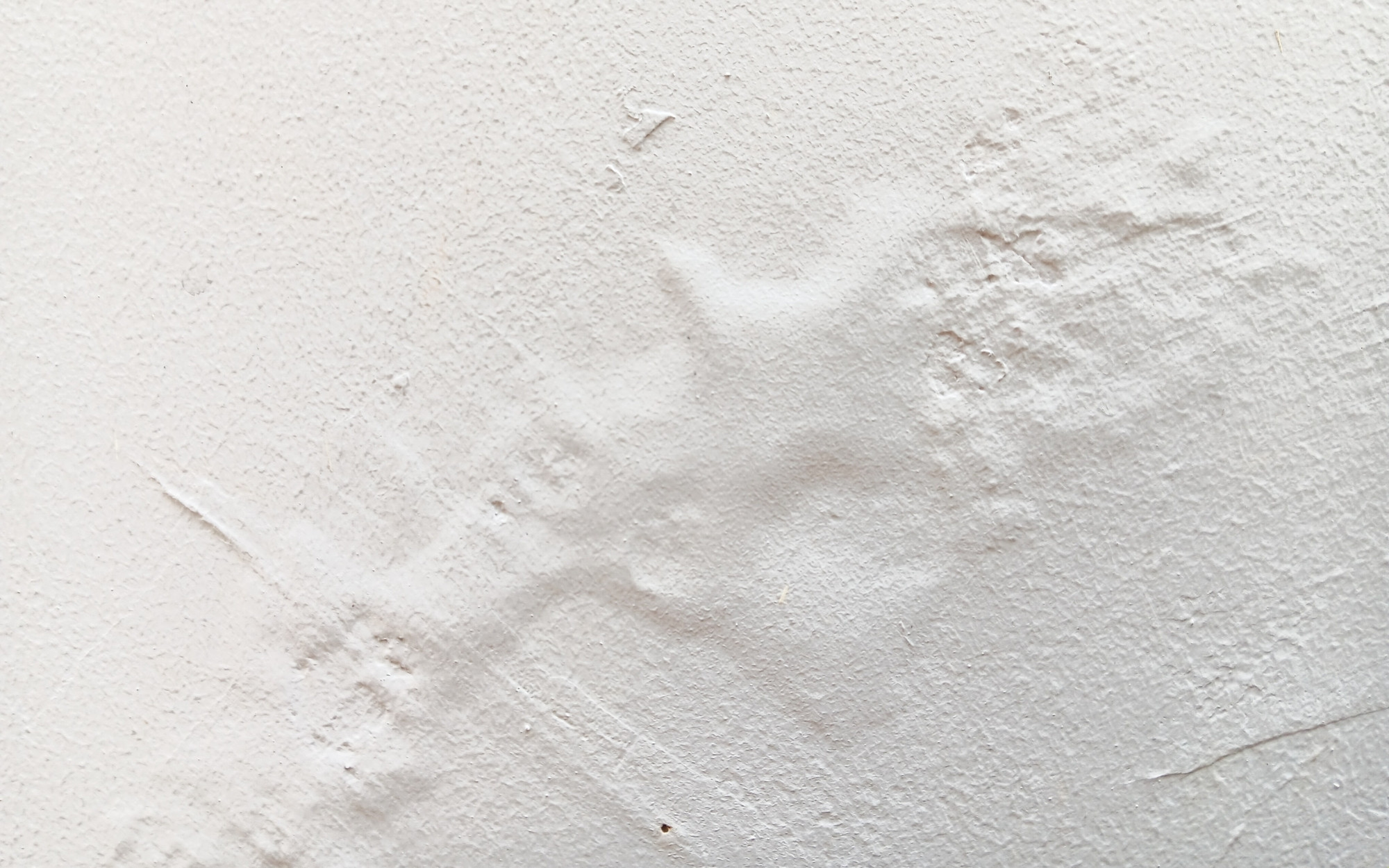
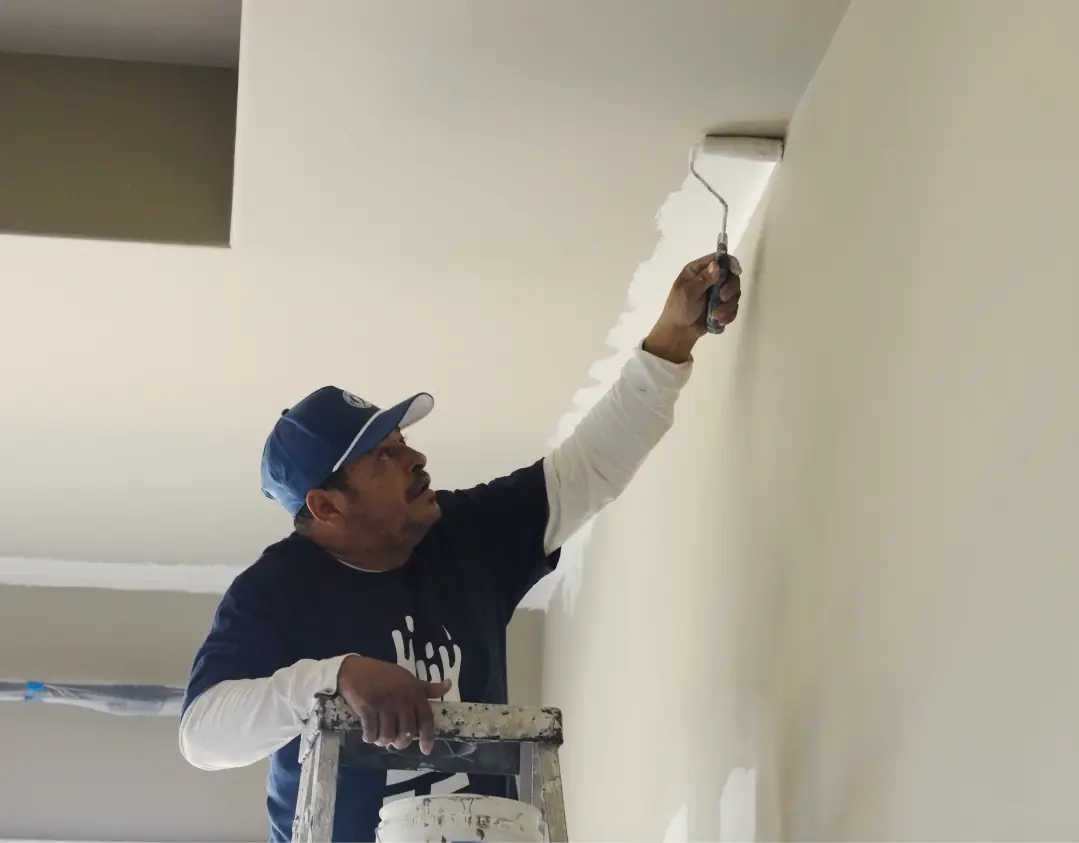
Smoothly repaired drywall ready for paint

Drywall Repair

but invisible.

Your Drywall Repair Project, From Consultation to Completion

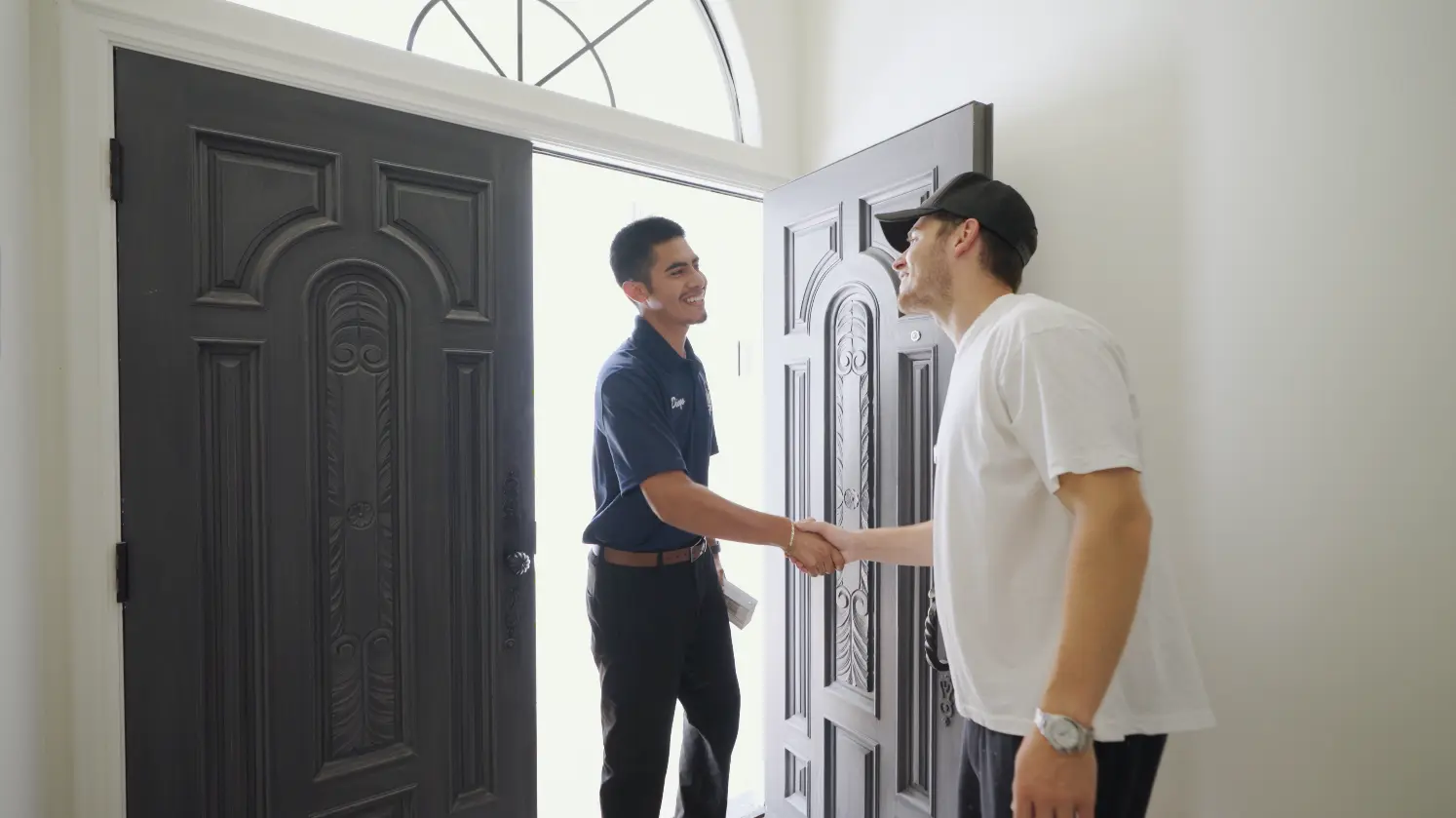
Project manager inspecting drywall damage and identifying wall texture
1

Damage Assessment & Texture Identification. We evaluate each area to determine patch, panel, or full sheet repair, and identify the existing texture: smooth, orange peel, knockdown, or skip-trowel. For water damage, we confirm the source is fixed before any drywall work begins.

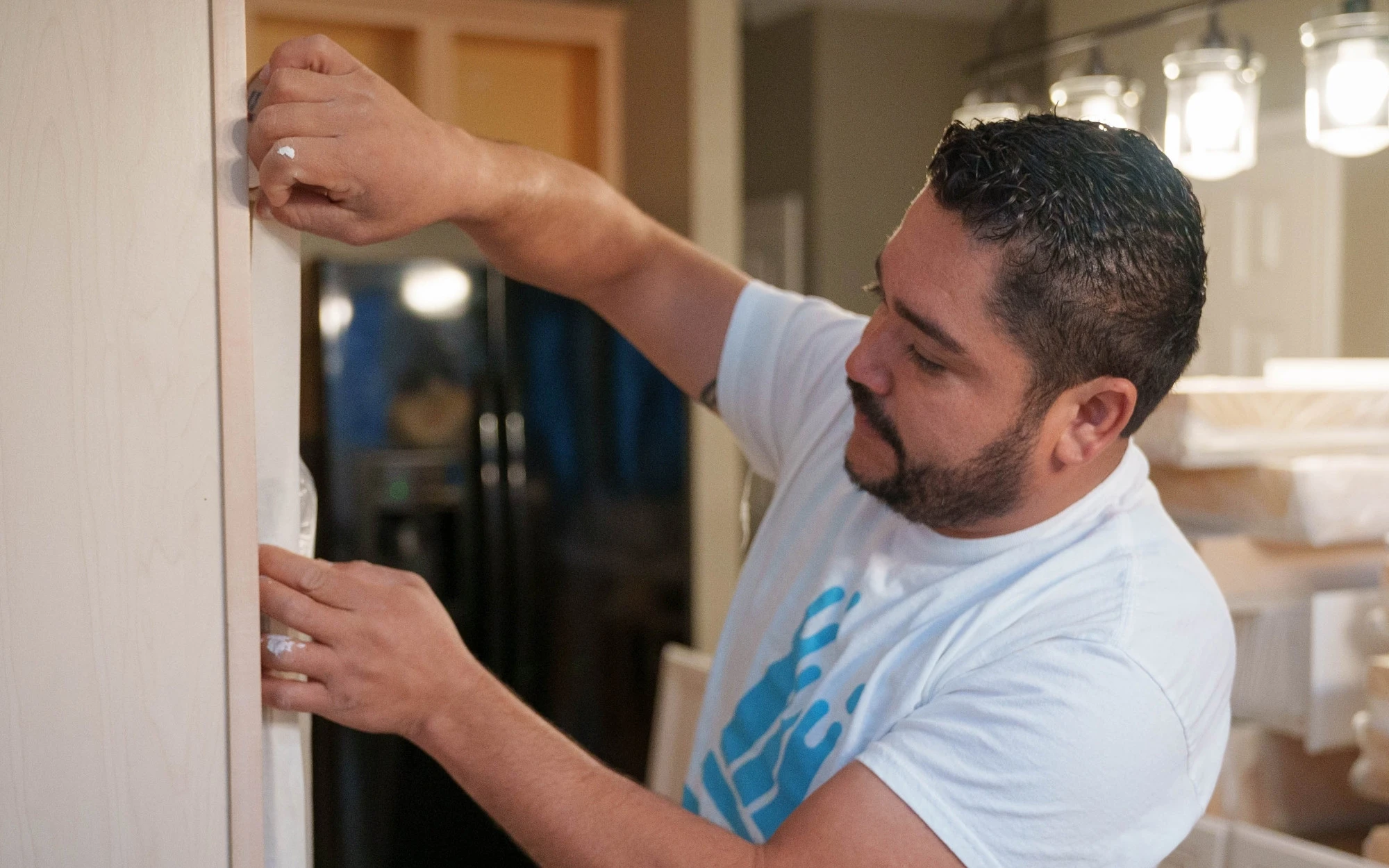
Drywall patch installed with mesh tape and joint compound being feathered out
2

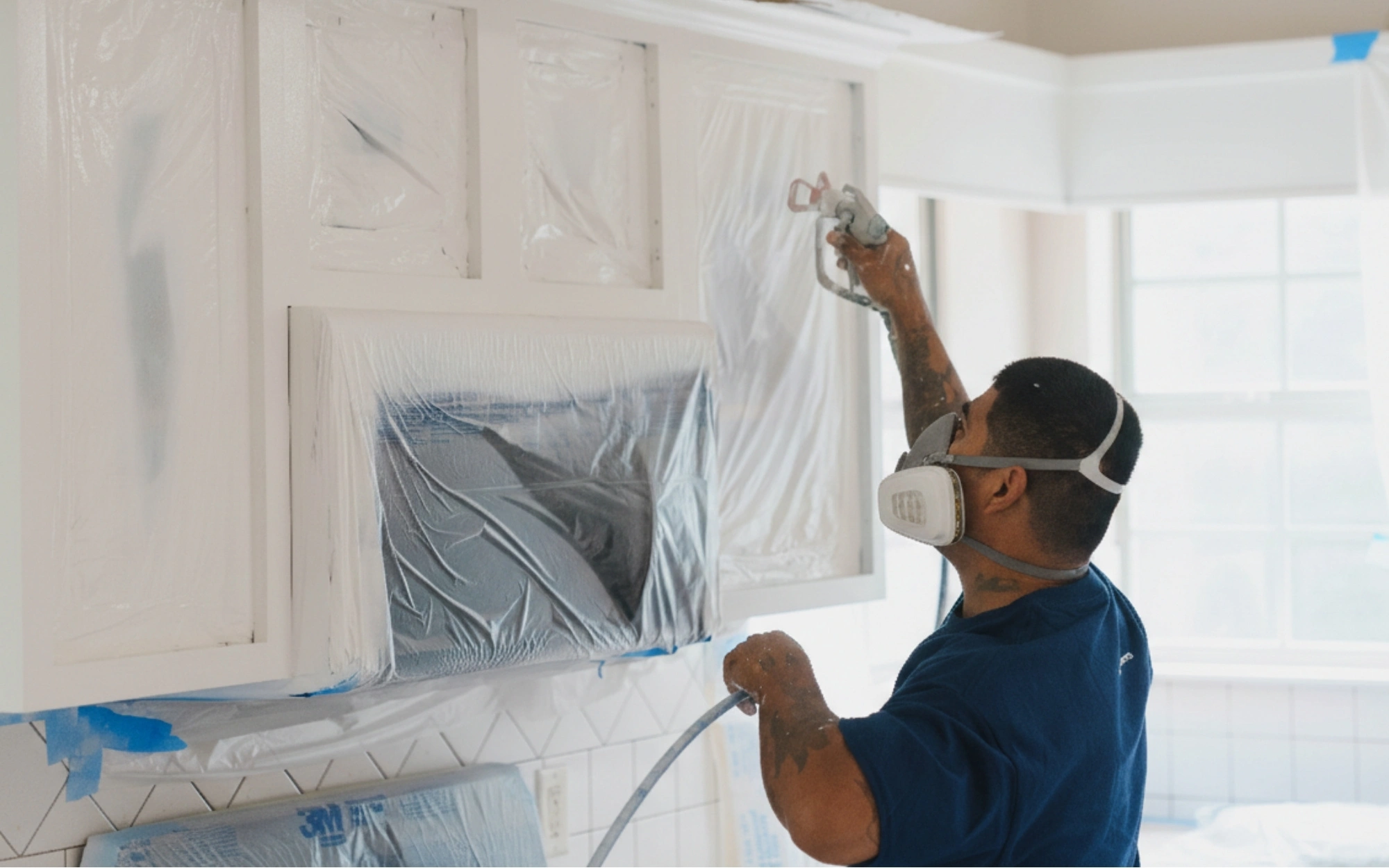
Cut, Back, Patch & Tape. Damaged drywall is cut to a clean, square opening with backing behind. Patches are set with the right method, then multiple thin coats of joint compound are applied and sanded to feather the rebuild flush.

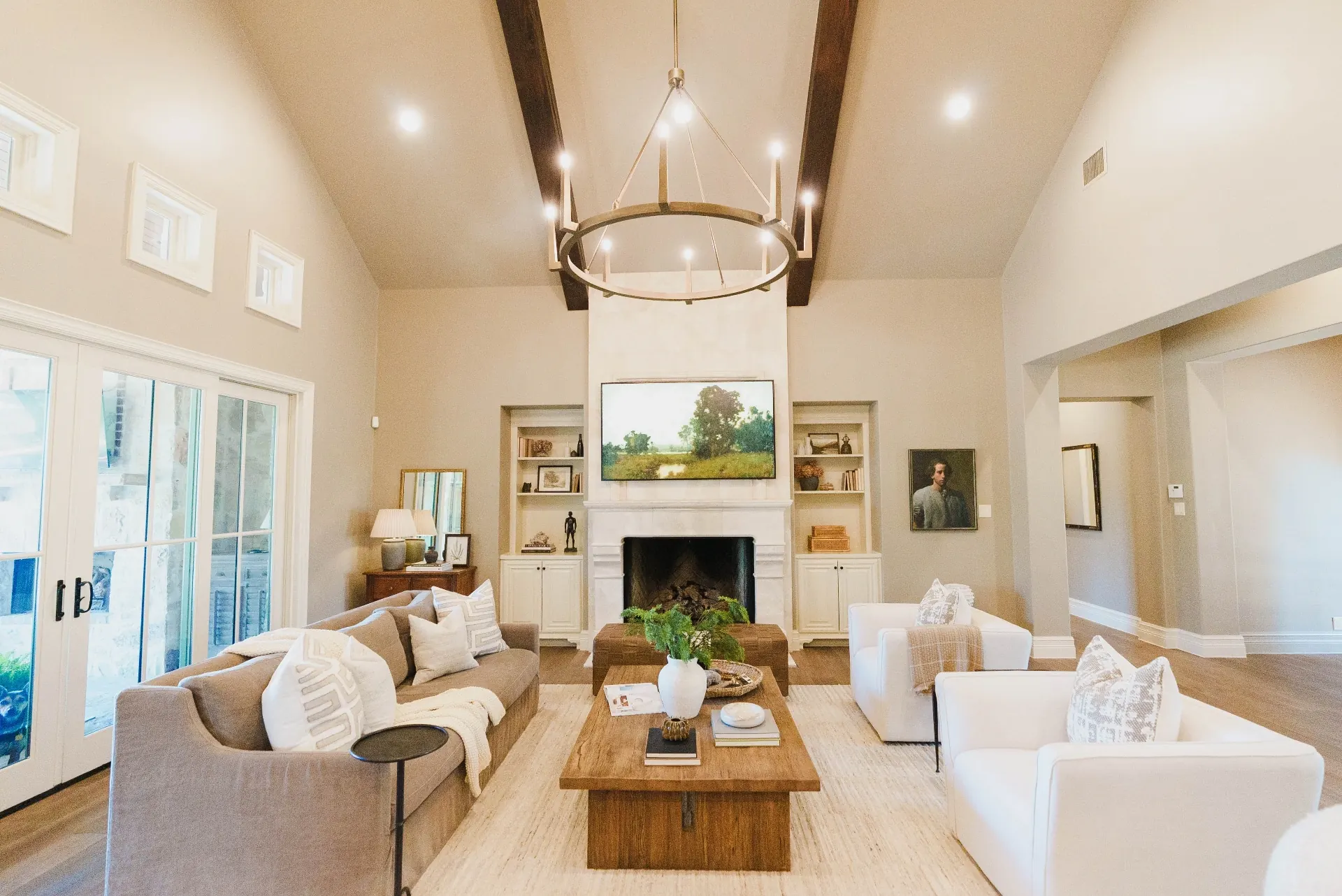
Repaired drywall after texture matching, priming, and finish paint
3

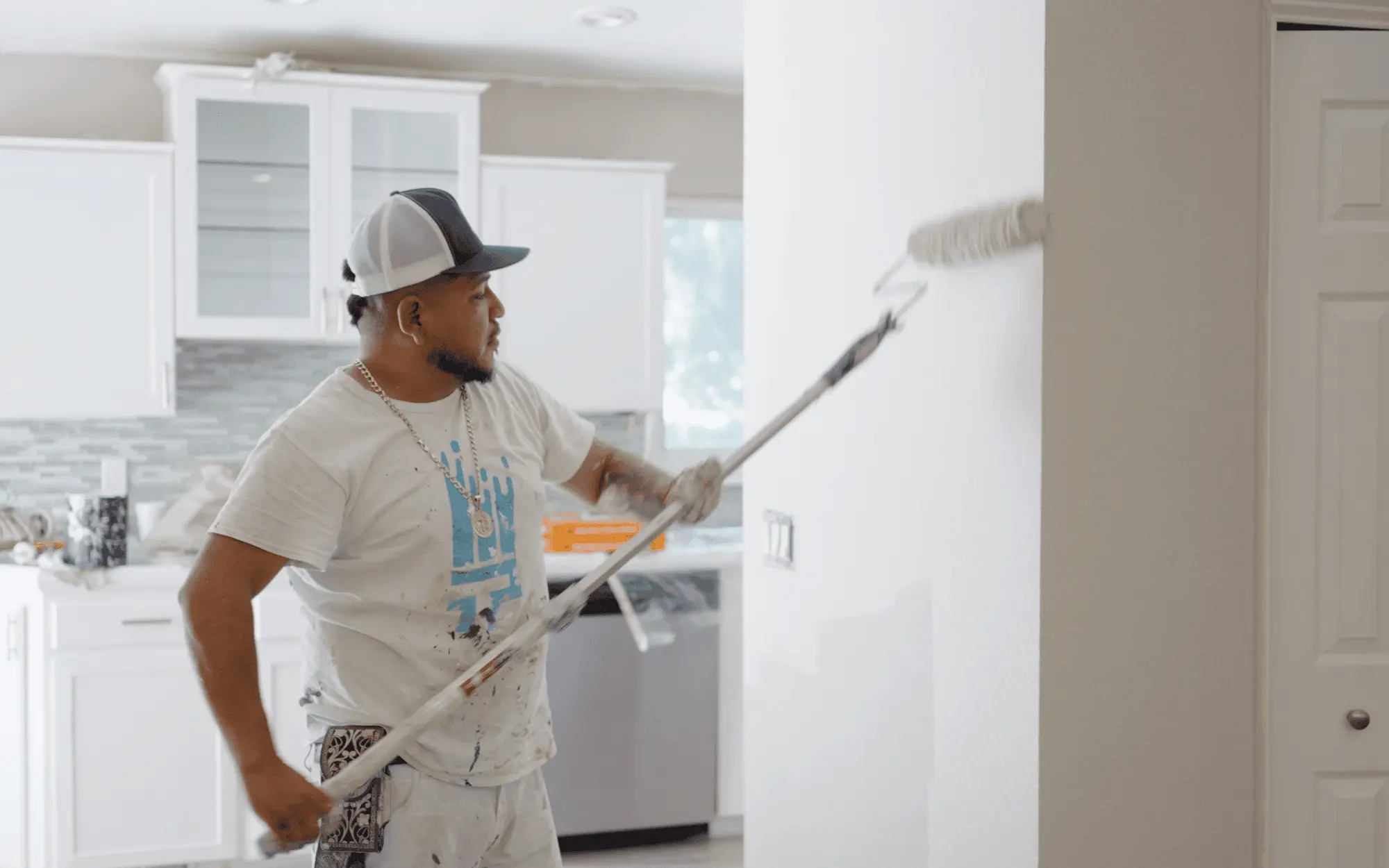
Texture Match, Prime & Paint. Existing texture is reproduced with the correct tools: sprayer for orange peel, blade for knockdown, hand trowel for skip-trowel. We test against the wall, then prime with a stain-blocking primer and paint to match.

Honest Reviews from Real Homeowners

"The owner, Anson, came by my house in South Augusta and gave me an honest assessment of my front porch. He pointed out a…"

Mikelden Mitchell

Google review icon

"From our first contact to inspection to pricing to crew painting, we have had a great experience!! Competitive pricing,…"

Felice Acker

Google review icon

"Great painting company to work with! They painted the outside of our house and the inside of our house and everything wa…"

Jamie Guidry

Google review icon

"That 1 Painter painted our house's exterior and we are very happy with the finished job. They took three days start to f…"

Susan Crabtree

Google review icon

"Eli and team were timely and professional. The whole process from start to finish was super easy and they did a really n…"

Tara Thal

Google review icon

"Absolutely amazing company! Kyle was our painter and he showed up on time, no messes made, and the paint job looks fanta…"

Ashley Shay

Google review icon

"Professional, punctual very attentive to details. Placed customer satisfaction first! Solid communication and service th…"

Joshua Taylor

Google review icon

"I was very hesitant using paint for cabinets. After researching varied options and after meeting with the sales person m…"

John Serio

Google review icon

"That 1 Painter completed exterior painting on my home and historic boathouse on the Saddle River. They did extensive pre…"

Jeffrey E. Kracht, ASID

Google review icon

"Joe did a wonderful job! Everything looks Great! He stuck with it and got it done over a four day period. Also him and J…"

Yvonne Herschberger

Google review icon

"Excellent work! Very professional, arrived on time and kept me updated. Will definitely hire them again. Highly recommen…"

Meg W

Google review icon

"Manny and his team are excellent. I needed my shed painted and the window and door trim as well as the doors replaced an…"

Teresa Pearce

Google review icon

Number of Territories

400+

Number of Paint Jobs

40,000+

5-Star Reviews

10,000+

What Drywall Repair Costs (2026)

$610

Average drywall repair cost

Angi, 2025

$295–$924

Typical drywall repair cost range

Angi, 2025

96%

ROI on minor cosmetic updates before resale

Westshore Home Resale ROI, 2025

Drywall Repair Portfolio Gallery

Repaired drywall hole feathered and ready for primer

Doorknob Hole Repair

Drywall ceiling crack repaired and texture-matched

Ceiling Crack Repair

Repaired water-damaged drywall after replacement and finish

Water Damage Replacement

Patched nail pops smoothed and ready for paint

Nail Pop Repair

Texture-matched drywall patch in an orange peel wall

Orange Peel Match

Knockdown texture matched on a repaired bedroom wall

Knockdown Texture Match

Large drywall area replaced and finished smooth in a hallway

Hallway Drywall Replacement

Repaired drywall corner bead with clean finished edge

Corner Bead Repair

Trusted Paint Partners

Sherwin-Williams
Benjamin Moore
Behr
PPG
Romabio
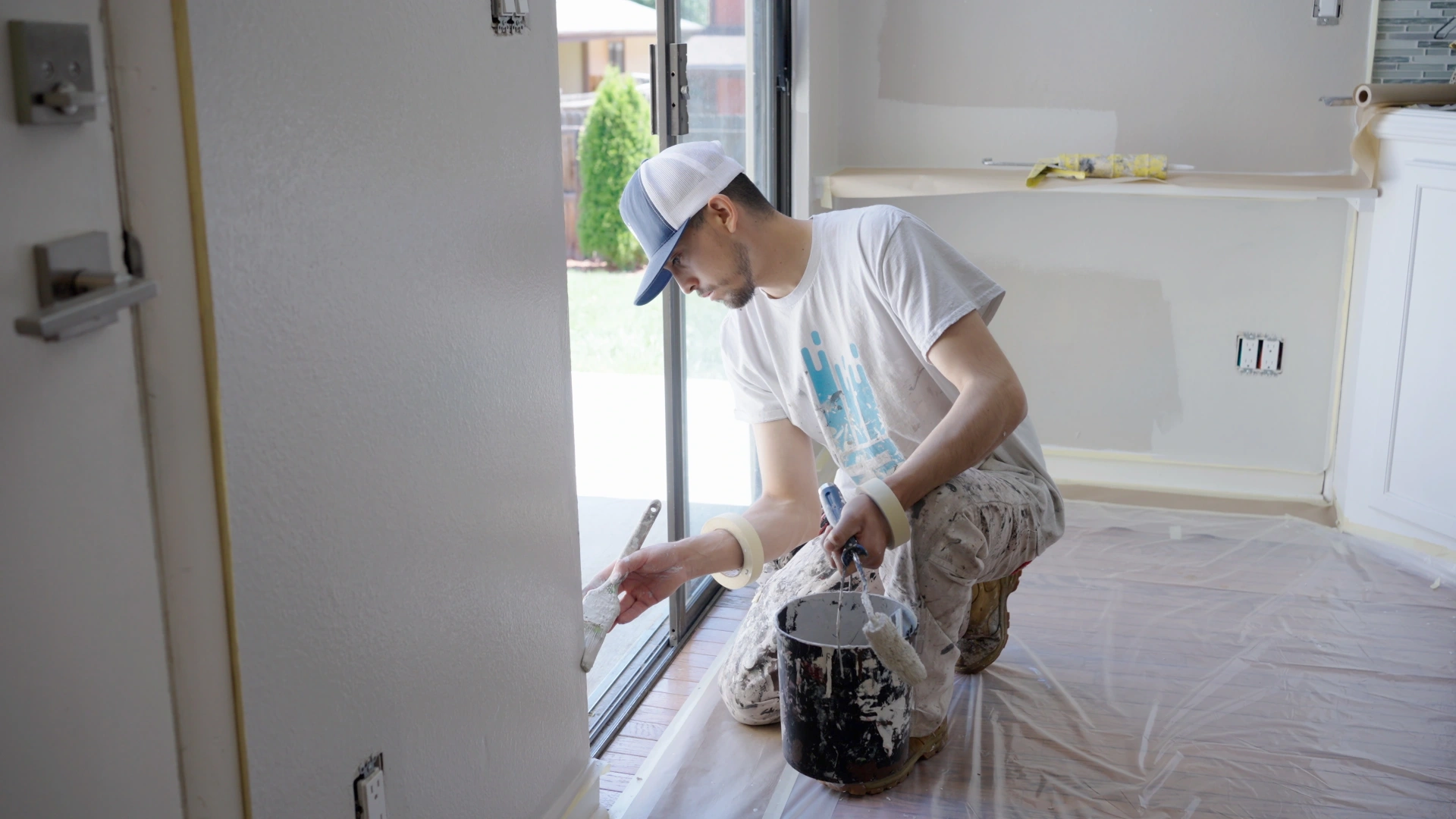
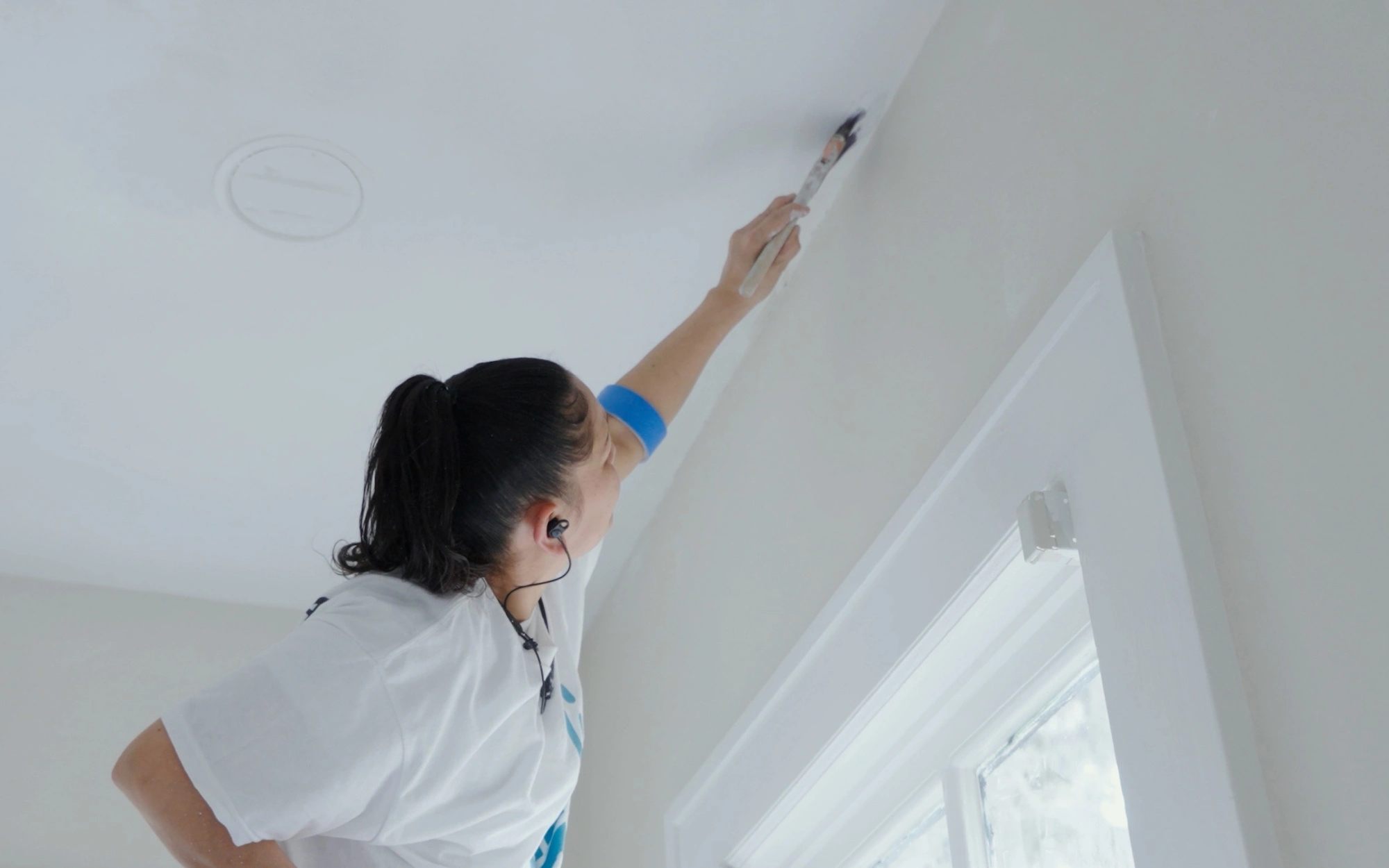
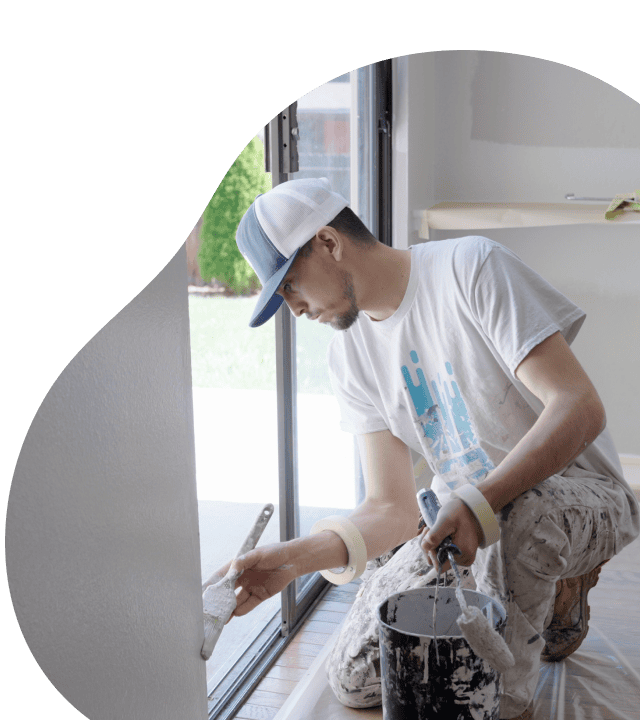
Painter applying a clean finish near a window to represent That 1 Painter's 3-year workmanship warranty

Our 3-Year Warranty

Your peace of mind, at the top of mind with our three-year transferable warranty. Covers the painting job, even if you sell the house.

Download Warranty

Drywall Repair FAQs

Most drywall damage can be repaired in place, small to medium holes, cracks, nail pops, dents, and even fairly large impact damage are all routine patch work. The exception is drywall that has lost structural integrity. Water-damaged gypsum (after a leak), areas with active mold, or drywall that's been compromised across a large continuous area is usually faster, cleaner, and cheaper to cut out and replace than to patch. We assess each area at the estimate and tell you honestly when patching is the right call versus when replacement saves money in the long run.

Yes, orange peel, knockdown, smooth, and skip-trowel are all textures we match regularly. Each requires different tools and technique: orange peel and knockdown need a texture sprayer with the right nozzle and pressure setting (knockdown then gets passed with a knockdown blade after it sets up briefly), and skip-trowel is applied by hand with a trowel using specific compound consistency. We test against the existing wall in an inconspicuous area before committing to the repair, and adjust until the match is invisible. Heavy historic textures may require a custom-mixed compound and additional time.

Each coat of joint compound typically needs 12–24 hours to dry, depending on humidity, temperature, and coat thickness. A typical patch involves three coats with sanding between, so a full repair from start to paint-ready is usually 2–3 days. Lightweight compounds dry faster than standard all-purpose. We can sometimes use setting-type compounds (which chemically harden rather than air-dry) to compress the schedule for time-sensitive jobs. Painting before the compound is fully dry traps moisture and causes the patch to flash differently from the surrounding paint, we don't shortcut this.

Yes, but only after the water source has been fixed and the cavity is fully dry. Water-damaged drywall almost always needs to be cut out and replaced rather than patched, because once gypsum gets soaked it loses structural integrity even after it dries out. We cut to a clean square, replace with new drywall, tape and finish, prime with a stain-blocking primer (Zinsser B-I-N or equivalent), then paint. If there's any sign of mold in the cavity, that needs to be remediated by a mold specialist before drywall work, we won't put new drywall over an active mold problem.

Yes. Holes larger than a few inches are repaired with the California patch method (a single piece of drywall cut larger than the hole, with the back gypsum scored and removed to leave a paper flange that gets embedded in compound) or by cutting back to studs, adding backing, and installing a new piece of drywall taped and finished into place. Either approach, executed correctly, produces an invisible repair. We choose the method based on hole size, location, and what's behind the wall.

Yes. Most ceiling cracks are either drywall joint cracks (where the original tape has failed) or seasonal stress cracks where two materials meet. Drywall joint cracks are repaired by removing the failed tape, re-taping (often with FibaFuse or paper tape), and finishing with multiple feathered coats. Stress cracks at the edge of a ceiling can be sealed with a flexible sealant or repaired with mesh and compound depending on movement. For ceilings with multiple cracks, we'll often recommend a full skim coat and re-texture rather than patch-by-patch repair.

Nail pops happen when the framing behind the drywall dries and shrinks (most common in homes 1–10 years old), causing the head of the nail or screw to push out through the joint compound covering it. They're cosmetic, not structural. The proper repair is to drive a new screw an inch or two from the popped fastener (catching the same stud), set the popped fastener slightly below the surface, and re-cover both with two to three coats of compound. Reinstalling drywall with screws (not nails) and proper framing moisture content reduces the rate of new pops.

Yes, for moderate areas. Replacing the drywall in a single room, a hallway, a damaged ceiling, or a section of wall where patching no longer makes sense is well within our scope. For full-home re-drywalling or new construction drywall hanging across an entire structure, we'll typically partner with a dedicated drywall contractor, that scale of work is usually faster and more cost-effective when handled by a hanging-and-finishing crew. We'll tell you at the estimate which path fits.

Both, yes. Adding texture to a previously smooth wall (e.g., to match a remodel area to the rest of the house) is straightforward, we apply the chosen texture, prime, and paint. Smoothing a textured wall (often called a 'level 5' or skim-coat finish) is more involved: it requires multiple thin skim coats of joint compound across the entire wall, sanded between coats, then primed with a high-build primer and painted. The result is a clean smooth wall, but it's a meaningful project, not a quick fix.

Patch-and-finish repair on small to moderate damage is dramatically cheaper than replacement, typically $75–$300 per individual patch versus $1,500–$4,500 to replace drywall in a whole room. Replacement makes sense when the damage is too extensive to patch cleanly (very large holes, multiple holes in a small area, water damage across a large area, or a wall with so many compounded patches that a fresh skin is faster). For most homeowners, repair is the right answer; we'll tell you honestly when replacement is actually the better call.

Yes, at least the affected wall, and usually the whole room for color consistency. New joint compound and any patched area absorbs paint differently than aged paint, so a spot touch-up almost always 'flashes' (shows up as a slightly different sheen or color, especially in side light). At minimum, we paint the entire wall the repair is on, corner to corner. For best results, especially in living spaces with consistent lighting, painting the whole room is the cleanest finish and what most clients choose.

Yes. Drywall repair is one of the easier services to live around, we contain the work area with plastic and zipper doors, vacuum-sand to keep dust to a minimum, and stage the work so common spaces stay accessible. Most single-room repairs are completed in 2–3 days from first compound coat to paint-ready. For larger projects (multi-room, ceiling work) we'll walk you through the daily schedule so you know which areas will be in use and which will be off-limits each day.

Stop Scrolling.
Start Painting.