By Mary C.
To paint brick successfully, you must clean the surface thoroughly with a pressure washer or wire brush, repair damaged mortar joints, allow the substrate to dry completely below 12 percent moisture content, apply an alkali-resistant masonry primer, and finish with two coats of breathable 100% acrylic or mineral silicate paint. Brick is a porous, alkaline material that absorbs water and breathes moisture vapor. Using improper non-breathable paints or skipping specialized masonry primers traps water inside the wall, causing the paint to blister, chip, and spall the brick face off within a few seasons.
Quick Reference Summary for Painting Brick
Painting brick exteriors or interior fireplaces transforms dated masonry while providing a durable, weather-resistant coating. Achieving a professional-grade finish requires strict adherence to surface preparation, pH testing, and coating selection.
Regional weather patterns, atmospheric moisture levels, and masonry age determine how painted brick performs over time. In humid Southern coastal climates, high ambient humidity and driving rain require elastomeric masonry primers to block water intrusion while allowing internal vapor escape. In high-altitude Western mountain regions with intense sunlight, rapid moisture loss can cause masonry coatings to dry too fast, requiring shaded application pass timing. In historic Northern properties subject to freeze-thaw cycles, trapped water expands beneath non-permeable paint films, breaking the outer face off soft historic clay brick. Below is a complete technical guide detailing how to paint brick correctly.
- Primary Prep Rule: Clean brick surfaces thoroughly using a mild detergent or masonry cleaner and let dry for 3 to 7 days before applying primer.
- Best Primer Type: High-adhesion, alkali-resistant acrylic masonry primer formulated to withstand high pH levels (up to pH 13).
- Best Topcoat Type: Permeable 100% acrylic latex paint or inorganic potassium silicate (mineral) paint with a high Perm rating.
- Crucial Testing Step: Check brick surface pH using distilled water and pH indicator paper to confirm levels fall between pH 7 and pH 10 prior to priming.
Why Is Masonry pH Testing Critical Before Painting Brick?
Understanding the chemical composition of brick and mortar explains why standard house paint fails on un-primed masonry. Technical guidelines published by the Masonry Contractors Association of America (MCAA) emphasize that fresh or un-weathered mortar contains high concentrations of calcium hydroxide, giving it an alkaline rating between pH 12 and pH 13.
Standard exterior latex primers and oil-based paints are susceptible to "saponification" when applied over high-pH substrates. High alkalinity reacts with the oil or resin binders in standard paint, turning the coating into a soft, soapy film that loses adhesion and peels off in sheets.
Furthermore, free salts (efflorescence) contained inside clay brick travel to the surface alongside evaporating water. If you apply paint over active efflorescence without neutralizer washing and alkali-resistant priming, crystal growth beneath the paint film pushes the coating off the substrate.
If you are inspecting stored paint inventory in your workshop to see if an old batch of masonry primer is still usable, read our technical guide on can you use old paint to test material stability.
“Pro Tip 1: Surface pH Balancing and Neutralization Protocols. Always test the pH of washed brick and fresh tuck-pointed mortar before applying primer. Dampen a section of brick with distilled water, place a strip of pH paper against the wet surface for 30 seconds, and compare the color reading. If the surface registers above pH 10, wash the masonry with a mild solution of zinc sulfate or diluted muriatic acid, rinse thoroughly with clean water, and re-test once dry. Bringing the surface pH below 10 prevents chemical coating breakdown and ensures maximum primer adhesion.”
What Tools Are Needed for Painting Brick Surfaces?
Gathering proper application equipment, surface cleaners, and specialized masonry primers ensures smooth coating distribution over textured brick faces.
1. Cleaning and Surface Preparation Supplies
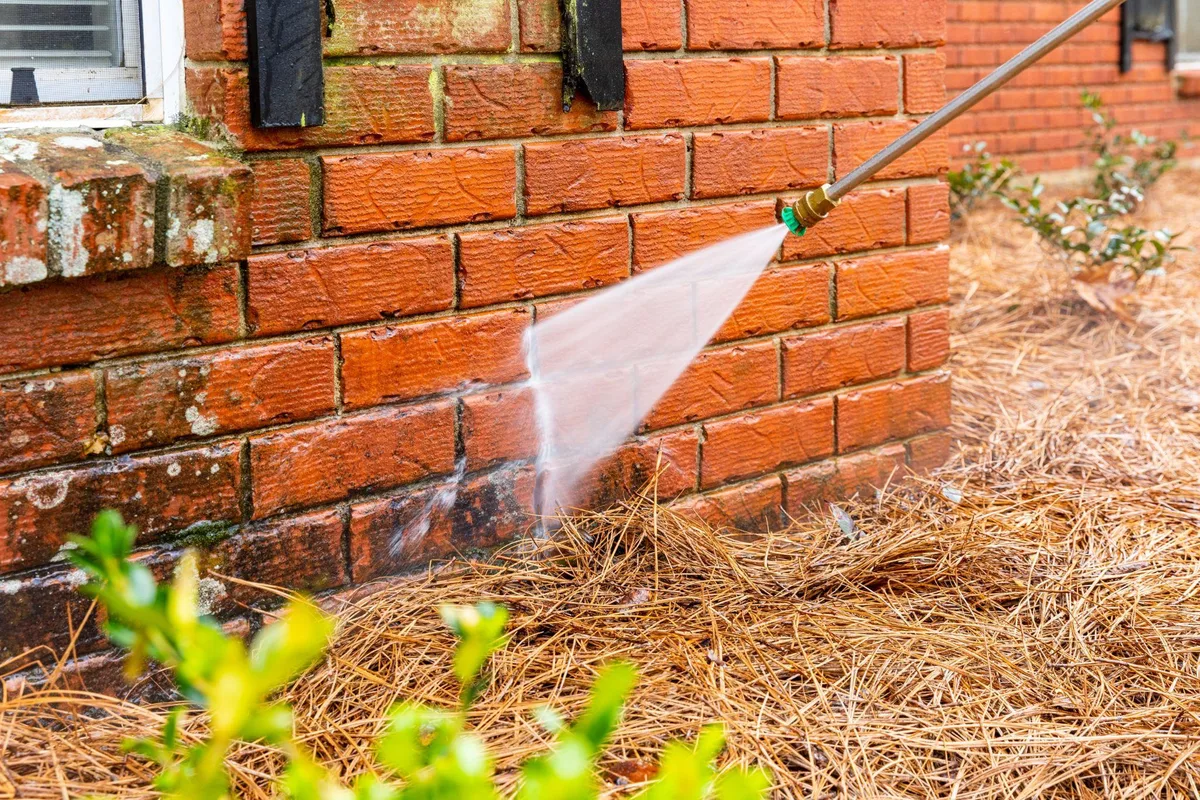
- Pressure Washer (1,500 to 2,000 PSI): Removes dirt, chalking paint, and surface efflorescence without destroying aged mortar joints.
- Stiff Nylon Wire Brush: Scrubs away stubborn dirt, mold, and loose mortar bits from deep brick pores.
- Acrylic Mortar Patch or Type N Mortar: Fills cracked mortar joints and re-points deteriorating seams.
- Distilled Water and pH Test Strips: Verifies substrate alkalinity prior to coating application.
2. Priming and Coating Equipment
- Alkali-Resistant Masonry Primer: Seals porous clay and neutralizes alkalinity.
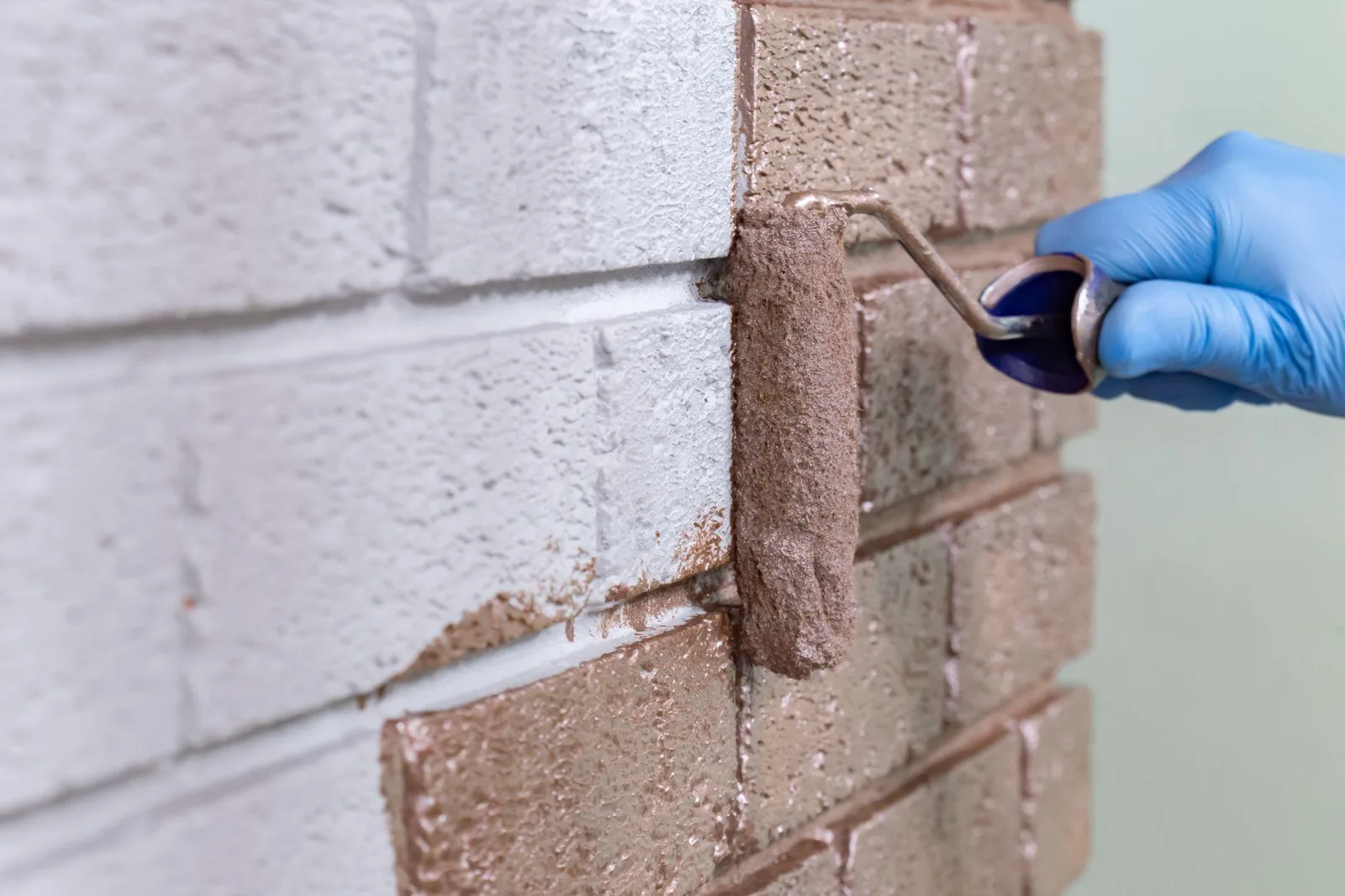
- 1-1/4 Inch Heavy-Nap Roller Sleeve: Forces liquid paint deep into rough brick texture and mortar recesses.
- Airless Paint Sprayer with 517 to 521 Tip: Delivers fast, uniform coating coverage across large exterior brick facades.
- 4-Inch Masonry Stain Brush: Back-brushes wet paint into recessed mortar joints and porous brick pockets.
If you are evaluating modern color schemes for your painted brick exterior or pairing dark body shades with white trim, explore our feature on what is color drenching for palette inspiration. If you prefer a semi-transparent or chalky antique look over solid paint, review our detailed guide on can you clean limewashed brick for maintenance rules. Learn more about our national brand standards via That 1 Painter.
“Pro Tip 2: Permeability Metrics: Elastomeric vs. Mineral Silicate Paints. Selecting topcoat paint for exterior brick requires analyzing water vapor transmission ratings (Perm ratings). Standard elastomeric paints form a thick rubbery membrane that excels at bridging hairline cracks, but their low Perm rating (under 10 Perms) can trap internal moisture inside clay brick during severe freeze-thaw cycles. For long-term performance on historic or soft clay brick, specify high-permeability mineral silicate paints or high-grade 100% acrylic coatings with a Perm rating above 25. High permeability allows internal water vapor to escape freely while blocking liquid rainwater from entering.”
Technical Comparison of Brick Coatings and Primers
This technical reference table breaks down primer and topcoat categories, drying profiles, vapor permeability, and application methods for brick painting.
- Acrylic Masonry Primer: Waterborne acrylic. High vapor permeability, alkali resistance up to pH 13. Apply with a heavy-nap roller or airless sprayer.
- 100% Acrylic Flat Latex: Waterborne polymer. Moderate to high vapor permeability (15 to 25 Perms), moderate alkali resistance (pH 10). Apply with an airless sprayer with back-brushing.
- Potassium Mineral Silicate: Inorganic silicate. Maximum vapor permeability (30+ Perms), high alkali resistance. Apply with a masonry brush or low-pressure spray.
- Elastomeric Coating: High-build acrylic. Low vapor permeability (5 to 10 Perms), high alkali resistance. Apply with a heavy-nap roller or high-pressure spray.
- Oil-Based Alkyd Paint: Solvent / alkyd. Zero vapor permeability (traps moisture), low alkali resistance (saponifies). Not recommended for exterior brick.
If you are refinishing exterior wood trim, fascia, or entry doors alongside your painted brick project, review our guide on painting cabinets with doors for smooth coating steps.
“Pro Tip 3: Wet Film Thickness (WFT) Management and Back-Rolling. Spraying paint onto rough brick without back-rolling creates pinholes (microscopic void pockets) where the paint film spans over deep brick pores without bonding. Pinholes allow rain to penetrate behind the paint film, leading to premature blister spots. When spraying exterior brick, deploy a two-person team: one technician operates the airless sprayer applying 6 to 8 mils Wet Film Thickness (WFT), while the second technician immediately back-rolls the wet pass with a 1-1/4 inch heavy-nap roller, forcing paint deep into mortar recesses.”
What Steps Should You Follow to Paint Brick Surfaces?
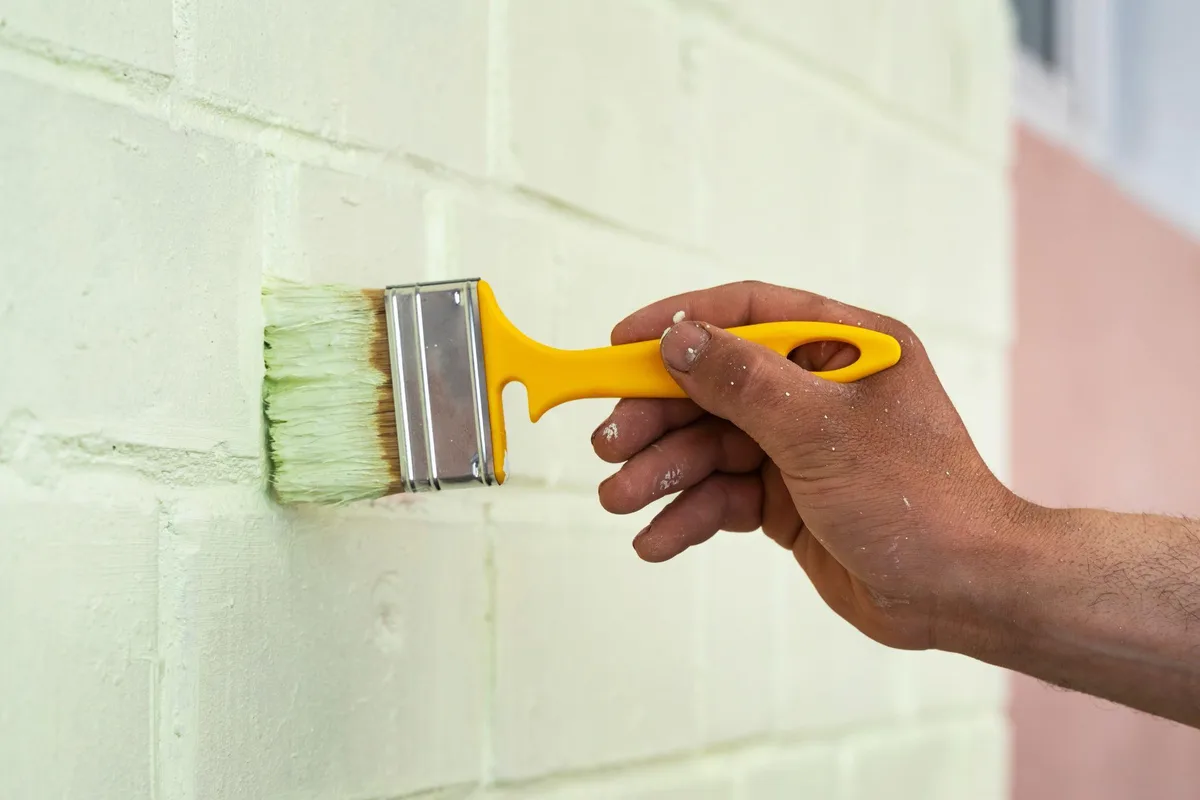
Follow this professional application process to ensure a long-lasting, weather-resistant finish on exterior or interior brick:
- Inspect and Repair Mortar Joints: Examine mortar lines for loose sand, cracks, or missing joint material. Scrape out damaged mortar and re-point using Type N masonry mortar or exterior acrylic mortar patch. Allow repairs to cure for 7 to 14 days.
- Clean and Degrease the Substrate: Pressure wash exterior brick at 1,500 to 2,000 PSI using a mild detergent cleaner to strip away dirt, chalking residue, and efflorescence. Scrub interior brick fireplaces with warm water and trisodium phosphate (TSP).
- Allow Complete Drying and Test pH: Let exterior brick dry for 3 to 7 dry days. Test surface alkalinity using distilled water and pH strips to confirm levels are below pH 10.
- Apply Alkali-Resistant Masonry Primer: Spray or roll one full coat of high-bonding acrylic masonry primer across all brick faces and mortar joints. Back-roll or back-brush to eliminate pinholes. Allow primer to dry for 4 to 6 hours.
- Apply First Topcoat of Permeable Paint: Apply a premium 100% acrylic or mineral silicate paint using a 1-1/4 inch nap roller or airless sprayer.
- Apply Second Topcoat: Allow the first topcoat to dry for 4 hours, then apply a second uniform coat to build complete film thickness and color depth.
If structural drywall damage, water leaks, or interior wall cracks require attention inside your home during exterior updates, utilize our expert drywall repair services. Combine brick painting with our complete exterior house painting services or interior house painting services for long-lasting home protection.
Environmental regulations enforced by the U.S. Environmental Protection Agency (EPA) limit Volatile Organic Compounds (VOCs) in architectural masonry coatings while establishing strict wash-water capture guidelines during exterior pressure washing operations.
What Are the Most Common Brick Painting Mistakes to Avoid?
Avoiding these common DIY execution errors ensures your painted brick withstands harsh weather cycles without peeling:
- Painting Over Wet or Damp Brick: Applying primer over damp brick traps water inside the clay core; as temperature rises, water pressure forces the paint off the wall.
- Using Oil-Based Paint on High-pH Masonry: Applying alkyd or oil paint over alkaline mortar causes saponification, turning the paint into a soft, sticky mess.
- Skipping Back-Rolling on Textured Brick: Spraying paint without back-rolling leaves thousands of pinholes where water penetrates behind the coating.
- Painting Unsealed Efflorescence: Applying paint directly over white salt deposits allows salt crystals to continue growing, pushing the paint film off the surface.
Answers to Common Questions About Painting Brick
Can you paint an interior brick fireplace?
Yes, you can paint an interior brick fireplace safely. Clean the brick with TSP to remove soot and oils, apply an acrylic stain-blocking bonding primer, and coat with heat-resistant, high-durability acrylic latex paint. Avoid painting the interior firebox brick exposed to direct flame.
Is painting exterior brick permanent?
While not completely permanent, painting brick is a long-term commitment. Once brick is painted, stripping it back to bare clay is extremely difficult and expensive. A professionally applied masonry paint system lasts 10 to 15 years before requiring a maintenance coat.
How long must new brick or fresh mortar cure before painting?
Fresh brick masonry and new mortar joints require a minimum of 28 days of curing time before applying primer or paint. Curing allows moisture levels to drop and alkalinity to stabilize below pH 10.
What is the best paint finish sheen for exterior brick?
Flat, matte, or low-luster (satin) sheens are ideal for exterior brick. Low-sheen finishes absorb light, masking subtle surface imperfections in clay brick while offering high vapor permeability.
Why is my painted brick peeling near the ground?
Painted brick peels near ground level due to "rising damp". Soil moisture absorbs into the lower courses of un-sealed brick and travels upward. If the paint film has low vapor permeability, trapped moisture pushes the coating off the brick face.
Workplace exposure and safety rules established by the Occupational Safety and Health Administration (OSHA) require proper eye protection, skin protection, and dust respirators when wire-brushing masonry, handling chemical cleaners, or spraying paints in residential settings.
Ready for Professional Masonry Preparation and Home Painting Services?
Testing substrate alkalinity, managing back-rolling on rough brick, selecting permeable coatings, and executing high-pressure surface prep require technical skill and professional equipment. Let our experienced painting teams handle your exterior or interior brick transformations safely and efficiently.
Note: Pricing estimates are based on 2026 regional averages. Every home is unique, and final quotes require an on-site assessment to account for material costs, prep work, and structural conditions.
Contact That 1 Painter today to schedule your detailed, obligation-free on-site estimate and give your property a crisp, durable finish. Book Your Free Professional Estimate Now
