"I had such a wonderful experience with this company and their performance at my home. They did such a fantastic job and…"
Spencer Flynn

because your brick deserves it.

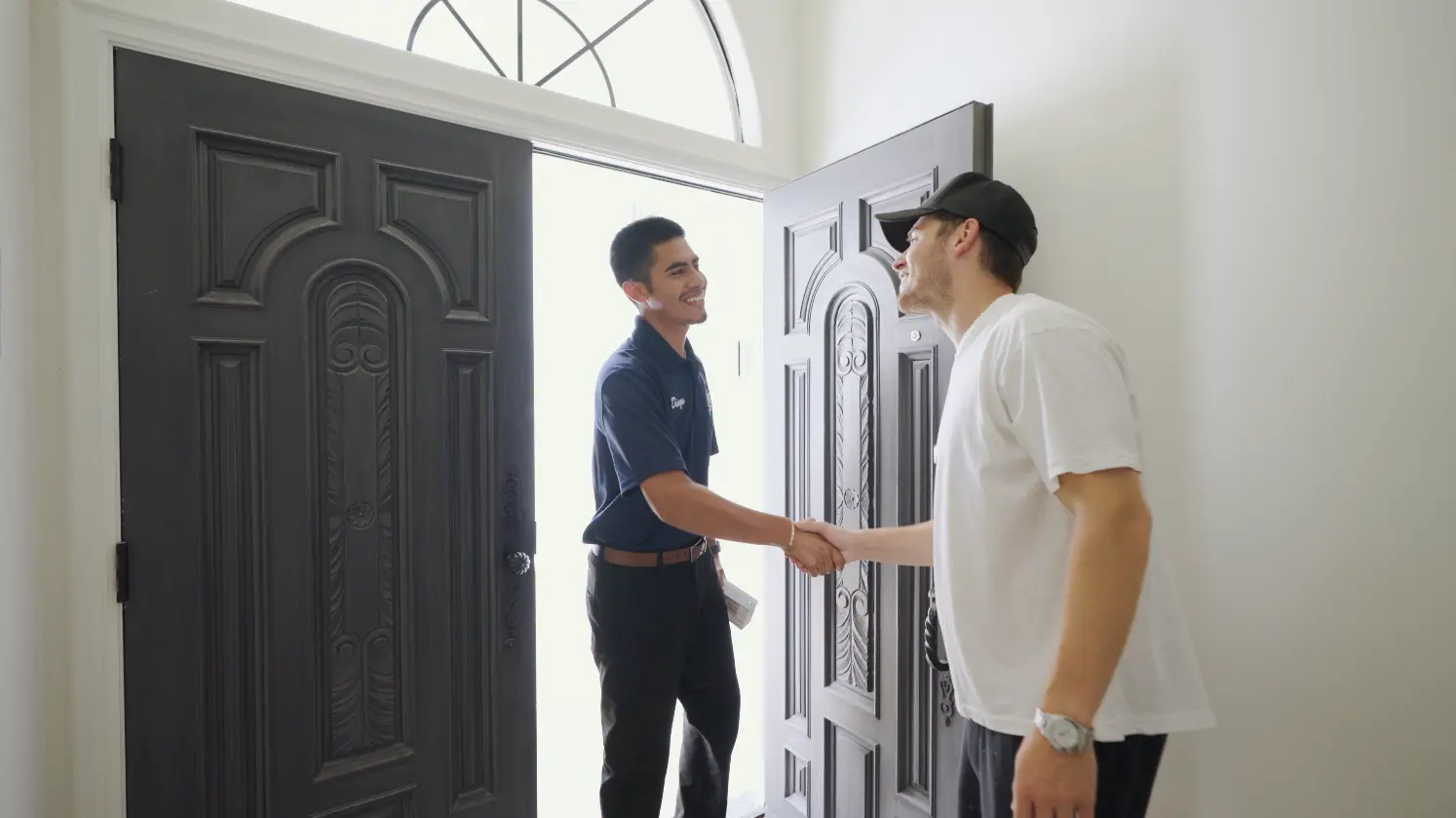
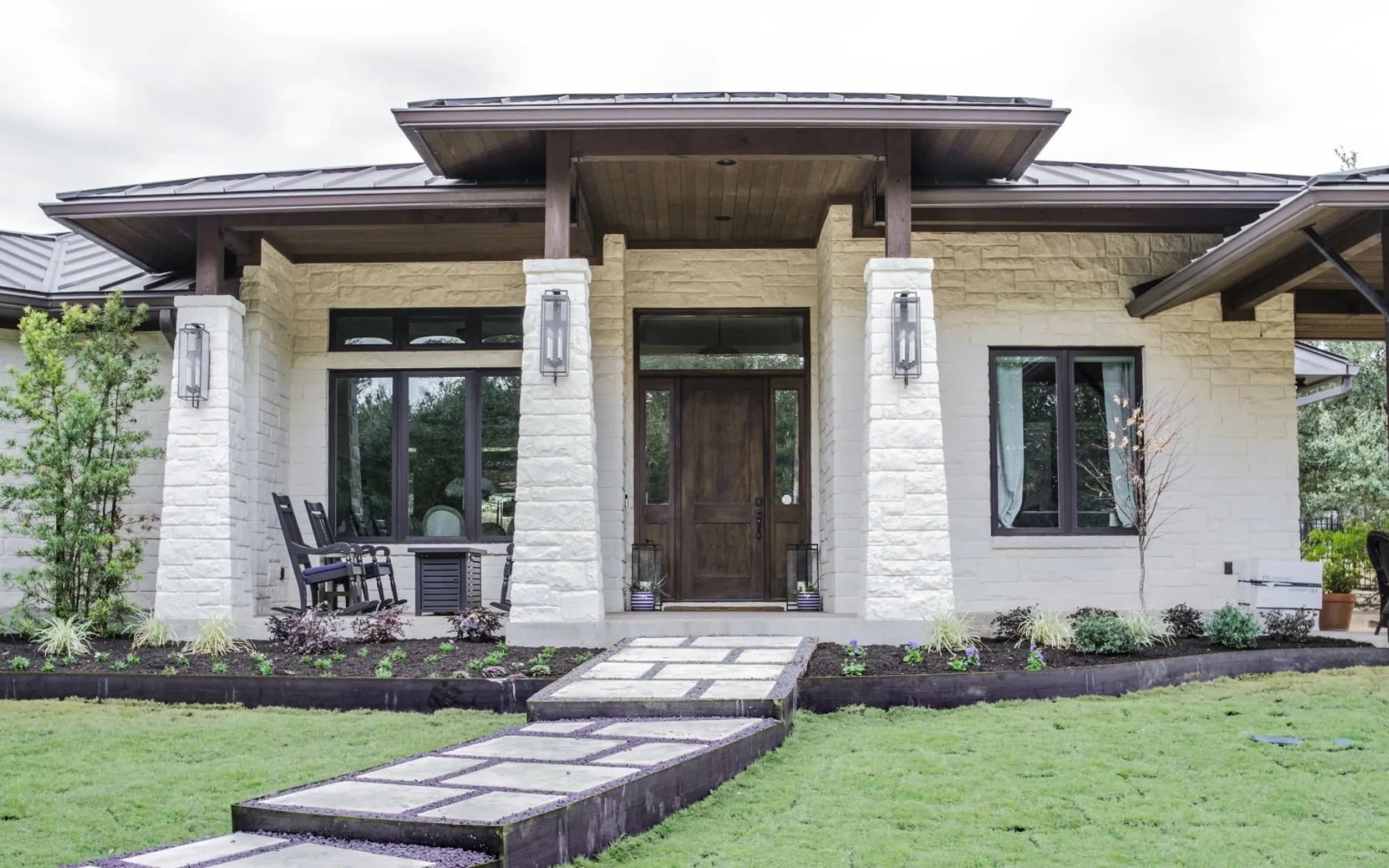
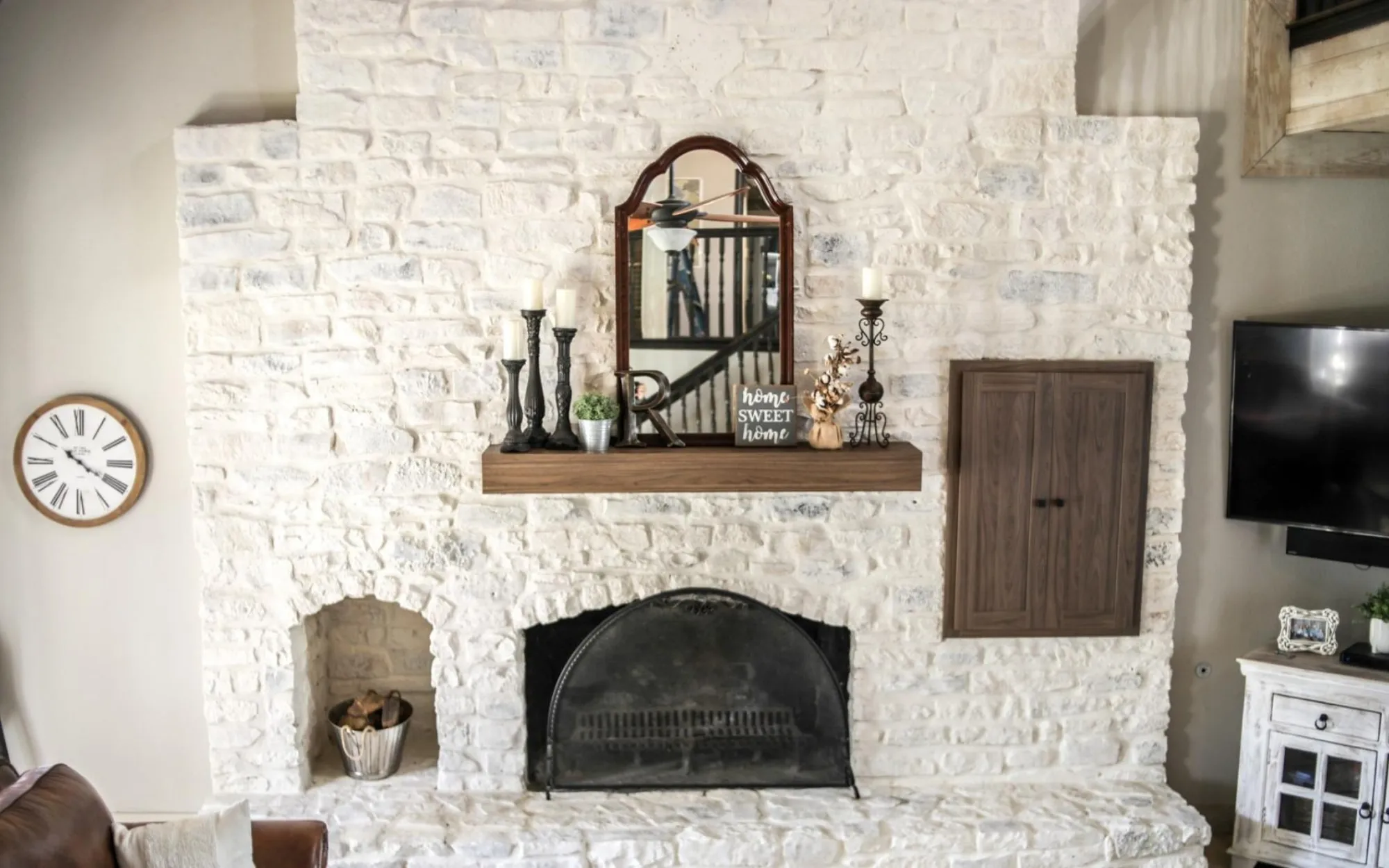
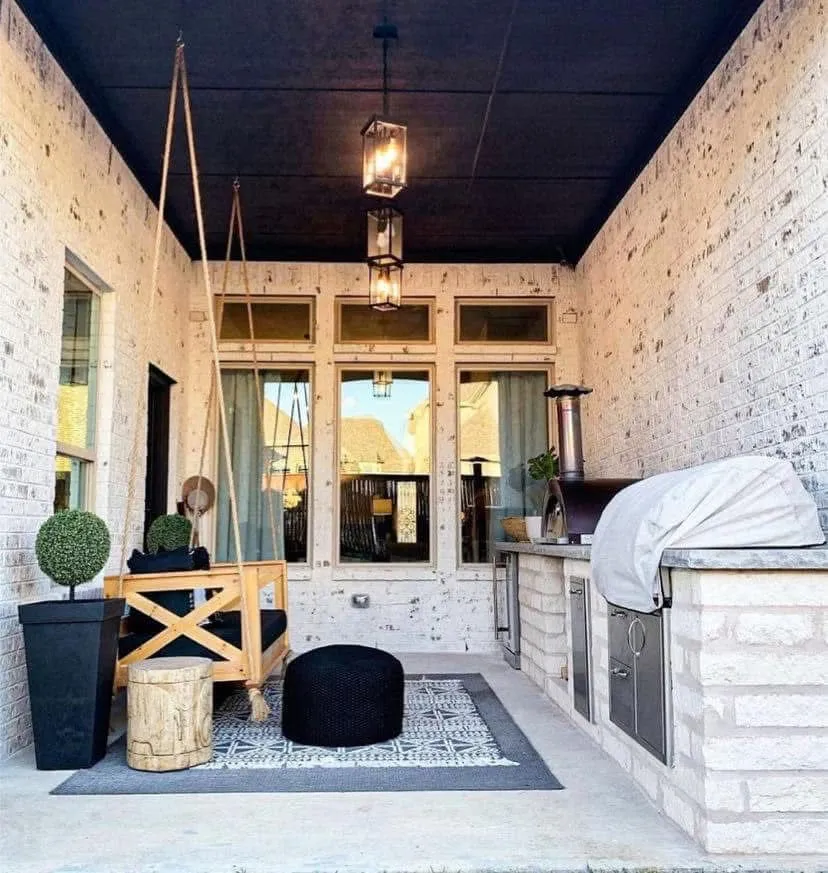
Limewash is variable by design. Your project manager evaluates the brick, stone, or stucco substrate, walks you through samples on actual material, and helps you choose color, opacity, and the level of patina you want.
Free Walkthrough & Color / Opacity Consultation. Limewash is variable by design. Your project manager evaluates the brick, stone, or stucco substrate, walks you through samples on actual material, and helps you choose color, opacity, and the level of patina you want.

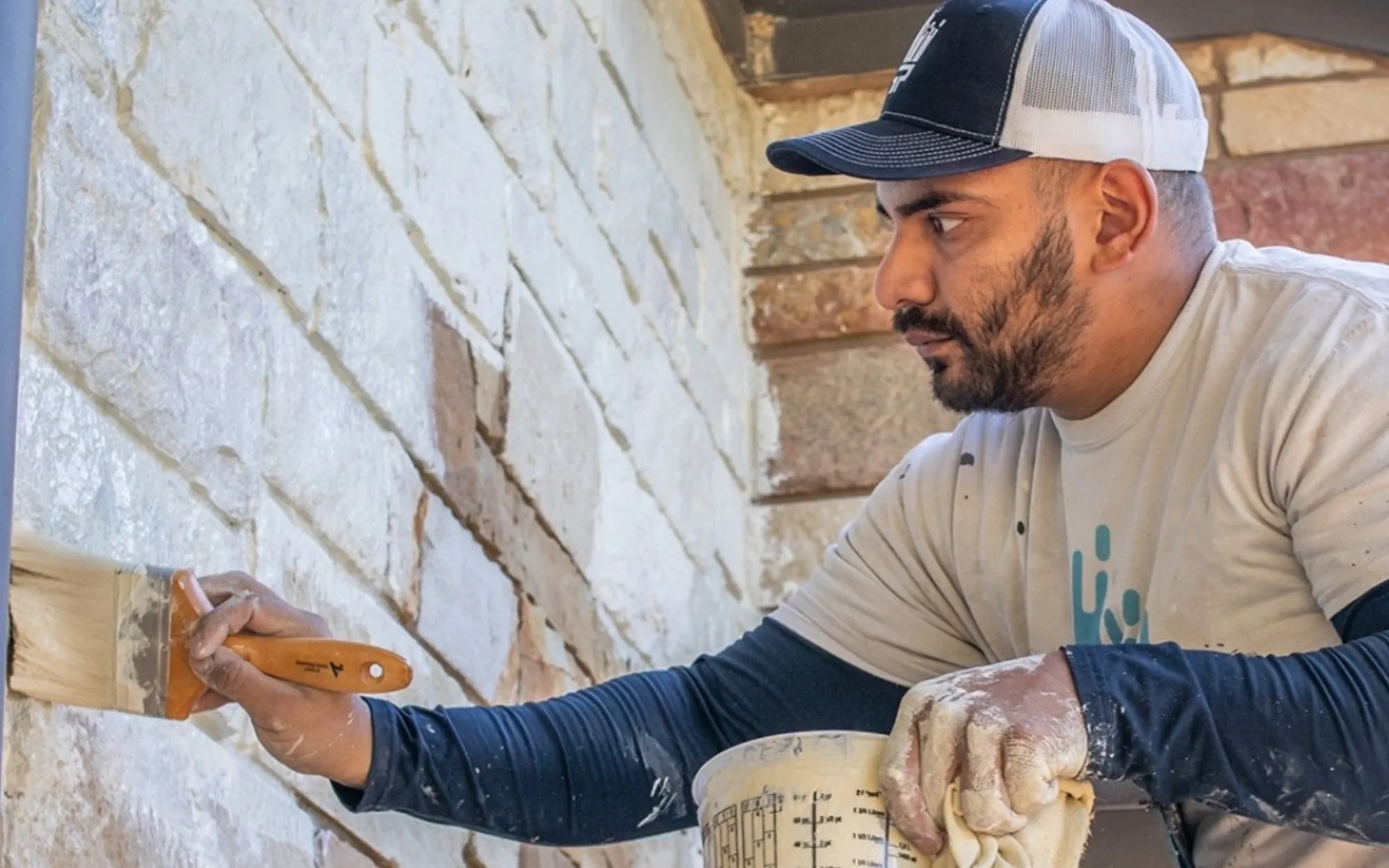
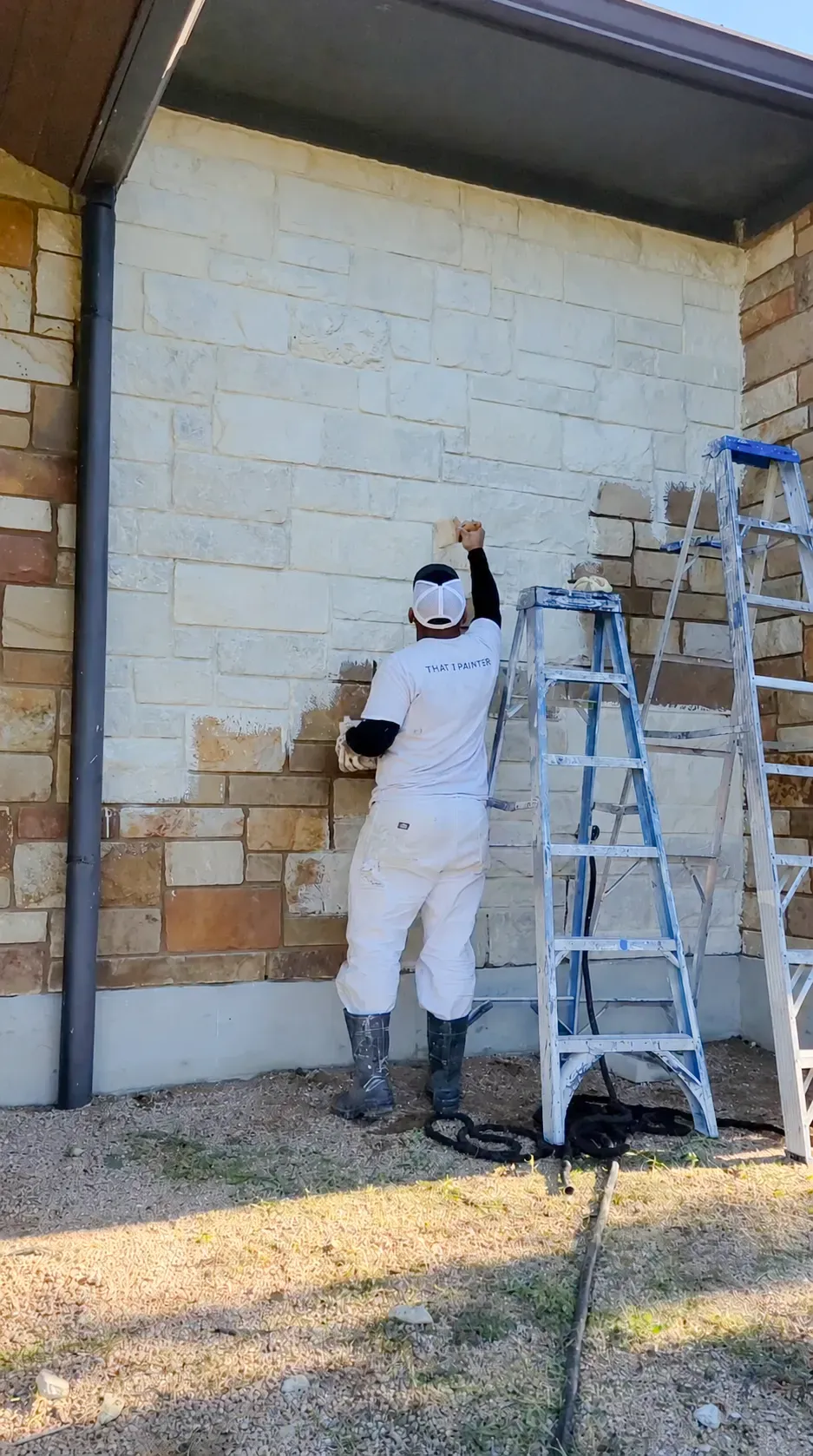
We clean the masonry, repair failing mortar, and let it dry. Just before application, the wall is misted to the right dampness, then limewash is brushed on wet-on-wet with intentional variation to produce the soft, mottled finish.
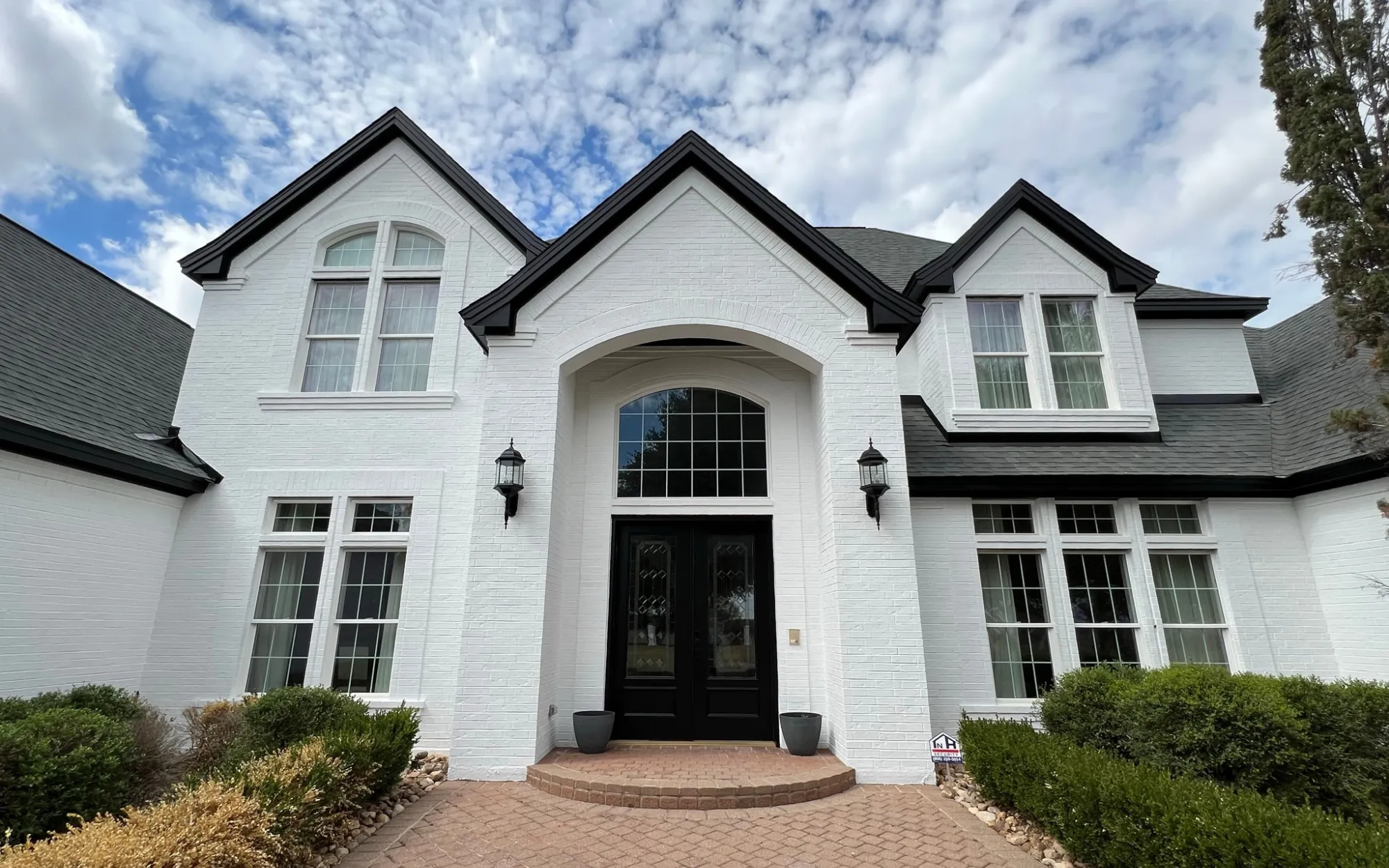
Masonry Prep, Mist, Brush in Layers. We clean the masonry, repair failing mortar, and let it dry. Just before application, the wall is misted to the right dampness, then limewash is brushed on wet-on-wet with intentional variation to produce the soft, mottled finish.

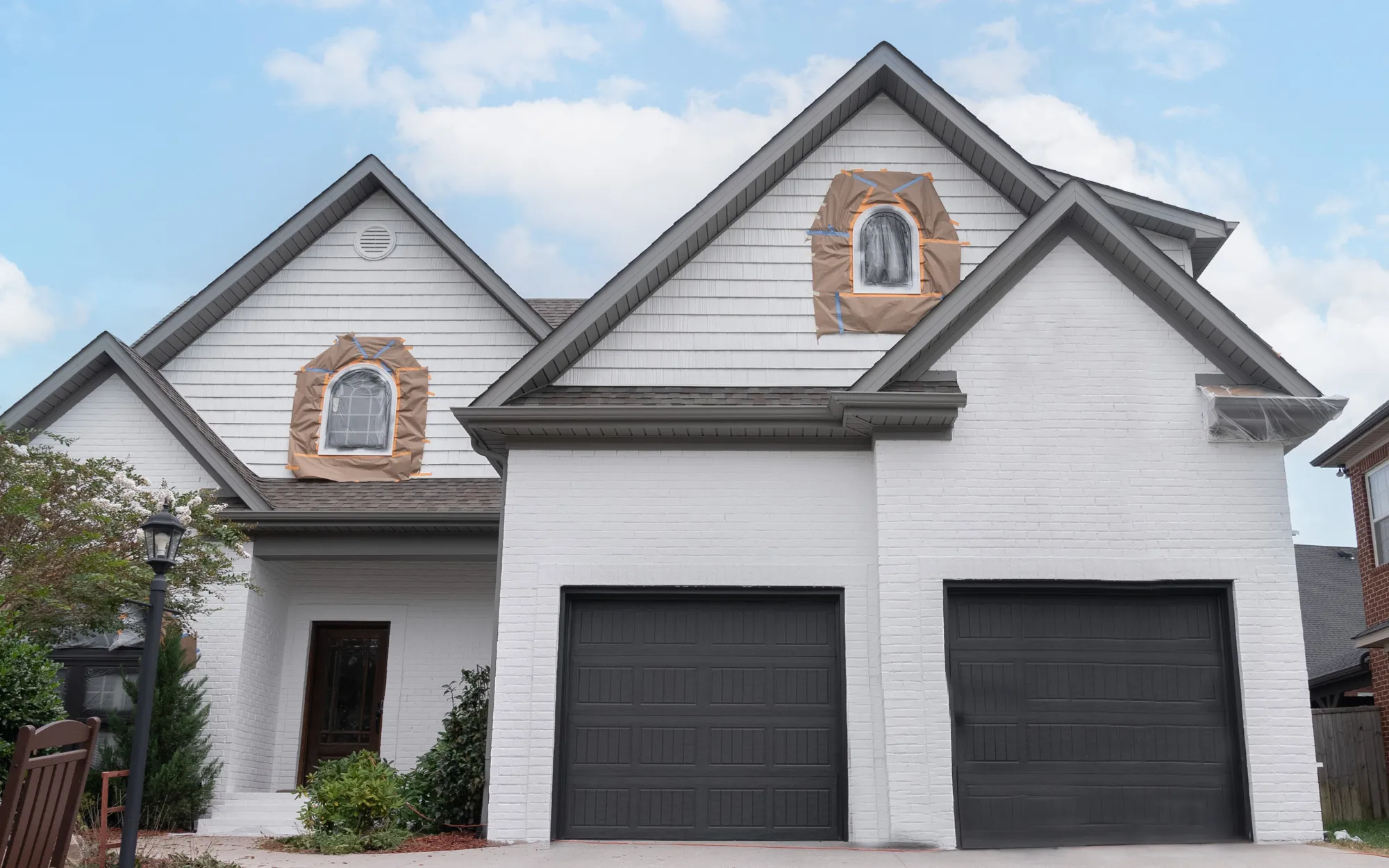
Limewash develops its final color as it cures over several days. During the first 5 days, opacity can still be adjusted by pressure-rinsing to lighten or layering to deepen, and we walk the home with you to dial in the look.
Cure, Adjustment Window & Final Walkthrough. Limewash develops its final color as it cures over several days. During the first 5 days, opacity can still be adjusted by pressure-rinsing to lighten or layering to deepen, and we walk the home with you to dial in the look.
Limewash is variable by design. Your project manager evaluates the brick, stone, or stucco substrate, walks you through samples on actual material, and helps you choose color, opacity, and the level of patina you want.
We clean the masonry, repair failing mortar, and let it dry. Just before application, the wall is misted to the right dampness, then limewash is brushed on wet-on-wet with intentional variation to produce the soft, mottled finish.
Limewash develops its final color as it cures over several days. During the first 5 days, opacity can still be adjusted by pressure-rinsing to lighten or layering to deepen, and we walk the home with you to dial in the look.
Number of Territories
0+
Number of Paint Jobs
0+
5-Star Reviews5-Star
Reviews5 Star Reviews
0+
"I had such a wonderful experience with this company and their performance at my home. They did such a fantastic job and…"
Spencer Flynn
"Excellent painting service. Andrés López was very professional from the first contact, meeting deadlines and delivering…"
Viviana Torres
"I had a great experience with this painting company especially with Andres. He was an excellent person from start to fin…"
Yamilet López
"Can't say enough about the job Junior and Fernanda did on our interior and outside stucco. They were attentive to detail…"
Brian Wheelis
Typical lifespan of properly applied limewash
industry standard
Perceived home value increase from refreshed brick exterior
industry analysis
More that high curb-appeal homes sell for
NAR
Trusted Paint Partners
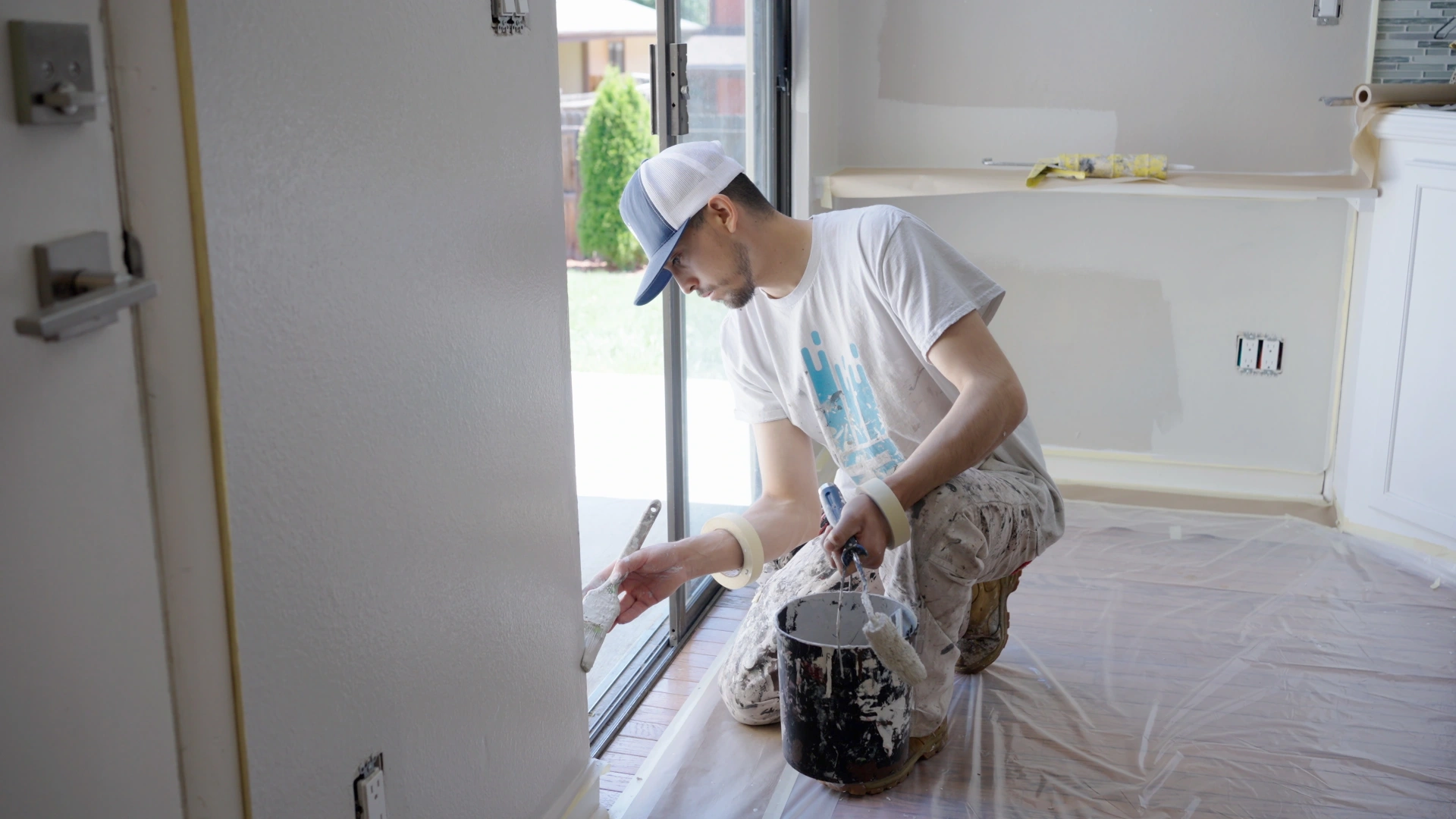
Your peace of mind, at the top of mind with our three-year transferable warranty. Covers the painting job, even if you sell the house.
Download WarrantyWhat is limewash, and how is it different from paint?
Limewash is a mineral coating made from slaked lime suspended in water, often with mineral pigments for color. Unlike paint, which forms a film on top of the surface, limewash chemically reacts with porous masonry, brick, stone, lime mortar, and stucco, and bonds into the substrate as it cures. The result is a soft, layered, mottled finish with depth and natural variation, and a coating that breathes vapor freely instead of sealing the wall. Paint is a uniform film. Limewash is part of the wall. That difference shapes everything: how it's applied, how it ages, and how long it lasts.
Limewash vs. paint for brick, which should I choose?
Choose limewash if you want a soft, organic, European-aesthetic finish that patinas over time, breathes well, and is partially adjustable within the first few days after application. Choose painted brick if you want a more uniform, opaque finish, a wider color range, and a longer reapplication cycle (15–20 years vs. ~5–7 for limewash). Both are valid choices, but they produce fundamentally different looks. Painted brick is essentially permanent and should be treated as a long-term commitment. Limewash weathers and softens, and most homeowners refresh it as part of the maintenance cycle. The right choice is the one that matches the look you actually want.
How long does limewash last?
True slaked-lime limewash typically needs a refresh every 5–7 years, depending on sun exposure, weather, and how much weathering you want before reapplying. Limewash is designed to weather and patina, that's part of the aesthetic, so "failure" is a fuzzier concept than with paint. Many homeowners enjoy the natural weathered look for several years before refreshing. Mineral silicate paints (a more permanent cousin of limewash) can last 15–20 years before needing a refresh. Limewash-look acrylics fall somewhere in between but lose the breathability advantage. The product type you choose directly determines the maintenance cycle.
Can limewash be removed or adjusted after application?
Partially, and this is one of limewash's biggest selling points compared to painted brick. Within roughly the first 5 days of application, while the limewash is still curing, you can pressure-rinse sections to lighten or remove coverage, exposing more of the underlying masonry. Many homeowners use this window to fine-tune the look, softening areas that read as too heavy, exposing more brick character in certain spots. After the limewash has fully cured (typically beyond 5–7 days), it bonds permanently into the masonry and behaves like a long-term finish. Removal at that point is much more difficult and isn't a casual decision.
Can limewash be applied to any surface?
No, limewash works only on porous mineral substrates. Best results come on unsealed brick, lime mortar, natural stone, and traditional stucco. It does not bond well to non-porous or sealed surfaces, so painted brick (without prep), vinyl, metal, plastic, glass, and most modern sealers are not appropriate substrates. If your brick has been previously painted with a film-forming coating, the paint must typically be removed before limewash can be applied, otherwise the limewash sits on the paint film and chalks off. Your project manager will inspect your specific substrate at the estimate and confirm whether it's a good candidate.
How is limewash applied?
By brush, in layers, on masonry that has been misted with water to the right level of dampness. The painter works wet-on-wet, intentionally varying coverage and opacity to produce the soft, mottled, organic look that distinguishes a real limewash finish from flat paint. Spray application is generally avoided because it produces a uniform finish that loses the painterly character limewash is chosen for. The technique requires patience and skill, the painter is essentially building up tone the way an artist builds up a watercolor wash. Heavy coverage produces a more opaque, painterly look; lighter coverage lets more masonry character show through.
Does limewash patina over time?
Yes, intentionally, and that's part of why people choose it. As limewash weathers, it softens, lightens slightly in some areas, and develops subtle tonal variation. Homeowners typically describe the patina as "settling in", the finish looks less brand-new and more like it has always been there. The patina is most pronounced on south-facing and west-facing walls in full sun. Many homeowners enjoy the patina for years before refreshing the coating. If a uniform, unchanged appearance is important to you, paint is the better choice. If natural aging and depth are part of the appeal, limewash is doing exactly what it should.
What are the best limewash colors?
Warm whites and off-whites dominate by a wide margin, they produce the signature soft, layered look that flatters most brick, stone, and stucco. Earth tones (taupe, mushroom, sand, warm stone greys) read as old-world and natural, especially on transitional architecture. Charcoal, smoky black, and deep mineral pigments produce a moody, dramatic finish that has grown popular for contemporary and modern-farmhouse exteriors. Limewash colors look best when they complement the natural undertones of the underlying masonry, so the same color can read very differently on red brick versus tan brick versus stone. Sample boards on your actual masonry are essential before committing.
How does limewash cost compare to brick painting?
Limewash typically runs $2,500–$8,000 nationally for a residential exterior, while standard acrylic brick painting runs $3,500–$10,500. Limewash projects often cost less per square foot because the application is simpler (no primer system, faster coverage), but the savings are partially offset by the skill required to do it well and the shorter reapplication cycle. Over a 20-year horizon, brick painting (one project lasting 15–20 years) often comes out comparable in total cost to limewash (multiple refreshes every 5–7 years). The decision should be driven by the look you want, not just upfront cost.
DIY limewash vs. professional, what's the real difference?
DIY limewash is technically possible, products are available at many specialty retailers, but the technique is unforgiving. Common DIY failures include: limewash applied to dry masonry that flashes off and chalks, blotchy uneven coverage, the wrong opacity for the desired look, missing the adjustment window for fine-tuning, and applying limewash over substrates it doesn't bond to. A professional brings the prep judgment (right level of misting, right substrate assessment), the layering technique that produces the painterly look, and the experience to use the adjustment window effectively. The product cost is similar; the labor and result are not.
Expert tips, how-to guides, and inspiration for your next limewash project.

Swipe to explore →

Limewash paint is a mineral-based finish made from slaked limestone that creates a breathable, matte, Old World texture on brick, stone, and stucco.
Read More →
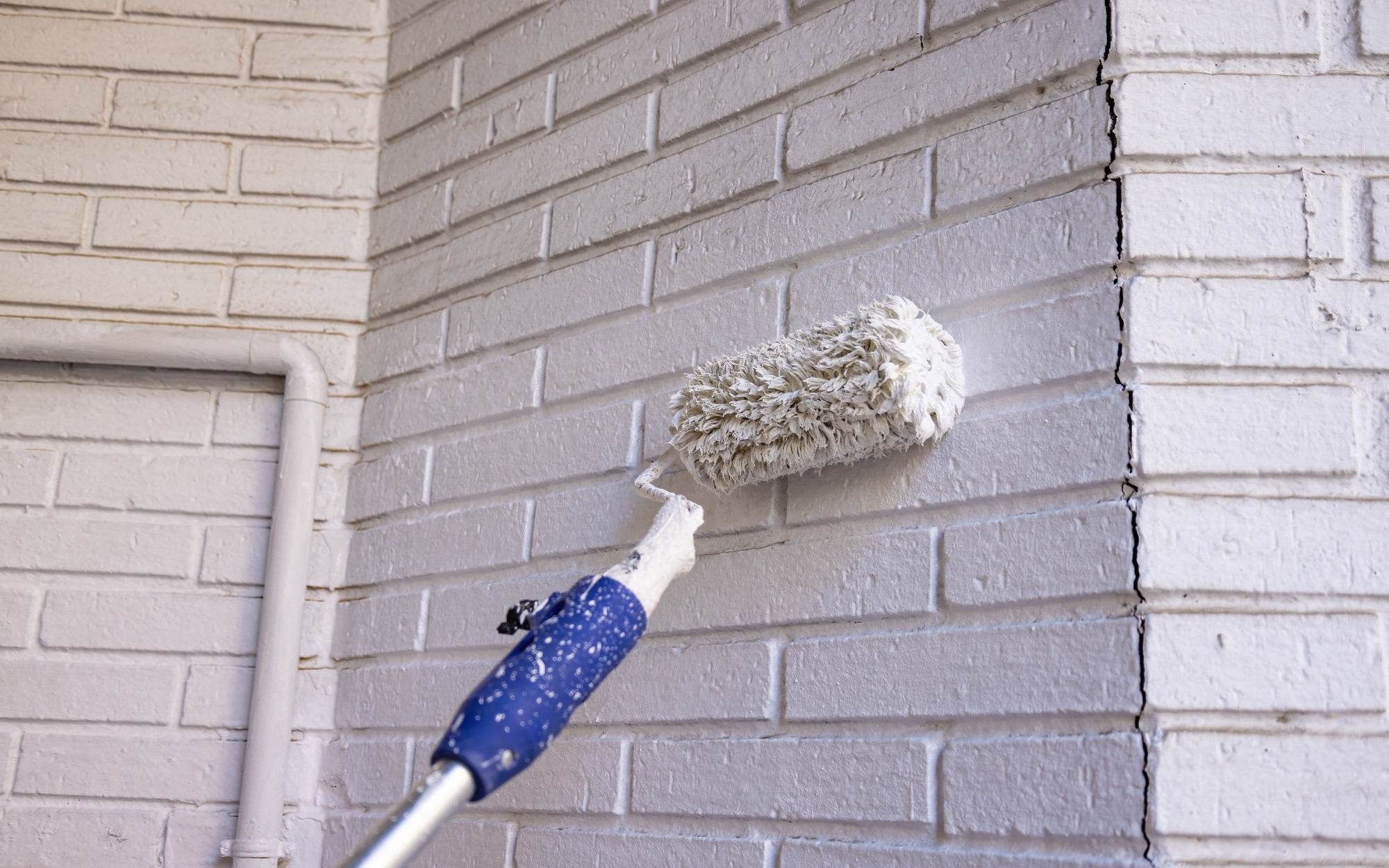
Painting brick is one of the most common exterior questions homeowners ask, and also one of the easiest places to make costly mistakes.
Read More →

Color drenching breaks all the rules by applying a single color across every surface in a room.
Read More →