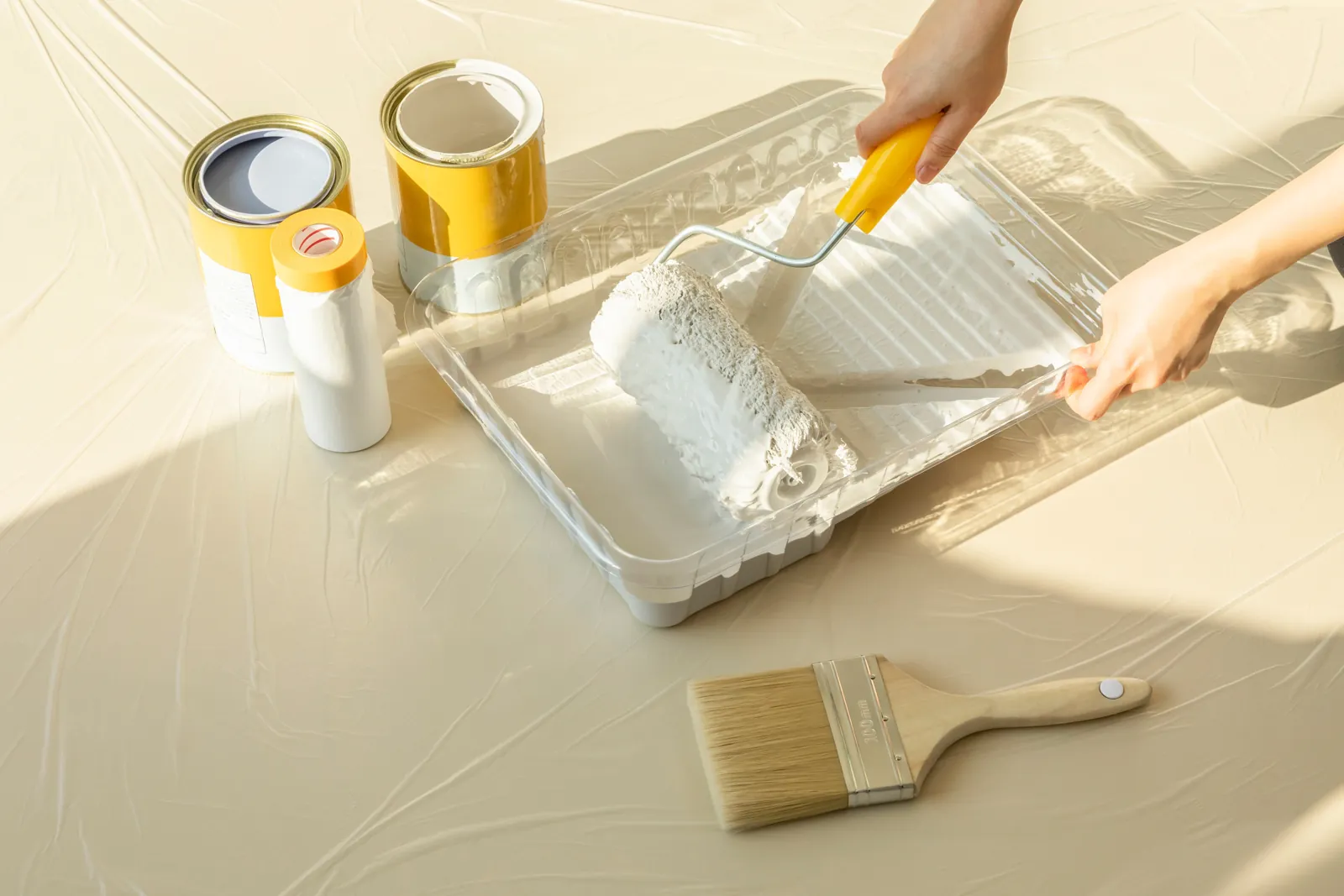
By Mary C.
To use Sherwin-Williams Duration paint correctly, start with the instructions printed on the label. Apply the paint when temperatures are above 50°F, and do not thin it, because the product instructions state that no reduction is necessary. Use a nylon/polyester brush or a high-quality polyester roller cover for a smooth, consistent finish. Following these basic manufacturer guidelines, along with good surface prep, puts you on the right track for a durable, professional-looking result.
Duration is a premium acrylic coating, and premium paint only performs as designed when it is applied as designed. Many DIY problems come from ignoring the label. Painting in the cold, thinning paint that does not need it, or using the wrong roller cover can all cause poor coverage, roller marks, or weak adhesion.
Regional weather shifts, seasonal humidity, and local building materials heavily influence how Duration goes on and dries. In humid Southern coastal climates, high moisture slows drying, so allow extra time between coats and avoid painting exterior surfaces when dew is expected. In high-altitude Western regions with arid air and strong sun, waterborne paint can set up quickly, so work in shaded sections and keep a wet edge. In Northern homes subject to freeze-thaw cycles, the 50°F minimum matters most in spring and fall, when surfaces stay colder than the air for hours after sunrise. Below is a complete application guide detailing how to use Sherwin-Williams Duration paint for professional-grade results.
Quick Reference Summary for Applying Sherwin-Williams Duration
- Temperature Rule: Apply Duration only at temperatures above 50°F, per the product label.
- Thinning Rule: No reduction is necessary, according to the product instructions. Use it straight from the can after mixing.
- Brush Choice: Use a nylon/polyester brush for cutting in, trim, and detail work.
- Roller Choice: Use a high-quality polyester roller cover for a smooth, consistent finish on walls and siding.
- Golden Rule: Read the label first. Follow the manufacturer's instructions on prep, application, and recoat timing.
Why Should You Start With the Label?
The label is the easiest and most reliable place to learn how to use Duration. The manufacturer tests its coatings under controlled conditions and prints the key application limits right on the can. That information is specific to the product you are holding.
Sherwin-Williams sells Duration in different versions for interior and exterior use. The application details can vary between products, so always read the label on your specific can rather than relying on general advice. Look for the temperature range, recommended tools, thinning guidance, surface prep steps, and dry and recoat times.
Reading the label also helps you avoid common assumptions. Many painters thin paint out of habit, or grab whatever roller is in the garage. With Duration, the label states that no reduction is necessary and recommends specific tool types. Following those points removes most of the guesswork. For a deeper look at how this product performs, read our Sherwin-Williams Duration review.
“Pro Tip 1: Measure the Surface Temperature, Not Just the Air. The 50°F guideline applies to the conditions where the paint is going on. On cool mornings, siding, masonry, and exterior walls can stay colder than the air. An inexpensive infrared thermometer lets you check the surface directly before you open the can.”
You can find the current product data sheet and safety data sheet for Duration on the Sherwin-Williams website, which lists recommended application temperatures, spread rates, and recoat times.
What Temperature Should You Apply Duration Paint At?
Apply Duration at temperatures above 50°F, according to the product label shown in the video. Temperature affects how waterborne acrylic paint flows, levels, and forms a continuous film as it dries.
When it is too cold, the paint may not form a proper film. That can lead to poor adhesion, cracking, or a chalky, uneven finish. Cold also slows drying, which leaves the coating vulnerable to dew, rain, or dust for longer.
For exterior projects, plan around the forecast as well as the current temperature. The temperature should stay above the minimum while the paint dries, not just while you apply it. Start after the morning chill lifts and stop early enough that the paint can set before evening temperatures drop. Our guide on how warm it should be to paint outside covers seasonal timing in more detail.
Interior projects are easier to control. Keep the heat on during cold months and avoid painting exterior-facing walls in unheated rooms until the space warms up.
Do You Need to Thin Sherwin-Williams Duration?
No. According to the product instructions, no reduction is necessary for Duration. Thinning means adding water or another reducer to make paint flow more easily, and this paint is formulated to be used as packaged.
Adding water when it is not needed dilutes the coating. That can reduce hide, lower the dry film thickness, and weaken the finish. You may end up needing extra coats to reach the coverage the paint was designed to deliver in its original form.
Instead of thinning, mix the paint thoroughly before use. Stir from the bottom of the can to blend any settled solids. If you are using several gallons of the same color, combine them in a larger bucket, a practice called boxing, to keep the color consistent across the entire wall.
Which Brushes and Rollers Work Best With Duration?
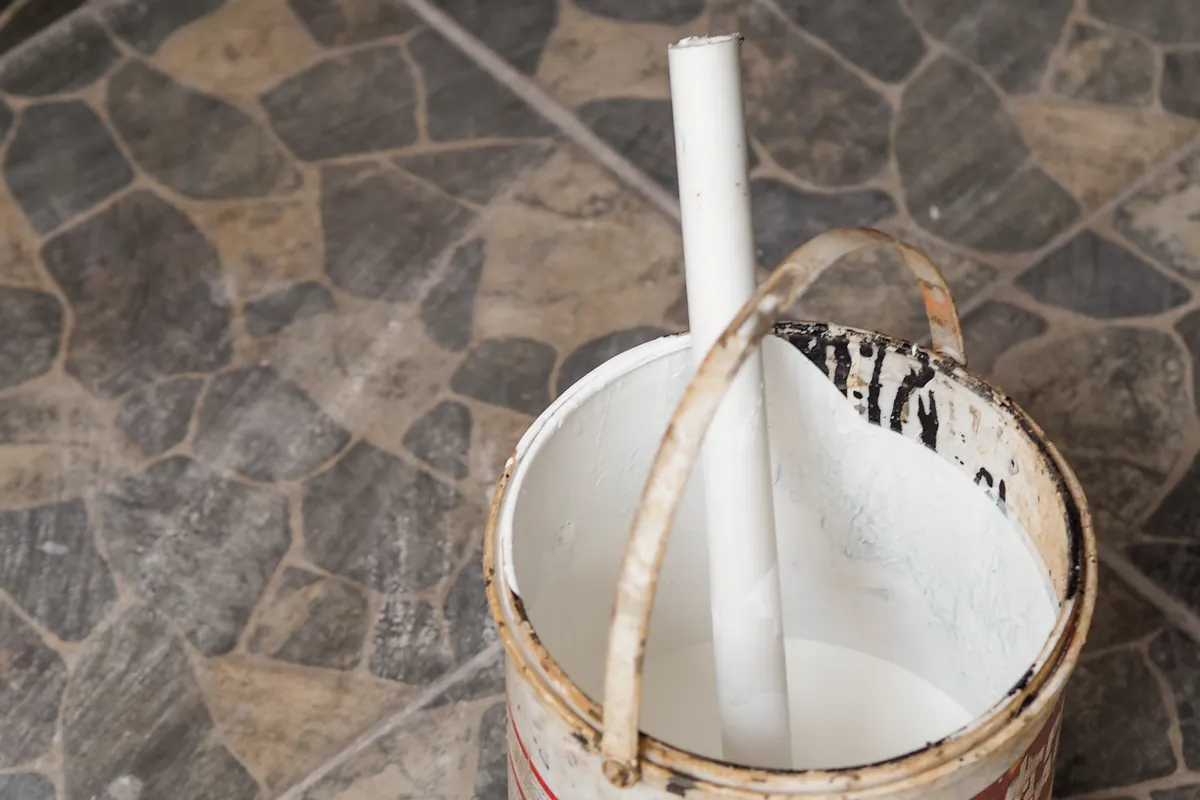
For application, the video recommends a nylon/polyester brush or a high-quality polyester roller cover. These tool types are designed to work well with waterborne acrylic coatings.
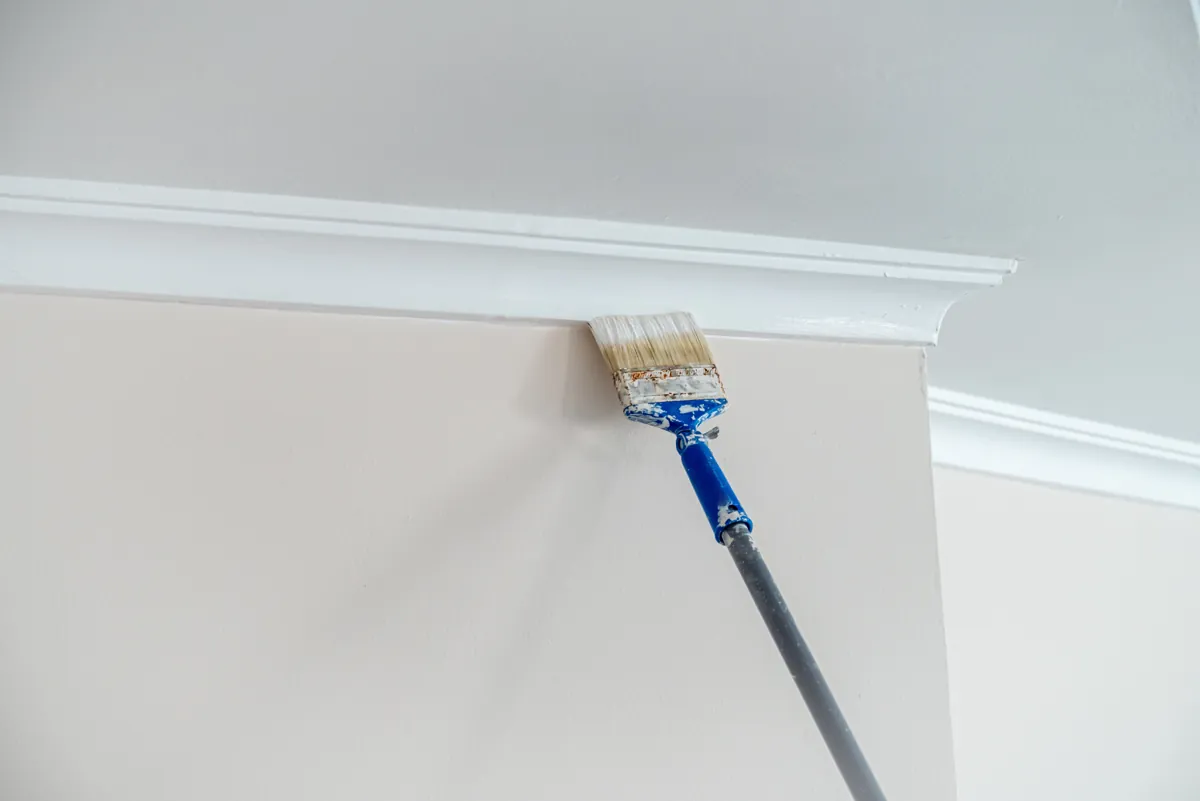
- Nylon/Polyester Brushes: A nylon/polyester blend combines the smooth release of nylon with the stiffness of polyester. The bristles hold their shape in waterborne paint instead of going limp. That helps you cut clean lines along ceilings, trim, and corners. A 2- to 2.5-inch angled sash brush handles most cutting-in work.
- High-Quality Polyester Roller Covers: A quality polyester roller cover picks up paint evenly and releases it smoothly. Cheap covers shed lint into the finish and leave uneven texture. Choose the nap thickness based on the surface. Smooth drywall generally takes a shorter nap, while textured walls, stucco, or rough siding need a longer nap.
- Why Tool Quality Matters: Premium paint applied with poor tools rarely looks premium. Lint, stray bristles, and uneven roller release cause most of the visible defects in DIY paint jobs. Learn more in our guide on what paint roller nap you should use.
“Pro Tip 2: Pre-Wet and De-Lint Your Roller Cover. Before loading a new polyester roller cover, wrap it with painter's tape and pull it off to remove loose fibers. Then dampen it slightly with water and spin out the excess. A pre-conditioned cover absorbs paint evenly and lays down a smoother first pass.”
Technical Comparison of Application Tools for Duration
This reference table compares common application tools, where they work best, and how they perform with a waterborne coating like Duration.
- Nylon/polyester brush: Yes, per the label guidance shown. Cutting in, trim, doors, details. Clean lines, smooth release.
- High-quality polyester roller cover: Yes, per the label guidance shown. Walls, ceilings, siding. Smooth, consistent texture.
- Natural bristle brush: Not recommended for waterborne paint. Oil-based coatings. Bristles swell and drag in water-based paint.
- Low-cost generic roller cover: Not recommended. Rough utility work only. Lint, streaks, uneven coverage.
Step-by-Step Guide on How to Apply Sherwin-Williams Duration
Follow this professional process to apply Duration smoothly and consistently.
- Read the Label: Confirm the temperature range, prep requirements, and dry and recoat times for your specific Duration product.
- Check Conditions: Make sure air and surface temperatures are above 50°F and will stay there while the paint dries.
- Prepare the Surface: Clean dirt, grease, and mildew. Scrape loose paint, fill holes, sand glossy areas, and prime bare or patched spots where the label calls for it.
- Mix Without Thinning: Stir thoroughly and box multiple gallons together. Do not add water, since no reduction is necessary.
- Cut In With a Nylon/Polyester Brush: Paint edges, corners, and trim lines first, working in manageable sections.
- Roll With a Polyester Cover: Roll the field while the cut-in edges are still wet. Keep a wet edge and finish each wall in long, even strokes.
- Respect Recoat Times: Wait the full recoat time listed on the label before applying a second coat.
What Are the Most Common Mistakes When Using Duration?
- Painting in the Cold: Applying below 50°F risks poor film formation and adhesion.
- Thinning Out of Habit: Adding water dilutes a coating that the label says needs no reduction.
- Using the Wrong Tools: Natural bristles and cheap roller covers leave streaks, lint, and drag marks.
- Skipping Prep: Even premium paint fails on dirty, glossy, or flaking surfaces.
- Recoating Too Soon: Rolling over tacky paint can pull the first coat and leave texture.
“Pro Tip 3: Strain Any Can That Has Been Opened Before. Partly used cans of Duration often collect dried skins around the rim and lid. Those bits end up in the roller cover and show as specks in the finished wall. Pour leftover or touch-up paint through a mesh paint strainer into a clean bucket before you use it. It takes a minute and keeps a thick, high-build coating like Duration looking smooth.”
Answers to Common Questions About Using Sherwin-Williams Duration
Do you need to thin Sherwin-Williams Duration?
No. According to the product instructions, no reduction is necessary. Mix it well and apply it straight from the can.
What is the minimum temperature for applying Duration?
The label shown in the video calls for application at temperatures above 50°F. Conditions should stay above that level while the paint dries.
What brush should I use with Duration paint?
Use a nylon/polyester brush. This blend holds its shape in waterborne paint and helps you cut clean, smooth lines.
What roller cover is best for Duration?
Use a high-quality polyester roller cover. Choose a shorter nap for smooth walls and a longer nap for textured surfaces.
Can I use Duration on both interior and exterior surfaces?
Sherwin-Williams offers Duration in interior and exterior versions. Use the version made for your surface, and follow the instructions on that specific label.
Sherwin-Williams publishes product data sheets and safety data sheets for its coatings, and the U.S. Environmental Protection Agency (EPA) recommends good ventilation whenever you paint indoors.
Ready for Professional Interior and Exterior Painting?
Checking conditions, prepping surfaces, choosing the right tools, and applying premium coatings evenly require technical skill and experience. Let our experienced interior painting and exterior painting teams handle your next Duration project safely and efficiently.
Note: Pricing estimates are based on 2026 regional averages. Every home is unique, and final quotes require an on-site assessment to account for material costs, prep work, and structural conditions.
Contact the team at That 1 Painter today to schedule your detailed, obligation-free on-site estimate, and give your property a smooth, long-lasting finish. Book Your Free Professional Estimate Now
