By Mary C.
Use a 3/8-inch paint roller nap for smooth interior drywall, a 1/2-inch nap for light to medium textured walls, and a 3/4-inch or thicker nap for rough exterior surfaces like brick, stucco, or deep wood siding. For ultra-smooth work such as cabinets and metal doors, drop to a 1/4-inch nap. Getting nap length right is what gives you proper paint release, no spatter, and full coverage across an uneven surface.
Quick Reference: Paint Roller Nap Sizes
Nap refers to the length of the fibers on the roller sleeve. Too short on a textured wall and you starve the crevices, forcing you to press hard on the frame, which leaves roller marks. Too thick on smooth drywall and you lay down a heavy stipple that ruins the look of a modern flat or satin finish.
- 1/4-inch nap: ultra-smooth surfaces including metal doors, cabinets, plaster, and trim.
- 3/8-inch nap: standard smooth interior drywall, ceilings, and previously painted walls.
- 1/2-inch nap: orange peel texture, knockdown drywall, acoustic ceilings, and paneling.
- 3/4-inch to 1-1/4-inch nap: rough exterior masonry, stucco, split-face block, and brick.
Climate and construction style matter too. Humid coastal regions soften drywall joint compound, so a 3/8-inch microfiber cover avoids tearing wet paper backing. Arid mountain climates with porous plaster and heavy knockdown drink paint fast, so a high-density 1/2-inch or 3/4-inch woven cover carries the wet film you need. Older northern homes with bevel wood siding call for a 3/4-inch wool blend to push paint into open grain during a short coating season.
What Is the Best Paint Roller Nap for Smooth Drywall?
Smooth drywall needs a thin, dense fiber profile that lays a flat film without leaving visible roller texture behind.
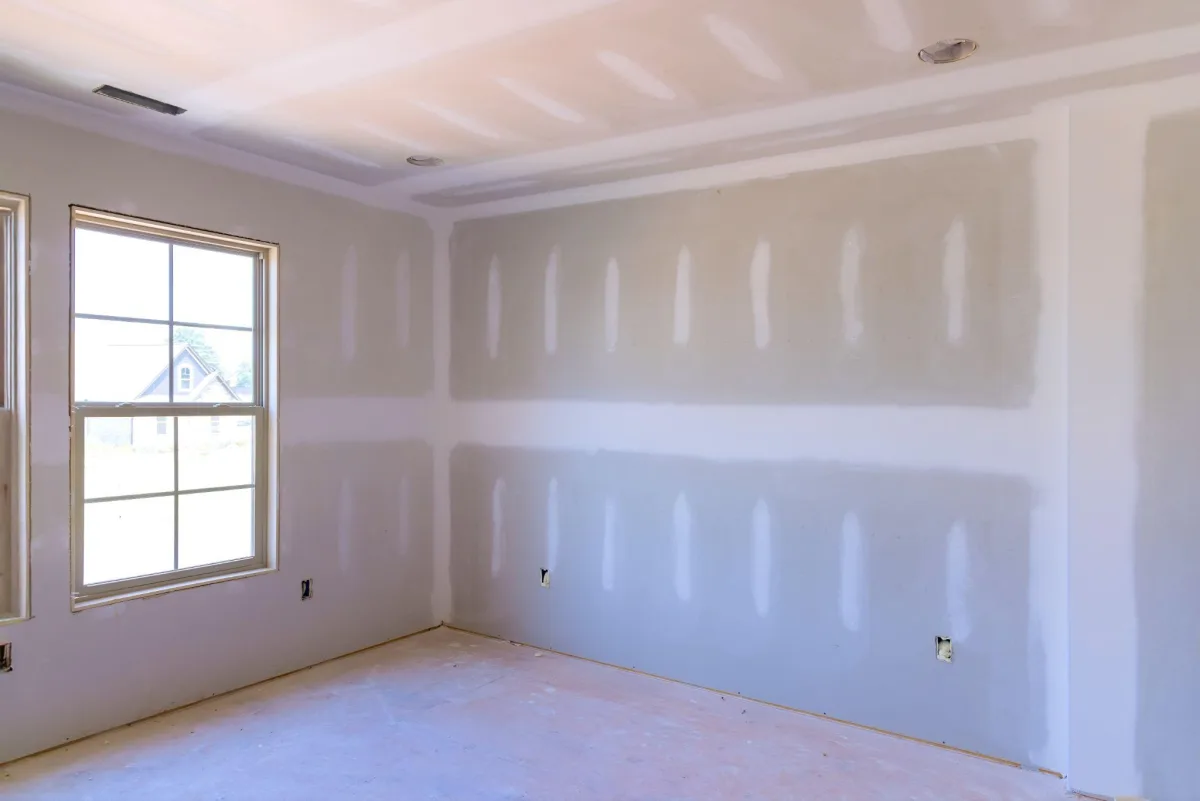
For untextured walls and smooth ceilings, a 3/8-inch nap is the industry standard. It holds enough paint to cover roughly 100 square feet per dip while keeping the finish tight and uniform. Technical standards from the Master Painters Institute recommend micro-filament woven sleeves on smooth drywall to minimize fiber shedding and orange peel texture.
If you are working from cans that have been sitting in the garage, check our guide on whether you can use old paint to confirm the material is still consistent before you load a roller.
“Pro tip: cheap roller covers use knitted fibers glued to a paper core, and they shed fuzz into fresh paint. Before the first dip, wrap painter's tape around the sleeve and pull it off fast. That lifts manufacturing lint off the cover instead of off your wall later.”
What Is the Best Paint Roller Nap for Textured Walls?
Textured surfaces have peaks, valleys, and crevices that need longer fibers to carry paint into the recesses.
Orange Peel and Knockdown Textures
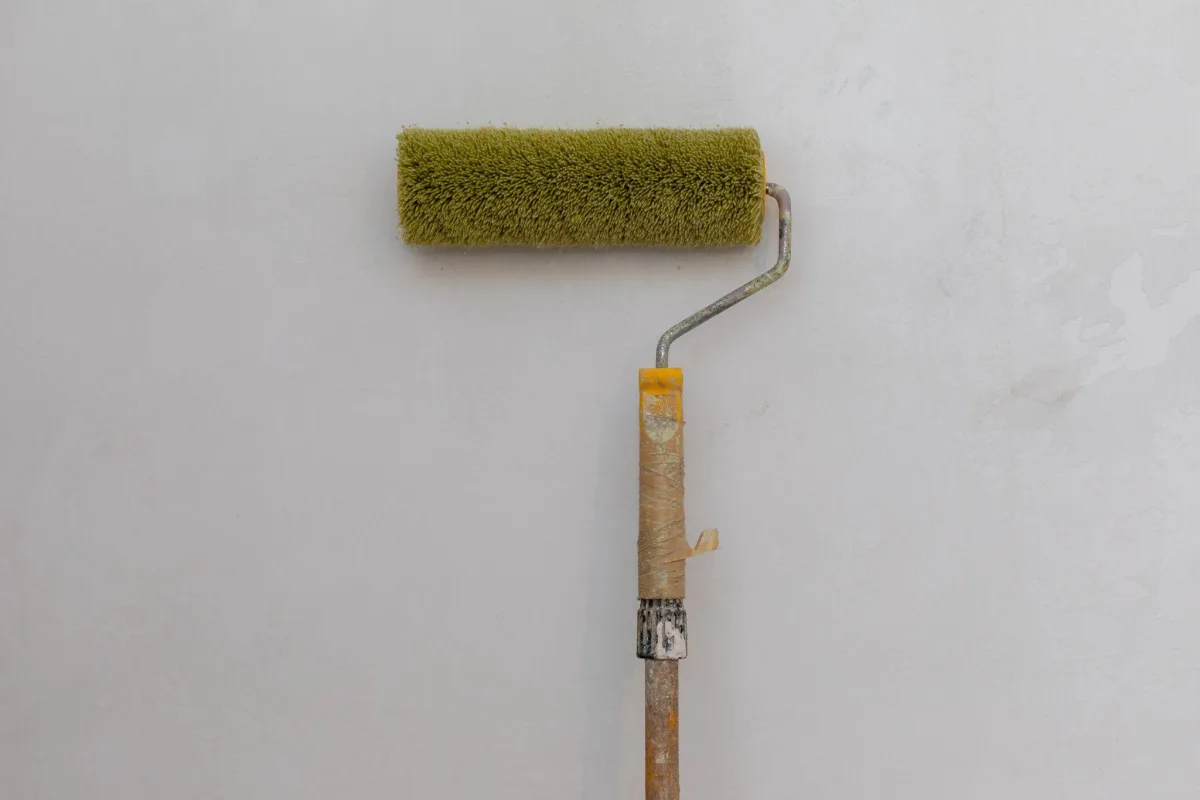
Light to medium wall texture wants a 1/2-inch nap. The longer fibers drop into the dips of orange peel spray and flattened knockdown patterns without you pushing down on the roller frame.
Heavy Stucco, Brick, and Masonry
Rough exterior masonry, split-face block, and heavy stucco need a 3/4-inch to 1-1/4-inch nap. Those long fibers wrap around coarse aggregate and push paint into porous cavities that a shorter nap simply bridges over.
If prep turns up gouges or damaged texture along the baseboards, our drywall repair service handles that before any paint goes on.
Paint Roller Nap Selection Chart
This is the quick match of substrate profile to nap length and fiber fabric.
- Ultra-smooth, 3/16 to 1/4-inch, woven microfiber or foam: cabinets, metal doors, smooth plaster, trim.
- Standard smooth, 3/8-inch, woven nylon or polyester: interior drywall, residential ceilings, wood.
- Semi-rough, 1/2-inch, microfiber or polyamide: orange peel, knockdown drywall, paneling.
- Coarse or rough, 3/4 to 1-1/4-inch, high-density wool or knitted poly: exterior stucco, brick, masonry, rough siding.
Planning a full interior update with walls and trim in matching colors? Read our feature on color drenching. For exterior masonry care, see our guide on cleaning limewashed brick.
“Pro tip: pressing hard on a 3/8-inch cover to stretch paint across texture causes paint starvation, uneven film, and heavy stipple lines at the edge of each roller path. Switch to a 1/2-inch woven sleeve, load it fully on the grid, and let the weight of the tool do the transfer.”
How Does Fiber Fabric Affect Paint Application?
Nap length is half the decision. What the cover is made of changes how it loads, levels, and lasts.
- Microfiber: dense fibers hold up to 30% more paint than standard polyester, excel with low-VOC interior paints, and produce almost no splatter.
- Woven synthetic blends: nylon and polyester hold their shape through heavy water-based latex and acrylic topcoats, the durable all-purpose pick.
- Wool and sheepskin: maximum carrying capacity and solvent resistance, the top choice for exterior oil primers and masonry block fillers.
Tool manufacturers like Purdy engineer specific woven fabrics to maximize film build across different surface profiles.
If the project includes spraying and back-rolling cabinet doors, see our guide on painting cabinets with doors.
“Pro tip: spraying exterior acrylics or elastomerics on rough brick or stucco leaves micro-pinholes where water gets in. Follow the spray pass immediately with a 1-1/4-inch nap sleeve while the coating is wet. Back-rolling forces paint into those voids and seals the envelope against wind-driven rain.”
Common Questions About Paint Roller Naps
What is the most versatile paint roller nap size?
The 3/8-inch nap. It handles standard smooth drywall, ceilings, and previously painted walls while holding enough paint to work efficiently without dripping.
Can I use a 1/2-inch nap on smooth walls?
You can, but it holds more paint and lays down a slightly heavier stipple than a 3/8-inch nap. If you want a completely smooth finish, stay with a 3/8-inch woven microfiber sleeve.
What nap size should I use for painting ceilings?
A 3/8-inch nap for smooth drywall ceilings. For popcorn or heavy acoustic stipple, move to a 1/2-inch to 3/4-inch slotted foam or long-nap microfiber cover so you coat the recesses without tearing the texture off.
What happens if you use a roller nap that is too short?
You starve the substrate, which forces you to press down on the frame. That produces uneven distribution, roller skid marks, patchy coverage, and a sore wrist.
Should I wash a paint roller cover before using it?
Yes. Pre-washing synthetic covers in clean water and spinning them dry removes factory lint and conditions the fibers to absorb paint evenly. Follow OSHA guidance when working with jobsite equipment and extension poles.
Ready for Professional Interior and Exterior Painting?
Choosing the right covers, tools, and coatings comes down to field experience. Our crews bring the equipment and the premium finishes, so you are not standing in an aisle guessing at nap lengths.
Planning a full update? Explore our interior painting and exterior painting services.
Contact That 1 Painter to schedule a detailed, obligation-free on-site estimate. Every home is different, so final pricing always comes from an in-person assessment of materials, prep, and surface condition.
