By Ben M.
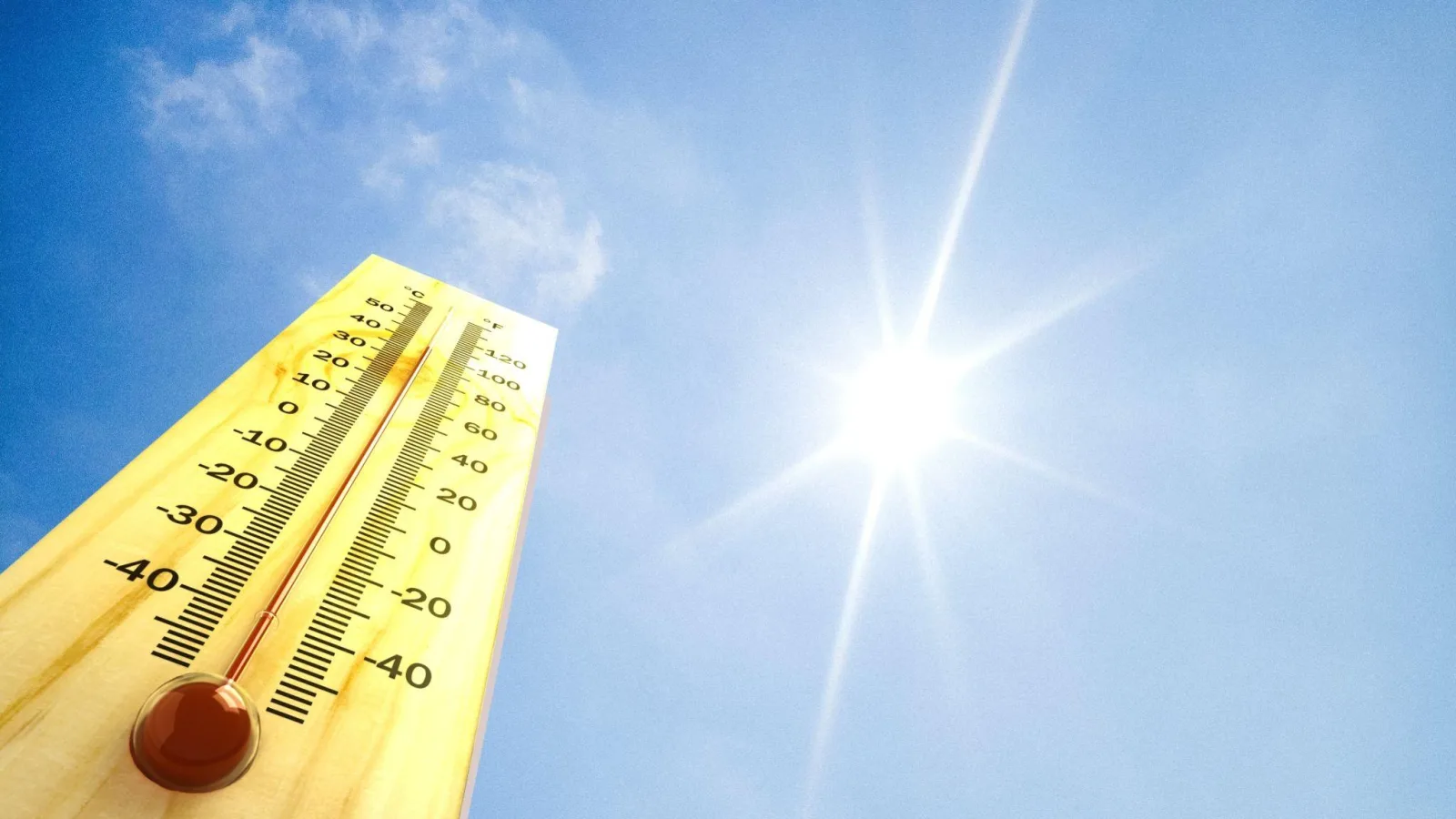
Exterior paint needs air and surface temperatures of at least 50°F for traditional acrylic latex, though modern low-temperature formulas cure down to about 35°F. The catch is that the requirement holds for hours after application, not just while you are rolling — and substrate temperature routinely differs from what the weather app says.
Quick Reference: Outdoor Painting Temperatures
- Standard exterior acrylic latex: 50°F minimum, air and surface, sustained.
- Low-temp specialty acrylics: down to 35°F air and surface.
- Oil-based and alkyd: about 40°F, but cure slows dramatically.
- Ideal window: 60-85°F with relative humidity under 70%.
- Upper limit: 90°F surface, above which paint skins over and lap marks set in.
Regional timing differs. Southern coastal areas have warm days but humidity that stalls evaporation. Northern seasons are short and overnight lows do the damage. Western heat pushes surface temperature far above ambient on sun-facing walls.
What Cold Weather Does to Paint
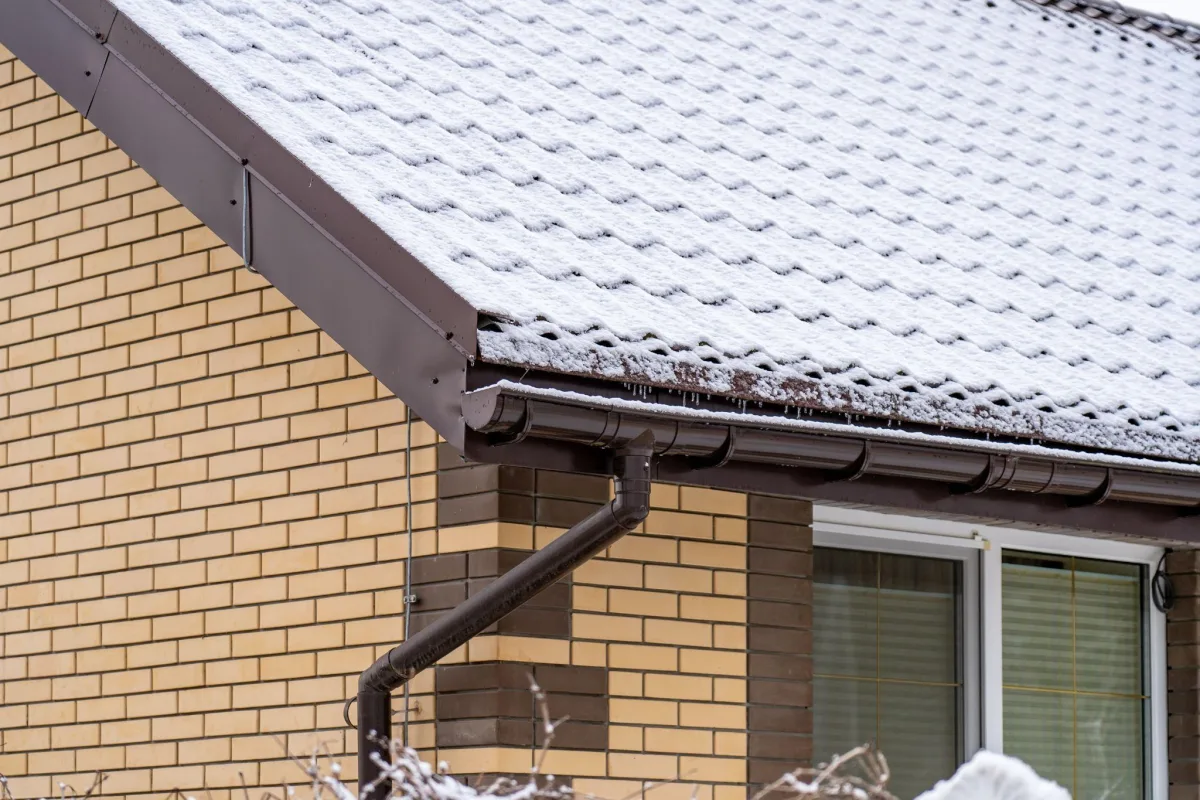
Waterborne paint cures by coalescence: water and coalescing solvents evaporate in sequence, and soft polymer particles fuse into a continuous film. That process is temperature-dependent.
Below the product's minimum, water cannot evaporate at the right rate and the resin never fuses properly. The result is a fragile, powdery film that peels off siding within a season, plus dramatically extended recoat times that stretch the job into more marginal weather.
If your paint spent winter in an unheated garage, check it with our guide on whether you can use old paint — freeze-thaw cycles ruin latex.
“Pro tip: standard acrylics use coalescing solvents to soften latex particles so they fuse around 50°F. Low-temp formulations carry additives that lower that minimum film-forming temperature to roughly 35°F. You cannot create that property by thinning a standard paint — it is formulated in or it is not.”
Minimums by Paint Type
Different resin chemistries tolerate different thresholds, and standards tracked by the EPA on coating formulation are part of why low-temp products exist at all.
Standard Exterior Acrylic Latex
50°F minimum, and it has to hold for hours after application — through the overnight low, not just the afternoon high. A 55°F day dropping to 38°F overnight fails the coating even though the daytime reading looked fine.
Premium Low-Temperature Acrylic
Engineered for 35°F to 50°F application, which extends the season meaningfully in northern markets. Still requires the temperature to hold after application.
Oil-Based and Alkyd
Applies down to about 40°F, but cold slows alkyd oxidation severely, stretching cure from a day into several. Slow cure means more time collecting dust, pollen, and insects.
Waiting out the weather? Interior work is the natural substitute — see our interior painting services, or read our feature on color drenching.
“Pro tip: never trust the weather app alone. A north-facing wall in shade can sit 10 to 15 degrees below ambient, while a south wall in sun can run 20 to 30 degrees above it. An infrared thermometer costs very little and settles the question wall by wall.”
Other Conditions That Matter
- Humidity above 70% slows evaporation and extends recoat windows.
- Dew point matters more than humidity alone: stop when the surface is within about 5°F of it, or condensation forms under the film.
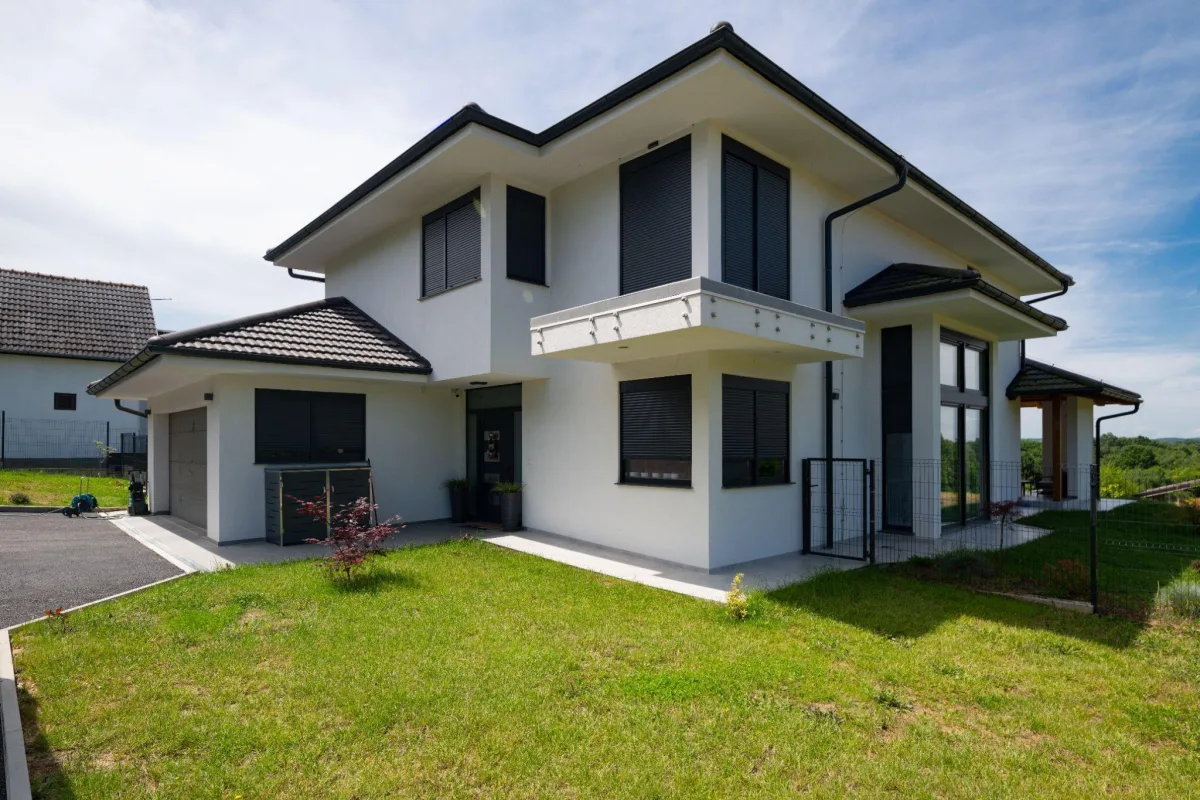
- Direct sun on a hot wall skins the surface before the body of the film dries, causing lap marks and blisters. Follow the shade around the house.
- Wind accelerates surface drying unevenly and carries debris into wet paint.
Common Questions About Painting Outside
Can you paint if it is 45°F?
Only with a low-temperature formulation rated for it, and only if the surface is also at or above the minimum and will stay there overnight. With standard latex, no.
What if it rains after I paint?
Rain within the first few hours can wash out or blush an uncured film. Most acrylics want 4 or more dry hours; check the label and the forecast for the whole window, not just the moment you finish.
Is it too hot to paint at 95°F?
Likely yes on sun-facing walls. The surface will be far hotter than the air, and paint that skins before it levels leaves lap marks. Start on the shaded side early and chase the shade.
What is the best season to paint outside?
Late spring and early fall in most of the country: mild days, moderate humidity, and overnight lows that stay above the minimum.
Ready for Professional Exterior Painting?
Scheduling exterior work around temperature, dew point, and sun exposure is most of what separates a repaint that lasts a decade from one that fails in a season.
Contact That 1 Painter to schedule a detailed, obligation-free on-site estimate. Every home is different, so final pricing always comes from an in-person assessment of materials, prep, and surface condition.
