By Norman R.
To get pet odor out of walls, first find and address the source of the smell, then clean the affected surfaces. If the odor has soaked into drywall or trim and cleaning alone is not enough, seal it in with an odor-blocking primer. For particularly stubborn odors like cat or dog urine, a shellac-based primer is often the most effective option. Once the surfaces are primed and sealed, you can finish with your normal interior paint.
Lingering pet odors are one of the most frustrating problems in a home. You can replace the carpet, clean the furniture, and air out the rooms, and the smell still comes back on warm or humid days. That is because odors from pet urine and accidents can soak into more than just flooring. They can work their way into drywall, baseboards, subfloors, and the bottom of door casings. Paint alone will not cover them, but the right primer can seal them in.
Regional climate, seasonal humidity, and local construction styles heavily influence how pet odors behave inside a home. In humid Southern coastal climates, moisture in the air reactivates odor compounds in drywall and wood, so smells often get stronger in summer. In high-altitude and arid Western regions, dry air keeps odors milder day to day, but they can return quickly when a room is closed up or heated. In Northern homes with freeze-thaw winters, houses stay sealed for months with the heat running, which traps odors indoors and makes sealing affected surfaces especially important. Below is a complete guide to removing pet odors from walls and getting your home smelling fresh again.
Quick Reference Summary for Removing Pet Odor From Walls
- First Step: Find and address the source of the odor before priming or painting anything.
- Cleaning Rule: Clean affected surfaces with an enzyme cleaner or a cleaner made for pet odors.
- Sealing Option: Use an odor-blocking primer when the smell has soaked into drywall or wood.
- Stubborn Odors: A shellac-based primer is often the best choice for strong urine odors.
- Safety Note: Shellac primers have a strong smell during application, so ventilate well and follow the label.
Why Do Pet Odors Get Into Walls?
Pet urine is liquid, and drywall, wood trim, and subfloors are porous. When a pet has repeated accidents in the same corner or along a wall, urine wicks up into the bottom of the drywall and soaks into baseboards. Once it dries, the odor-causing compounds stay locked in the material.
Humidity makes the problem worse. When moisture in the air rises, those compounds become active again and release more odor. That is why many homeowners notice the smell most on humid days or when the heat or air conditioning first kicks on.
Painting over the area with regular wall paint does not solve the problem. Standard latex paint is not designed to block odors, and the smell can come right back through the new finish. Odor problems from other sources, like smoke, work the same way. Our guide on how to get smoke smell out of a house covers that issue in detail.
“Pro Tip 1: Use a Black Light to Find Hidden Stains. Old urine stains are often invisible in normal light. Turn off the lights and scan baseboards, wall bottoms, and corners with an ultraviolet black light. Many urine stains glow under the light, showing you exactly which areas need cleaning, removal, or sealing before you prime.”
How Do You Find and Address the Source of the Odor?
Sealing odors only works when the source is gone. If the smell is still being produced, it will keep coming back no matter how many coats of primer you apply.
- Stop Ongoing Accidents: Address any behavioral or health reasons your pet may be marking or having accidents, and clean up new accidents right away.
- Check the Flooring: Carpet, padding, and even the subfloor below can hold urine. These areas may need to be cleaned, sealed, or replaced.
- Inspect the Baseboards: Remove baseboards in heavily affected areas. Urine often pools behind them and soaks into the bottom of the drywall.
- Assess the Drywall: If drywall is badly saturated, soft, or stained, cutting out and replacing the bottom section may be the best fix.
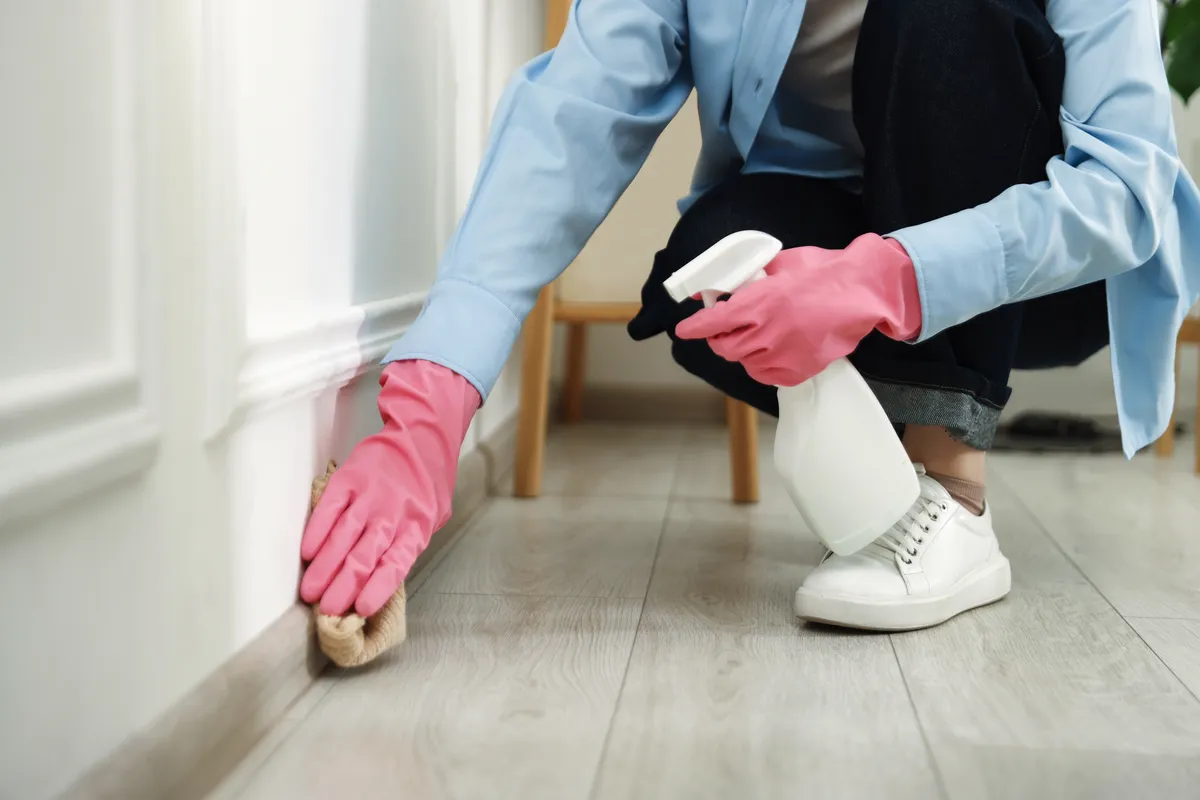
- Clean Remaining Surfaces: Use an enzyme cleaner or a product made for pet odors on the walls and trim, then let everything dry completely.
How Does Odor-Blocking Primer Work?
Odor-blocking primers are designed to seal and encapsulate what is left behind in a surface. They create a barrier that locks odor compounds in the drywall or wood, so they cannot escape into the room or bleed through your topcoat.
There are a few types of primer that can help, and each fits a different level of odor problem.
- Water-based odor-blocking primer: Light odors and mild staining. Low odor, easy cleanup. May not seal strong urine odors.
- Oil-based stain-blocking primer: Moderate odors and stains. Strong sealing on wood and drywall. Strong odor, needs solvent cleanup.
- Shellac-based primer: Stubborn cat and dog urine odors. Excellent odor and stain sealing, dries fast. Very strong odor during application, needs good ventilation.
Shellac-based primers are a favorite for stubborn odors because they seal so effectively. Just keep in mind that these products can have a very strong odor during application. Open windows, use fans to move air out of the room, and follow the manufacturer's safety instructions. For more on specialty primers, read our guide to specialty primers.
Shellac and oil-based primers release strong fumes, so follow Occupational Safety and Health Administration (OSHA) guidance on ventilation and respiratory protection when applying them indoors.
How Do You Prime and Paint Over Pet Odor?
Once the source is gone and the surfaces are clean and dry, priming and painting are straightforward.
- Protect the Room: Cover floors and furniture and set up ventilation before opening any primer.
- Prime All Affected Areas: Apply the odor-blocking primer to the walls, baseboards, and any exposed subfloor that held odor. Extend the primer past the visible stain.
- Use Two Coats When Needed: For heavy odors, a second coat of primer gives extra protection. Follow the label for recoat times.
- Check for Odor: After the primer dries, check the area for any remaining smell before moving on.
- Finish With Interior Paint: Once everything is properly primed and sealed, apply your normal interior paint.
“Pro Tip 2: Seal the Subfloor Before New Flooring Goes Down. If a pet had accidents on carpet, the odor almost always reached the subfloor. When you pull the old carpet, prime the stained subfloor areas with a shellac-based or odor-blocking primer before new padding and carpet go down. Skipping this step is one of the most common reasons odors return in a freshly renovated room.”
If you are not sure whether your walls need primer for other reasons, our guide on whether you need primer before painting walls explains when it is required.
The U.S. Environmental Protection Agency (EPA) recommends good ventilation and following label directions whenever you use primers and paints indoors.
What Are the Most Common Mistakes When Treating Pet Odors?
Avoiding these mistakes keeps odors from coming back:
- Painting Without Priming: Regular paint does not block odors, and the smell returns through the finish.
- Ignoring the Source: Sealing walls while urine-soaked carpet or padding is still in place will not fix the smell.
- Priming Damp Surfaces: Primer over damp drywall or wood may not bond or seal properly.
- Using Too Little Primer: Thin coverage leaves gaps that allow odor to escape.
- Poor Ventilation: Oil and shellac primers have strong fumes and need plenty of fresh air.
“Pro Tip 3: Do a Sniff Test Before the Finish Coat. After the odor-blocking primer has dried, close the room up for a day with the heat or air conditioning running, then check the area at nose level near the floor. If you can still smell the odor, the source was not fully removed or the primer missed a spot. Apply another coat of primer before you paint, since it is much easier to fix now than after the finish coat goes on.”
Answers to Common Questions About Pet Odor in Walls
Can pet urine soak into drywall?
Yes. Drywall is porous, and repeated accidents near a wall can wick urine into the bottom of the drywall and the baseboards. The odor can stay in the material long after the surface looks clean.
Will regular paint cover pet odors?
No. Standard interior paint is not designed to block odors. You need an odor-blocking primer, and stubborn urine odors often require a shellac-based primer.
What is the best primer for cat urine odor?
Shellac-based primers are widely used for stubborn cat urine odors because they seal odors and stains very effectively. Follow the label for application and ventilation.
How long does the shellac primer smell last?
The strong smell is mostly present during application and drying. Shellac primers dry quickly, and the odor typically fades as the coating cures, especially with good ventilation.
When should you replace drywall instead of priming it?
If the drywall is soft, crumbling, heavily stained, or still damp, cutting out and replacing the damaged section is usually the better option before priming and painting.
Ready for Professional Odor-Sealing and Painting?
Finding the source, sealing affected surfaces, and repainting a room takes experience and the right products. Let our experienced painting teams handle your project with our odor removal services and interior painting services, safely and efficiently.
Note: Pricing estimates are based on 2026 regional averages. Every home is unique, and final quotes require an on-site assessment to account for material costs, prep work, and structural conditions.
Contact the team at That 1 Painter today to schedule your detailed, obligation-free on-site estimate, and enjoy a fresh, clean-smelling home again. Book Your Free Professional Estimate Now
