By Norman R.
Learning how to get smoke smell out of a house requires a structured four-part process: cleaning hard surfaces, discarding porous odor reservoirs, sealing residual wall contamination with dedicated stain-blocking primers, and repainting. Never roll standard latex wall paint directly over untreated smoke or tobacco residue. Regular interior paint is porous and allows yellow nicotine tars and volatile smoke odor compounds to bleed back through fresh paint films within weeks. To eliminate smoke odors permanently, wash non-porous walls and ceilings with heavy-duty alkaline degreasers, remove unsalvageable items like carpet padding, apply a full coat of shellac-based or oil-based primer, and finish with premium interior latex topcoats.
Quick Reference Summary for Smoke Odor Removal
Eliminating severe smoke contamination requires understanding how microscopic combustion byproducts interact with building materials. Smoke carries microscopic tar oils and carbon ash that penetrate drywall paper, wood framing, plaster, and HVAC systems. Environmental conditions across different geographic regions alter how smoke contamination behaves inside a structure. In humid coastal climates, high indoor atmospheric air moisture re-activates dry tar residues stuck to wall studs, causing dormant odors to return during summer months.
In cold Northern regions, winter heating cycles draw smoke particles deep into attic insulation and exterior wall cavities through stack effect airflow. In dry Western regions, low ambient humidity bakes microscopic smoke tars directly into porous plaster and trim wood. Below, we break down the exact trade steps, technical primer selection rules, and field restoration protocols required to remove smoke smell from your home.
- Step 1 Wash Hard Surfaces: Scrub all non-porous drywall, plaster, trim, and ceilings with an alkaline degreaser or trisodium phosphate (TSP) solution to strip away tar films.
- Step 2 Remove Porous Materials: Discard contaminated carpet padding, draperies, and exposed fiberglass insulation holding embedded smoke particulate.
- Step 3 Seal with Shellac Primer: Apply an oil-based or pigmented shellac-based stain-blocking primer over all washed wall and ceiling surfaces before repainting.
- Primary Mistake to Avoid: Never roll standard acrylic wall paint directly over smoke residue without a dedicated stain-blocking sealant.
How to Clean Smoke Residue off Walls and Ceilings
Before opening primer cans, you must physically strip yellow tar films and soot particulate off non-porous structural surfaces. Painting directly over greasy smoke deposits prevents primer adhesion and causes coat peeling.
Heavy Duty Wall Washing Solutions
Standard household cleaners cannot break down baked-on tobacco tar or heavy wood smoke soot. Use an industrial alkaline cleaner, such as trisodium phosphate (TSP) or an equivalent heavy-duty degreaser. Mix the cleaning concentrate with warm water according to package directions, applying it to walls with a coarse sponge.
Scrub walls from the bottom up to prevent dirty run-off water from creating permanent vertical stain channels down dry drywall paper. Rinse scrubbed surfaces thoroughly with clean water and allow them to dry completely. When evaluating previously coated surfaces before repainting, review our technical guide on can you use old paint to verify if leftover paint cans are still viable for project work.
Cleaning Cabinet Enclosures and Interior Trim
Smoke particles float into kitchen cabinet boxes, drawer interiors, and vanity frames. Wipe down raw or finished wood trim, cabinet face frames, and door surfaces using specialized wood-safe degreasers.
Removing grease and tar films from millwork is mandatory before applying new sealants or finishes, a process covered in our guide on painting cabinets with doors. Thorough washing guarantees proper mechanical adhesion during repainting.
“Pro Tip 1: Chemical Vapor Phase Deodorization and Hydroxyl Generation. Professional remediation teams avoid relying solely on liquid surface washing for severe fire and smoke restoration. Before applying primer coats, run industrial hydroxyl generators or perform thermal fogging inside sealed rooms. Hydroxyl radicals chemically break down volatile organic compounds (VOCs) and smoke molecules trapped inside deep wood framing studs and structural subfloors. Unlike ozone machines, hydroxyl generators are safe for indoor materials and eliminate deep odor pockets before priming.”
What Is the Best Primer to Block Smoke Smell and Stains?
Standard interior wall primers are designed to equalize drywall porosity, not stop volatile chemical off-gassing. To prevent smoke odor from escaping through fresh topcoat paint, you must apply a dedicated barrier sealant.
White Pigmented Shellac Primer
White pigmented shellac primer is the industry gold standard for severe smoke damage and heavy tobacco restoration. Shellac dries into an impermeable, film-forming resin barrier that locks in pungent tar odors, nicotine discoloration, and soot residue.
It dries quickly within 30 to 45 minutes, allowing fast turnaround times for residential projects. Applying high-performance barrier coatings over damaged residential surfaces is a core element of our interior house painting services.
Oil Based Alkyd Primer
Oil-based alkyd stain-blocking primers provide excellent protection against light-to-moderate tobacco yellowing and soot. The solvent base prevents water-soluble smoke stains from dissolving into the wet primer coat.
Oil primers require longer drying windows (typically 8 to 24 hours) compared to shellac, but they form a durable, sandable foundation over broad drywall expanses.
Why Standard Water Based Latex Primer Fails
Standard latex primers use water as their primary carrier liquid. When rolled over smoke-contaminated drywall, the water in the latex formula instantly dissolves embedded nicotine and tar salts.
As the latex paint dries, these dissolved chemicals migrate up to the surface, causing dark yellow discoloration spots and persistent smoke odors. Always use a solvent-based or shellac-based primer when restoring smoke-damaged walls.
“Pro Tip 2: Thermal Encapsulation and Film Thickness Calibration. Field technicians verify primer film thickness when sealing severe fire restoration projects. Applying a thin, stretched-out coat of shellac primer allows tar oils to cross-contaminate the topcoat. Use a wet film thickness (WFT) gauge to ensure you apply a minimum of 4.0 mils wet thickness across all drywall and ceiling surfaces. This guarantees a dry film thickness (DFT) of at least 1.8 mils, creating a complete barrier that traps volatile smoke molecules.”
How to Treat Porous Materials for Smoke Odor Removal
Porous textiles and soft building materials absorb airborne smoke particles like a sponge. Leaving contaminated porous items untreated will continually re-pollute freshly painted rooms.
Carpets Padding and Upholstery Treatment
Carpet fibers and underlying polyurethane foam padding hold massive volumes of microscopic smoke particulate. While top surface carpet fibers can occasionally be hot-water extracted using odor-neutralizing chemicals, contaminated foam padding beneath cannot be washed effectively.
In moderate to severe smoke situations, strip out the carpet and padding, vacuum the exposed subfloor, and seal the bare plywood or concrete subfloor with a coat of shellac primer before laying new flooring.
HVAC Air Duct Cleaning and Insulation Replacement
Furnace blowers circulate smoke particles throughout metal ductwork and attic spaces. Hire a certified duct cleaning specialist to mechanically brush and vacuum supply and return ducts using HEPA air filtration systems.
Replace all HVAC air filters immediately. If smoke has entered the attic space, loose-fill cellulose or fiberglass insulation must be vacuumed out and replaced to remove the overhead odor reservoir.
How Do Climate and Regional Housing Stock Impact Smoke Remediation?
Local housing construction methods and regional weather patterns directly dictate how smoke odors settle and dissipate inside residential homes. Standards published by the Institute of Inspection Cleaning and Restoration Certification (IICRC) emphasize tailoring structural drying and deodorization protocols to ambient moisture conditions.
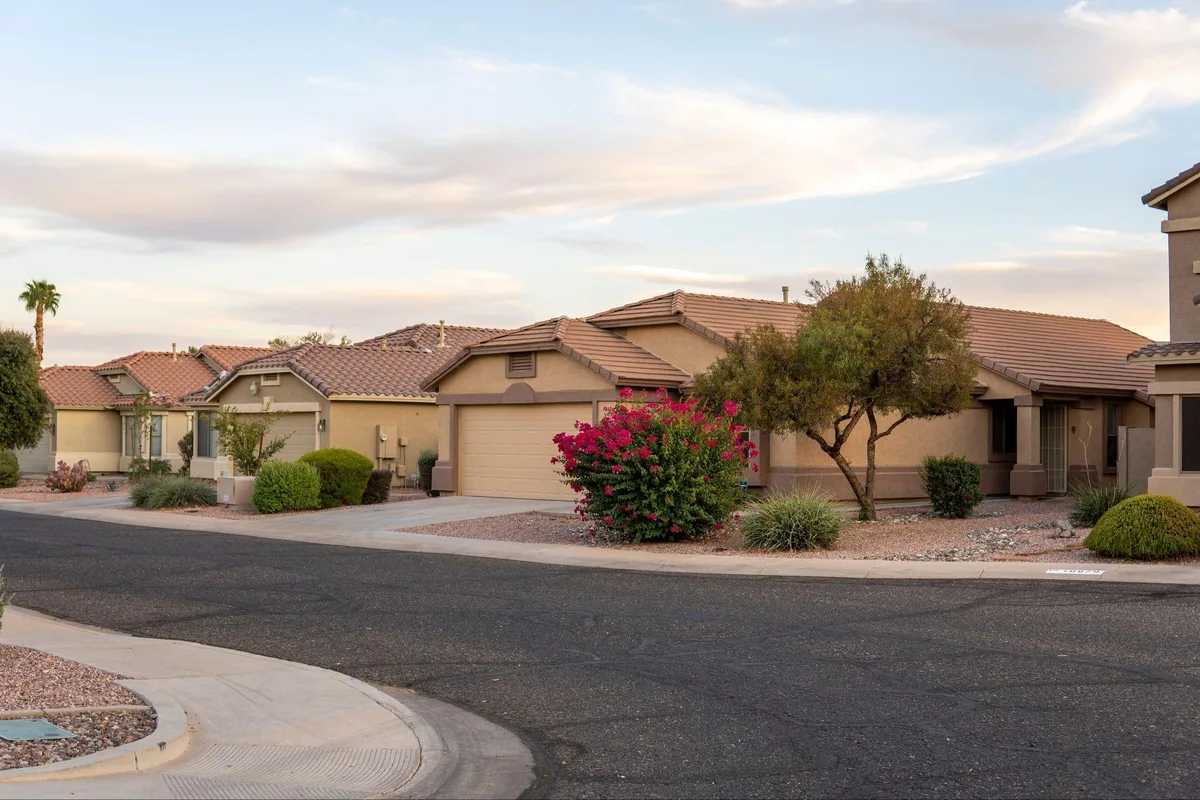
In humid coastal climates, high indoor air moisture causes wood studs, plaster, and drywall paper to expand and absorb atmospheric humidity. When relative humidity rises, trapped smoke tar compounds within unsealed walls re-hydrate, creating a strong odor surge.
Dehumidifiers must be run continuously throughout the washing, priming, and painting process to maintain indoor relative humidity below 45 percent. On job sites requiring strict environmental air safety management, restoration steps align with safety guidelines set by the U.S. Environmental Protection Agency (EPA).
In Northern historic homes featuring thick plaster walls and original wood lathe framing, smoke forces its way deep into interior wall cavities. Plaster requires extended drying times after chemical washing before oil or shellac sealants can be safely applied. In Western homes with exposed ceiling beams or tongue-and-groove wood, surfaces must be hand-scraped, sanded, and sealed to prevent continuous off-gassing.
If you are exploring color updates for restored interior spaces, such as running a single continuous shade across walls and ceilings, read our guide on what is color drenching. These sealing principles extend to exterior masonry surfaces, such as those covered in our guide on can you clean limewashed brick. Protecting wood millwork alongside interior wall restorations is essential, which is why we offer comprehensive cabinet refinishing services. High application standards are maintained across our nationwide team, accessible through That 1 Painter.
Smoke Damage Restoration Primer Matrix
Use this reference table to evaluate primer selection, drying times, and preparation requirements across common smoke-damaged surfaces.
- Drywall / Plaster (Moderate Tobacco): Oil-based alkyd primer, 8 hours before topcoat. Scrub with TSP, rinse, and apply a full wet coat.
- Ceilings & Trim (Heavy Fire / Wood Smoke): Pigmented shellac primer, 45 minutes before topcoat. Deep clean soot, scuff sand, and apply shellac.
- Wooden Subfloors (Severe Embedded Odor): Pigmented shellac primer, 1 hour before topcoat. Remove old pad, vacuum, and coat raw wood.
- Kitchen Cabinets (Grease & Tobacco Film): Solvent-based shellac, 2 hours before topcoat. Clean with degreaser, scuff sand, and seal.
- Bare Masonry (Soot Discoloration): Heavy-duty masonry sealer, 24 hours before topcoat. Pressure wash or dry-ice blast before sealing.
Answers to Common Smoke Odor Removal Questions
Can you just paint over smoke smell to eliminate it?
No, painting over smoke smell with regular wall paint will not eliminate the odor. Water-based acrylic paint is porous, allowing volatile tar oils and smoke chemicals to pass right through the fresh paint film. Within days or weeks, the smoke odor and yellow staining will bleed back into the room. You must clean surfaces and apply a stain-blocking shellac or oil primer first.
Does KILZ or Zinsser cover smoke smell permanently?
Yes, but only if you choose their specialized stain-blocking formulations. Standard water-based versions of these brands will not block severe smoke odor. You must use shellac-based primers (such as Zinsser B-I-N) or heavy-duty oil-based primers (such as KILZ Original) to permanently seal in tar, soot, and smoke off-gassing before applying topcoat paint.
How long does smoke smell stay in a house if untreated?
Untreated smoke smell can remain inside a house for decades. Smoke tars and microscopic ash particles embed deeply into drywall paper, framing timber, carpet padding, and insulation. Changes in indoor temperature and humidity will cause dormant smoke compounds to continually release gas, renewing the odor indefinitely until properly cleaned and sealed.
Does an ozone machine remove smoke smell from drywall?
Ozone machines help neutralize airborne smoke molecules and surface odors by breaking down organic compounds through oxidation. However, ozone treatment alone cannot remove heavy physical tar films or soot deposits stuck to walls. If the physical tar layer is not washed off and sealed with a primer, the smoke smell will return once the ozone machine is turned off.
Is shellac primer safe to use inside living spaces?
Shellac primer is highly effective for smoke damage, but it contains alcohol solvents that produce strong vapors during application. Proper ventilation, open windows, and cross-airflow fans are required during application. Application technicians should wear organic vapor respirators. Once the alcohol evaporates (typically within 30 to 60 minutes), cured shellac is non-toxic and virtually odorless.
Ready to Restore Your Home Interior with Professional Painting?
Eliminating persistent smoke odors, yellowing nicotine tars, and soot deposits requires thorough chemical washing, specialized stain-blocking primers, and precision topcoat execution. Protect your home investment from persistent odor bleed-through, peeling finishes, and compromised paint adhesion.
“Pro Tip 3: The Cross-Hatch Adhesion Test on Sealed Substrates. Before rolling topcoat paint over shellac-primed walls, verify primer adhesion. Use a utility knife to lightly score a small X grid through the cured primer into the drywall paper. Press a strip of high-tack tape firmly over the grid and pull it off rapidly at a 90-degree angle. If any primer flakes off onto the tape, the underlying wall was not fully degreased before priming. Scrape, clean, and re-prime those areas to ensure long-term paint bonding.”
Note: Pricing estimates are based on 2026 regional averages. Every home is unique, and final quotes require an on-site assessment to account for material costs, prep work, and structural conditions.
Contact the team at That 1 Painter today to schedule your detailed, obligation-free on-site estimate, and give your living space the clean, fresh, and durable finish it deserves. Book Your Free Professional Interior Estimate Now
