By Robert R.
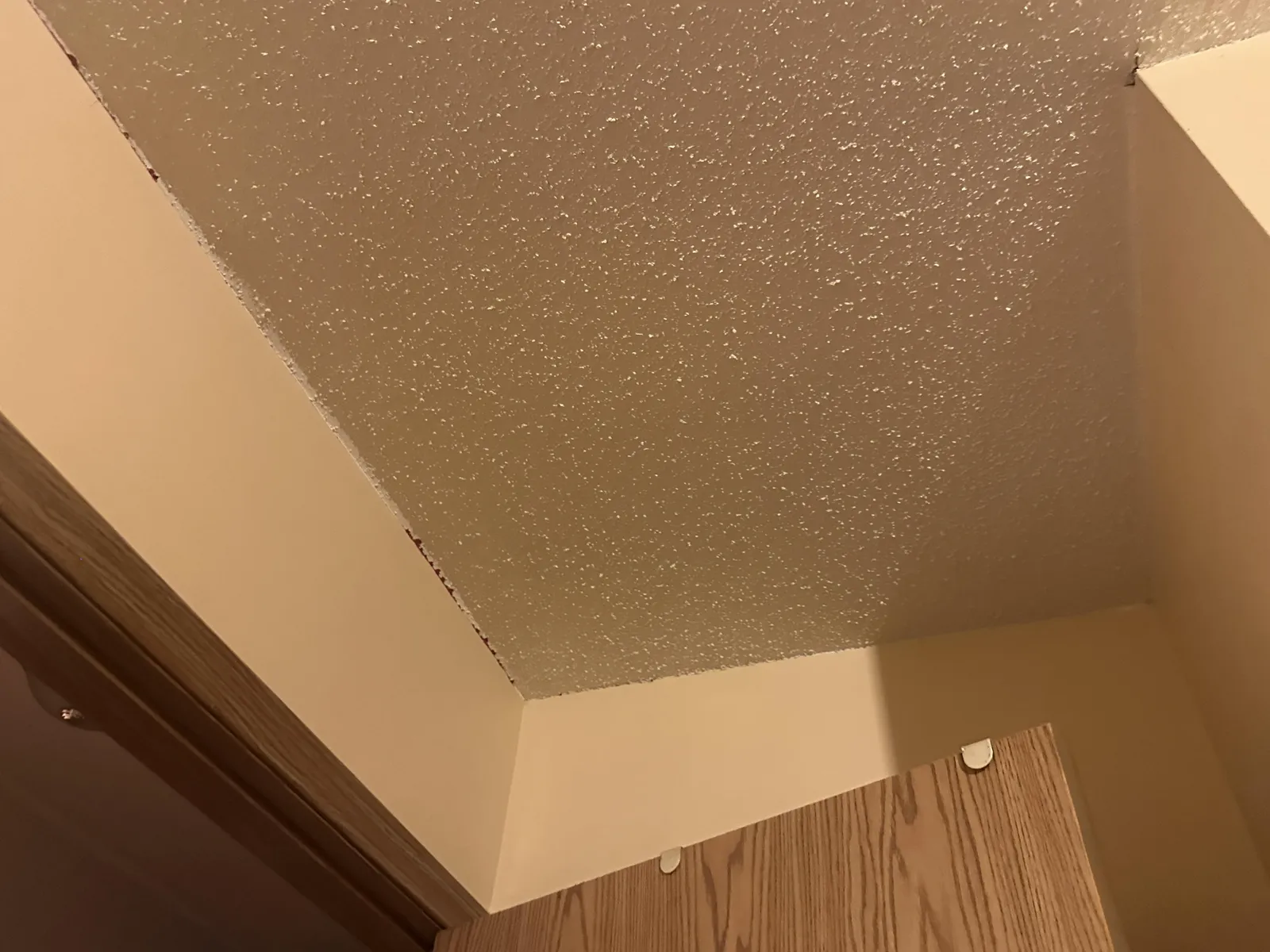
You cannot reliably tell if a popcorn ceiling has asbestos just by looking at it. Older popcorn ceilings, especially textures installed decades ago, may contain asbestos, but many do not. The only way to know for sure is to have a sample tested by a qualified professional and an accredited lab. Until you have results, avoid scraping, sanding, or removing an older popcorn ceiling, because disturbing asbestos-containing material can release fibers into the air.
Popcorn ceilings, also called acoustic or cottage cheese ceilings, were popular for decades because they hid imperfections and helped dampen sound. Today, most homeowners want them gone. The problem is that some of the spray-on textures used in older homes included asbestos. That does not mean every popcorn ceiling is dangerous, but it does mean you should find out what you are dealing with before you start any project that could disturb it.
Regional building history, climate, and local regulations heavily influence how homeowners should approach an older popcorn ceiling. In humid Southern coastal climates, ceiling texture can absorb moisture and become soft or crumbly, which makes testing before any repair especially important. In high-altitude and arid Western regions, many homes were built during the decades when textured ceilings were common, and dry, brittle texture can flake easily when touched. In older Northern homes with freeze-thaw winters, roof leaks and ice dams can stain or loosen ceiling texture, so damaged areas should be tested before anyone patches or scrapes them. Below is a complete guide to knowing whether your popcorn ceiling may contain asbestos and what to do about it.
Quick Reference Summary for Popcorn Ceiling Asbestos
- Visual Check: You cannot tell if a popcorn ceiling has asbestos just by looking at it.
- Higher-Risk Ceilings: Older popcorn textures, especially those installed before the mid-1980s, are the most likely to contain asbestos.
- Safest Next Step: Have the ceiling tested by a qualified professional and an accredited lab.
- What to Avoid: Do not scrape, sand, or remove an older popcorn ceiling until you know the results.
- If It Tests Positive: Leave it undisturbed or hire a licensed asbestos abatement contractor.
Why Can't You Tell if a Popcorn Ceiling Has Asbestos by Looking?
Asbestos fibers are microscopic. A popcorn ceiling with asbestos looks exactly the same as one without it. Color, texture, and how bumpy the surface is tell you nothing about what is in the material.
Age is the best clue, but it is not proof. Asbestos was added to some spray-on ceiling textures for decades because it helped with fire resistance and sound dampening. Our guide on when they stopped using asbestos in popcorn ceilings covers the timeline in more detail. Even so, a ceiling installed in a year when asbestos was common may not contain any, and some older stock may have been used after restrictions began.
According to the U.S. Environmental Protection Agency (EPA), you generally cannot tell whether a material contains asbestos by looking at it, and testing by a trained professional is the reliable way to know.
“Pro Tip 1: Leave Undamaged Texture Alone Until You Know. An older popcorn ceiling that is in good condition and not crumbling is generally safest left undisturbed until it is tested. Avoid hanging new fixtures, drilling holes, or scraping off stains in the meantime. Disturbing the material is what can release fibers, so the less you touch it before testing, the better.”
Which Popcorn Ceilings Are Most Likely to Contain Asbestos?
Some ceilings carry more risk than others. These factors make it more likely that a popcorn ceiling contains asbestos and should be tested before any work begins.
- Older Homes: Popcorn ceilings in homes built or remodeled before the mid-1980s are the most likely to contain asbestos.
- Original Texture: Texture that has never been replaced is more likely to be original to the home's construction period.
- Unknown History: If you do not know when the ceiling texture was applied, treat it as possibly containing asbestos until tested.
- Damaged or Crumbling Texture: Water-damaged, flaking, or crumbling texture is more likely to release fibers if it does contain asbestos.
The U.S. Consumer Product Safety Commission (CPSC) banned asbestos in some patching compounds and artificial fireplace products in the late 1970s, but existing supplies of some materials may have been used for years afterward. That is why age alone is not a reliable test.
How Do You Get a Popcorn Ceiling Tested for Asbestos?
Testing is the only way to know for sure. Here is what the process usually looks like.
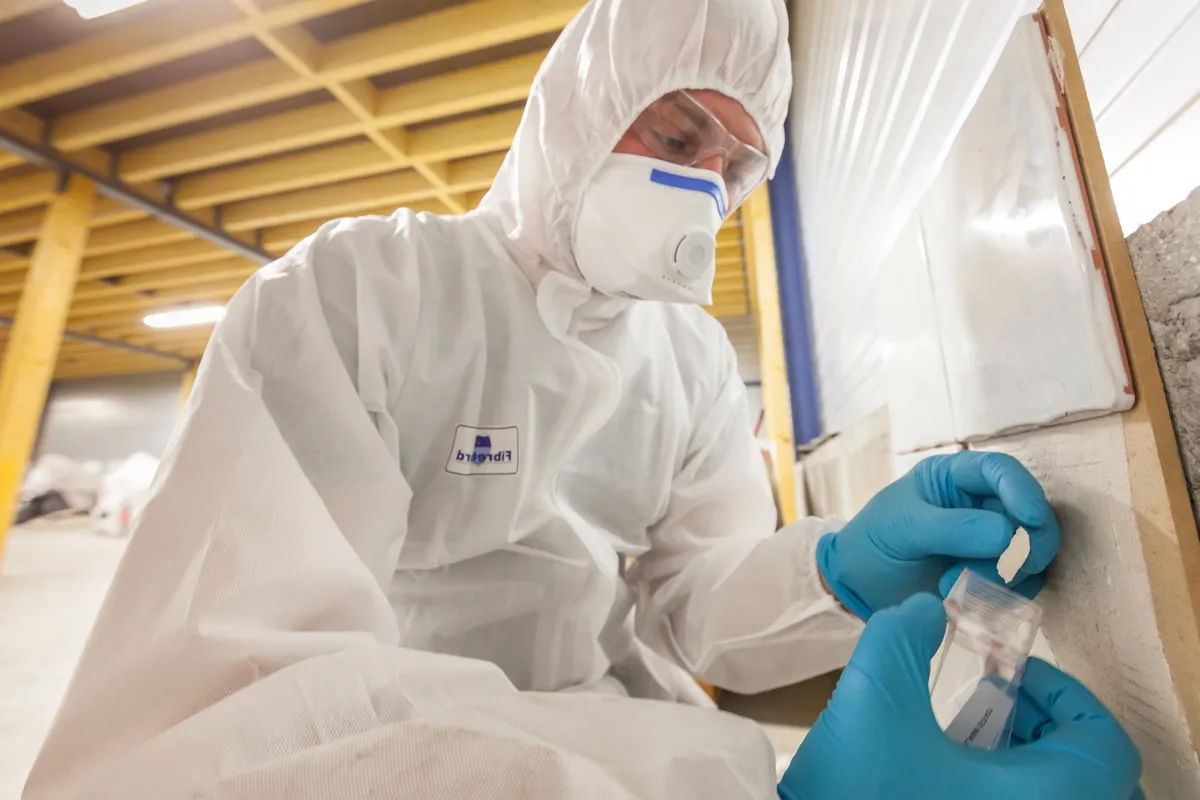
- Hire a Qualified Professional: Contact a licensed or accredited asbestos inspector in your area. They know how to take a sample safely and limit the release of fibers.
- Collect a Sample: The inspector wets the area, removes a small piece of the texture, and seals it in a container. The spot is then sealed to prevent further release.
- Send It to an Accredited Lab: The sample is analyzed by a laboratory that is accredited to test for asbestos.
- Review the Results: The lab report tells you whether asbestos is present and, if so, how much.
- Plan Your Next Step: Depending on the results, you can move forward with normal removal or bring in a licensed abatement contractor.
Rules for testing and abatement vary by state and local area, so check with your state environmental or health agency for requirements where you live.
Technical Comparison of Your Options After Testing
This technical reference table summarizes common next steps based on test results and ceiling condition.
- No asbestos detected: Any. Remove, skim coat, or paint as planned. Painting or drywall contractor.
- Asbestos detected: Good, undamaged. Leave undisturbed or encapsulate. Licensed professional for encapsulation.
- Asbestos detected: Damaged or crumbling. Professional abatement. Licensed asbestos abatement contractor.
- Asbestos detected: Planned renovation. Abatement before renovation. Licensed asbestos abatement contractor.
If your ceiling tests negative, our guides on popcorn ceiling removal and the cost to remove a popcorn ceiling explain what to expect next.
“Pro Tip 2: Test Every Ceiling Area Separately. Popcorn texture in different rooms, or in additions built at different times, may not be the same material. If your home has been remodeled or expanded, have each distinct ceiling area tested. A negative result in one room does not guarantee the texture in another room is the same.”
What Should You Do If Your Popcorn Ceiling Has Asbestos?
A positive result does not always mean the ceiling has to come out right away. Your options depend on the condition of the ceiling and your plans for the space.
- Leave It Alone: Asbestos-containing texture in good condition is often safest left undisturbed.
- Encapsulate It: A professional may be able to seal the ceiling with a coating or cover it so fibers stay contained.
- Remove It Professionally: If you plan to renovate or the ceiling is damaged, hire a licensed asbestos abatement contractor.
- Do Not DIY: Never scrape, sand, or remove asbestos-containing ceiling texture yourself.
Workers who handle asbestos must follow strict safety standards from the Occupational Safety and Health Administration (OSHA), including containment, protective equipment, and proper disposal.
What Are the Most Common Mistakes With Older Popcorn Ceilings?
Avoiding these mistakes protects your family and your home:
- Assuming It Is Safe Because of Its Age: You cannot rule out asbestos based on the year alone.
- Scraping Before Testing: Removing texture before testing can release fibers throughout the home.
- Testing Only One Room: Different ceiling areas may be different materials.
- Sanding or Drilling Into Texture: Even small projects can disturb the material.
- Hiring a Contractor Who Skips Testing: A reputable contractor will ask about testing before touching an older popcorn ceiling.
“Pro Tip 3: Ask for the Lab Report Before Work Starts. Before any contractor scrapes, skims, or paints an older popcorn ceiling, ask to see the written lab report for each ceiling area. Keep a copy with your home records. It protects your family, gives the contractor what they need to plan the job safely, and is useful documentation if you sell the home later.”
Answers to Common Questions About Popcorn Ceiling Asbestos
Can you tell if a popcorn ceiling has asbestos by looking at it?
No. Asbestos fibers are microscopic, so a ceiling with asbestos looks the same as one without it. The only reliable way to know is to have it tested.
What year did popcorn ceilings stop containing asbestos?
Popcorn ceilings installed before the mid-1980s are the most likely to contain asbestos. Because existing supplies were used for some time after restrictions began, age alone cannot confirm whether a ceiling is safe.
Is it dangerous to live with an asbestos popcorn ceiling?
Asbestos-containing material in good condition that is not disturbed is generally considered lower risk. The danger comes when the material is damaged, scraped, sanded, or removed, which can release fibers.
Can I test my popcorn ceiling for asbestos myself?
Hiring a qualified professional is the safest option, because taking a sample can disturb the material. Check your state and local rules for testing requirements.
Can you paint over a popcorn ceiling with asbestos?
In some cases, a professional may recommend encapsulating the ceiling with a sealing coating. Painting can disturb loose texture, so talk to a qualified professional before painting an asbestos-containing ceiling.
Ready for Professional Popcorn Ceiling Removal?
Testing, safe removal, smoothing, and painting a ceiling take the right training and equipment. Once your ceiling has been tested and cleared, let our experienced teams handle the job with our popcorn ceiling removal services and interior painting services.
Note: Pricing estimates are based on 2026 regional averages. Every home is unique, and final quotes require an on-site assessment to account for material costs, prep work, and structural conditions.
Contact the team at That 1 Painter today to schedule your detailed, obligation-free on-site estimate, and enjoy a smooth, modern ceiling. Book Your Free Professional Estimate Now
