By Robert R.
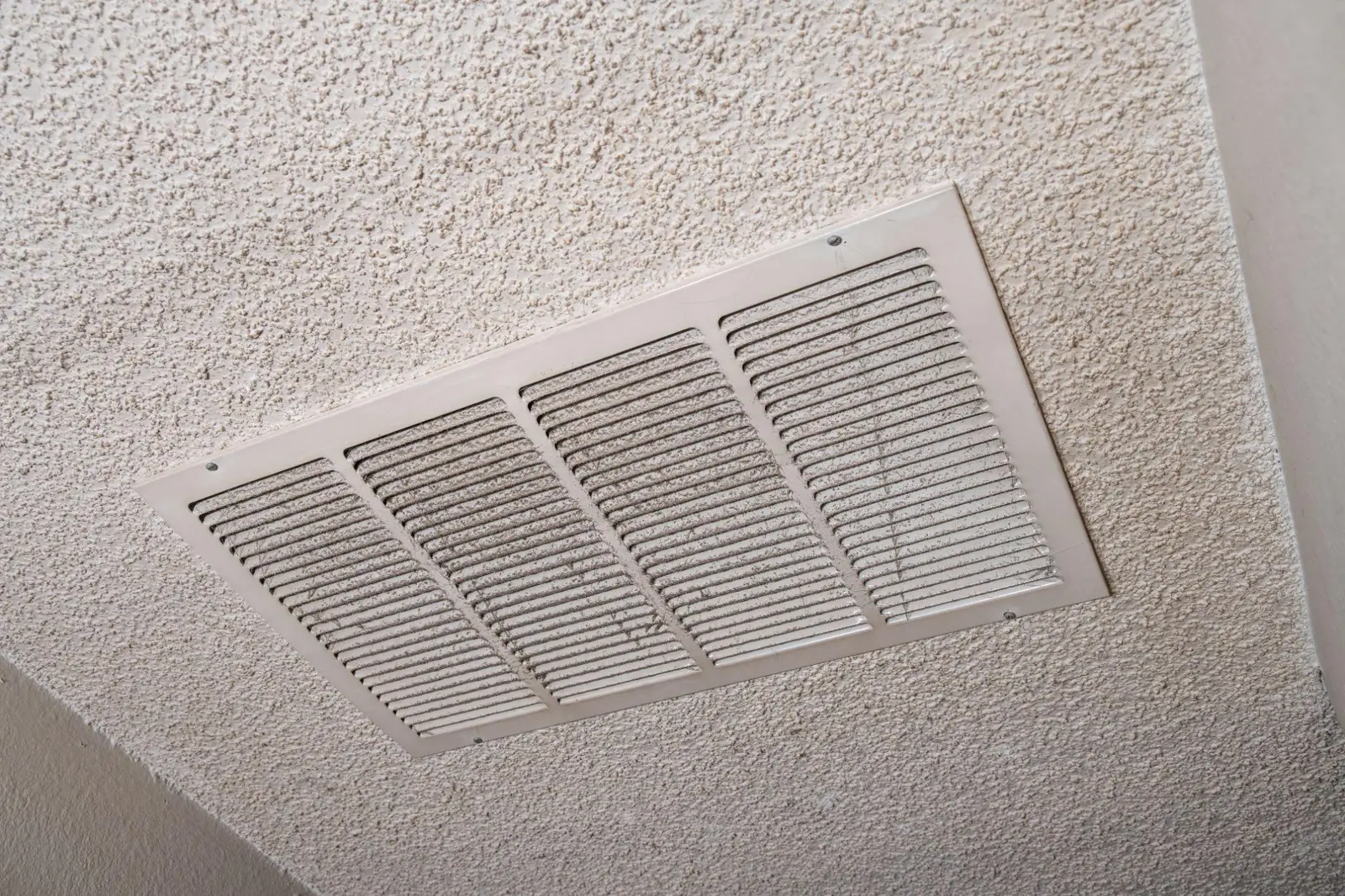
The federal ban on asbestos in textured spray products was enacted in 1978, but manufacturers were legally allowed to sell existing inventories, meaning homes built up through 1986 may still contain asbestos in popcorn ceilings. Acoustic spray-on finishes manufactured before and during this transition contained chrysotile asbestos fibers to add fire resistance, soundproofing, and structural binding. If your home was constructed prior to the late 1980s, you must test the textured ceiling before scraping, sanding, or disturbing the material.
Quick Reference Summary for Asbestos in Popcorn Ceilings
Homeowners planning ceiling updates or texture removal projects frequently encounter questions surrounding acoustic finishes. Uncontained removal of asbestos-bearing materials releases microscopic mineral fibers into the air, creating severe indoor air quality hazards. Regional construction waves, housing inventory ages, and environmental factors influence how popcorn ceiling materials behave over time. In historic Northern urban centers built during the post-war housing boom of the 1960s and 1970s, uninsulated attic spaces subject ceiling drywall to intense freeze-thaw cycles, making older acoustic mud brittle and prone to flaking. In humid Southern coastal regions, persistent indoor humidity causes unpainted popcorn ceilings to absorb ambient moisture, which degrades the adhesive binders and increases the risk of fiber release. In high-altitude Western mountain regions where rapid indoor drying occurs during winter heating periods, friable ceiling textures can crumble easily if bumped by ceiling fan installations or light fixture changes. Below is a detailed technical guide covering regulatory timelines, safety testing, and handling protocols for popcorn ceilings.
- Official Federal Ban Year: 1978 under the Clean Air Act ban on spray-applied surfacing materials.
- Inventory Run-Out Period: Existing stockpiles were installed in residential homes built up through 1986.
- Primary Mineral Component: Chrysotile asbestos mixed into joint compound and vermiculite texturing agents.
- Safe Action Standard: Test all pre-1990 acoustic ceilings using EPA-accredited laboratories before scraping, sanding, or repairing.
What Regulations Governed the Phase-Out of Asbestos Acoustic Ceilings?
Understanding the timeline of asbestos regulations helps determine whether your ceiling requires testing before renovation work begins. Official historical timelines documented by the U.S. Consumer Product Safety Commission (CPSC) detail how consumer exposure risks led to federal intervention across building material sectors.
In 1978, the U.S. Environmental Protection Agency banned the manufacture of spray-applied asbestos-containing surfacing materials under the Clean Air Act. The regulation targeted spray-on acoustical plaster and textured ceiling finishes because spraying released high concentrations of inhalable fibers into construction environments.
However, the 1978 ban did not outlaw the sale or installation of existing asbestos-containing ceiling products already produced and stored in supplier warehouses. Supply chains continued selling off inventory throughout the late 1970s and early 1980s.
As a result, homes constructed as late as 1986 frequently feature popcorn ceilings with asbestos concentrations ranging from 1 percent to over 10 percent. Contractors treat any textured ceiling installed prior to 1990 as potentially contaminated until certified lab testing proves otherwise.
If you are sorting through older paint supplies in your garage to see if you can cover up minor ceiling stains, review our guide on can you use old paint to assess product quality.
“Pro Tip 1: Polarized Light Microscopy (PLM) vs. Transmission Electron Microscopy (TEM). Never rely on DIY chemical wipe kits to verify asbestos content in textured ceilings. Professional environmental testing requires collecting a full-depth core sample (including the texture layer and underlying joint compound) and sending it to a National Voluntary Laboratory Accreditation Program (NVLAP) accredited facility. Labs utilize Polarized Light Microscopy (PLM) under EPA Method 600/R-93/116 to count asbestos fibers down to 1 percent concentration. If PLM results are inconclusive or show trace amounts below 1 percent, request Transmission Electron Microscopy (TEM) for definitive analysis before disturbing the surface.”
How Do You Test Popcorn Ceilings for Asbestos Safely?
Testing textured ceilings requires controlled sampling techniques to prevent releasing airborne asbestos dust into living areas.
Step 1: Isolate the Sampling Area
Turn off central HVAC systems, fans, and air circulators to prevent dust movement. Lay down plastic sheeting directly beneath the sample site.
Step 2: Wet the Surface Thoroughly
Fill a spray bottle with water mixed with a few drops of liquid dish soap. Mist a small 2-inch by 2-inch area of the popcorn ceiling until it is fully saturated. Wetting the texture prevents microscopic fibers from breaking loose during extraction.
Step 3: Extract a Full-Depth Core Sample
Put on an N95 or P100 respirator, eye protection, and disposable gloves. Using a sharp utility knife or chisel, scrape a full-depth sample of the texture and underlying joint tape down to the bare sheetrock.
Step 4: Seal and Label the Container
Place the sample into a heavy-duty, sealable plastic bag. Wipe the outside of the bag with a wet paper towel, seal it securely, and label it with the room location and collection date.
Step 5: Seal the Test Location
Dab a small patch of joint compound or spackle over the scraped area on the ceiling to encapsulate any exposed edges, then send the sample to an accredited laboratory. If your home interior requires wall updates alongside ceiling testing, read our feature on what is color drenching for modern monochromatic painting concepts. For exterior masonry maintenance, check out our guide on can you clean limewashed brick. Learn more about our national coating standards via That 1 Painter.
“Pro Tip 2: Chain-of-Custody and Hazardous Waste Containment. When removing confirmed asbestos-containing materials (ACMs), state and federal hazardous waste laws mandate strict chain-of-custody protocols. Asbestos waste cannot be disposed of in standard municipal trash dumpsters. Scraped material must be saturated with a wetting agent, double-bagged in 6-mil leak-tight plastic bags clearly marked with OSHA warning labels, and transported to a licensed class I industrial waste landfill using a certified hazardous material manifest.”
Technical Comparison of Popcorn Ceiling Management Options
This reference table outlines handling protocols, safety measures, cost profiles, and long-term considerations for managing textured ceilings.
- Encapsulation (Paint Sealing): asbestos present but undisturbed. Containment: light plastic drops, low-pressure application. Prep: vacuum with a HEPA filter, oil-based primer. Durability: high (stabilizes fibers if left intact).
- Skim Coating Over Texture: asbestos present but undisturbed. Containment: full room plastic lining, HEPA air scrubbers. Prep: bind the surface with an acrylic film, skim joint mud. Durability: high (creates a smooth flat finish).
- Drywall Over-Framing (1/4 Inch): asbestos present but undisturbed. Containment: dust containment, negative air machine. Prep: screw 1/4 inch drywall over the existing texture. Durability: maximum (completely seals the original ceiling).
- Wet Scraping and Removal: asbestos present (requires abatement). Containment: Class I full containment zone. Prep: complete removal to the bare drywall substrate. Durability: complete elimination (requires a certified crew).
If you are refinishing adjoining cabinetry, doors, or woodwork during home upgrades, review our guide on painting cabinets with doors for smooth application techniques.
“Pro Tip 3: Wet Scraping Surfactant Solutions vs. Encapsulation. Never scrape dry popcorn ceilings, even if lab tests confirm the material is asbestos-free. Dry scraping releases massive volumes of respirable crystalline silica dust from joint compound. When removing non-asbestos popcorn ceilings, mix water with a dedicated surfactant or penetrant fluid at a 1:50 ratio. The surfactant reduces surface tension, allowing water to soak completely through the decorative texture and break the adhesive bond at the drywall face paper within 10 minutes, allowing clean removal without gouging.”
What Are the Options for Managing Asbestos Popcorn Ceilings?
If testing reveals asbestos in your popcorn ceiling, you do not always need to perform expensive full-scale abatement. Environmental management standards published by the U.S.
Environmental Protection Agency (EPA) emphasize that asbestos-containing materials in good condition present minimal health risks if left undisturbed.
- Encapsulation with Paint: If the acoustic texture is structurally sound and firmly attached, painting it seals the fibers beneath a protective film. Use an airless sprayer with an oil-based or specialized binding primer to avoid disturbing the texture with heavy paint rollers.
- Covering with Drywall: Installing 1/4-inch or 3/8-inch gypsum board directly over the existing popcorn ceiling buries the asbestos behind a solid barrier. Fasten the new drywall sheetrock directly to the ceiling joists using long drywall screws.
- Professional Abatement and Removal: If the ceiling is sagging, water-damaged, or crumbling, full abatement is necessary. Licensed abatement contractors seal off the room with plastic containment sheeting, establish negative air pressure using HEPA filtration units, wet-scrape the material, and dispose of the hazardous waste legally. If ceiling repairs or drywall overlay installations leave damaged drywall edges or seam cracks behind, utilize our professional drywall repair services to restore seamless wall surfaces. Combine ceiling restoration with our interior house painting services or exterior house painting services to update your property.
Workplace containment and worker exposure limits enforced by the Occupational Safety and Health Administration (OSHA) require strict air monitoring and respiratory protection whenever handling asbestos building materials.
Answers to Common Questions About Asbestos in Popcorn Ceilings
What Is the Health Risk of Asbestos Popcorn Ceilings?
Asbestos fibers are dangerous only when released into the air and inhaled. Microscopic fibers become trapped in lung tissue, which over decades of exposure can lead to serious respiratory diseases including mesothelioma, lung cancer, and asbestosis. Undisturbed popcorn ceilings in good condition do not pose an immediate health hazard.
Can I Paint Over Popcorn Ceilings That Contain Asbestos?
Yes, you can paint over asbestos popcorn ceilings if the texture is stable and not peeling. Painting acts as an encapsulation method that binds the fibers together. Always use an airless spray gun rather than a roller, as rolling can pull wet texture off the ceiling and release fibers into the air.
How Much Does It Cost to Test a Popcorn Ceiling for Asbestos?
Sending a ceiling sample to an accredited independent laboratory typically costs between $30 and $100 per test. Hiring an environmental consultant to perform professional on-site sampling and reporting generally costs between $250 and $500.
How Do I Know if My Popcorn Ceiling Has Asbestos Without Testing?
It is impossible to identify asbestos in a popcorn ceiling by visual inspection alone. The color, texture, and pattern of asbestos-bearing ceiling mud look identical to non-asbestos formulations. Laboratory analysis via microscopic testing is the only definitive identification method.
What Should I Do if My Asbestos Popcorn Ceiling Is Water Damaged?
Water damage breaks down the adhesive binders in popcorn ceilings, causing the texture to sag, crumble, and drop hazardous fibers. Do not attempt to scrape or vacuum water-damaged asbestos ceilings yourself. Contact a certified asbestos abatement contractor immediately to isolate the room and remove the damaged material safely.
Ready for Professional Interior Painting and Drywall Services?
Managing textured ceilings, executing proper surface preparation, and applying factory-smooth interior paint coatings require specialized equipment and technical expertise. Let our experienced painting crews transform your interior spaces safely and efficiently.
Note: Pricing estimates are based on 2026 regional averages. Every home is unique, and final quotes require an on-site assessment to account for material costs, prep work, and structural conditions.
Contact That 1 Painter today to schedule your detailed, obligation-free on-site estimate and upgrade your ceilings with complete confidence. Book Your Free Professional Estimate Now
