By Ben M.
Removing a popcorn ceiling typically costs between $1.50 and $3.50 per square foot for standard wet-scraping and smooth drywall finishing, bringing the total cost for an average 500-square-foot room to between $750 and $1,750. If the acoustic spray contains asbestos, certified environmental abatement increases removal costs to $3.00 to $8.00 or more per square foot. Final pricing depends on ceiling height, whether the texture has been painted over, asbestos testing results, and the extent of drywall skimming needed after scraping. The direct answer is: plan for $1.50 to $3.50 per square foot for unpainted texture, but request professional testing before work begins to avoid unexpected remediation expenses.
Quick Reference Summary for Popcorn Ceiling Removal Costs
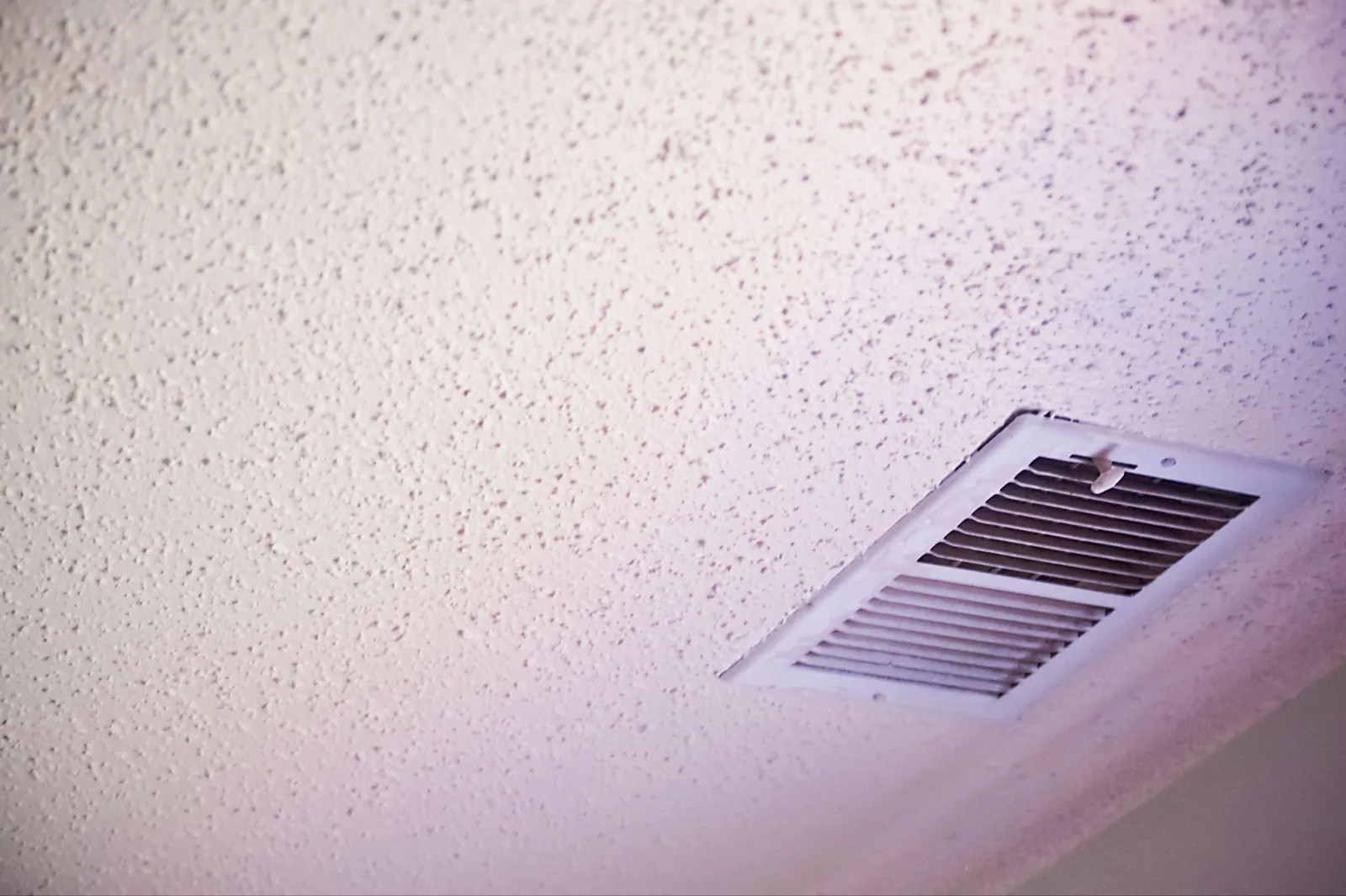
Acoustic spray texture was applied widely across mid-century American residential construction to mute sound echo and conceal imperfect ceiling drywall seams. Today, removing popcorn ceilings is one of the most effective ways to modernize an interior space and boost home resale value. However, structural factors, regional housing styles, and climate conditions alter project scope and overall labor pricing across different regions.
In humid Southern coastal homes built during the 1960s and 1970s, high ambient humidity often softens the underlying drywall joint compound, requiring extra skim-coating labor after wet-scraping. In Western markets dominated by track homes with vaulted two-story ceilings, scaffolding requirements and high reach access increase setup costs. In historic Northern properties where older acoustic ceilings were painted repeatedly over winter seasons to cover coal or radiator soot, wet-scraping is ineffective, often requiring dry-sanding or drywall overlays. Below is a complete cost breakdown, pricing variables, and technical removal methodologies.
- Standard Wet-Scraping Cost: $1.50 to $3.50 per square foot for unpainted acoustic texture.
- Asbestos Abatement Cost: $3.00 to $8.00+ per square foot for containment, removal, and disposal.
- Drywall Overlay Alternative: $2.50 to $4.50 per square foot to cover texture with 3/8-inch drywall boards.
- Lab Testing Fees: $30 to $100 for mail-in sample testing; $250 to $500 for on-site technician inspection.
How Much Does It Cost to Remove a Popcorn Ceiling?
Understanding cost distributions per room size helps homeowners budget accurately for living room, bedroom, or whole-house ceiling updates.
For a small bathroom or hallway spanning 50 to 100 square feet, homeowners typically spend between $150 and $400 for complete texture removal and refinishing. Standard bedrooms measuring 150 to 250 square feet cost between $300 and $875. Larger living areas from 400 to 600 square feet range from $600 to $2,100, while whole-home interior ceiling removals spanning 1,500 to 2,500 square feet cost between $2,250 and $8,750.
Labor accounts for roughly 75 to 80 percent of total project costs because masking walls, laying heavy floor containment plastic, scraping overhead, and troweling drywall skim coats require significant hand labor.
What Factors Drive the Cost of Popcorn Ceiling Removal?
Several technical variables determine whether your ceiling removal stays on the lower end of the pricing scale or requires premium labor. Technical standards from the Master Painters Institute (MPI) outline how substrate condition affects labor requirements during surface preparation.
1. Painted vs. Unpainted Acoustic Texture
Unpainted popcorn texture absorbs water readily, allowing contractors to spray a light water mist that dissolves the water-soluble binder so the texture scrapes off easily. If previous owners painted over the popcorn ceiling with latex or oil paint, water cannot penetrate the texture.
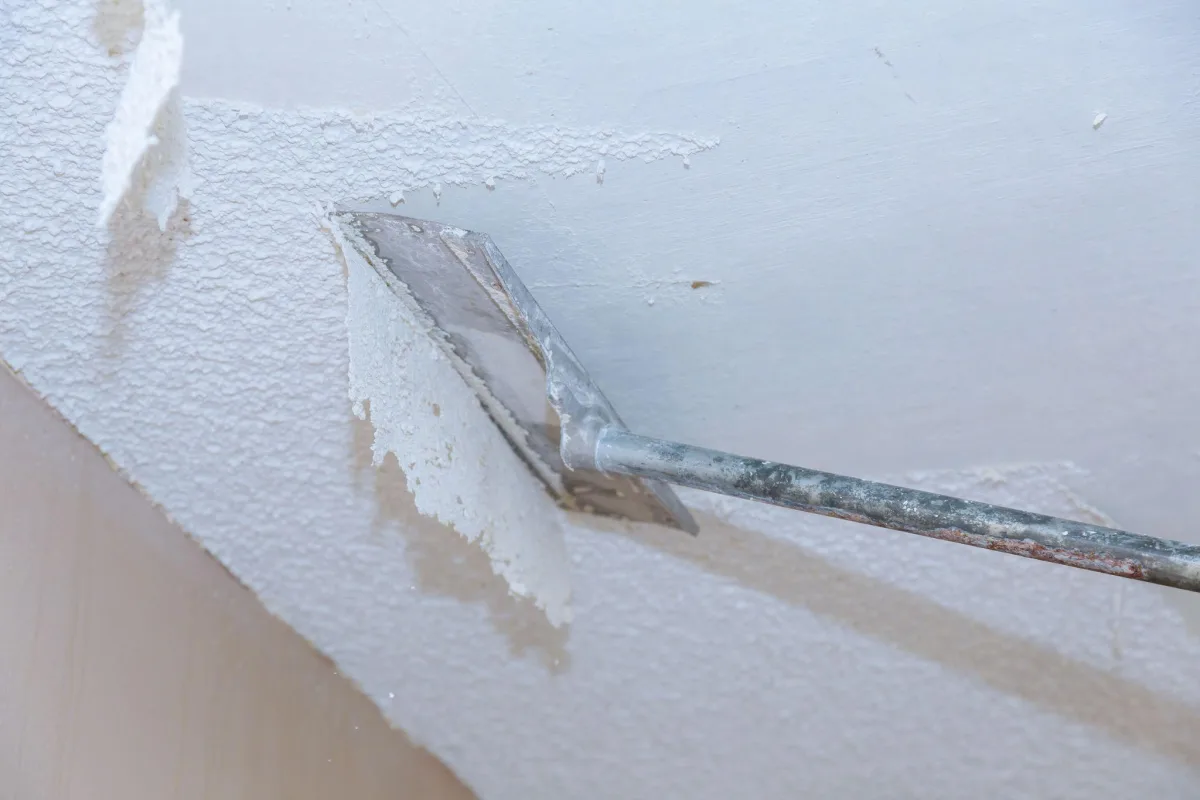
Removing painted popcorn ceiling texture requires dry-scraping, chemical stripping, or heavy power-sanding, which can double labor costs.
2. Ceiling Height and Architectural Features
Standard 8-foot flat ceilings allow technicians to work efficiently from low stilts or standing steps. Vaulted ceilings, multi-level tray ceilings, or stairwell overhangs require erecting interior staging or heavy mobile scaffolding. High-reach access adds 20 to 35 percent to total project costs.
3. Asbestos Testing and Remediation Requirements
Before disturbing any acoustic ceiling texture installed prior to 1986, testing for asbestos content is critical. Safety standards published by the United States Environmental Protection Agency (EPA) mandate strict containment protocols if material contains more than 1 percent asbestos. The Occupational Safety and Health Administration (OSHA) enforces regulations regarding negative air machines, sealed plastic containment zones, and certified hazardous waste disposal. If asbestos is present, expect abatement pricing to start at $3.00 to $8.00 per square foot.
If you are evaluating saved paint cans in your garage to touch up walls after ceiling removal, read our article on can you use old paint to verify material usability.
“Pro Tip 1: The Surfactant Penetration Test for Painted Texture. Before quoting or starting a wet-scrape removal, perform a quick absorbency test. Spray a small 6-inch section of texture with a mixture of warm water and 5 percent dish soap surfactant. If the water beads up or runs off after 3 minutes, the texture is sealed with latex paint. To bypass this barrier without gouging drywall, score the surface light-handed using a cross-hatch wallpaper scoring tool to create micro-fissures that allow moisture to reach the water-soluble binder underneath.”
Should You Scrape, Skim Coat, or Cover Popcorn Ceilings?
Depending on the ceiling's age, painted condition, and structural stability, professional painters use three main methods to create a smooth ceiling.
Method 1: Wet-Scraping and Finishing
This is the standard approach for unpainted popcorn ceilings. The ceiling is wetted, scraped down to bare drywall, coated with a joint compound skim coat, sanded smooth, primed, and topcoated.
Method 2: Skim-Coating Over the Texture
If the popcorn ceiling is painted, intact, and free of asbestos, skim-coating directly over the texture is often more cost-effective than scraping. Technicians apply two to three tight coats of heavy setting-type joint compound (Durabond) straight over the texture peaks, sanding it to a Level 5 smooth wall finish.
Method 3: Covering with 3/8-Inch Drywall Panels
When acoustic spray contains asbestos or has multiple thick layers of oil paint, burying the ceiling is safer and cheaper than abatement. Installers screw lightweight 3/8-inch or 1/2-inch drywall panels directly through the acoustic ceiling into the wood ceiling joists, then tape, mud, and finish the new drywall panels.
If your ceiling project reveals damaged ceiling joints, combine your renovation with our drywall repair services. You can also update room aesthetics with our interior house painting services or protect your home exterior using our exterior house painting services.
“Pro Tip 2: Level 5 Skim-Coat Ridge Isolation Technique. Wet-scraping popcorn texture almost always tears the top paper layer of old drywall, leaving rough paper fuzz and exposed joint tape. Never apply standard topping mud directly over bare torn drywall paper; the water in the mud will cause paper bubbles. Spray a coat of solvent-based or penetrating acrylic sealer over the scraped drywall first. Once hardened, trowel a 50/50 mix of setting compound and light topping mud for your first skim coat to lock down the surface without blistering.”
Popcorn Ceiling Removal Method Cost and Labor Comparison
This technical reference table breaks down average costs, labor hours, and mess factors for the primary popcorn ceiling conversion methods.
If your interior renovation involves updating color palettes across adjacent rooms, review our guide on what is color drenching.
If your home care projects include brick or woodwork, read our articles on can you clean limewashed brick and painting cabinets with doors. Learn more about our national brand standards via That 1 Painter.
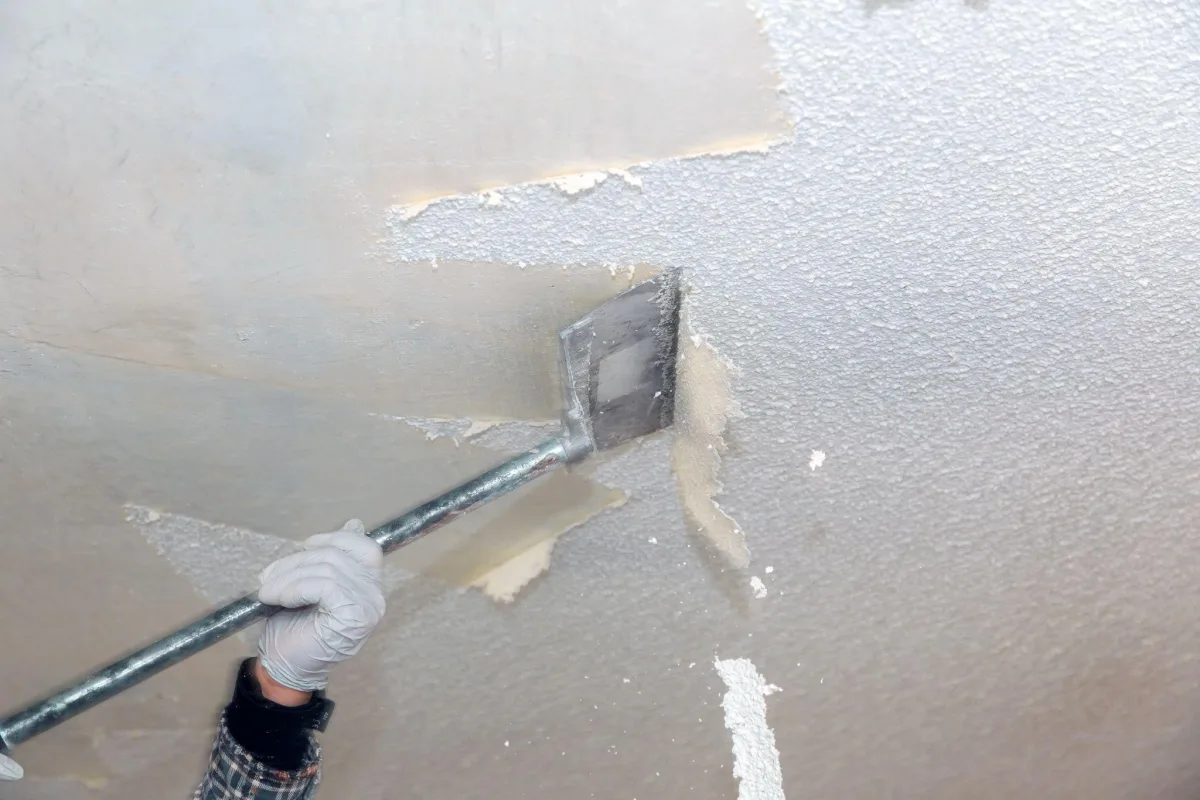
- Standard Wet-Scrape: $1.50 to $3.50 per square foot. Labor: wetting, scraping, spot skimming, prime plus 2 paint coats. Mess: high slurry mess; moderate dust after sanding.
- Direct Skim-Coat: $2.00 to $4.00 per square foot. Labor: bonding primer, 2 to 3 coats of setting compound, full sanding. Mess: high airborne dust during final sanding.
- Drywall Overlay: $2.50 to $4.50 per square foot. Labor: board hanging, seam taping, 3-coat mudding, prime plus paint. Mess: moderate dust during seam sanding.
- Asbestos Abatement: $3.00 to $8.00+ per square foot. Labor: plastic isolation, negative air, wet abatement, hazmat disposal. Mess: zero dust release outside the sealed containment zone.
“Pro Tip 3: Continuous Negative Air Dust Control Setup. Even non-asbestos popcorn ceiling scraping creates fine gypsum dust that can clog home HVAC filters and settle in nearby rooms. Professional crews seal off all door openings with heavy plastic zipper doors and place a 1,000 CFM HEPA air scrubber inside the room. Duct the exhaust out a nearby window to establish continuous negative air pressure, keeping microscopic dust from entering adjacent living spaces.”
Answers to Common Questions About Popcorn Ceiling Removal Costs
Is it worth removing popcorn ceilings?
Yes, removing popcorn ceilings is generally worth the investment. Modernizing your ceilings improves indoor lighting distribution, eliminates dust traps, makes ceiling repairs easier, and provides a strong Return on Investment (ROI) by increasing buyer appeal during home resale.
Can I scrape my popcorn ceiling myself to save money?
You can scrape unpainted, non-asbestos popcorn ceilings yourself to save labor costs. However, DIY scraping often leads to gouging the underlying drywall paper, requiring extensive skim-coating and joint repair skills to achieve a smooth finish. Always test for asbestos before starting any DIY scraping.
How long does it take to remove popcorn ceilings in a whole house?
Removing popcorn ceilings across an average 2,000-square-foot home takes a professional crew 3 to 5 workdays. Day 1 involves masking walls and floors; Day 2 is for scraping texture; Days 3 and 4 are for skim-coating, sanding, and priming; and Day 5 is for applying final ceiling topcoats.
Does removing popcorn ceilings make a huge mess?
Yes, wet-scraping popcorn ceilings creates a heavy wet gypsum slurry that sticks to un-masked surfaces. Professional contractors cover 100 percent of floors and walls with heavy plastic sheeting and tape off HVAC registers to contain all mess within the workspace.
What is the cheapest way to cover up a popcorn ceiling?
The cheapest way to cover up a popcorn ceiling without scraping is skim-coating directly over intact, painted texture using setting-type joint compound, or painting it with a heavy-bodied flat ceiling paint to soften shadow lines.
Ready for a Professional Popcorn Ceiling Transformation?
Removing acoustic texture, repairing underlying drywall, and applying smooth ceiling finishes requires careful surface prep, proper safety equipment, and skilled trowel work. Let our experienced painting crews handle your ceiling transformation safely and cleanly.
Note: Pricing estimates are based on 2026 regional averages. Every home is unique, and final quotes require an on-site assessment to account for material costs, prep work, and structural conditions.
Contact the team at That 1 Painter today to schedule your detailed, obligation-free on-site estimate, and enjoy beautiful, modern ceilings. Book Your Free Professional Estimate Now
