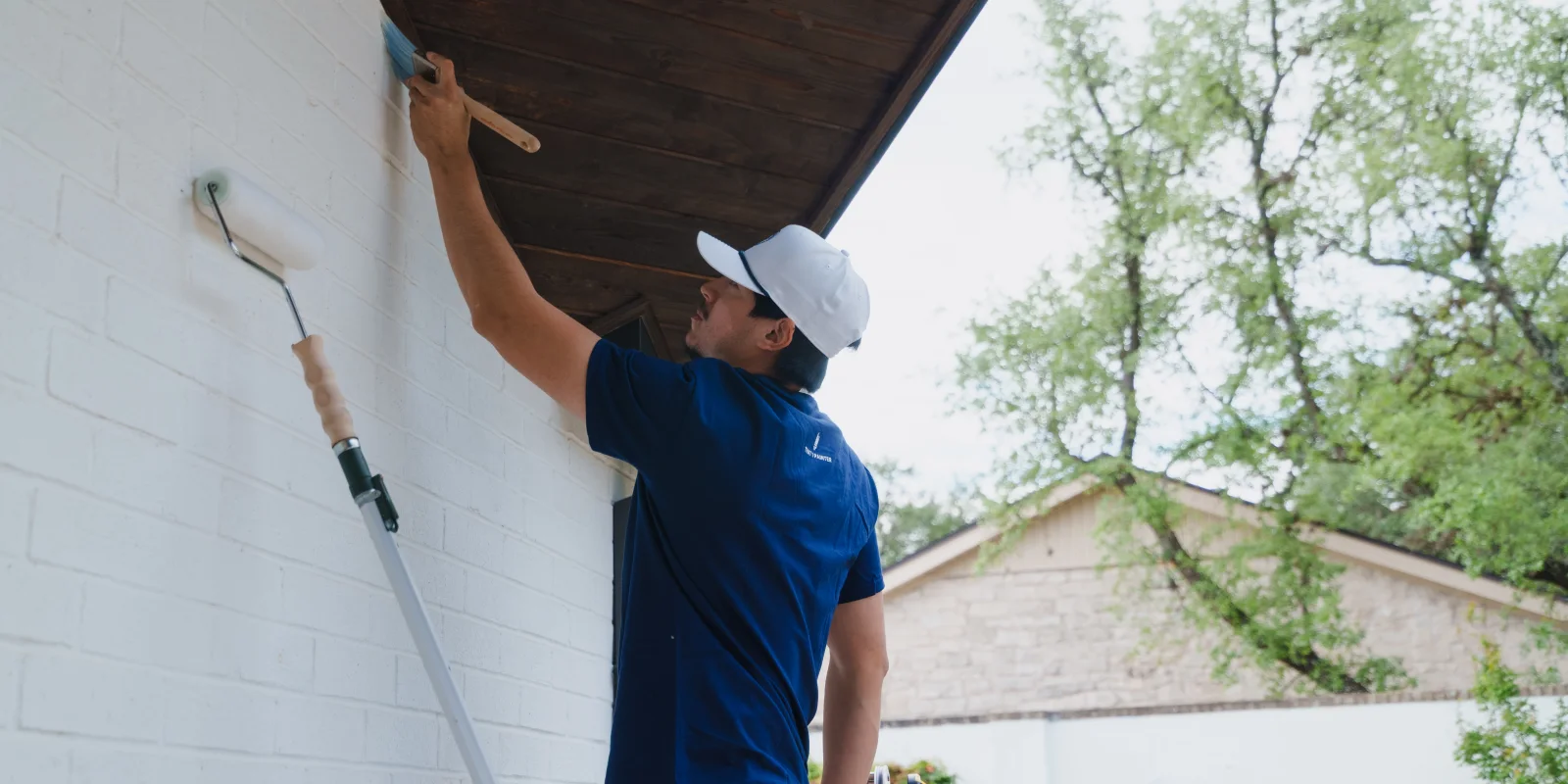
By Mary C.
Most residential exteriors need repainting every 5 to 10 years, depending on siding material, how well the last job was prepped, and your climate. Wood runs 3 to 7 years, stucco 5 to 10, fiber cement 10 to 15. But the calendar is the backup plan: inspect annually and repaint as soon as the coating starts chalking, cracking, or lifting at the edges, because that is when moisture starts reaching the substrate.
Quick Reference: Exterior Painting Schedules
Exterior paint is the building's first line of defense. Once the film breaks down, moisture gets into the siding and you move from a painting project to wood rot, crumbling stucco, or rusted fasteners.
- Wood siding and trim: every 3 to 7 years, because wood moves and stresses the coating.
- Stucco and masonry: every 5 to 10 years, using breathable masonry coatings.
- Fiber cement (HardiePlank): every 10 to 15 years, thanks to high dimensional stability.
- Aluminum and vinyl: every 10 to 12 years, using vinyl-safe acrylic topcoats.
Climate compresses those ranges. Coastal Southern salt fog, humidity, and UV break acrylic binders down fast enough to want repainting near the 5-year mark. Dry Western sun drives thermal movement that micro-cracks stucco on south-facing elevations. Northern freeze-thaw traps moisture under aging wood film and pops it off the siding.
Painting Frequency by Siding Material
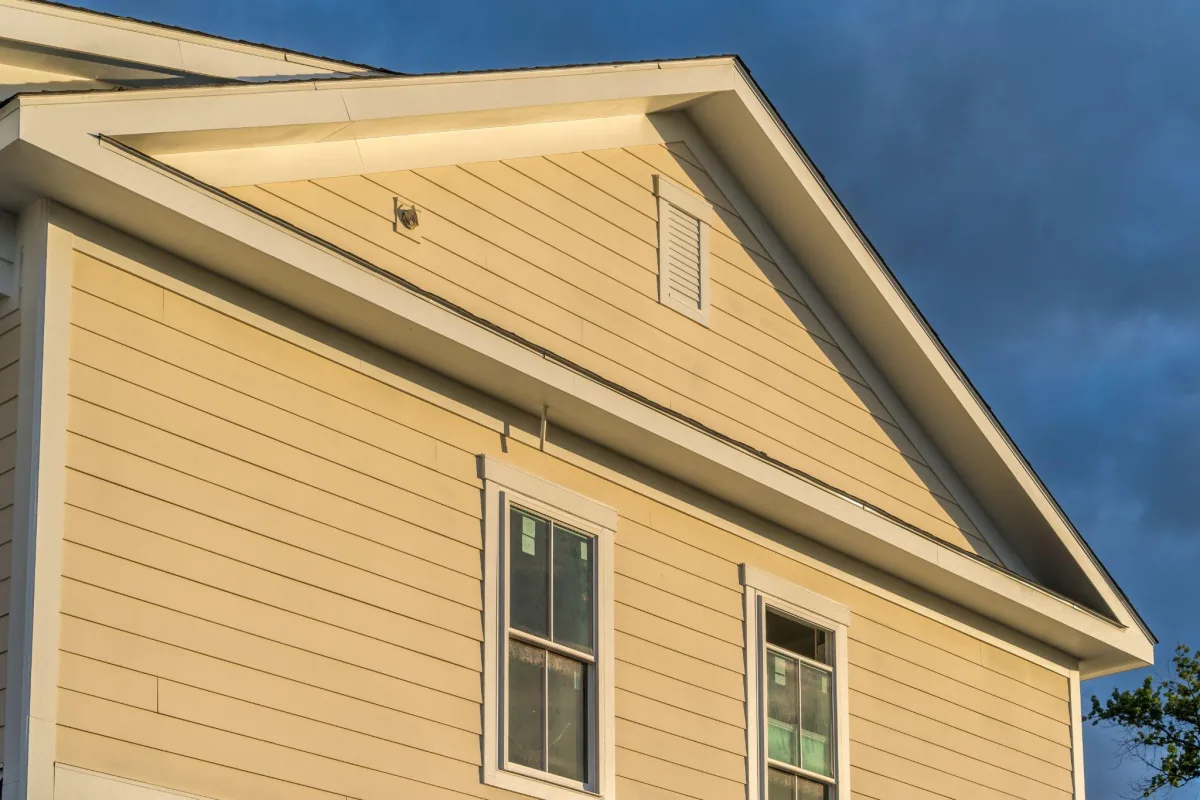
Materials hold paint differently based on porosity, flexibility, and how much they move with moisture. Standards from the Master Painters Institute highlight how substrate movement drives long-term adhesion.
Wood Siding and Trim: 3 to 7 Years
Wood expands and contracts with every humidity swing, which puts constant tension on the topcoat. Window sills, door frames, and fascia fail well before flat lap siding does, so those spots usually drive the repaint timeline.
Stucco and Exterior Plaster: 5 to 10 Years
Stucco is porous and moves with temperature. The material outlasts the coating: standard latex on stucco degrades from ground moisture wicking and UV, showing up as hairline cracks and surface chalking.
Fiber Cement: 10 to 15 Years
Engineered fiber cement barely moves and does not absorb water like timber, so high-grade 100% acrylic latex bonds tightly to the factory primer and stays put far longer.
Aluminum and Vinyl: 10 to 12 Years
Metal and vinyl do not absorb moisture, so you avoid rot-driven peeling entirely. What gets them is sun: factory finishes oxidize into a chalky powder that needs scuff-cleaning and a fresh topcoat to bring the color back.
Signs Your Exterior Paint Is Failing
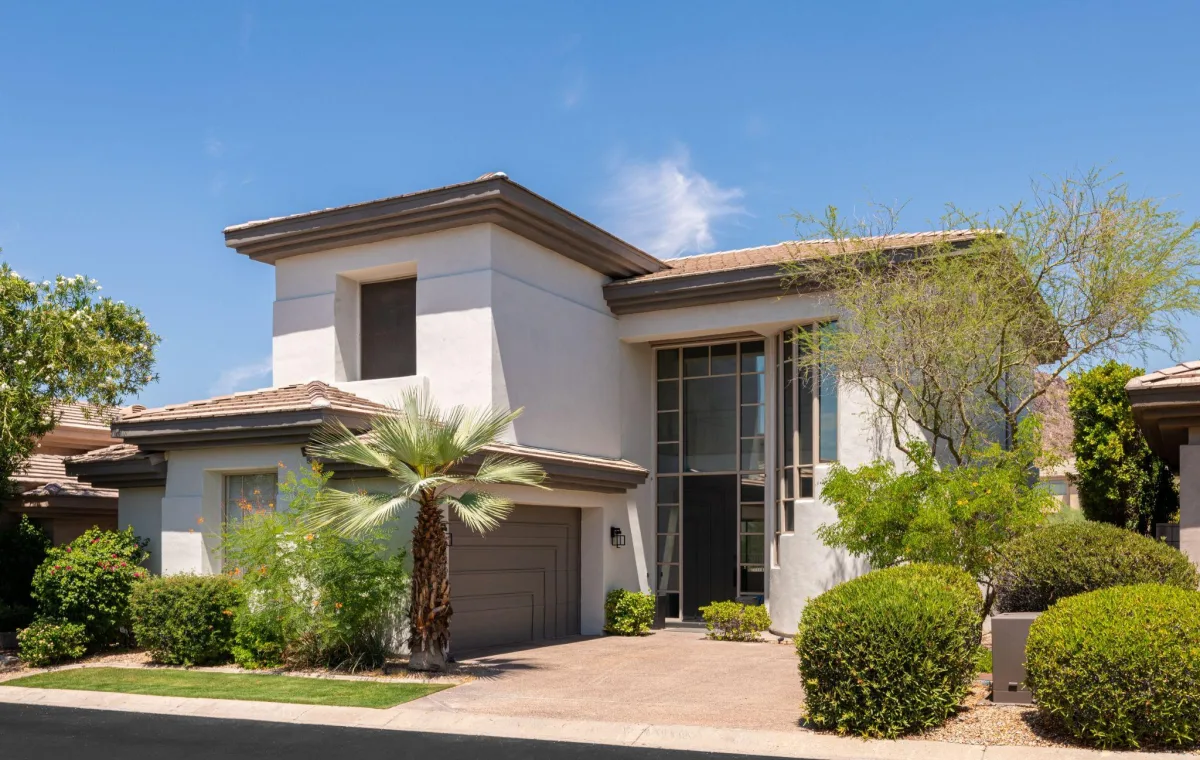
Going purely by the calendar means repainting too early or waiting until there is structural damage. These are the indicators that actually decide it.
Heavy Surface Chalking
UV breaks down binder resins and releases pigment as a powdery film. Light chalking is normal. Heavy chalking means the coating has lost its weather resistance.
Hairline Cracking and Alligatoring
When paint loses elasticity it stops stretching with the siding, and cracks spread in a reptile-scale pattern that lets rain reach the raw substrate.
Caulk Failure Along Joints
Hardened or split caulk at trim joints, window perimeters, and vertical seams means moisture is already getting behind the paint film. Guidance from the Paint & Decorating Retailers Association is to address failed caulk and hairline cracks immediately rather than waiting for the repaint. Our guide on how long caulk takes to dry covers doing that resealing properly.
If you are pulling stored paint for touch-ups, check our article on whether you can use old paint first.
“Pro tip: to check whether existing paint is sound enough to topcoat, cut a light X through the film to the substrate in an inconspicuous spot, press heavy tape firmly over it, and pull the tape off at 90 degrees. If paint lifts along the cut lines, the coating has failed and needs scraping back to sound material before you repaint.”
How Preparation Decides How Long Paint Lasts
Longevity comes from surface prep far more than from the brand on the can. Sherwin-Williams technical specs are blunt about it: paint over an unclean, chalky, or damp surface fails early no matter how good the coating is.
Proper prep means pressure washing off atmospheric contaminants, scraping loose edges, feather-sanding the transitions, sealing seams with elastomeric caulk, and spot-priming bare wood or masonry. Skipping primer over bare substrate cuts coating life by more than half.
For a full repaint, see our exterior painting services, or refresh rooms inside with interior painting. If prep turns up damaged surfaces, our drywall repair service handles those first.
“Pro tip: priming over damp wood traps water in the grain, and the first sunny day turns it to steam that lifts the new paint off the wall. Check siding with a pin-type moisture meter before priming. You want under 12 to 15 percent; above 15, give it 48 hours of dry weather.”
Exterior Repainting Schedule and Wear Matrix
Average interval, what failure looks like, and the coating system that belongs on each substrate:
- Natural wood siding: 3 to 7 years. Peeling, edge curling, bare wood exposure. Oil-based stain-blocking primer plus 100% acrylic latex.
- Stucco and masonry: 5 to 10 years. Hairline cracking, efflorescence, heavy fading. Alkali-resistant masonry primer plus elastomeric coating.
- Fiber cement: 10 to 15 years. Chalking, color fade, seam caulk separation. 100% acrylic latex satin or low-luster topcoat.
- Aluminum and vinyl: 10 to 12 years. Heavy chalking, bleaching, panel dullness. Vinyl-safe 100% acrylic latex.
For whole-home color strategy, read our feature on color drenching. For masonry and cabinetry upkeep, see cleaning limewashed brick and painting cabinets with doors.
“Pro tip: standard silicone-acrylic caulk breaks down fast on high-movement vertical siding joints. Use polyurethane or elastomeric sealant there, and for gaps deeper than 3/8 inch push in closed-cell backer rod first. That prevents three-sided adhesion and lets the joint stretch up to 50% through freeze-thaw without tearing.”
Common Questions About Painting Frequency
Can you paint your house too often?
Yes. Repainting without proper prep builds film thickness, and once total paint passes roughly 15 to 20 dry mils it loses flexibility and starts cleaving off in sheets down to bare substrate.
Does dark paint need repainting sooner?
Yes. Dark colors absorb more solar heat and UV, which accelerates resin breakdown and fading, often pulling the repaint forward 2 to 3 years compared to a light color on the same elevation.
How long does a single coat of exterior paint last?
One coat over an existing surface with no primer typically lasts 2 to 4 years. Primer plus two full topcoats builds about 4 dry mils and lasts 8 to 12 years in normal exposure.
Should you repaint or just power wash?
If the film is structurally sound with no cracking or peeling and just looks dirty or dull, a professional low-pressure wash with biodegradable detergent removes mildew and grime and buys you time.
How much does climate change paint lifespan?
A lot. Intense sun, coastal humidity, salt air, and freeze-thaw cycles cut lifespan by 30 to 50 percent compared with mild inland climates.
Ready for a Professional Exterior Inspection?
Whether a house needs spot maintenance, fresh caulking, or a full repaint comes down to substrate condition and how well the current film is still adhering. That is a walkthrough, not a guess from the curb.
Contact That 1 Painter to schedule a detailed, obligation-free on-site estimate. Every home is different, so final pricing always comes from an in-person assessment of materials, prep, and surface condition.
