By Norman R.
The best front door color depends on one question: are you selling soon or staying put? If you plan to list your home in the next year or two, black, charcoal, and deep navy are the safest choices for broad buyer appeal. If you are staying for years, the right answer is the color that makes you happy every time you walk up the path. The door is the smallest painted surface on your exterior, so it is also the lowest-risk place to take a chance on color.
Your front door sets the tone for the whole house before anyone steps inside. Listing photos, buyer drive-bys, and guest arrivals all start with that single panel. The most common mistake is choosing a color in isolation, without checking it against the siding, trim, roof, and brick that surround it.
Regional weather shifts, sun exposure, and local architecture heavily influence how front door colors look and last. In humid Southern coastal climates, intense sun and moisture fade saturated reds and blues quickly, so high-quality exterior enamels with strong UV resistance are essential. In high-altitude Western regions with dry air and strong UV, dark doors absorb heat and can soften or blister if the door faces west, making lighter or mid-tone colors safer on sun-baked entries. In historic Northern properties subject to winter freeze-thaw cycles, flexible enamels that move with wood and steel doors prevent cracking at panel joints. Below is a complete front door color guide covering resale-safe shades, bold options, finishes, and application tips.
Quick Reference Summary for Front Door Colors
- Safest Resale Colors: Black, charcoal, and deep navy read as classic and clean to the widest range of buyers.
- Bold Options: Red, teal, green, and yellow add personality and work best when you are not selling soon.
- What the Data Says: Zillow's paint color analysis has linked black and charcoal front doors with higher sale prices, but correlation is not a guarantee.
- Best Finish: Satin to semi-gloss exterior enamel resists fingerprints, weather, and daily handling.
- Golden Rule: Choose a door color that contrasts with your siding and harmonizes with your roof and trim.
Which Front Door Colors Are Best for Resale Value?
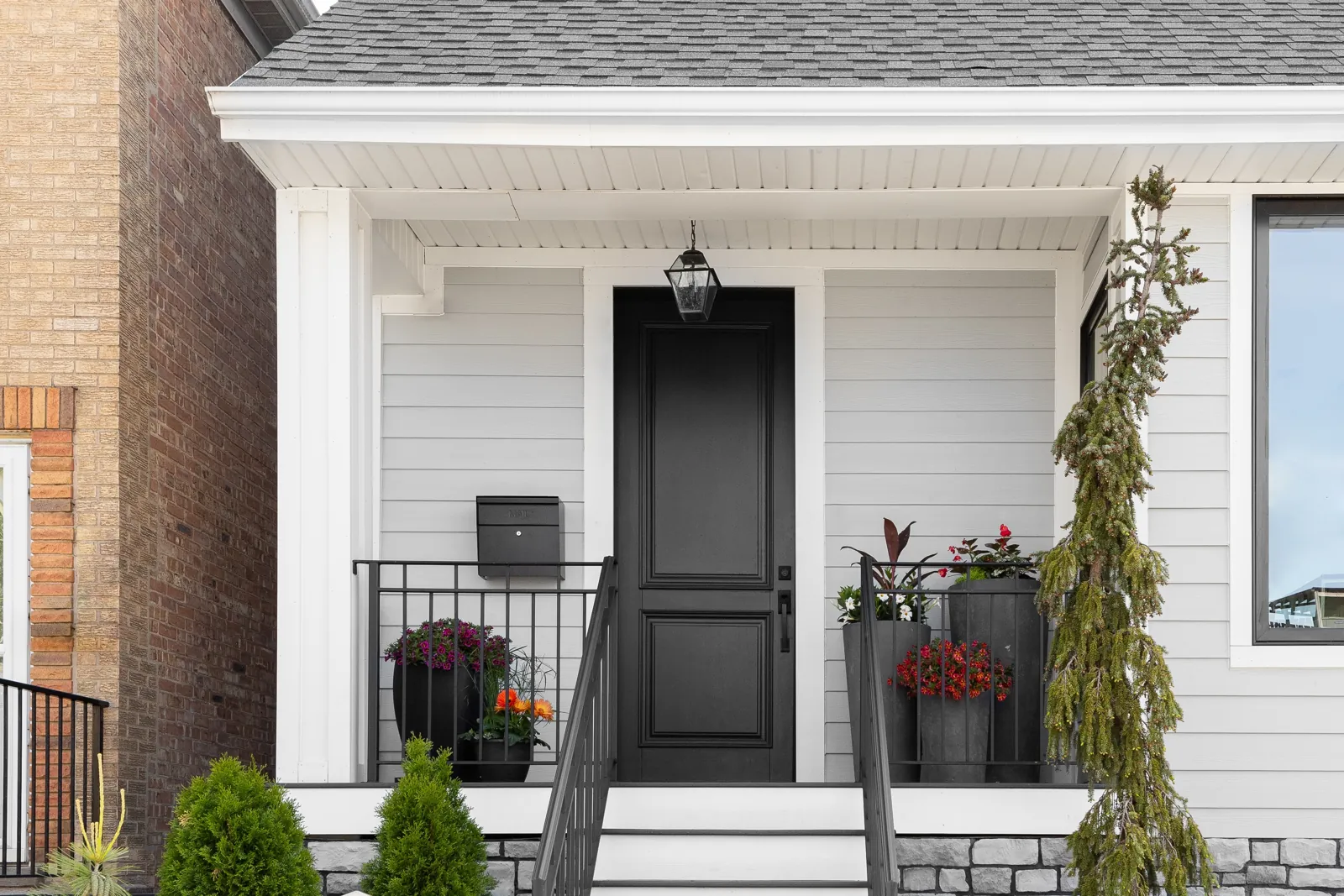
When resale is the goal, you want a color that photographs well and offends no one. Dark, neutral door colors check both boxes. They add contrast against light siding, frame the entry in listing photos, and pair with nearly every exterior palette.
- Black. Black is the classic choice for a reason. It reads as polished and confident on white, gray, beige, and brick homes. It also hides scuffs and dirt better than lighter colors.
- Charcoal. Charcoal gives you the drama of black with a slightly softer edge. It works especially well on modern farmhouse and transitional exteriors where pure black can feel harsh.
- Deep Navy. Navy is a timeless alternative that feels a bit warmer and more approachable. Sherwin-Williams Naval (SW 6244) is a popular example of a deep, saturated navy that reads almost black in shade.
Zillow has published paint color research comparing sale prices across homes with different front door colors. Its findings linked black and charcoal doors with stronger sale prices than many other colors. That data is useful, but keep it in perspective. A door color does not add value on its own. A dark, freshly painted door simply signals a well-kept home, and that signal is what buyers respond to. For more on how paint choices affect listing prices, read our guide on which paint colors increase home value.
“Pro Tip 1: Check Your Door's Sun Exposure Before Going Dark. A black or charcoal door on a west- or south-facing entry can get hot enough to soften paint. This is a bigger concern with storm doors that trap heat against the slab. Check your door manufacturer's guidance on dark colors, and use a premium exterior enamel rated for high-heat exposure.”
Do Black Front Doors Really Increase Home Value?
Black doors are associated with higher sale prices, but they do not create value by magic. Homes with black doors often have other updates, such as fresh exterior paint, new hardware, and clean landscaping. Buyers respond to the overall impression of care.
Think of the door as the finishing touch on a complete curb appeal package. A black door on a home with peeling trim and faded siding will not help much. A black door on a freshly painted exterior with crisp white trim can make the whole house look more expensive. If you are preparing to list, pair your door update with our sell-ready services to refresh the most visible surfaces before photos.
There is also a style factor. Black works on almost every architectural style, from colonial to modern. That versatility is why real estate agents recommend it so often. It is hard to get wrong.
Real estate research from Zillow has studied how front door paint colors relate to home sale prices, which is part of why dark doors like black and charcoal remain popular choices.
When Should You Choose a Bold Front Door Color?
If you are not selling for several years, choose the color that makes you smile. Your front door is the easiest exterior element to repaint. One door takes a few hours of work and less than a quart of paint, so a bold choice carries very little long-term risk.
Bold colors work best when they have a reason to be there. Here is how to choose one that looks intentional:
- Pull from the landscape. A deep green door echoes surrounding trees and shrubs. A warm terracotta or red door complements brick and stone.
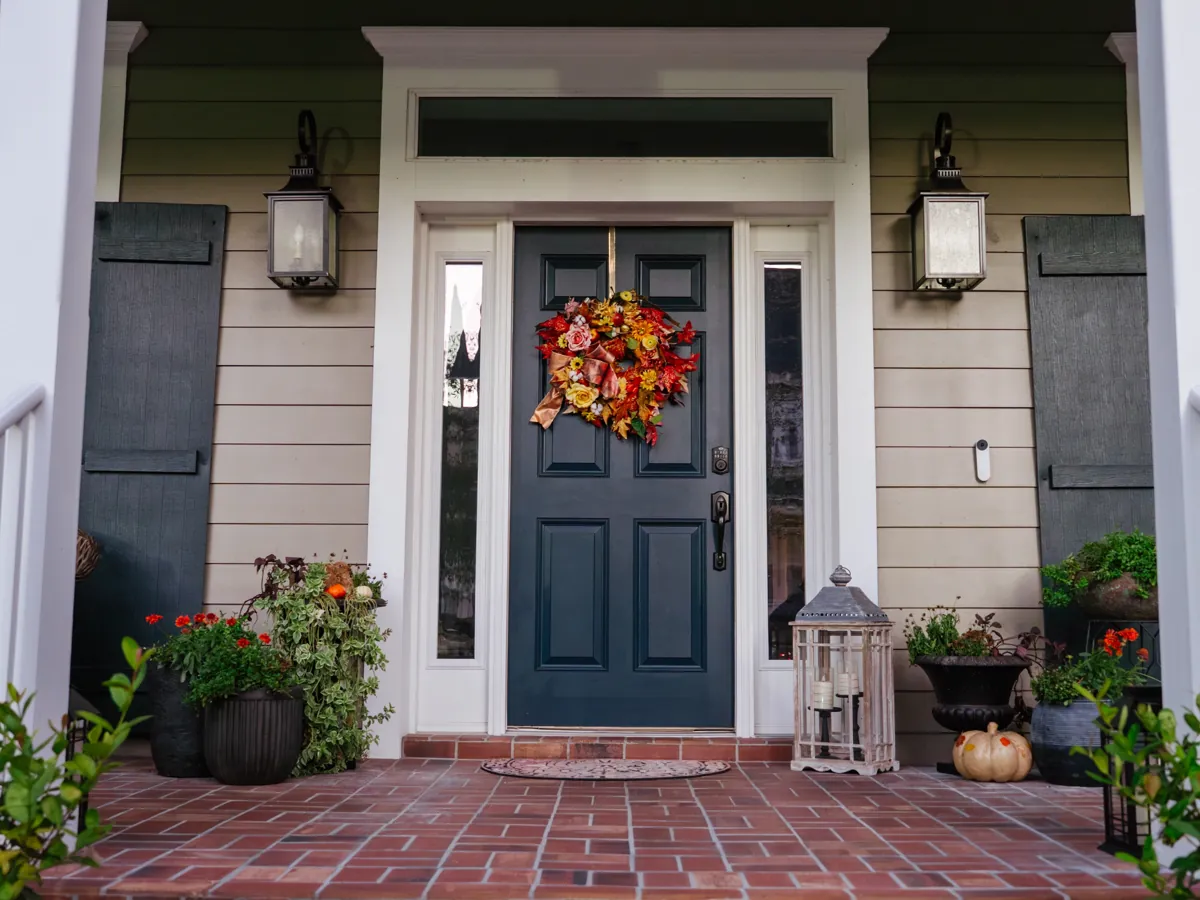
- Respect the undertones. Warm siding colors like cream and tan pair with warm door colors like red, coral, and gold. Cool siding colors like gray and white pair with blue, teal, and green.
- Keep the rest of the exterior calm. A bold door is a focal point. Let the siding, trim, and shutters stay neutral so the door can stand out.
- Match the architecture. A bright yellow door suits a cottage or beach house. A deep oxblood red suits a colonial or Tudor.
If you are refreshing the whole exterior palette at the same time, our exterior painting team can help you coordinate the door with siding and trim colors.
Technical Comparison of Popular Front Door Colors
This reference table compares common front door color families by resale appeal, maintenance, and best-fit exterior.
- Black: Very High. Low (shows dust and pollen). High. White, gray, brick, modern farmhouse.
- Charcoal: Very High. Low. High. Transitional, stone, light siding.
- Deep Navy: High. Low. Moderate to High. White, cream, colonial, coastal.
- Red: Moderate. Moderate. Moderate. Brick, colonial, traditional.
- Teal or Green: Moderate. Moderate. Moderate. Cottage, craftsman, wooded lots.
- Natural Wood Stain: High. Moderate. Moderate. Craftsman, rustic, mid-century.
How Do You Paint a Front Door So It Lasts?
A great color only looks great if the finish holds up. Front doors take more abuse than almost any other painted surface. They face direct weather, constant hand contact, keys, packages, and pets. Follow this process for a durable result:
- Remove or mask hardware: Take off knobs, kick plates, and knockers when possible. Painting around hardware leaves ragged edges.
- Clean thoroughly: Wash the door with a mild degreaser to remove hand oils, dirt, and pollen. Rinse and let it dry fully.
- Scuff-sand the surface: Lightly sand the existing finish with 180- to 220-grit sandpaper to create a bonding profile.
- Prime when needed: Use a bonding primer over bare wood, bare metal, fiberglass, or a glossy oil-based finish.
- Use a premium enamel: A urethane-modified enamel such as Sherwin-Williams Emerald Urethane Trim Enamel levels smoothly and resists blocking. Read our Emerald Urethane review for details.
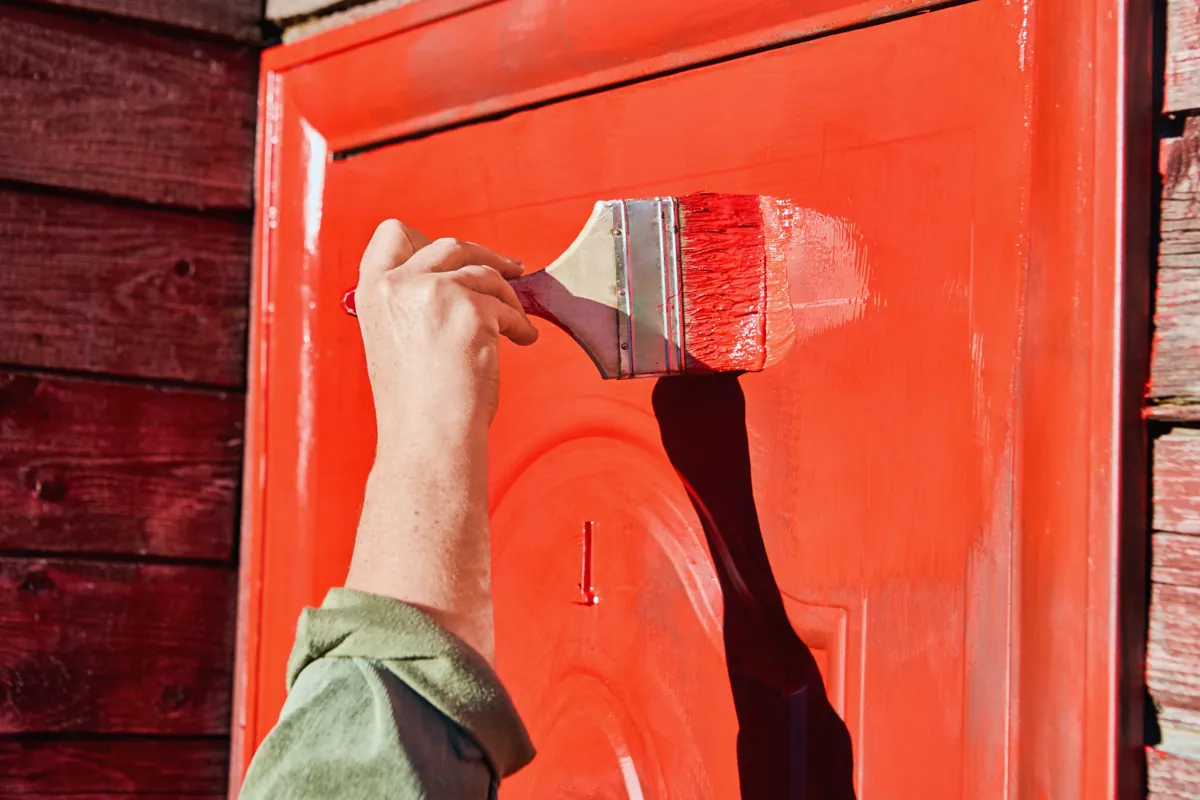
- Apply thin coats: Paint panels first, then rails, then stiles. Two thin coats beat one heavy coat every time.
- Allow full dry time: Leave the door slightly open or use painter's pyramids on the edges so it does not stick to weatherstripping.
“Pro Tip 2: Prevent Blocking on Freshly Painted Doors. Blocking is when fresh paint sticks to weatherstripping and peels off when the door opens. Most enamels feel dry in a few hours but take days to harden. Keep the door propped open as long as practical on the first day, and wait 24 hours before closing it tightly against the seal.”
If your door and trim were painted before 1978, the U.S. Environmental Protection Agency (EPA) recommends testing for lead before sanding, and the U.S. Consumer Product Safety Commission (CPSC) banned lead-based paint for residential use in 1978.
What Are the Most Common Front Door Color Mistakes?
- Ignoring the Roof: A warm brown roof can clash with a cool blue-gray door. Always check the door color against roofing.
- Skipping Samples: A swatch under store lights looks nothing like a door in afternoon sun. Paint a sample board and view it outside.
- Choosing Flat Paint: Flat finishes absorb dirt and fingerprints. Use satin, semi-gloss, or gloss enamel.
- Forgetting the Inside Face: The interior side of the door should coordinate with the entry hall, not just the exterior.
- Painting in Direct Sun: Hot surfaces cause enamel to dry too fast, leaving lap marks and brush lines.
“Pro Tip 3: Paint the Door Edges to Match the Side You See. A common professional rule keeps door edges from looking wrong when the door is open. For a front door that swings into the house, paint the hinge edge the interior color, since you see it from inside when the door is open. Paint the latch edge the exterior color, since it faces outward when the door closes. This keeps a bold exterior color from showing up as a stripe inside your entryway.”
Answers to Common Questions About Front Door Colors
What is the most popular front door color?
Black remains one of the most popular front door colors in the country. It is versatile, timeless, and works with nearly every siding color. Charcoal and navy follow closely as safe alternatives.
Should your front door match your shutters?
Not necessarily. Matching the door and shutters creates a cohesive look, but a contrasting door makes a stronger focal point. If your shutters are black, a red, navy, or wood-toned door often looks intentional and balanced.
What front door color is best for a white house?
Almost any color works on a white house. Black and navy create crisp, classic contrast. Red, green, and teal add personality without fighting the siding.
How often should you repaint your front door?
Most front doors need repainting every 3 to 5 years. Doors facing intense sun or heavy weather may need it sooner. Fading, chalking, and peeling at the bottom rail are signs it is time.
Can you paint a fiberglass or steel front door?
Yes, both can be painted successfully. Clean and scuff-sand the surface, then use a bonding primer and an exterior enamel. Check the door manufacturer's guidance before choosing a very dark color.
Manufacturer technical data sheets (TDS) for exterior enamels specify recoat times, cure times, and minimum application temperatures, and following them is the best way to avoid adhesion failures.
Ready for Professional Front Door and Exterior Painting?
Choosing the right door color, prepping weathered surfaces, and laying down a smooth, durable enamel takes skill and patience. Let our experienced painting teams give your entry a crisp finish that stands up to weather and daily use.
Note: Pricing estimates are based on 2026 regional averages. Every home is unique, and final quotes require an on-site assessment to account for material costs, prep work, and structural conditions.
Contact the team at That 1 Painter today to schedule your detailed, obligation-free on-site estimate, and give your home a front door that makes a lasting first impression. Book Your Free Professional Estimate Now
