By Robert R.
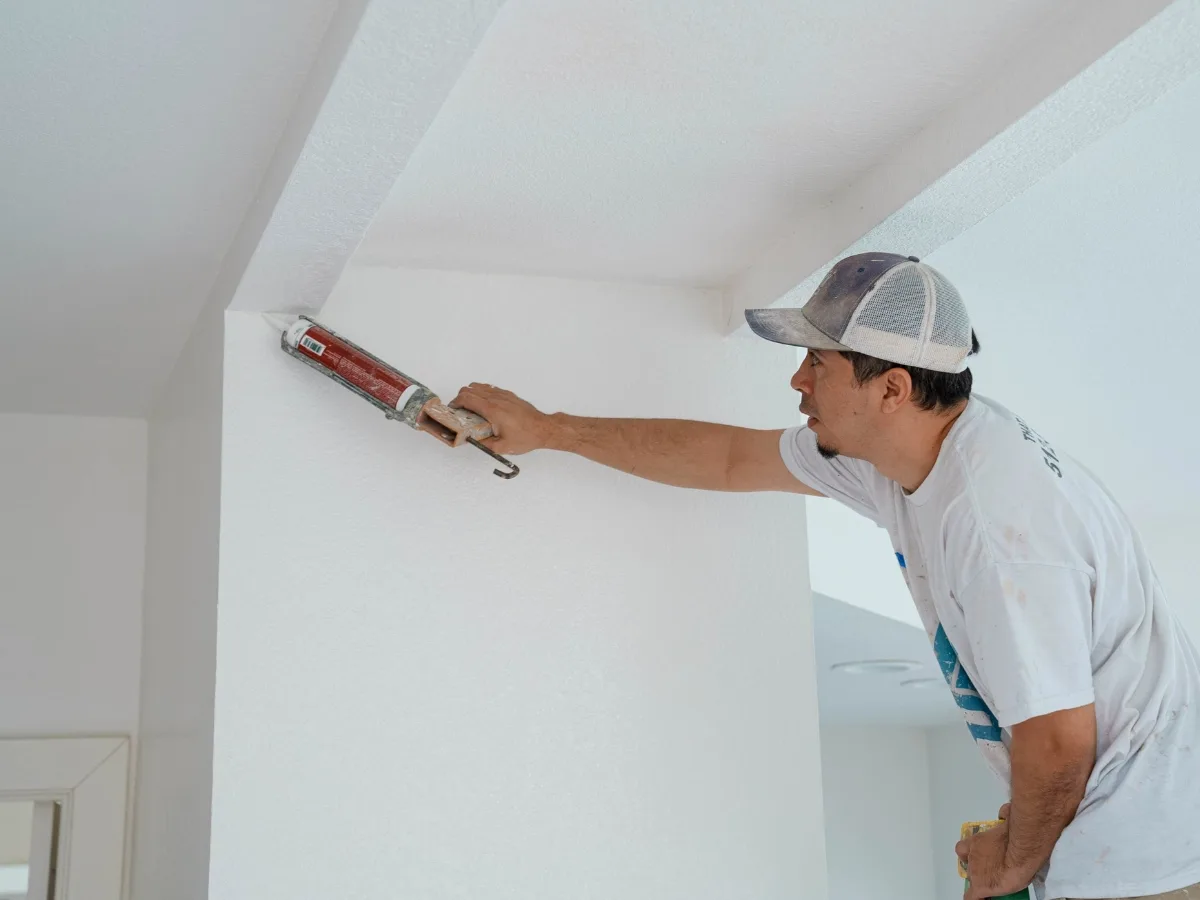
Paintable acrylic latex caulk feels dry to the touch in about 30 minutes and can usually accept paint within two hours in good room conditions. But dry to the touch is not cured. Full chemical curing takes 24 to 72 hours depending on the formula and how thick the bead is, and painting before that is the leading cause of joint coating failure.
Quick Reference: Caulk Dry Times
Paint over a soft bead and the film cracks, wrinkles, or pulls apart as the sealant underneath keeps shrinking and releasing solvent. Always check the product label, respect the paint-ready window, and treat surface drying and full curing as two separate stages.
- Acrylic latex: paint-ready in 2 to 4 hours, full cure at 24 hours.
- Silicone: water-ready in 3 to 12 hours, cured in 24 to 48, and it cannot be painted.
- Polyurethane and hybrids: 24 hours before paint, up to 7 days for full elastomeric flexibility.
- The main failure: painting over uncured caulk, which causes cracking, spider-webbing, and a broken joint seal.
Climate shifts all of these numbers. Humid Southern air slows water evaporation out of acrylic caulk while speeding the cure of 100% silicone. Cold Northern winters slow every solvent evaporation rate. Dry Western heat skins a bead over too fast and traps solvent in the core.
Caulk Dry Time vs Cure Time
These describe two different stages, and confusing them is what gets joints repainted twice.
Dry Time
Volatile liquids, water or solvent, evaporate out of the outer layer of the bead. That forms a thin skin that resists dust and takes paint without smearing. The core underneath is still soft.
Cure Time
The entire bead cross-links into a stable, flexible matrix and reaches its designed tensile strength, hardness, and joint movement capability. A bead can be paint-ready at two hours and still be days from cured.
Checking whether your materials are actually ready to use is the same discipline we cover in our guide on whether you can use old paint.
How Do Caulk Types Compare?
Paintable Acrylic Latex
The standard for interior baseboards, crown molding, and window casings. Cleans up with water, low odor, takes interior latex topcoats well. At 70°F and 50% humidity it skins in 20 to 30 minutes, is paint-ready in 2 to 4 hours, and cures within 24.
Siliconized Acrylic Latex
Acrylic paintability plus silicone polymers for water resistance and flexibility, which suits bathroom vanities, kitchen backsplashes, and exterior window frames. Skins in 30 minutes, paint-ready in 3 to 6 hours, cured in 24 to 48.
100% Silicone
Supreme waterproofing for tubs, showers, and exterior masonry joints, but it is non-porous and repels water-based paint, which beads up and fails to adhere. It cures by reacting with atmospheric moisture rather than evaporating: skin in 15 to 30 minutes, water-resistant in 3 to 12 hours, cured in 24 to 48. If the joint will be painted, do not use it.
Polyurethane and Hybrid Sealants
High movement capability and structural durability for exterior expansion joints, concrete slabs, and siding terminations. They take paint, but need 24 hours before painting and up to 7 days for a complete cure. Precision sealing before topcoats is a standard step in our interior painting work, and it is exactly what our caulking service handles on its own.
“Pro tip: instead of guessing whether a thick bead is cured, press a thumbnail into the center in an inconspicuous spot. If the indentation does not spring back within about 5 seconds, the core is still full of trapped solvent and the topcoat will split as it shrinks. Wait until it bounces back fully.”
What Changes Caulk Drying Speed?
Several site conditions push real dry times well past what the tube says.
Temperature and Humidity
- High humidity slows water evaporation from acrylic latex, stretching dry times, while speeding the cure of 100% silicone.
- Below 50°F, solvent evaporation and cross-linking slow across every sealant type, so double the standard dry time at minimum.
- Direct sun and wind skin the surface prematurely, trapping uncured material inside and causing the joint to bubble.
Joint Depth and Bead Size
A standard 1/4-inch bead dries on schedule. Filling a gap deeper than 1/2 inch without a foam backer rod forces the caulk to dry from the outside in, and a deep solid application can take three to five days to cure through the center.
Careful prep across all the trim elements matters just as much here, which we get into in our guide on painting cabinets with doors.
“Pro tip: never fill a structural joint deeper than 3/8 inch with solid caulk. Push in a closed-cell foam backer rod first and keep a caulk depth-to-width ratio of about 1:2 (a 1/4-inch depth in a 1/2-inch joint). That gives proper two-point sidewall adhesion, cures faster, and keeps the joint flexible.”
What Bad Caulk Timing Does to Paint
Cracking and Spider-Webbing
As uncured caulk releases the last of its solvents, the bead shrinks and shifts. A rigid paint film already dried on top gets torn apart, leaving fine visible cracks running along the joint.
Crawling and Adhesion Failure
Paint applied to wet caulk cannot bond. It pulls away, beads up, or slides off, and whatever does stick peels later during routine cleaning.
Joint and surface prep underpins the more advanced interior work too, like the approach in our breakdown of color drenching.
How Climate and Regional Architecture Affect Curing
Standards from ASTM International emphasize testing sealant performance against temperature ranges and substrate expansion rates, which is where regional differences show up.
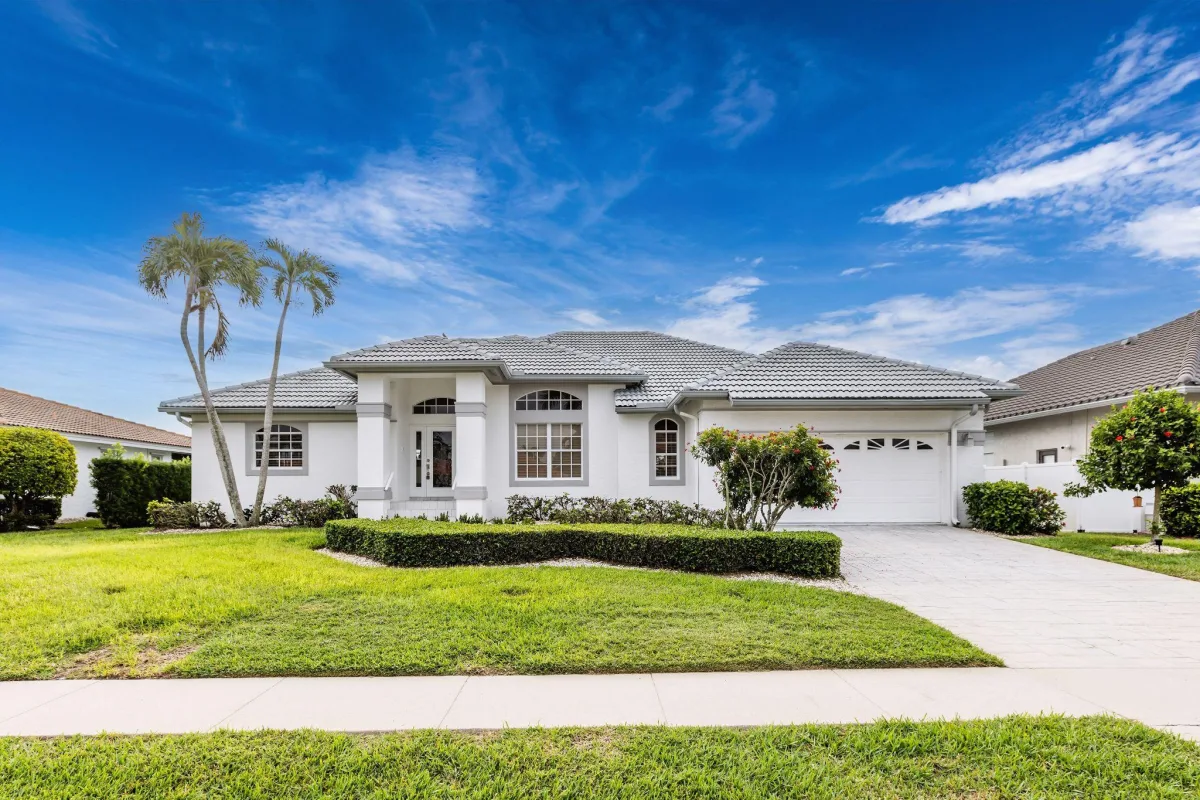
In humid Southern coastal regions, high indoor and outdoor moisture delays evaporation out of water-based acrylics, so crews keep air moving with AC or air movers. Where air quality standards are strict, zero-VOC formulations that meet OSHA guidance are the pick.
In Northern states, winter freeze-thaw cycles work exterior window and door joints constantly, so elastomeric high-movement hybrids protect historic trim from moisture intrusion. In high-UV Western regions, UV-resistant caulk prevents yellowing and cracking.
The same prep thinking protects exterior masonry, which we cover in our guide on cleaning limewashed brick. For seasonal building protection, see our exterior painting services.
Caulk Selection and Performance Index
Compare chemistries, dry times, cure windows, and paintability across common substrates:
- Acrylic latex: skins 20-30 min, paint at 2 hours, cured 24 hours, paintable. Baseboards, interior trim, crown molding.
- Siliconized acrylic: skins 30 min, paint at 3-4 hours, cured 24-48 hours, paintable. Window frames, backsplashes, door casings.
- 100% silicone: skins 15-30 min, do not paint, cured 24-48 hours. Tubs, showers, glass, non-painted metal.
- Polyurethane: skins 2-4 hours, paint after 24 hours, cured 3-7 days, paintable. Concrete joints, masonry, exterior siding.
- Hybrid MS polymer: skins 30-45 min, paint at 2-4 hours, cured 24-48 hours, takes most paints. Roof flashing, lap siding, expansion joints.
Common Caulk Dry Time Questions
How long does acrylic latex caulk need to dry before painting?
Two to four hours at 70°F and 50% humidity. If the room is cool or damp, or the bead is thicker than 1/4 inch, give it a full 24 hours to avoid cracking the paint film.
What happens if you paint over caulk before it is dry?
The drying paint pulls apart, cracks, or wrinkles as the caulk shrinks underneath. In bad cases wet caulk bleeds through the film entirely, and the fix is scraping the joint out and re-caulking.
How can you speed up caulk drying safely?
Increase air circulation with fans, hold the room at 70 to 75°F, and run a dehumidifier. Never aim a heat gun at fresh caulk: intense heat boils the trapped solvent and blisters the bead.
Does silicone caulk dry faster in humid or dry air?
Humid. Silicone cures by reacting with atmospheric moisture rather than evaporating water, so it sets faster in humid air. It still cannot be painted, so keep it off surfaces that need a topcoat.
Is fast-dry caulk reliable for professional work?
Yes. High-solids quick-paint acrylics release water fast enough to accept paint in 30 to 45 minutes. They still need 24 hours for a full core cure, so keep those joints out of heavy movement until then.
Ready for Perfect Surface Prep on Your Next Project?
Sealant selection, joint sizing, and cure timing are the unglamorous steps that decide whether a paint job still looks right in three years. Our crews handle all of it as part of the prep, not as an afterthought.
Contact That 1 Painter to schedule a detailed, obligation-free on-site estimate. Every home is different, so final pricing always comes from an in-person assessment of materials, prep, and surface condition.
