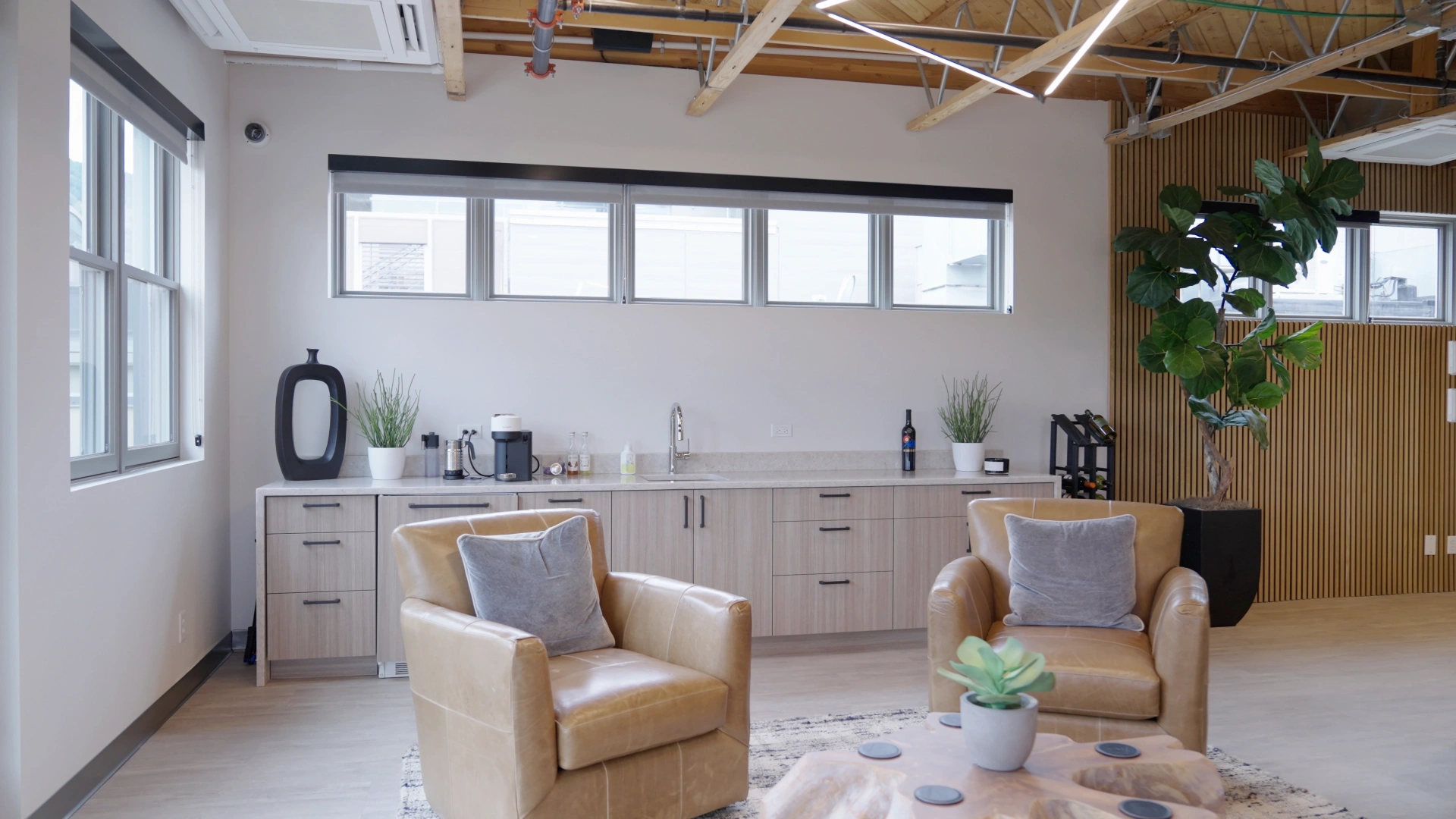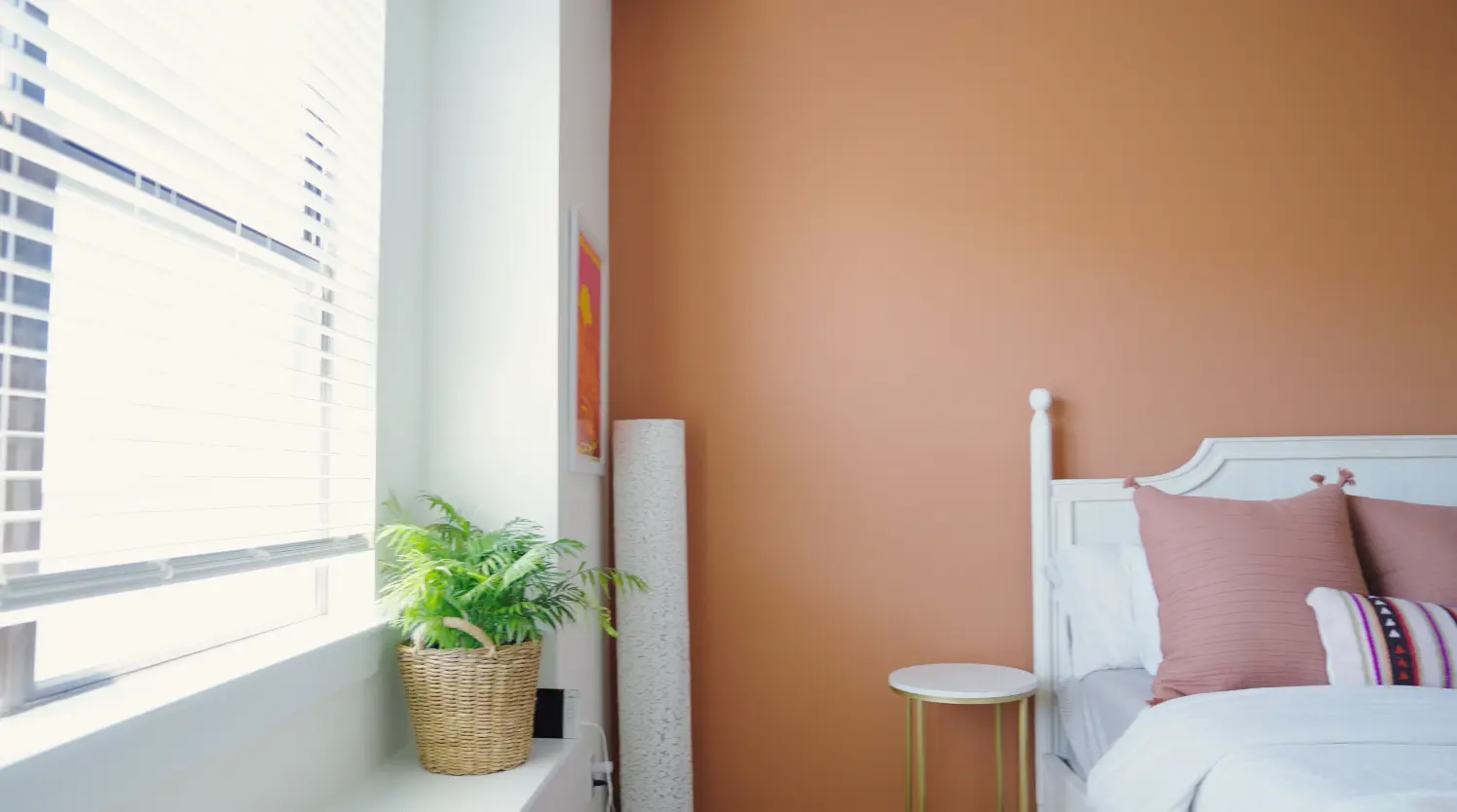
Interior wall freshly sealed with odor-blocking shellac primer

Odor Removal

but gone for good.

Your Odor Removal Project, From Consultation to Completion

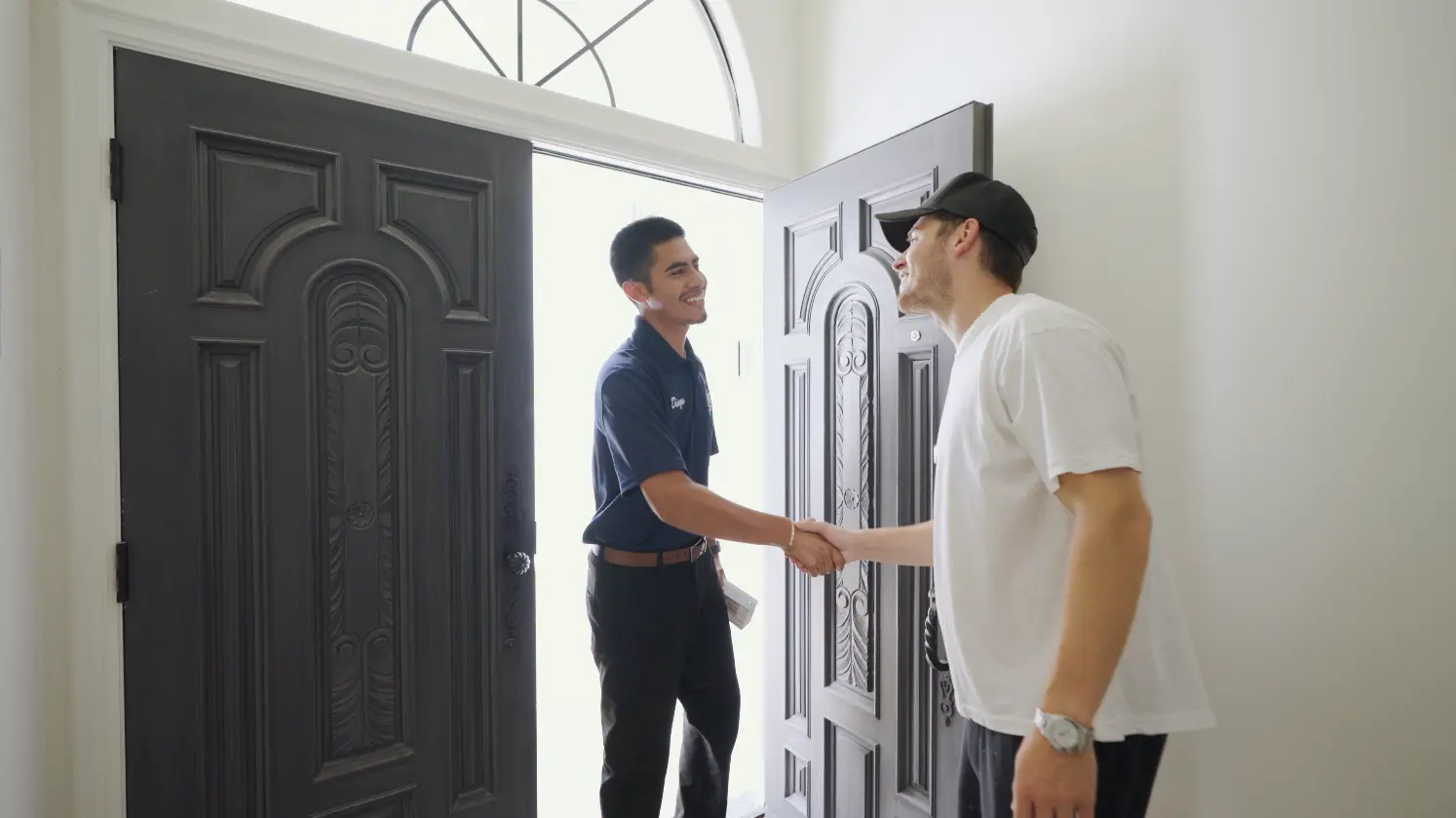
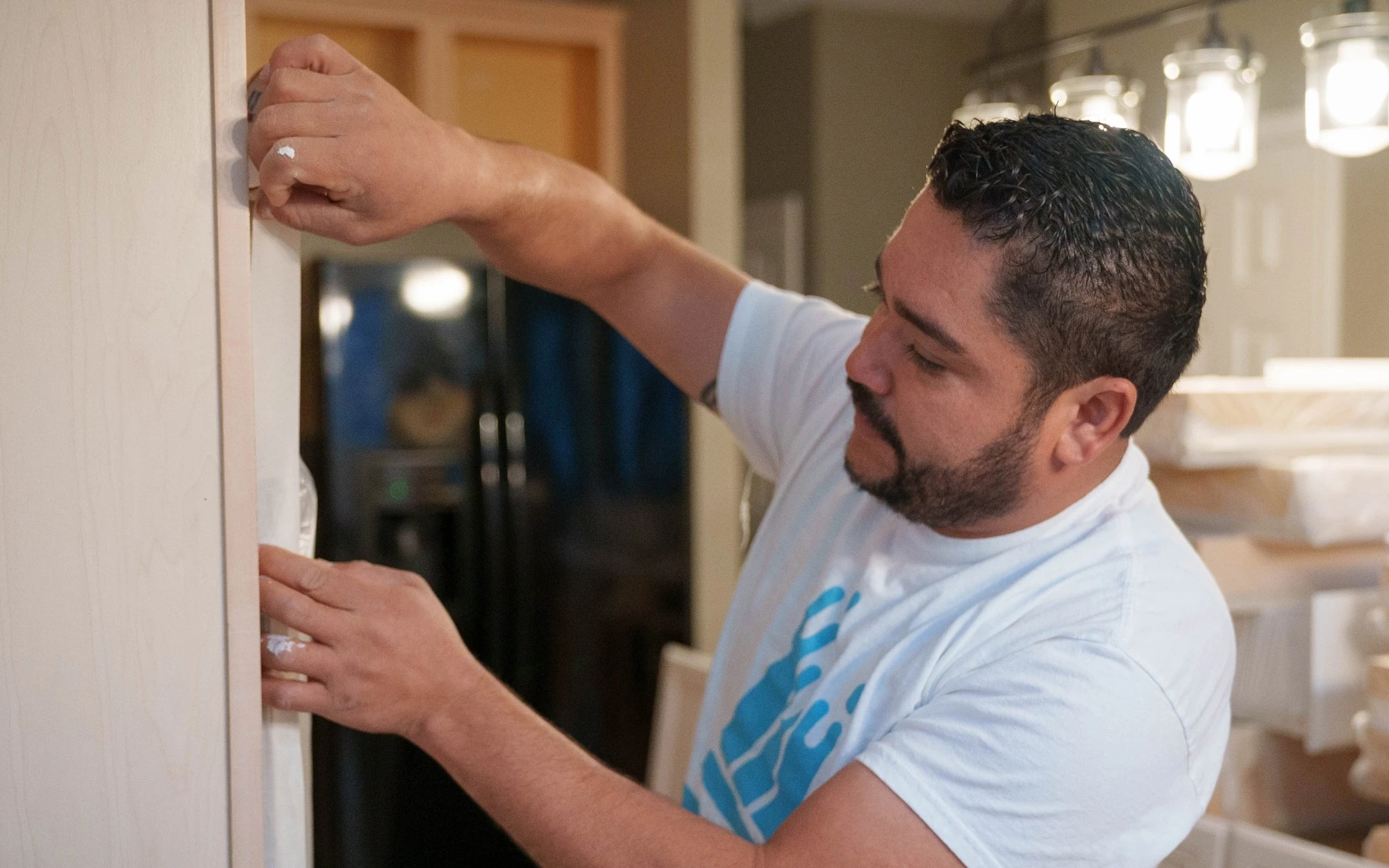
Project manager assessing smoke-damaged interior wall during odor removal scoping
1

Source Assessment & Material Triage. Your project manager walks the home, identifies odor sources, tests where the smell is strongest, and flags contaminated materials like saturated drywall or carpet pad that must be removed rather than sealed. We document everything for insurance.

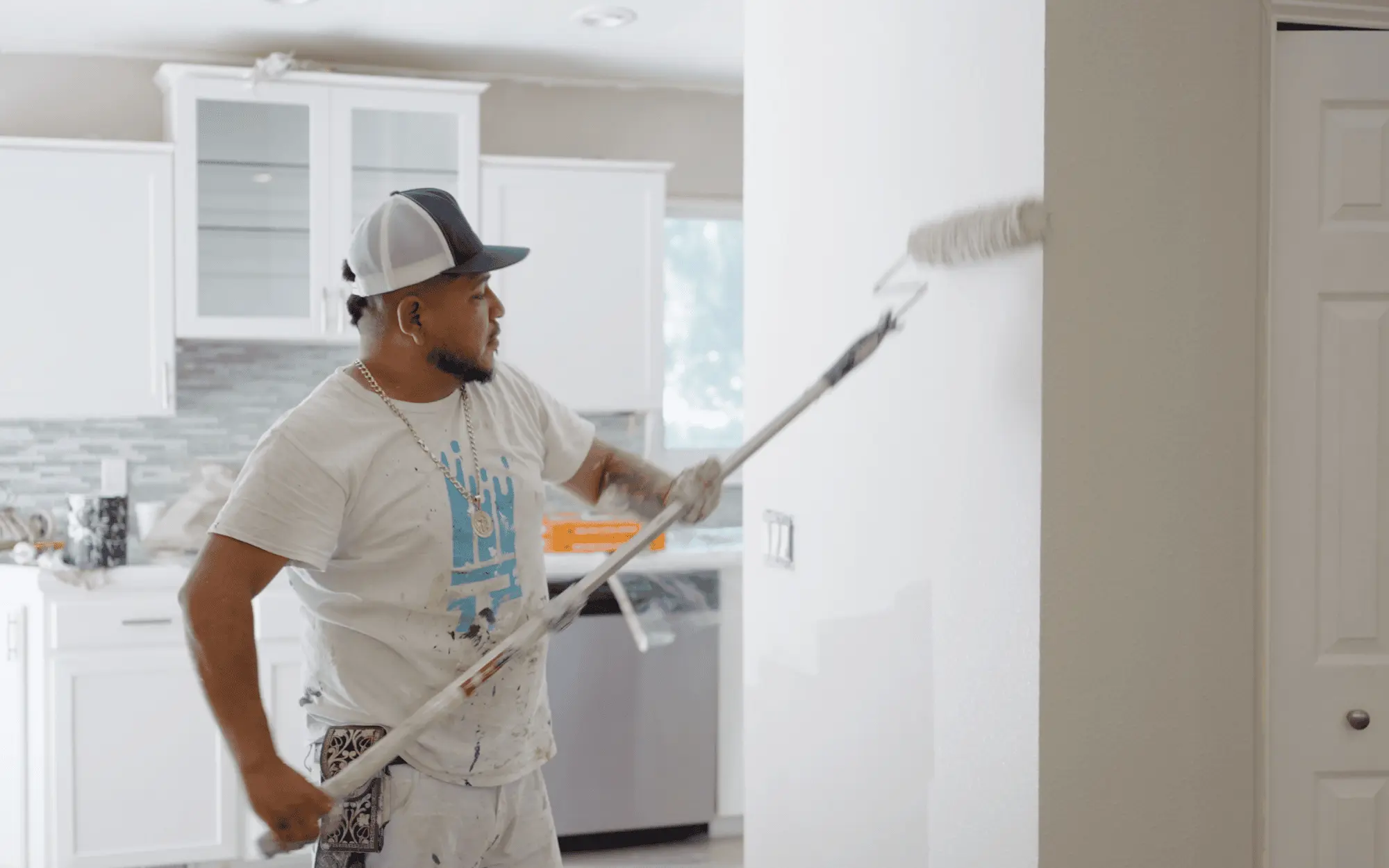
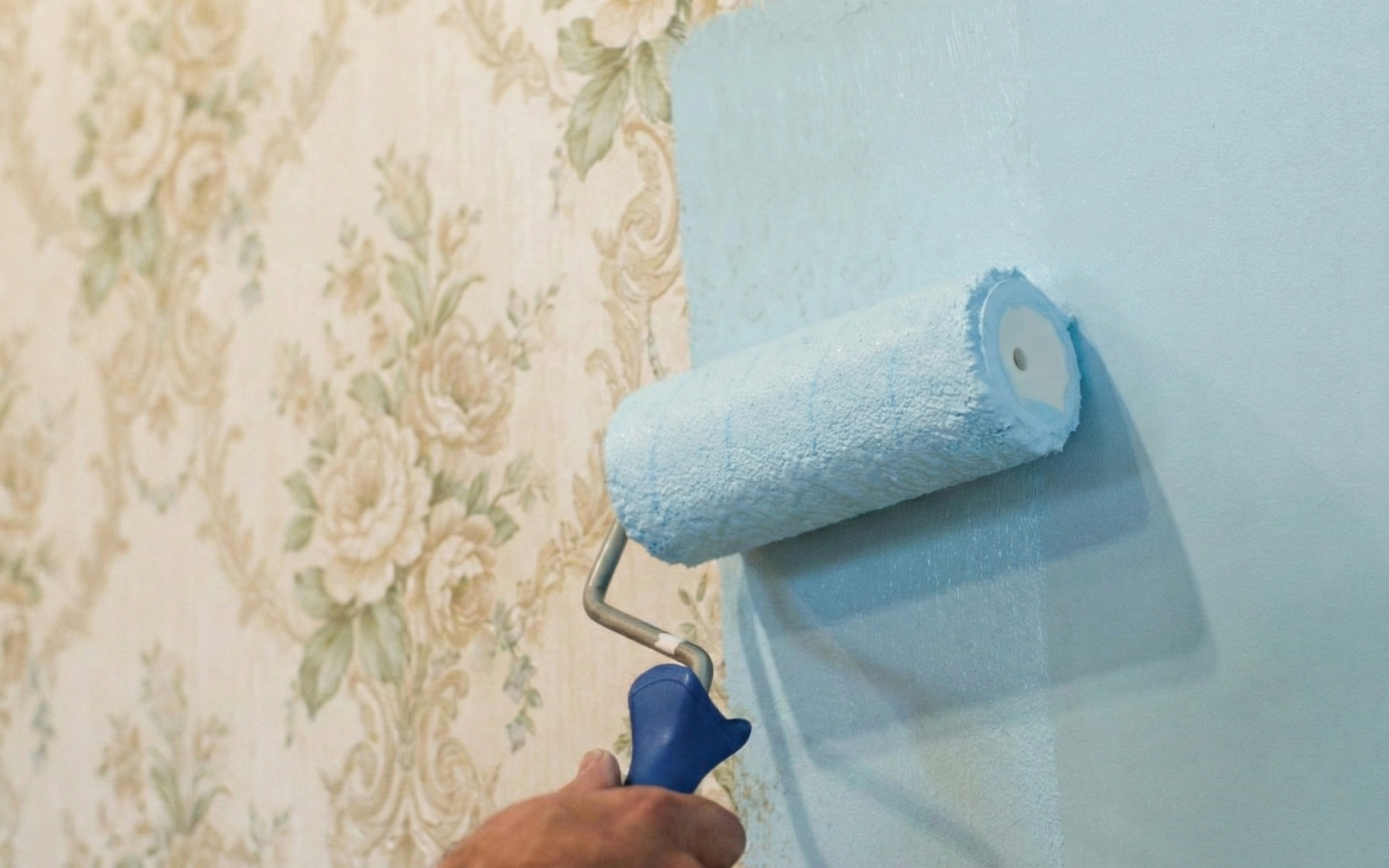
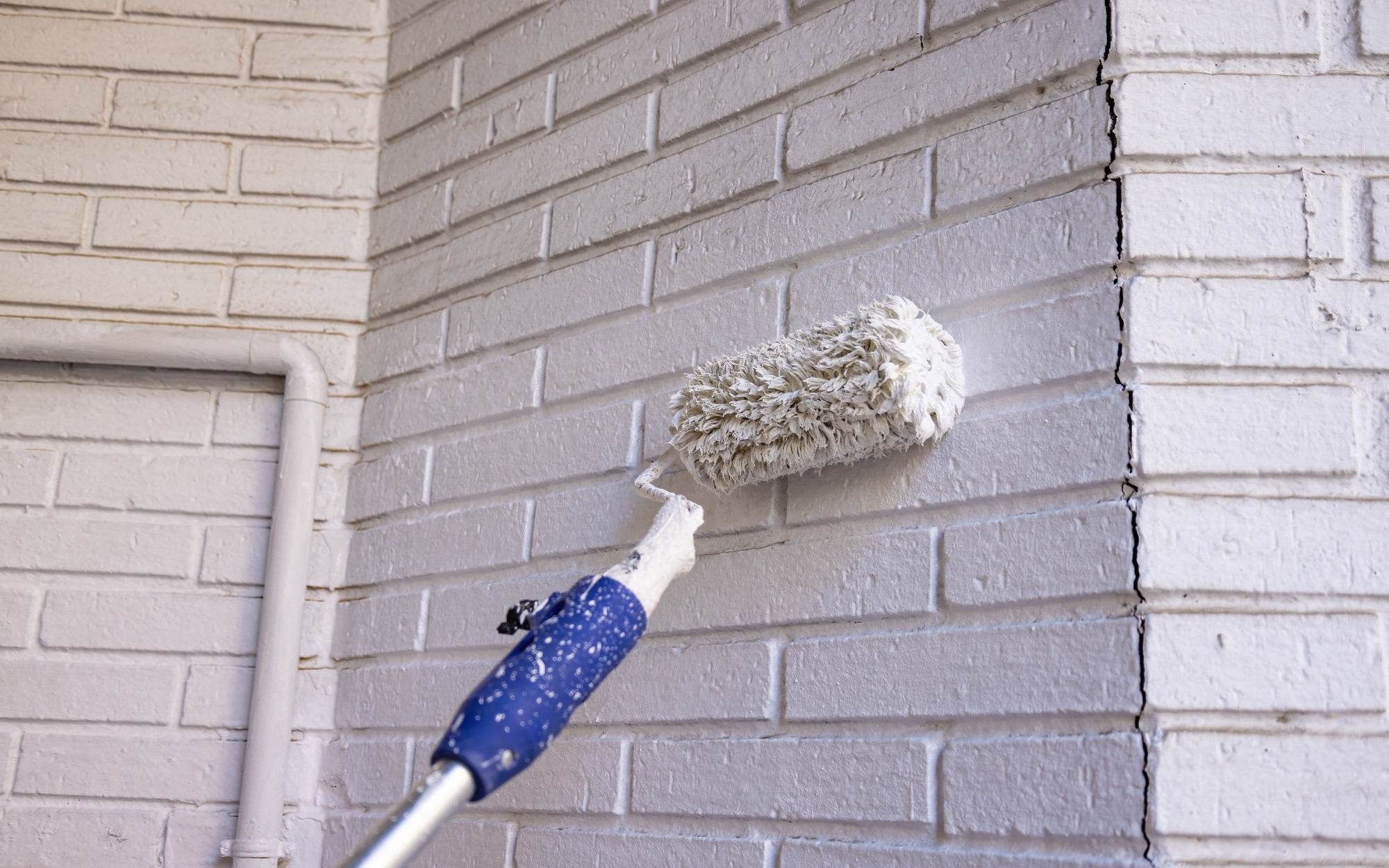
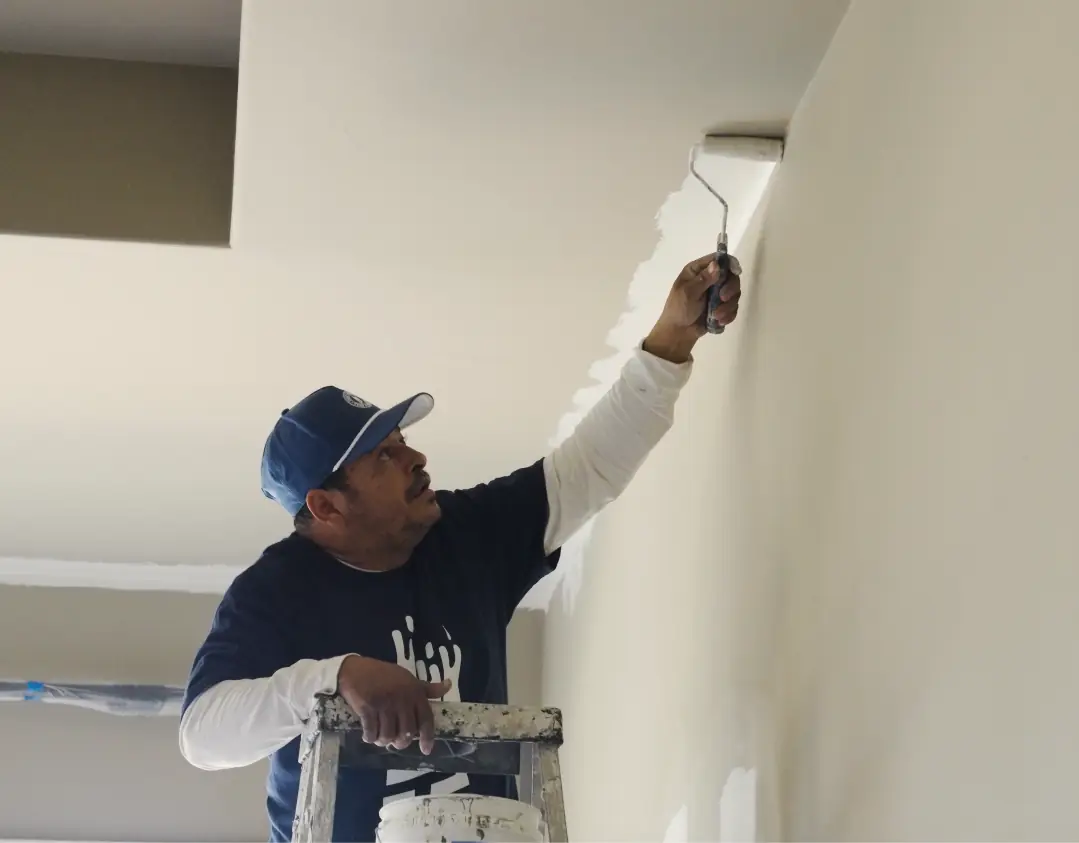
Walls being sealed with shellac-based odor-blocking primer
2

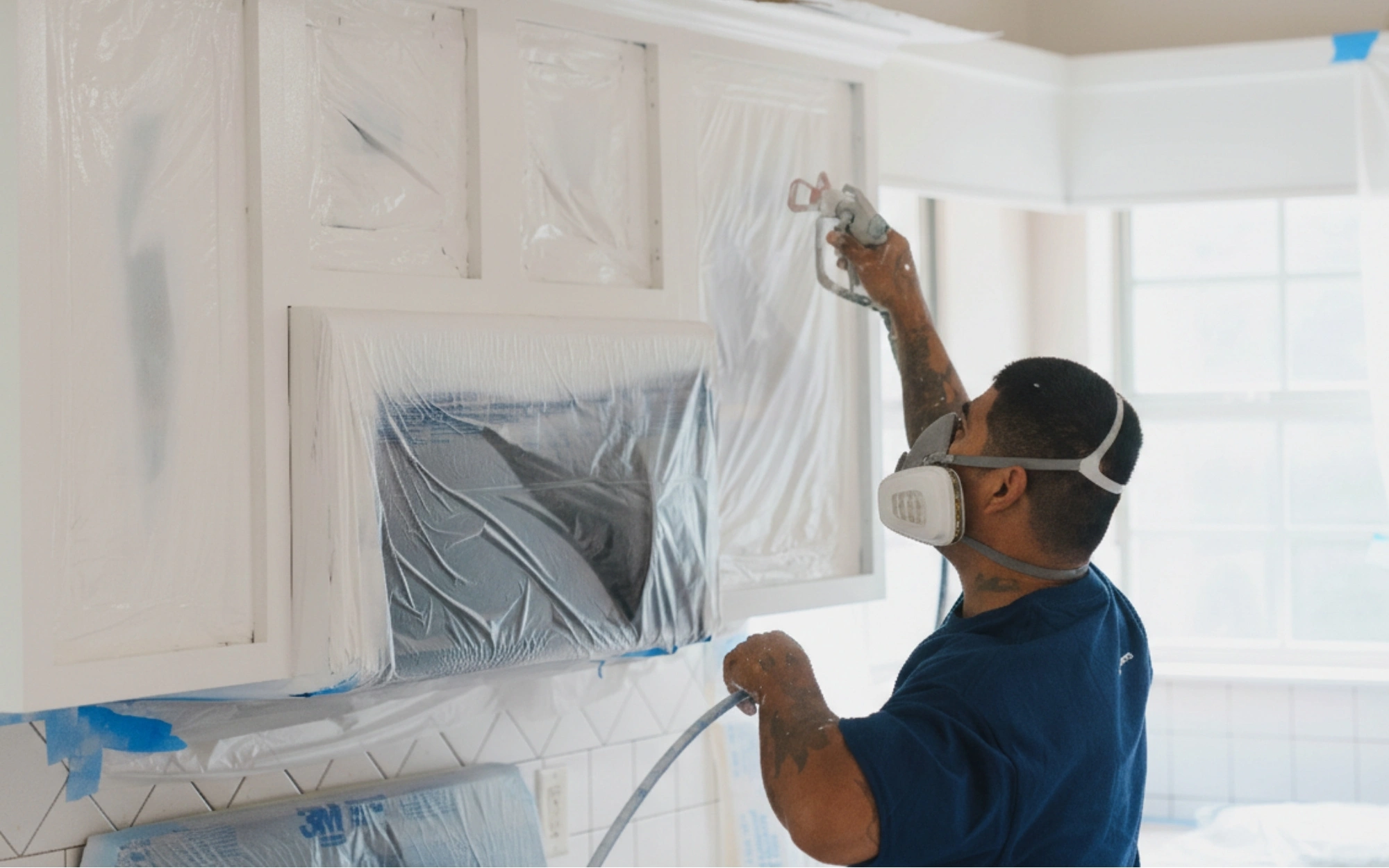
Cleaning, Optional Treatment & Substrate Sealing. Hard surfaces are washed with TSP or a specialty degreaser, and ozone or thermal fogging is run when needed. Every contaminated surface is then sealed with a shellac or oil-based odor-blocking primer that locks the source under a non-porous film.

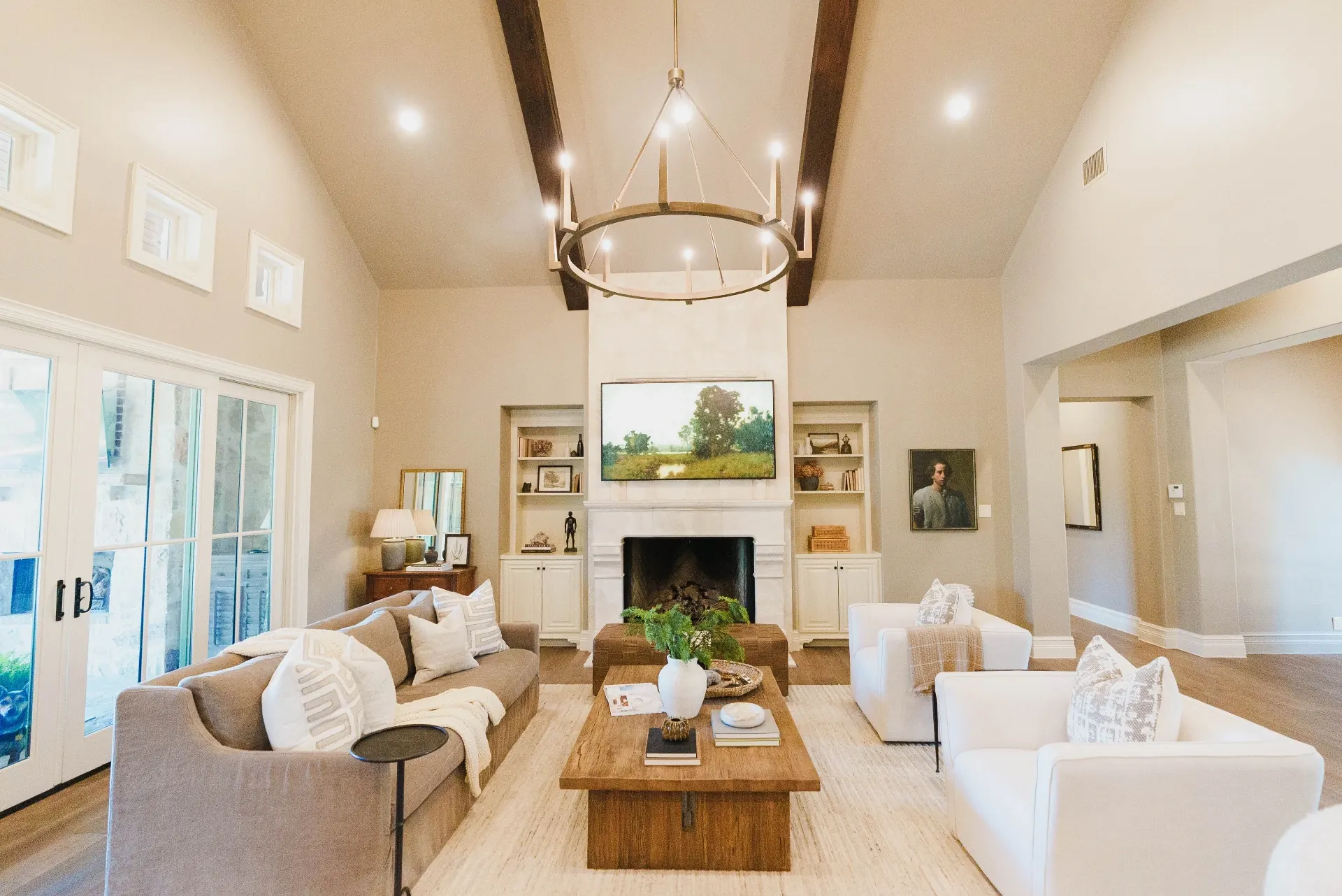
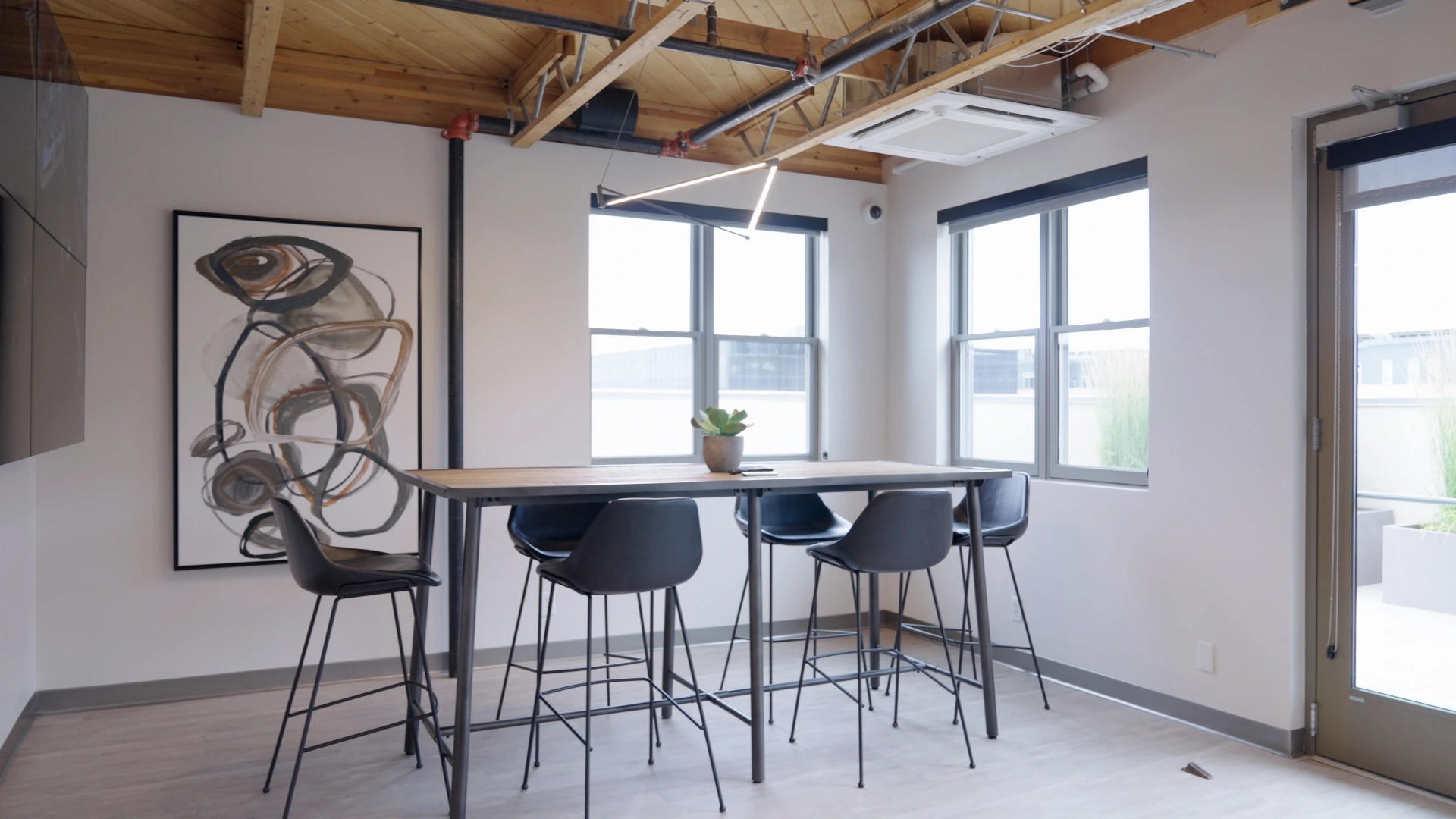
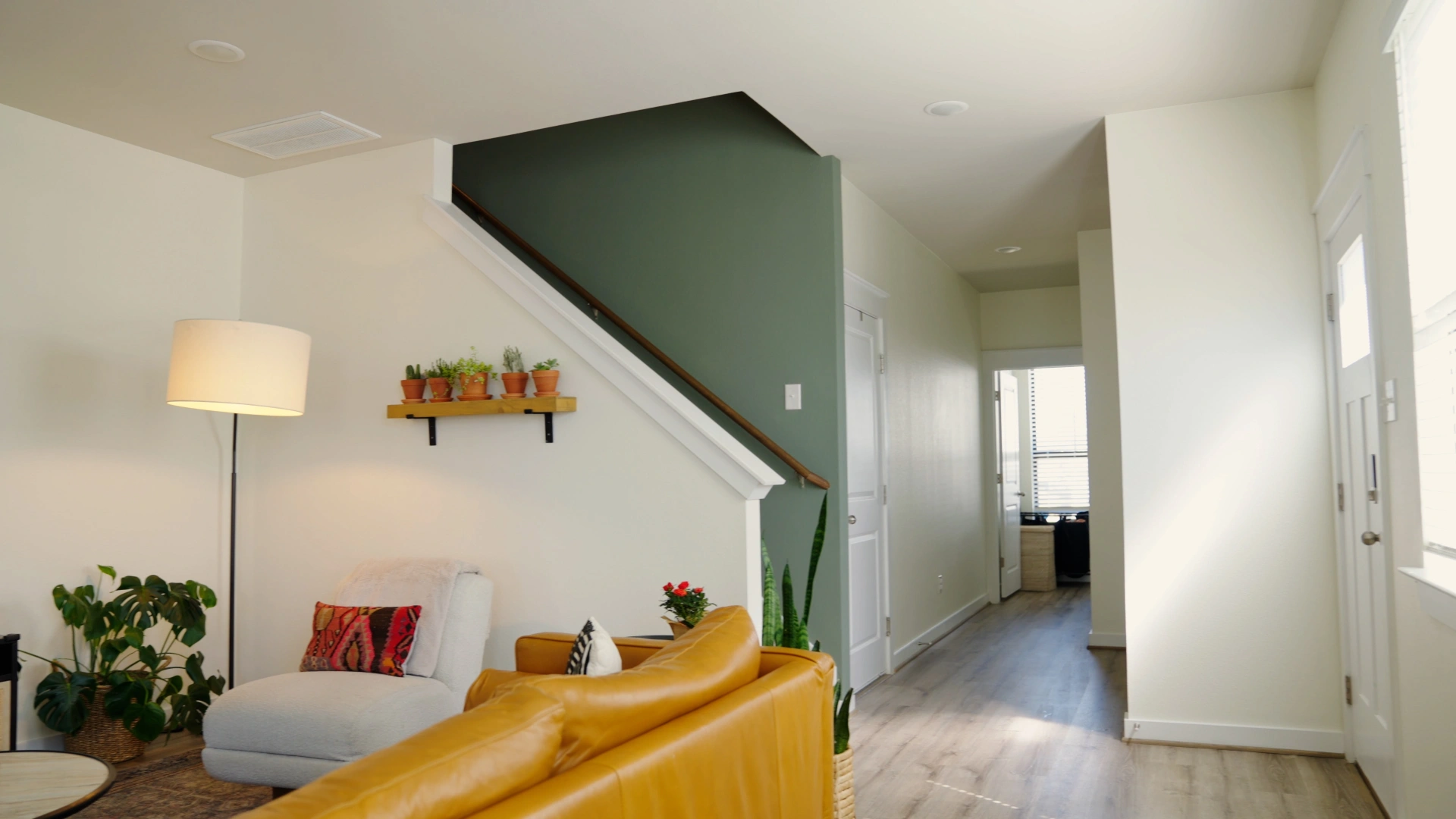
Freshly repainted interior room with odor source fully sealed
3

Topcoat & Final Walk. Once the primer has fully cured, two coats of standard interior finish go on for a clean, odor-free, paint-ready finish. We do a final walk to confirm there's no residual smell and that all transitions, trim, and adjacent surfaces look factory-fresh.

Honest Reviews from Real Homeowners

"The owner, Anson, came by my house in South Augusta and gave me an honest assessment of my front porch. He pointed out a…"

Mikelden Mitchell

Google review icon

"From our first contact to inspection to pricing to crew painting, we have had a great experience!! Competitive pricing,…"

Felice Acker

Google review icon

"Great painting company to work with! They painted the outside of our house and the inside of our house and everything wa…"

Jamie Guidry

Google review icon

"That 1 Painter painted our house's exterior and we are very happy with the finished job. They took three days start to f…"

Susan Crabtree

Google review icon

"Eli and team were timely and professional. The whole process from start to finish was super easy and they did a really n…"

Tara Thal

Google review icon

"Absolutely amazing company! Kyle was our painter and he showed up on time, no messes made, and the paint job looks fanta…"

Ashley Shay

Google review icon

"Professional, punctual very attentive to details. Placed customer satisfaction first! Solid communication and service th…"

Joshua Taylor

Google review icon

"I was very hesitant using paint for cabinets. After researching varied options and after meeting with the sales person m…"

John Serio

Google review icon

"That 1 Painter completed exterior painting on my home and historic boathouse on the Saddle River. They did extensive pre…"

Jeffrey E. Kracht, ASID

Google review icon

"Joe did a wonderful job! Everything looks Great! He stuck with it and got it done over a four day period. Also him and J…"

Yvonne Herschberger

Google review icon

"Excellent work! Very professional, arrived on time and kept me updated. Will definitely hire them again. Highly recommen…"

Meg W

Google review icon

"Manny and his team are excellent. I needed my shed painted and the window and door trim as well as the doors replaced an…"

Teresa Pearce

Google review icon

Number of Territories

0+

Number of Paint Jobs

0+

5-Star Reviews

0+

What Odor Removal Costs (2026)

29%

Maximum home value reduction from smoke odor

Realtor.com, 2018

$15,000+

Common price reduction on smoke-affected homes

HomeLight, 2024

#1

Cigarette smell ranked as top buyer turnoff

HSH.com homeowner survey

Odor Removal Portfolio Gallery

Interior room sealed with shellac primer after smoke damage

Post-Smoke Sealing

Pet odor remediation in lower drywall and baseboards

Pet Odor Remediation

Ceiling sealed with odor-blocking primer after years of indoor smoking

Nicotine Stain & Odor Seal

Whole-home substrate seal in progress for fire restoration

Fire Restoration Seal

Kitchen wall sealed and repainted after long-term cooking-odor saturation

Cooking Odor Removal

Mildew-affected wall sealed after moisture remediation

Mildew Odor Seal

Rental turnover odor removal, full interior sealed and repainted

Rental Turnover

Final topcoat over sealed substrate after odor remediation

Finish Topcoat

Trusted Paint Partners

Sherwin-Williams
Benjamin Moore
Behr
PPG
Romabio
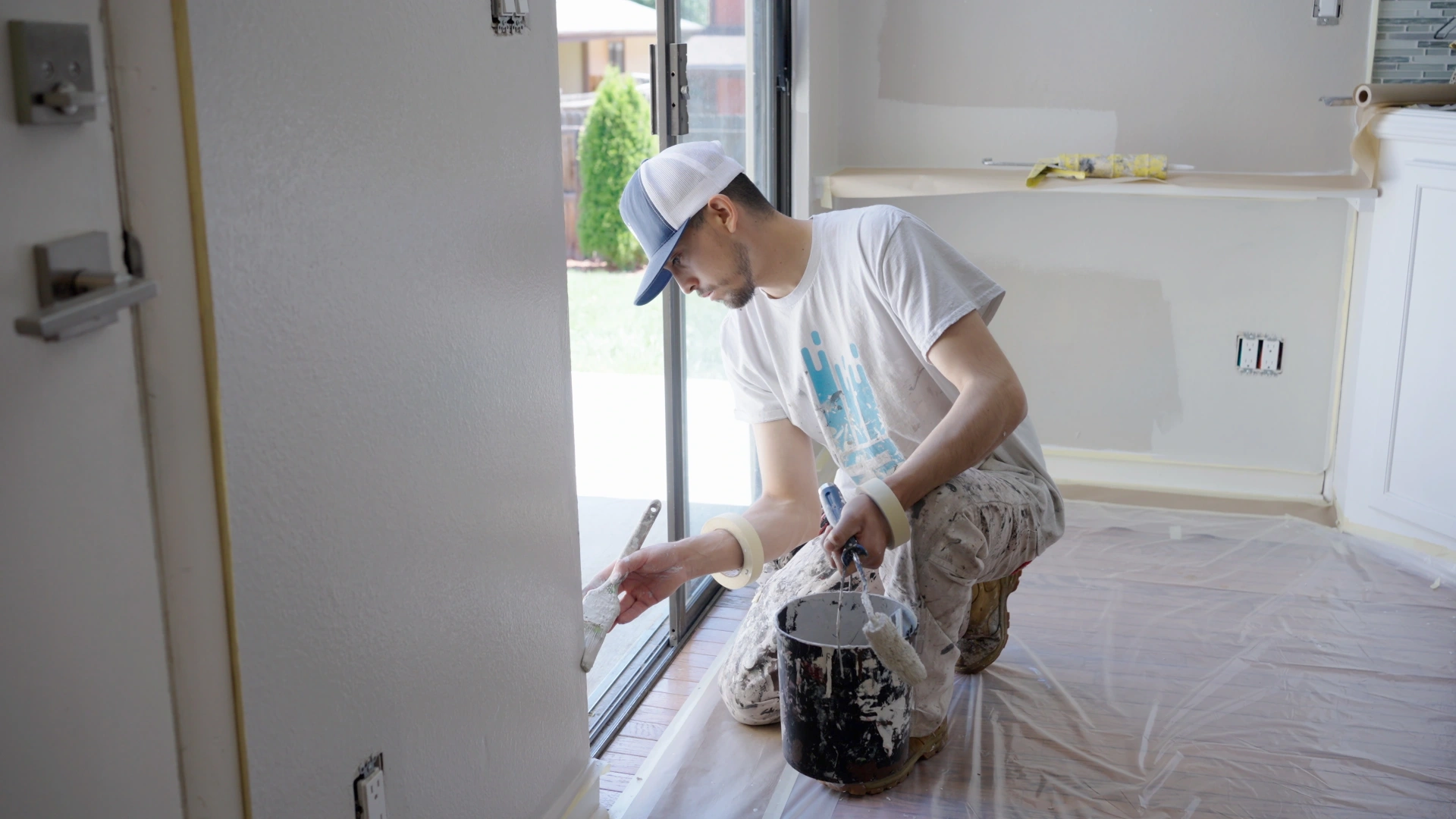
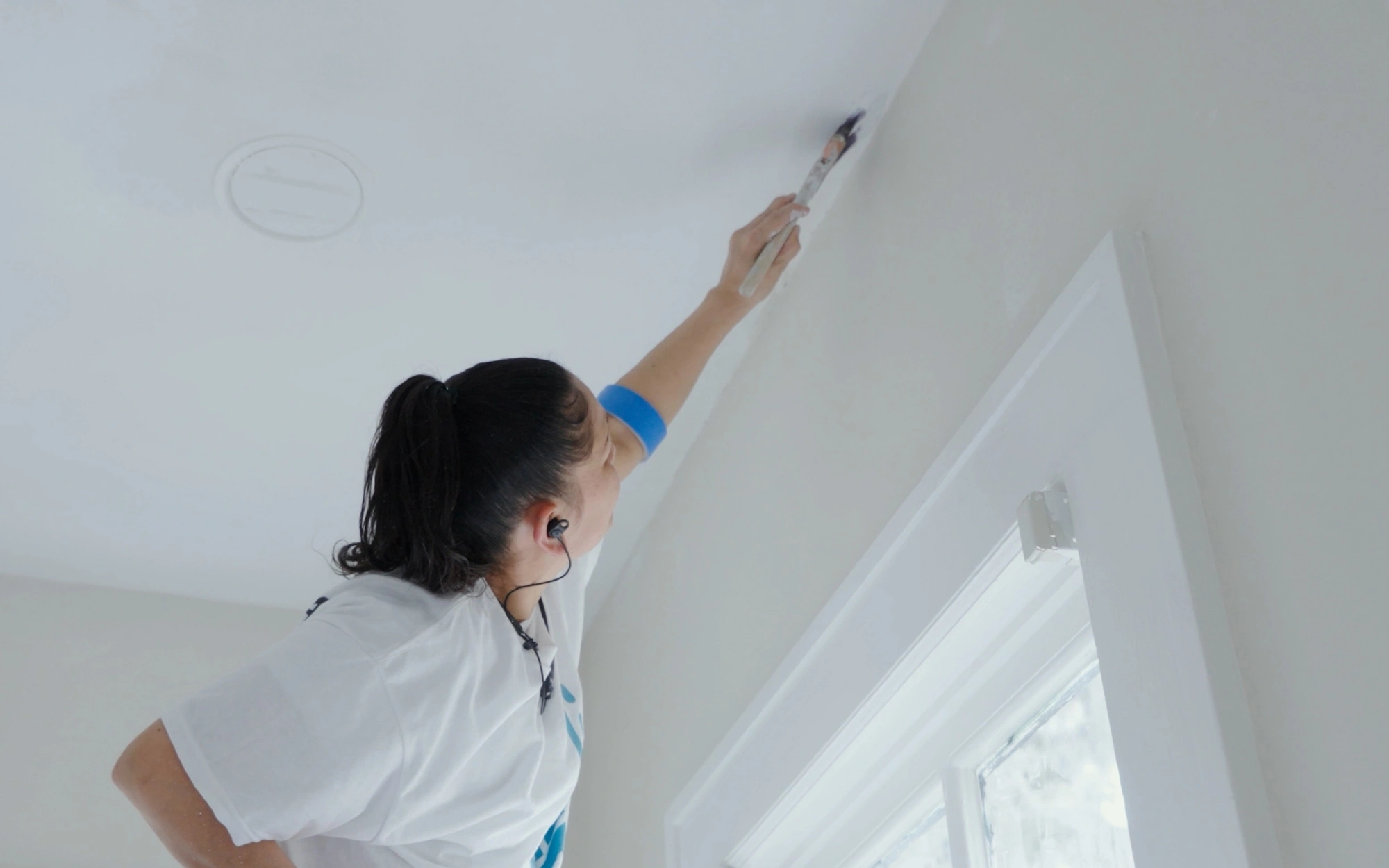
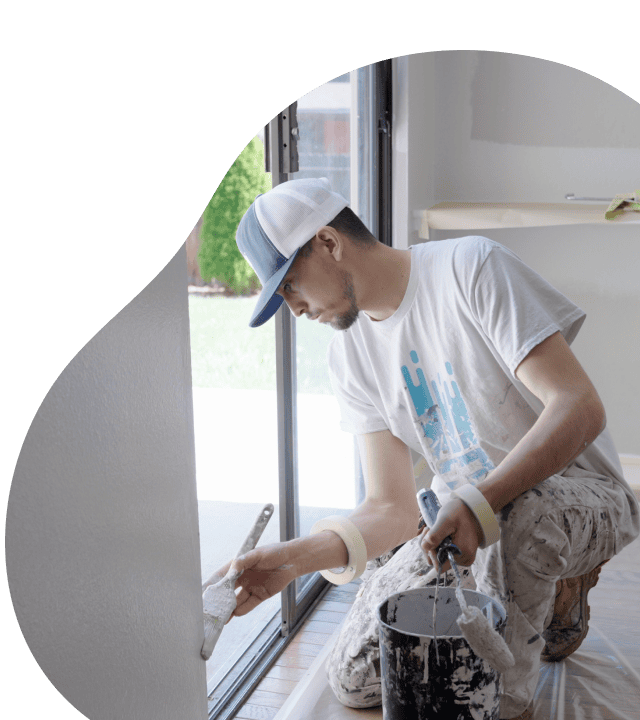
Painter applying a clean finish near a window to represent That 1 Painter's 3-year workmanship warranty

Our 3-Year Warranty

Your peace of mind, at the top of mind with our three-year transferable warranty. Covers the painting job, even if you sell the house.

Download Warranty

Odor Removal FAQs

No. Standard latex paint and standard latex primer are water-based and do not block the organic molecules that cause embedded odors. The smell will return within days or weeks because the source was never sealed. Real odor removal requires a solvent-based or shellac-based primer (like Zinsser B-I-N or Kilz Original) applied to every contaminated surface as a sealant coat, only then is a finish topcoat applied. If a contractor is quoting you a 'fresh coat of paint' to fix a smoke or pet odor, they are not doing odor removal, and the smell will be back.

We address odors that have saturated hard, porous building surfaces, drywall, framing, sealed-coat finishes, baseboards, trim, ceilings. That includes cigarette and tobacco smoke, fire and smoke damage, pet urine and dander, mildew and mild moisture odors, cooking-oil saturation in kitchens (especially older homes), and chemical or off-gassing odors from prior renovations or storage. We do not deodorize carpet, fabric, or upholstered furniture, those are soft goods that need specialty cleaners or replacement. We also coordinate with mold remediation and water-damage restoration companies when active growth or active leaks are involved, since those have to be resolved before sealing.

Most projects run 2 to 5 days for a whole home, 1 to 2 days for a single room. The timeline depends on scope, pure sealing and repaint moves quickly, but if contaminated drywall, carpet pad, or insulation has to be removed and replaced first, that adds days. Ozone treatment, when used, requires the space to be unoccupied for the run-time and ventilated afterward. For insurance-claim fire and smoke jobs, we coordinate timing with your adjuster and any restoration partners on site so we're not stepping on other trades.

Sometimes. Light to moderate smoke damage can almost always be sealed and repainted in place, the shellac primer locks in the residue and stops the off-gassing. Severe fire damage where drywall has charred, soot-saturated, or is structurally compromised has to be removed and replaced before any sealing happens. We make this call during the initial assessment, and on insurance jobs we document the recommendation for your adjuster. The general rule: if the drywall surface is intact and the odor is the main issue, sealing works; if the drywall is failing, replace.

No, and any company that says yes is selling you a deodorizer, not remediation. Soft goods absorb odors throughout the entire fiber, not just the surface, so a topical seal does not work. For pet urine, smoke, or fire-affected carpet, the standard recommendation is replacement (or in some cases, professional in-place ozone treatment by a remediation specialist). We focus on the surfaces where sealing is the right answer, walls, ceilings, trim, framing, and coordinate with carpet, upholstery, and HVAC specialists when those are also part of the scope.

You can apply Zinsser B-I-N or Kilz Original yourself in a small space if you have proper ventilation, the right respirator, and you're willing to do the prep correctly, TSP wash, full surface coverage, and a finish topcoat. That said, most DIY odor removal fails because of three things: under-coverage (one missed seam re-emits the odor), wrong primer (water-based won't work), or skipped substrate cleaning. For whole-home jobs, fire and smoke damage, ozone treatment, or insurance work, this is not a good DIY project. Solvent fumes, ozone safety, and the documentation required for a claim push this into specialty contractor territory.

Ozone is effective at oxidizing embedded smoke and odor molecules, but it is unsafe to breathe at the concentrations used for treatment. The EPA is clear: ozone generators must be run in unoccupied spaces only, and the area must be fully ventilated before people, pets, or plants re-enter. We follow that protocol, homeowners and crew are out during the run, and we ventilate fully before any further work. We do not run ozone in occupied spaces, and we will not sell ozone treatment as a stand-alone fix without the substrate seal that does the long-term work.

We stand behind our work, if a properly scoped and executed odor removal job fails to seal an odor we agreed to address, we come back and make it right under our 3-year warranty. The honest caveat: if there are contaminating materials we recommended removing and the homeowner declined (saturated subfloor, contaminated insulation, soft goods we don't service), the warranty doesn't cover odor that re-emits from those sources. Scope is everything in this category, we're upfront about what sealing alone can fix and what requires removal.

Yes, rental turnover is one of the most common use cases. Pet odors, smoke, and cooking saturation between tenants can sit in the drywall and trim long after a deep clean. A full prime-and-paint with an odor-blocking primer resets the unit to a neutral starting point for the next tenant and prevents the 'this place still smells' complaint after move-in. For high-turnover properties, we often work directly with property managers to scope and price this as a recurring service.

Costs vary widely with scope, a single-room treatment runs roughly $400–$1,500, a whole-home seal-and-repaint typically runs $1,500–$6,000, and severe fire and smoke damage with material removal can run higher and is usually handled through insurance. The biggest variables are square footage, ceiling height, whether contaminated drywall or other materials need to be removed, and whether ozone or thermal fogging is part of the scope. We price after the on-site assessment so the quote reflects the actual condition, not a guess.

If a properly sealed surface starts to off-gas again, we come back. In practice this is rare when the substrate was correctly cleaned, the right primer was used, and full coverage was achieved. The most common reason an odor 'returns' after a seal is that a different source was missed, an HVAC duct that wasn't cleaned, contaminated subfloor under carpet, or a soft good that wasn't replaced. During the return visit we identify the actual remaining source and address it.

Yes. For fire and smoke damage claims, we work directly with adjusters and with your restoration GC if one is already on site. We document scope, products used, surface coverage, and any recommended material removal so the claim file is complete. Reach out through the contact form and mention that it's an insurance job, we'll route it to a project manager who handles claim work and can move quickly to scope and quote.

Stop Scrolling.
Start Painting.