By Robert R.
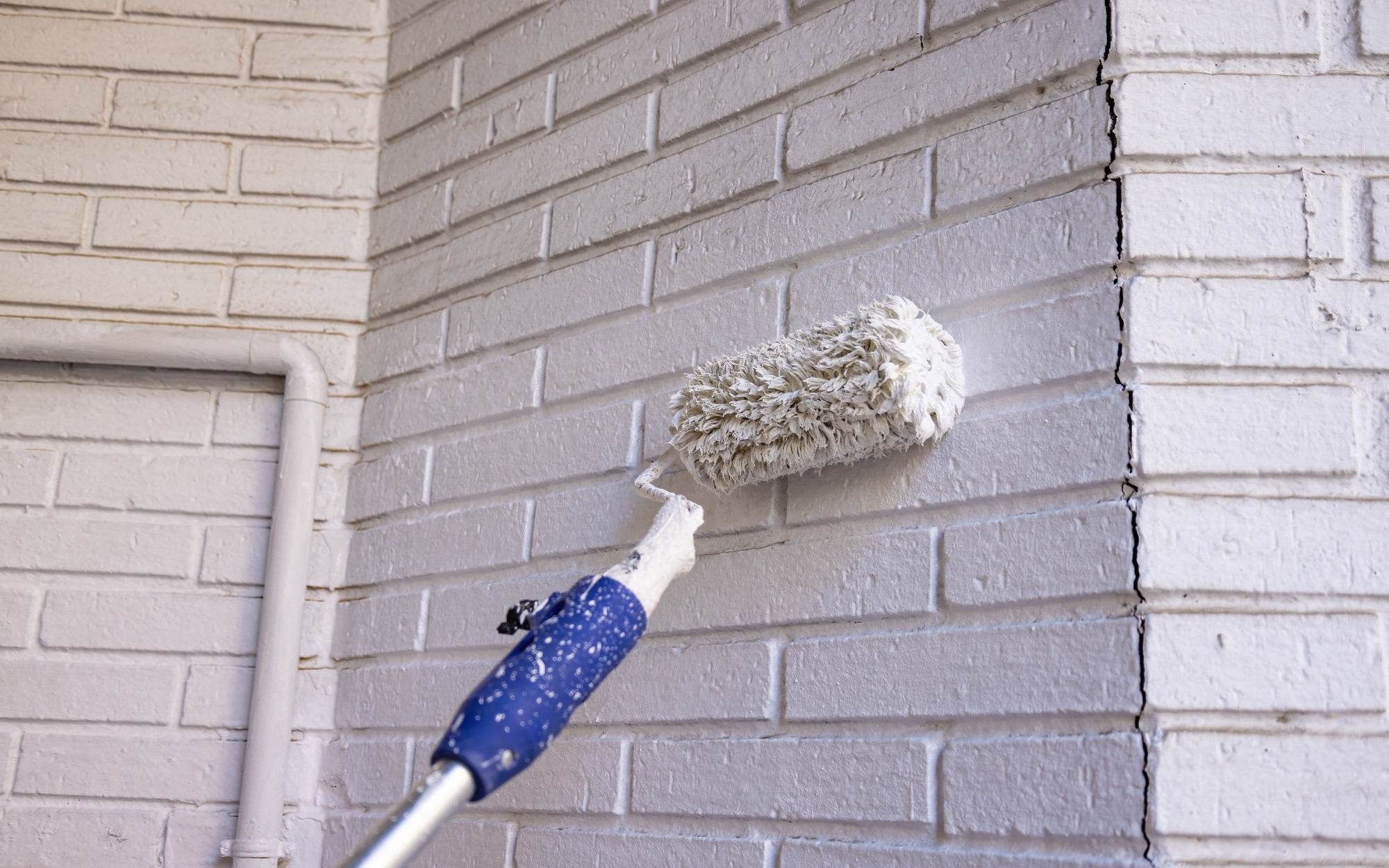
Painting brick is one of the most common exterior questions homeowners ask, and also one of the easiest places to make an expensive mistake. You will hear strong opinions on both sides. Some say never paint brick. Others swear by it.
Overview
The truth sits in the middle. You can paint brick, but brick is not like siding, trim, or wood. Brick needs to breathe. If the wrong product is used, moisture can get trapped inside the wall, leading to peeling paint, surface damage, and long-term issues that are difficult to undo.
This guide explains whether painting brick is a good idea, the safe ways professionals do it, and how to choose between the two products that actually hold up over time.
Quick Answer: Can You Paint Brick?
Yes, you can paint brick, but only with breathable masonry products. Limewash and masonry flat paint allow moisture to escape through the brick. Standard exterior paint should not be used on brick because it seals the surface and traps moisture inside the wall.
Why Brick Is Different Than Other Exterior Surfaces
Brick is a porous masonry material. It naturally absorbs moisture from rain, humidity, and temperature changes, then releases that moisture over time. This movement is normal and necessary.
Unlike siding, brick is not designed to be sealed. When a coating blocks moisture from escaping, pressure builds inside the brick and mortar. Over time, that pressure causes paint failure and can damage the brick itself.
This is why painting brick is less about technique and more about product choice. The wrong product fails even when applied perfectly.
Should You Paint Brick at All?
Before choosing a product, it is worth deciding whether painting brick makes sense for your home.
Painting brick can be a good option if:
- You want to update an outdated brick color
- The brick is structurally sound
- You understand painted brick requires maintenance
- You want a specific architectural or design look
Painting brick may not be recommended if:
- The brick is already spalling or deteriorating
- Moisture problems have not been addressed
- Historic rules restrict coatings
- The wall relies on exposed masonry for drainage
Painting brick is a commitment. Removing coatings later is difficult and sometimes impossible without damaging the brick.
3 Ways You Can Safely Paint Brick
If painted brick is the goal, breathability is non-negotiable. These are the only approaches professionals trust.
1. Limewash
Limewash absorbs into the brick instead of sitting on top of it. It lets brick breathe and will not peel.
Best if you want a natural, old-world look with visible brick texture.
2. Masonry Flat Paint
Masonry flat paint is made for brick and allows vapor to pass through. It gives a more uniform painted look without sealing the surface.
Best if you want consistent color but still need moisture-safe performance.
3. Breathable Brick Stain
Brick stain penetrates the surface instead of forming a film. It changes the color without covering the texture.
Best if you want subtle color change and minimal buildup.
If a product seals the surface or claims to be waterproof, it is not safe for brick.
Limewash for Brick
Limewash is a mineral-based coating made from limestone and water. It soaks into the brick and cures by bonding with the masonry itself.
Why Limewash Works on Brick
- Fully breathable
- No surface film to peel
- Moisture moves naturally through the wall
- Ages gradually instead of failing suddenly
Because limewash becomes part of the brick surface, it does not behave like traditional paint.
What Limewash Looks Like
Limewash creates a soft, matte finish with natural variation. The texture of the brick remains visible, and the final look depends on the brick, the number of coats, and how it is finished during curing.
Homeowners choose limewash when they want:
- An old-world or historic look
- Subtle variation instead of uniform color
- A finish that fades naturally over time
Color Expectations With Limewash
Limewash almost always dries lighter than it looks when applied. Brick porosity affects color, and multiple coats are often needed to build depth.
Testing a small area before committing is essential. Remember that limewash is a very customizable product, you wipe some off after application which is a big benefit to get the look you want.
Masonry Flat Paint for Brick
Masonry flat paint is designed specifically for porous surfaces like brick and block. Unlike standard exterior paint, it allows moisture vapor to pass through.
Why Masonry Flat Paint Works
- Engineered for masonry
- Vapor-permeable
- Provides more uniform color than limewash
- Flat finish reduces moisture trapping
This option is often chosen by homeowners who want a clean, modern painted look while still protecting the brick.
What to Watch For
Not every paint labeled “masonry” is truly breathable. The product must be rated for brick and vapor permeability. Flat finishes perform best. Higher sheens increase the risk of moisture problems.
Brick Staining for Brick
Brick staining is the best option when you want to change brick color without covering brick texture. The stain penetrates into the surface instead of building a film on top.
What Brick Stain Is
Brick stain is a penetrating color treatment made for masonry. It is not the same as wood stain, and it should not behave like paint.
Why Brick Stain Can Be a Safe Choice
- Low film build, so it is less likely to peel
- Maintains the look and texture of real brick
- Often more breathable than standard paint systems
The Tradeoff With Brick Stain
Brick stain is typically less opaque than paint. You get color change, but you still see the brick character and variation underneath. If you want a solid, uniform look, masonry flat paint is usually the better fit.
Why Standard Exterior Paint Fails on Brick
Standard exterior paint is designed to seal surfaces. That works for siding. It does not work for brick.
When brick is sealed:
- Moisture gets trapped inside the wall
- Pressure builds behind the coating
- Paint begins to peel or blister
- Brick faces can flake or chip over time
Repainting over a failed coating usually makes the problem worse, not better.
Brick Stain vs Limewash vs Masonry Flat Paint
If you are deciding between the big three, use this quick rule:
Choose Limewash If
- You want a soft, old-world finish
- You like natural variation
- You want a classic mineral look
Choose Masonry Flat Paint If
- You want the most uniform color
- You want a true “painted brick” look
- You want modern, clean coverage
Choose Brick Stain If
- You want brick texture to stay front and center
- You want color shift, not full coverage
- You want minimal film buildup
How the Wrong Paint Causes Spalling and Brick Damage
Brick damage from painting does not usually happen right away. It builds over time, especially in climates that experience temperature swings.
Brick naturally absorbs moisture. When that moisture cannot escape, it creates internal pressure. During colder weather, trapped moisture freezes and expands inside the brick. When temperatures warm up, it thaws and contracts. This repeated freeze-thaw cycle stresses the brick from the inside out.
Over time, this can lead to several types of damage.
Freeze-Thaw Damage
When moisture freezes inside brick, it expands. Repeated cycles weaken the brick structure and accelerate surface failure.
Spalling
Spalling occurs when the face of the brick flakes or breaks off. This is one of the most common long-term results of sealing brick with the wrong paint.
Mortar Deterioration
Trapped moisture does not only affect the brick. It can also weaken mortar joints, leading to cracking and joint failure.
These problems are rarely caused by poor application. They are almost always caused by using a paint that seals the brick instead of letting it breathe.
Brick Painting Preparation Still Matters
Even With the Right ProductThe right product cannot overcome poor conditions.
Before painting brick:
- Water issues should be addressed
- Mortar problems should be repaired
- Brick must be allowed to dry fully
- Test areas should be evaluated after curing
Skipping these checks increases the risk of failure, even with breathable systems.
Brick Painting FAQ
Can you paint brick without damaging it?
Yes, if you use breathable products like limewash or masonry flat paint and avoid sealing the surface.
Does painted brick last?
Breathable systems last far longer than standard paint, but painted brick still requires maintenance over time.
Is limewash permanent?
No. Limewash is long-lasting but naturally wears and can be refreshed.
Can interior brick be painted?
Yes. Interior brick also benefits from breathable coatings. Go ahead, paint your fireplace!
What if my brick is already painted?
In many cases, failed coatings need to be removed before switching to a breathable system.
The Simple Rule for Painting Brick
If the product lets brick breathe, it can work. If it seals the surface, it does not belong on brick.
Color is a style choice. Product selection is a structural decision.
What to Do Next
If you are considering painting brick, getting the product choice right from the start matters more than anything else.
Contact That 1 Painter for a free estimate and get professional guidance on whether limewash, masonry flat paint, or brick stain is the right option for your home.
