By Norman R.
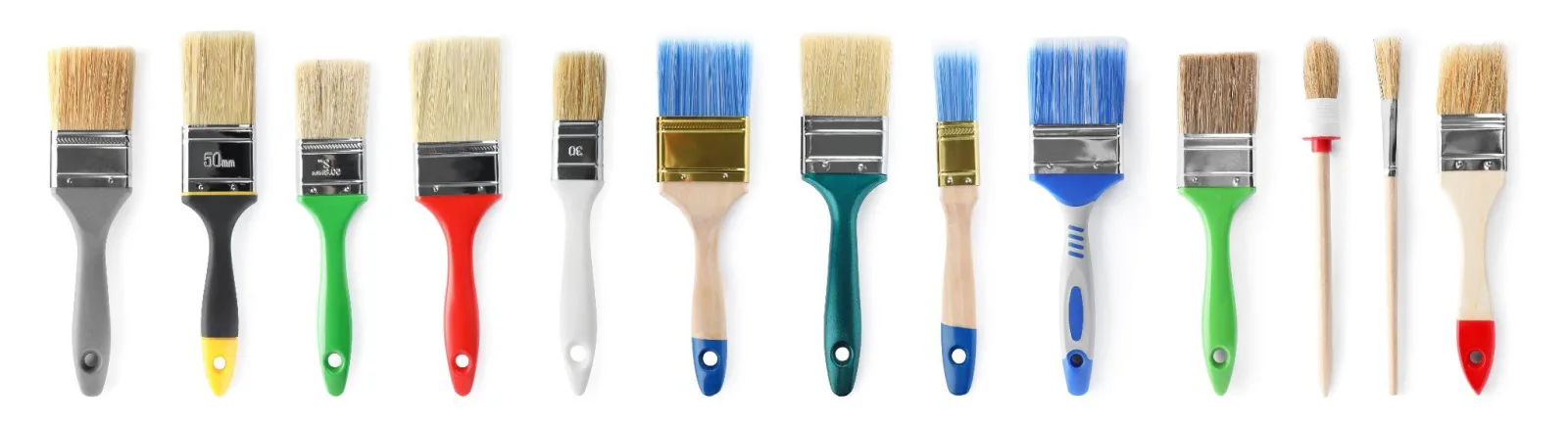
The best paint brush is a 2.5-inch angled sash brush made of a synthetic nylon and polyester filament blend. That combination gives you the control to cut straight lines along ceilings, corners, and trim while staying stiff enough to handle modern waterborne paints. Flagged filaments are the other half of the equation: they pick up more paint, release it evenly, and leave a smooth, brush-mark-free finish on interior and exterior substrates alike.
Quick Reference: Choosing the Best Paint Brush
Using the wrong filament or profile leads to uneven film thickness, visible brush ridges, and sagging paint. Modern waterborne acrylics and urethane enamels need firm synthetic bristles that resist absorbing water, while traditional oil-based alkyds need natural hog bristle or Chinex filaments. Matching the brush to your paint chemistry is the whole game.
- Best all-around filament blend: nylon and polyester, for waterborne latex and acrylic coatings.
- Best shape for trim and cutting in: a 2.5-inch angled sash brush with a short or standard wood handle.
- Best filament for oil-based coatings: natural white or black hog bristle, or Chinex synthetics.
- Top professional manufacturers: premium lines from Purdy and Wooster, for bristle retention and self-leveling.
Climate matters more than most people expect. In humid coastal areas, standard polyester filaments soften and lose their edge, so a stiffer nylon blend holds a sharper line. In cold regions where heavy oil-based primers still go on historic cedar, natural black Chinex or ox-hair pulls those viscous coatings smoothly. In dry Western climates, fast flash times make soft-tipped micro-filament brushes worth it to avoid drag marks.
What Is the Best Paint Brush Filament Material?
Filament material dictates how well a brush holds, distributes, and releases paint onto the substrate. Technical standards from the Master Painters Institute classify brushes by filament chemistry and coating compatibility, and the differences are not subtle.
Nylon and Polyester Blends
Nylon brings durability, abrasion resistance, and flexibility; polyester adds stiffness and shape retention. Blended, they are the best multi-purpose tool for water-based acrylics, latex wall paints, and interior enamels, holding their flex and firm edge through hours of continuous use.
Pure Nylon Filaments
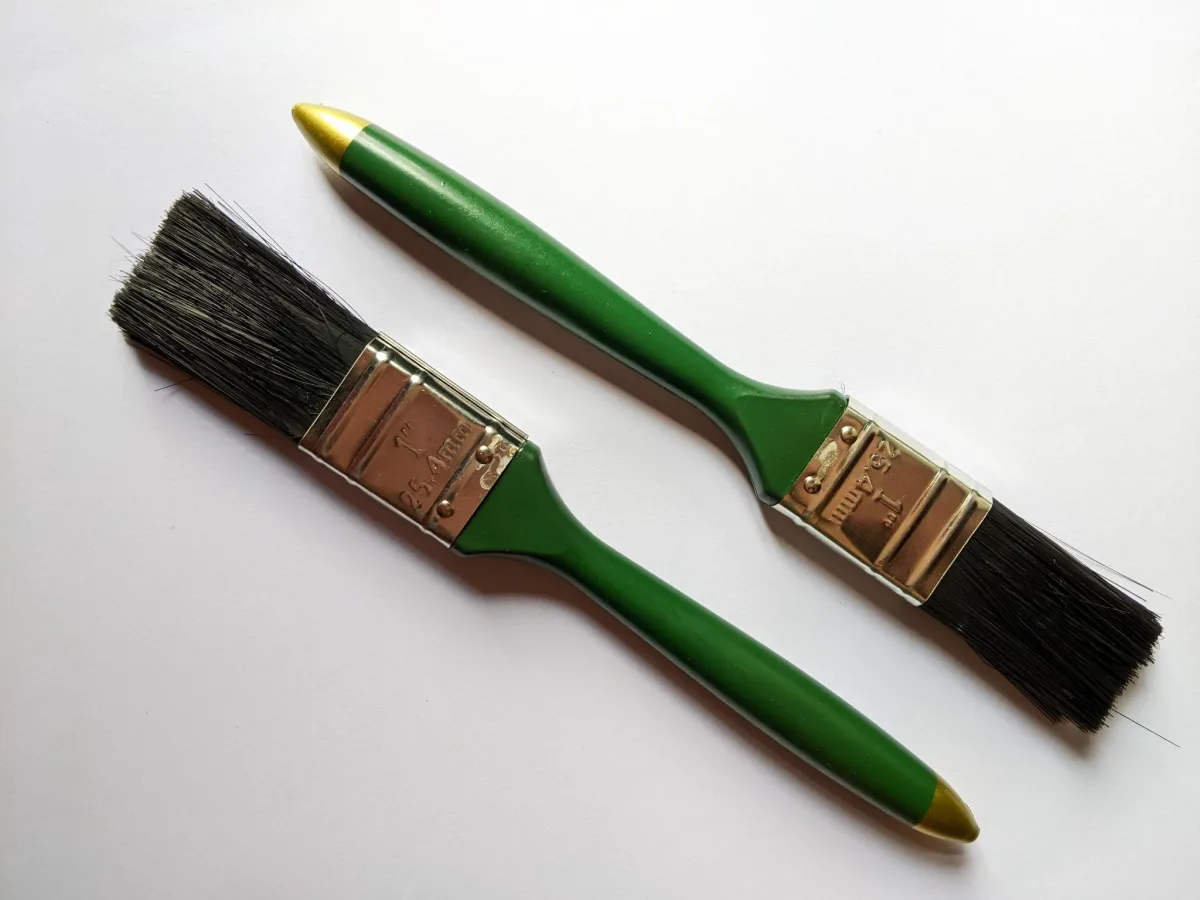
All-nylon brushes are softer and excel where fine finish leveling matters. The tradeoff is that pure nylon absorbs water over time and goes limp in warm, humid weather. Reserve it for delicate interior trim work in waterborne enamels.
Natural Hog Bristle
Natural animal hair has microscopic barbs that hold oil-based paints, varnishes, and solvent-borne alkyds beautifully. Never use it with water-based latex: the bristles absorb the water, swell, splay, and are useless within minutes. Before you start, check our guide on whether you can use old paint so clumped product doesn't ruin a good brush.
“Pro tip: high-end synthetic brushes have flagged bristle tips, where each filament end splits into microscopic feathered ends. Before buying, spread the bristles under strong light and look at the tips. Cheap brushes have blunt-cut plastic filaments that leave deep brush marks. Fully flagged filaments hold roughly three times more paint and release it evenly.”
What Size Paint Brush Should You Use?
The right brush width prevents hand fatigue and keeps the coating uniform. A 2.5-inch brush is the professional standard because it holds enough paint to lay down long lines without constant bucket dips, while staying manageable along narrow trim borders.
Go narrower (1.5 to 2 inches) for window sash, muntins, and tight detail work. Go wider (3 to 4 inches) for broad flat runs like fence boards, siding, and deck rails where speed matters more than edge precision. If the project includes cabinet doors, our guide to painting cabinets with doors covers the leveling techniques that matter most.
Angled Sash Brush vs Flat Cut Paint Brush
The angle of the brush head determines how easily you can cut a sharp line without painter's tape. An angled sash brush has a slanted edge cut at roughly 45 degrees, which lets you tilt the brush so only the long leading point touches the wall-to-trim junction. That single line of contact is what produces crisp edges on baseboards, window frames, and crown molding.
A flat cut brush has a straight, square-cut edge and carries more paint across broad flat areas, making it the better choice for exterior siding, decks, and fences. Edge control is moderate by comparison, which is why most professionals reach for the angled sash first on interior work. If your walls need work before any cutting in, see our drywall repair, interior painting, and exterior painting services.
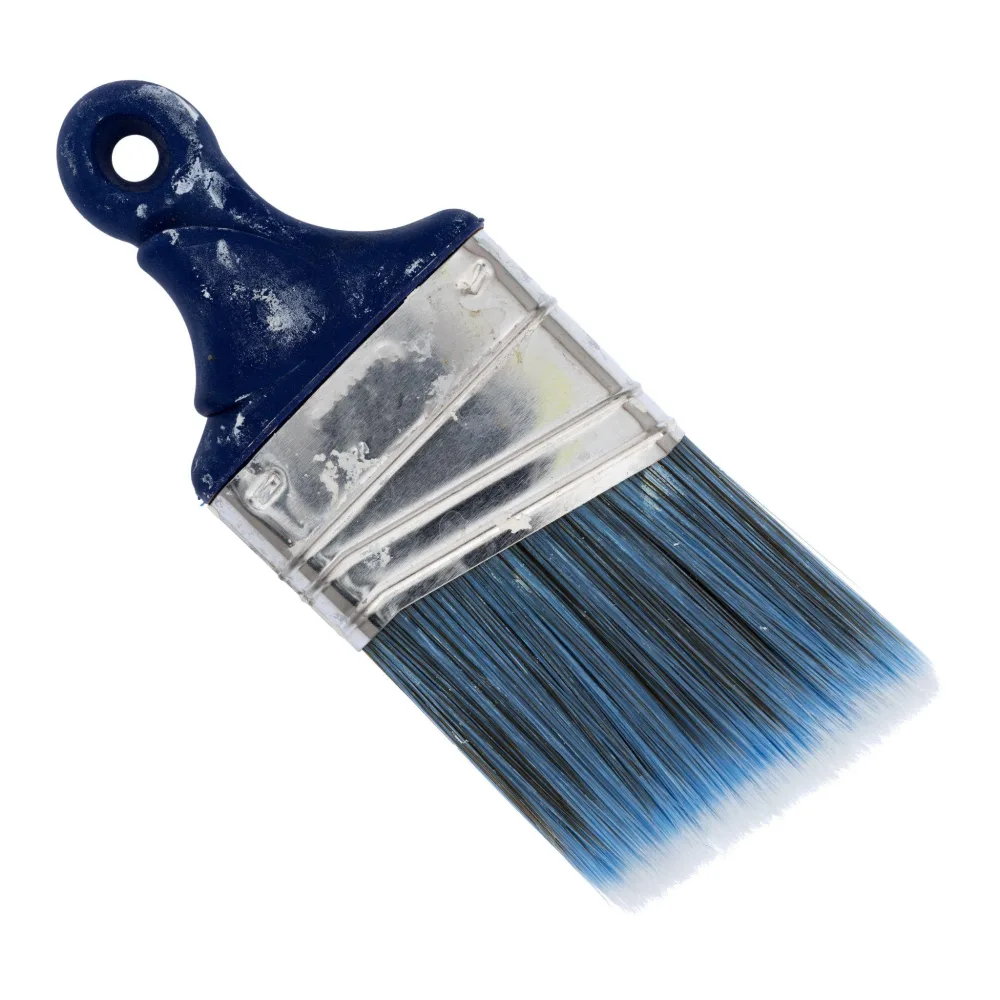
“Pro tip: check the ferrule, the metal band holding the bristles to the handle. Cheap brushes use tin ferrules and weak glue that rusts and sheds bristles into your finish. Look for stainless steel or brass, double-crimped rivets, and a thick epoxy setting block inside.”
How Do You Clean and Maintain Paint Brushes?
Proper cleaning extends the life of a premium synthetic brush by years. When solvent cleaners or chemical strippers are involved, follow OSHA worksite guidance on eye and hand protection.
Cleaning Waterborne and Latex Paints
Comb excess paint back into the bucket. Rinse in lukewarm water while massaging the heel of the brush where the bristles enter the ferrule. Use a brass brush comb to scrape away dried paint skin along the core, wash with mild dish soap, rinse clean, and shake out the excess.
Reshaping and Storage
Never rest a wet brush upright on its bristles in a bucket of water, which permanently bends the tips. After washing, slide the brush back into its original paper keeper to lock the bristles flat and straight while drying, then hang it by the handle hole to air dry completely. Planning the rest of the project? Read up on color drenching for matching sheens, or cleaning limewashed brick for exterior masonry.
“Pro tip: hand-shaking a washed brush leaves water trapped deep in the bristle heel, which dilutes your next dip and causes runs. Spin the handle in a mechanical centrifugal spinner inside an empty bucket for about 10 seconds to force the water out without damaging the flagged tips.”
Common Questions About Paint Brushes
What is the best paint brush for cutting in walls?
A 2.5-inch angled sash brush in a nylon-polyester blend. The angled profile lets you steer a bead of paint precisely along ceiling lines and door trim without painter's tape.
Is a soft or stiff brush better for latex paint?
Medium-stiff to stiff. Waterborne latex is heavy and thick, so stiffer bristles are needed to push the coating onto textured surfaces without splaying or sagging.
How do you keep paint brushes soft after use?
Wash all the paint out of the heel near the ferrule with warm water and soap, use a brush comb to remove hardened particles, and store the brush in its original keeper to preserve the bristle shape.
Why are my bristles falling out into the paint?
Shedding means the internal epoxy block holding the bristles inside the ferrule has degraded. It happens with low-quality brushes, or when brushes are soaked in harsh solvents that dissolve the adhesive bond.
What brush is best for oil-based paints and primers?
Natural hog bristle or synthetic Chinex filaments. Both hold thick oil paints smoothly without absorbing water or losing their stiffness.
Ready for Professional Interior and Exterior Painting?
Clean lines and smooth coatings come down to the right tools, real preparation, and experienced application. If you would rather hand the project to a crew that already owns the brushes and knows which one belongs on your trim, our teams handle interior and exterior work with premium finishes and a 3-year transferable warranty.
Contact That 1 Painter to schedule a detailed, obligation-free on-site estimate. Every home is different, so final pricing always comes from an in-person assessment of materials, prep, and surface condition.
