By Norman R.
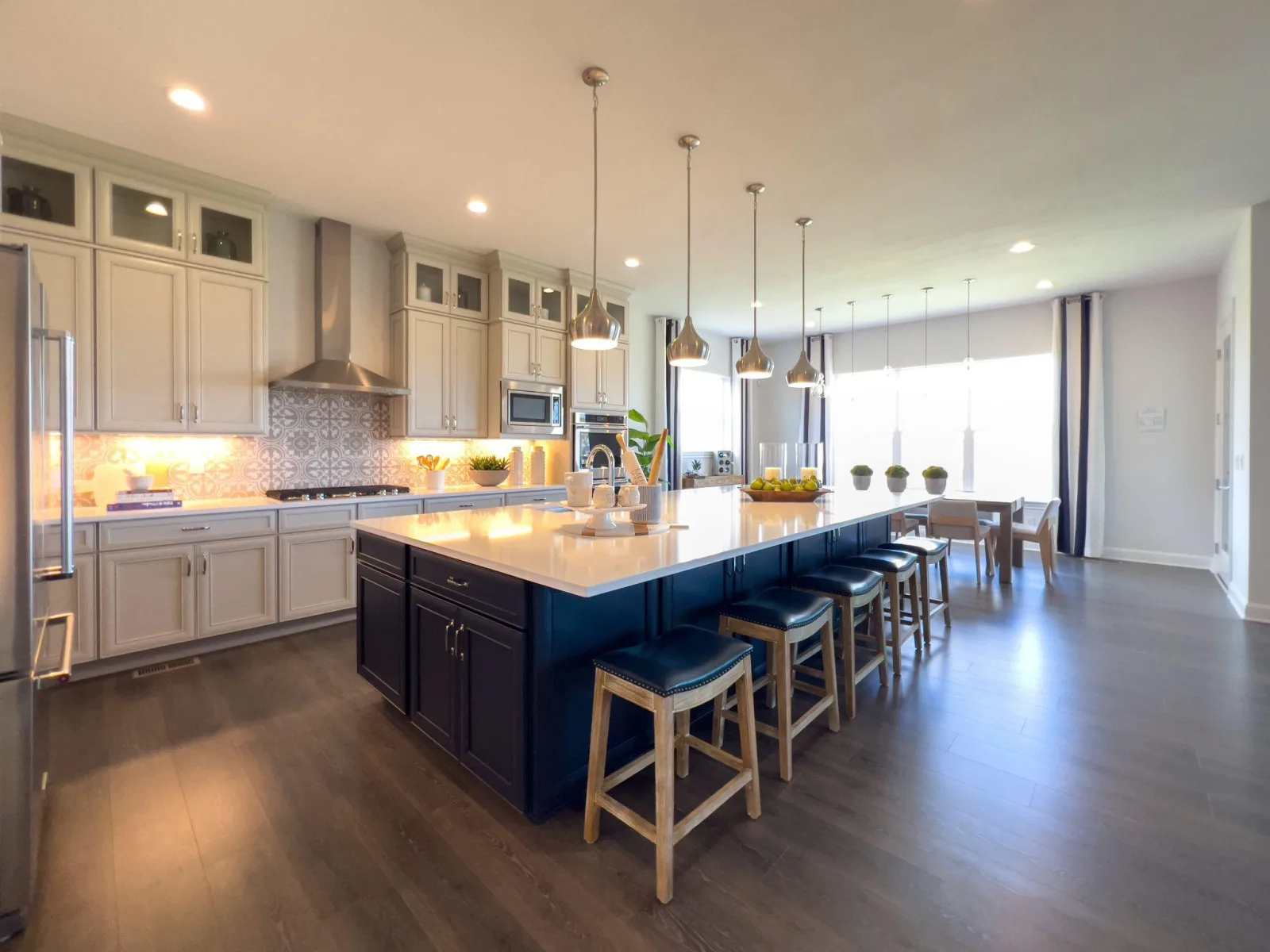
The best kitchen paint is a premium 100 percent acrylic or waterborne urethane resin enamel in a satin or semi-gloss finish. Kitchen walls require high-sheen coatings because cooking grease, moisture, and frequent scrubbing quickly break down standard flat or eggshell interior wall paints. Selecting a formulation engineered for grease resistance and scrubability ensures your kitchen surfaces withstand daily wear without fading or flashing.
Quick Reference Summary for Best Kitchen Paint Choices
Kitchens are high-traffic environments that generate localized humidity, airborne cooking oils, and frequent food splatters. Low-grade paints absorb grease, leaving permanent dark stains that soften the paint film and cause premature peeling around cooktops and sinks.
Regional environmental conditions and kitchen layout styles dictate which resin systems perform best. In humid Southern coastal regions, intense indoor moisture from cooking combines with high ambient humidity, making antimicrobial acrylic enamels necessary to prevent mildew growth along backsplash drywall. In arid Western mountain climates, intense sunlight through unshaded kitchen windows bakes grease onto walls, requiring high-density stain-shield enamels that endure aggressive degreasing. In historic Northern homes featuring original hardwood window casings and plaster walls, seasonal heating fluctuations cause wood expansion, making flexible waterborne urethane acrylics necessary to prevent cracking along trim joints. Below is a technical guide to choosing the best paint formulations for every kitchen surface.
- Best Overall Wall Finish: Satin or semi-gloss 100% acrylic enamel for washable durability.
- Best Cabinet Paint Coating: Waterborne urethane alkyd enamel for factory-smooth impact resistance.
- Best Ceiling Paint Sheen: Flat or anti-microbial matte latex to hide imperfections while resisting moisture steam.
- Scrubability Requirement: Look for ASTM D2486 scrub resistance certification on the manufacturer technical data sheet.
What Is the Best Paint Finish for Kitchen Walls?
Choosing the best kitchen paint finish requires balancing light reflection with scrubability. Technical standards set by the Master Painters Institute (MPI) categorize kitchen walls as high-vigilance zones demanding minimum Category 54 or 139 washable gloss levels. Satin finishes offer a subtle luster that hides small drywall imperfections while providing enough surface density to resist moisture penetration. Semi-gloss finishes provide a harder, slicker surface that sheds water and oil effortlessly, making them ideal for backsplash zones, areas behind stove ranges, and wall sections surrounding dishwashers.
If you are inspecting saved cans from previous interior painting projects to touch up your kitchen walls, consult our guide on can you use old paint to verify chemical stability.
“Pro Tip 1: Grease Saponification and Resin Breakdown. Vegetable oils and aerosolized animal fats contain free fatty acids that react with cheap latex paint resins through a chemical process called saponification. This reaction breaks down the binder, leaving sticky, soft patches on walls above stoves. Always specify 100 percent cross-linking acrylic or urethane-modified coatings in cooking areas, as these synthetic resins resist chemical breakdown from food lipids.”
What Paint Finish Is Best for Kitchen Cabinets?
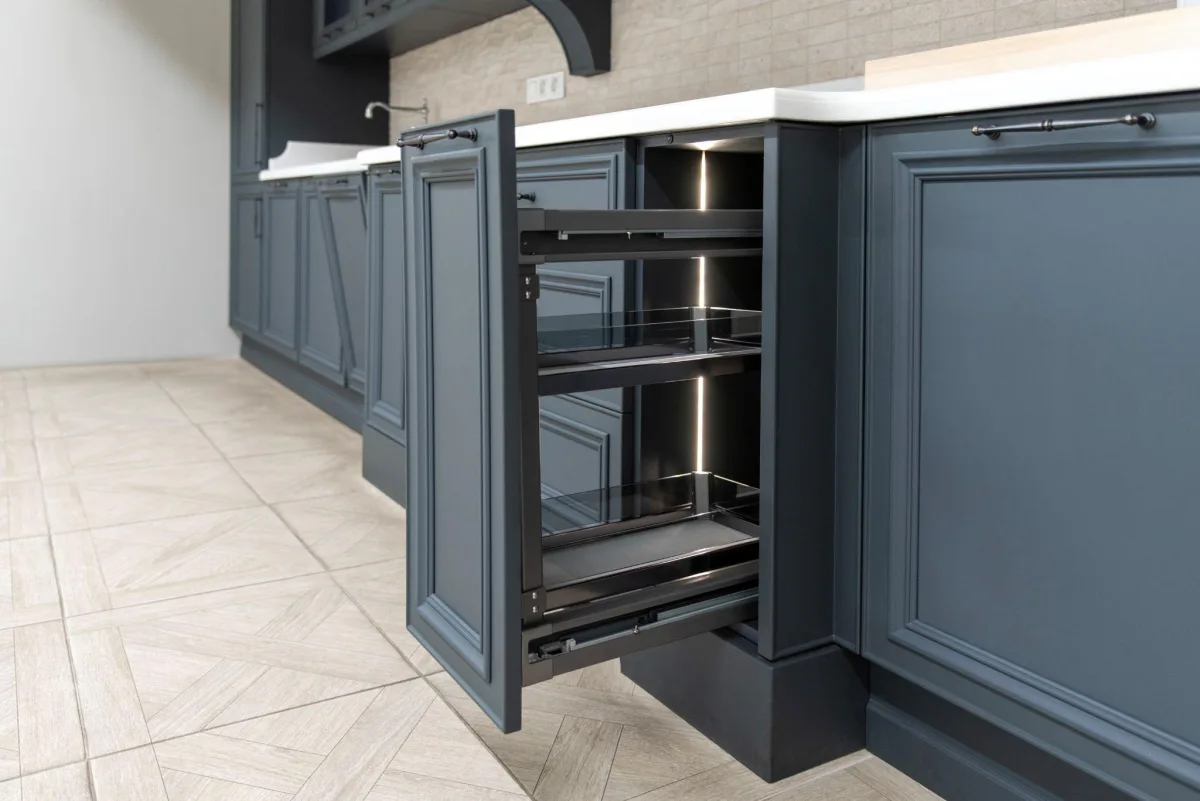
Kitchen cabinets endure constant physical contact, hand oils, and door slams, requiring a far tougher paint formulation than standard wall coatings.
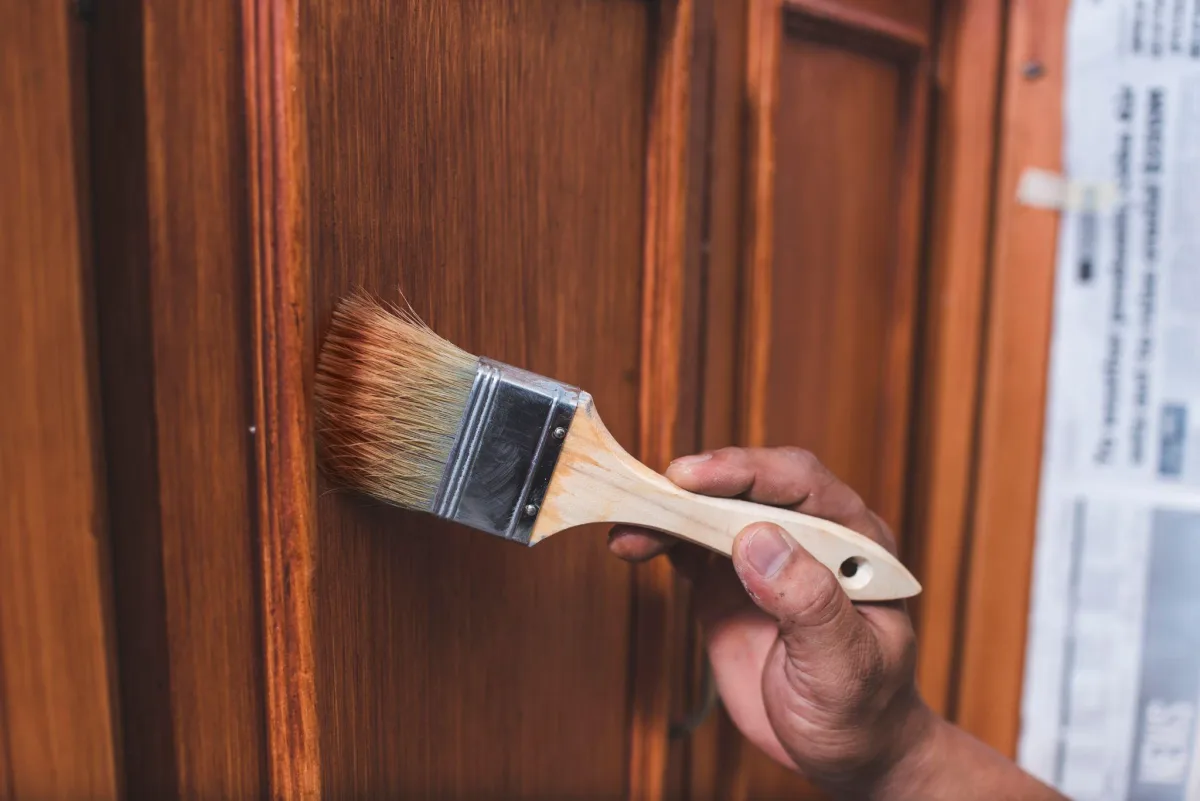
Standard wall latex remains too flexible and soft for cabinetry, leading to chipping along panel edges and sticking along door frames. Cabinet doors require waterborne urethane alkyd enamels. These advanced coatings flow out like traditional oil paint to eliminate brush strokes, but cure to a rock-hard enamel finish that resists chipping and block sticking.
If you are planning a full kitchen cabinet overhaul, read our detailed guide on painting cabinets with doors for specialized application steps.
Kitchen Paint Performance Matrix by Coating Type
This technical reference table matches kitchen substrates with ideal resin formulations, recommended sheens, and key performance traits.
If you are considering bold modern design choices like painting your walls, trim, and ceiling in a single cohesive shade, read our guide on what is color drenching. For exterior stone or brick maintenance surrounding your kitchen patio, review our guide on can you clean limewashed brick. Learn more about our national brand standards via That 1 Painter.
- Kitchen Drywall Walls: 100% acrylic enamel in satin or semi-gloss. Advantage: high scrubability and grease resistance.
- Kitchen Trim and Baseboards: urethane acrylic enamel in semi-gloss or gloss. Advantage: impact resistance and scuff protection.
- Kitchen Wood Cabinets: waterborne alkyd enamel in semi-gloss or satin. Advantage: factory-level leveling and block resistance.
- Kitchen Drywall Ceiling: moisture-resistant acrylic in flat or matte. Advantage: steam resistance without surface glare.
Leading paint producers like Benjamin Moore engineer dedicated kitchen and bath formulations with built-in mildewcides to protect high-moisture interiors.
“Pro Tip 2: Blocking Resistance and Door Sticking Prevention. Cheap interior gloss paints suffer from poor blocking resistance, meaning painted surfaces stick together when closed. When painting kitchen cabinet doors or pantry casings, verify that the paint has an ASTM D4946 Block Resistance rating of 8 or higher. Applying a waterborne urethane acrylic allows cabinet doors to seal shut without tearing the dry paint film off the frame.”
How Does Surface Preparation Affect Kitchen Paint Performance?
Applying even the highest-quality kitchen paint over uncleaned walls guarantees premature adhesion failure.
Cooking oil settles on kitchen walls as an invisible film. If you apply new paint directly over this film, the wet paint cannot form a mechanical bond with the drywall substrate, resulting in peeling paint ribbons within months.
If your kitchen wall prep work exposes bare drywall paper or damaged mud seams near water lines, utilize our professional drywall repair services to restore structural integrity. You can also combine your project with our full-service interior house painting services and exterior house painting services for a complete home transformation.
“Pro Tip 3: Substrate Degreasing and Etching Protocol. Washing kitchen walls with standard dish soap leaves surfactant residue that repels fresh topcoats. Wash all kitchen walls, soffits, and cabinet doors with a Trisodium Phosphate (TSP) substitute solution paired with an abrasive pad. Rinse the surface thoroughly with clean warm water and allow it to dry completely before applying a dedicated stain-blocking bonding primer.”
Answers to Common Questions About Kitchen Paint
Can I use matte paint in a kitchen?
You should generally avoid standard matte paint on kitchen walls because its porous surface traps cooking grease and burnishes when scrubbed. However, specialized ultra-premium washable matte paints engineered with high-density ceramic microspheres can be used if you prefer a low-sheen look.
Is semi-gloss or satin better for kitchen walls?
Satin is better for general kitchen walls because it balances scrubability with a softer appearance that hides minor drywall defects. Semi-gloss is better for areas exposed to direct water splashing and grease, such as backsplashes, trim, and cabinet surfaces.
Do I need a special primer for kitchen walls?
Yes, using a stain-blocking acrylic or oil-based primer is critical when painting kitchen walls. Primer seals lingering grease traces, water stains, and food splatters, preventing them from bleeding through your new topcoat paint.
Why is my kitchen paint peeling near the stove?
Paint peels near stoves due to heat exposure, steam, and accumulated grease residue that broke the original paint bond. To fix this, scrape loose paint, scrub the area with TSP substitute, apply a high-adhesion bonding primer, and finish with a 100 percent acrylic semi-gloss enamel.
How long should kitchen paint dry before hanging cabinets or cooking?
While acrylic paint dries to the touch in 2 to 4 hours, full curing takes 14 to 28 days. Avoid aggressive wall scrubbing, heavy steam generation, or hanging heavy cabinet doors for at least 5 to 7 days to allow the paint film to gain initial hardness.
Always follow site safety guidelines established by the Occupational Safety and Health Administration (OSHA) when using ladder extension poles or handling chemical degreasers indoors.
Ready for Professional Interior Painting Services?
Selecting the right paint formulations, preparing greasy substrates, and achieving smooth enamel finishes on kitchen walls and cabinetry requires professional equipment and field experience. Let our skilled painting crews deliver flawless kitchen finishes for your home.
Note: Pricing estimates are based on 2026 regional averages. Every home is unique, and final quotes require an on-site assessment to account for material costs, prep work, and structural conditions.
Contact That 1 Painter today to schedule your detailed, obligation-free on-site estimate and upgrade your kitchen with durable, high-performance coatings. Book Your Free Professional Estimate Now
