By Norman R.
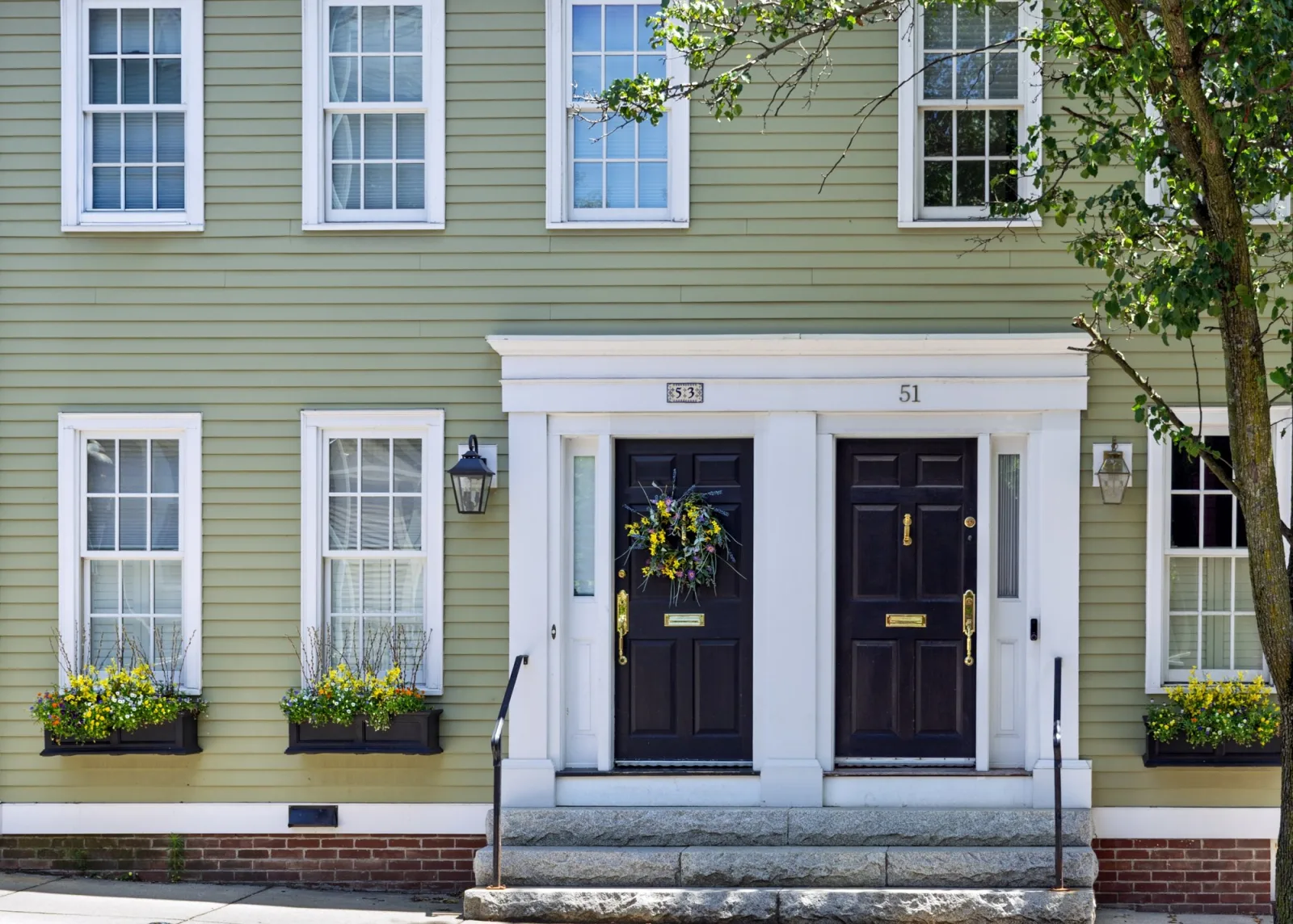
The best Sherwin-Williams house paint colors for 2026 are SW 9132 Acacia Haze on the siding or stucco, SW 6990 Caviar on the front door and garage door, and SW 7004 Snowbound on the trim and shutters. Acacia Haze is a medium green with slate blue undertones that instantly modernizes an exterior. Caviar is a saturated black that makes the green read richer and deeper. Snowbound frames the whole house with clean, bright edges. Together, the three colors create a balanced, current palette that works on lap siding, board and batten, brick-and-siding combinations, and stucco.
Exterior color is the largest visual decision on any home. It sets curb appeal, affects how buyers perceive value, and stays in place for 7 to 10 years on a quality job. The most common mistake homeowners make is choosing a body color from a 2-inch chip indoors. Exterior light washes color out, shifts undertones, and exaggerates contrast. A tested three-color system like this one removes most of that guesswork.
Regional weather shifts, sun intensity, and local building materials heavily influence how exterior colors read and how long they last. In humid Southern coastal climates, bright reflected light can push Acacia Haze toward its blue side, and mildew-resistant acrylic topcoats protect siding from constant moisture. In high-altitude Western mountain regions and arid desert areas, intense UV exposure fades saturated colors faster, making premium 100 percent acrylic exterior paint essential on the Caviar doors. In historic Northern properties subject to winter freeze-thaw cycles, flexible acrylic films expand and contract with wood siding and trim without cracking. Below is a complete exterior color guide for using this Sherwin-Williams palette on your home.
Quick Reference Summary for This Sherwin-Williams Exterior Palette
- Body Color: SW 9132 Acacia Haze on siding or stucco; a medium green with slate blue undertones.
- Door Color: SW 6990 Caviar on the front door and garage door; a saturated black that deepens the green.
- Trim Color: SW 7004 Snowbound on trim, fascia, window casings, and shutters.
- Recommended Sheens: Flat or satin on the body, satin on trim, and satin or semi-gloss on doors.
- Testing Rule: Sample every color on the actual house and view it at morning, midday, and evening.
Why Does This Sherwin-Williams Exterior Palette Work So Well?
A good exterior palette needs three jobs filled: a body color, a trim color, and an accent color. This palette fills each job with a color that supports the other two.
Acacia Haze carries most of the visual weight. A medium green sits comfortably between nature and architecture. It blends with lawns, shrubs, and tree lines instead of fighting them. The slate blue undertone keeps it from looking olive or muddy. That cool edge is what gives the house a modern, tailored look instead of a dated sage look.
Caviar provides the anchor. Saturated black has the strongest contrast of any accent color. Placed next to a medium green, it makes the green appear richer by comparison. That is a real optical effect called simultaneous contrast. Colors shift in appearance based on what sits next to them.
Snowbound handles the edges. White trim outlines windows, rooflines, and corners so the architecture reads clearly from the street. Without a light trim color, a medium-to-dark body color can make a house look flat and heavy. With it, every line becomes crisp.
The result is a high-low-mid structure. Light trim, dark doors, and a mid-tone body give the eye three clear levels. That is the same structure designers use on most high-end exteriors. If you are still deciding between body colors, read our guide on choosing a paint color for your house and why you should not trust paint swatches.
“Pro Tip 1: Judge Undertones Against Your Fixed Materials. Roofing, stone, brick, and pavers do not change, so your paint must work with them. Hold a large Acacia Haze sample next to your roof shingles and any masonry before committing. Its slate blue undertone pairs well with gray, charcoal, and black roofs. On warm brown or red roofs, test carefully, because the cool undertone can clash.”
What Role Does Each Color Play on the Exterior?
Each color in this palette has a specific placement. Following that placement keeps the result balanced and intentional.
- SW 9132 Acacia Haze: Siding and Stucco. Acacia Haze covers the largest surface, so it sets the overall mood. On lap siding, the shadow lines between boards make the color read slightly deeper. On smooth stucco, it reads lighter and more even. On board and batten, the vertical battens create rhythm that suits a modern farmhouse style. Plan on two full coats over a properly primed surface for even color and full film thickness.
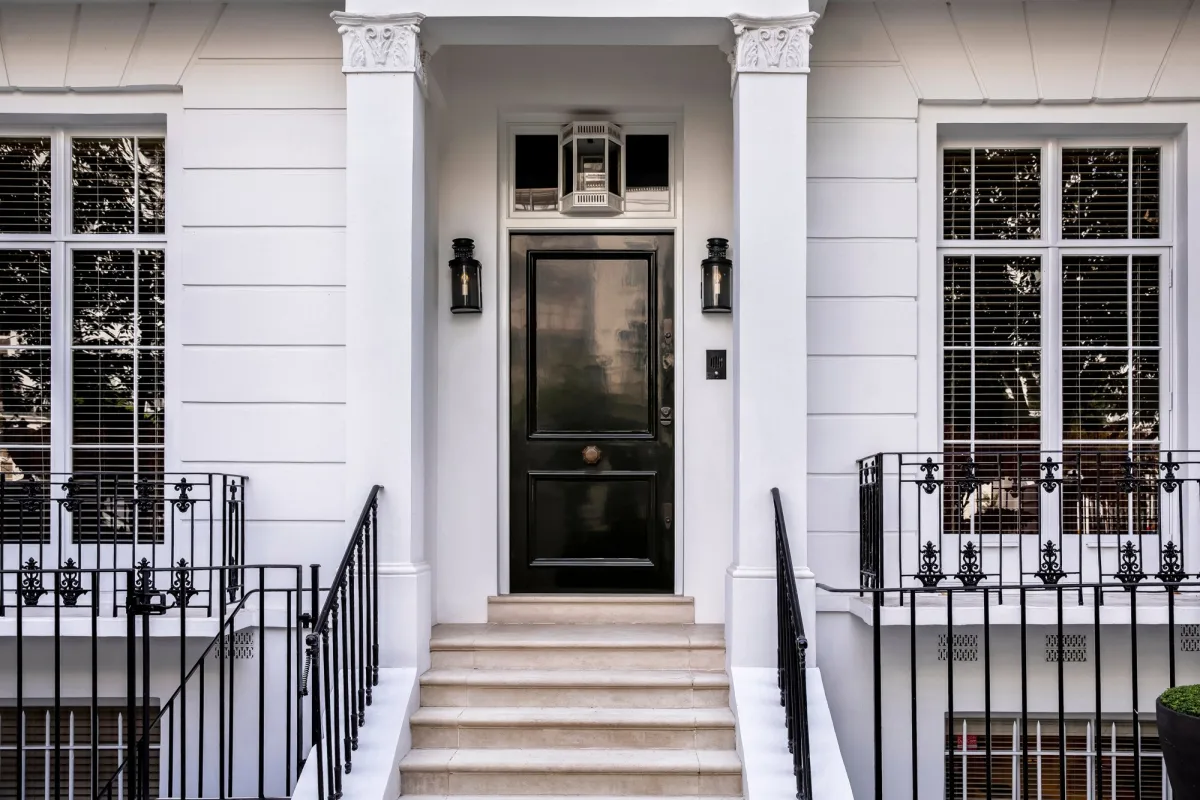
- SW 6990 Caviar: Front Door and Garage Door. Painting both doors the same black ties the entry and garage together. That is important on homes where the garage faces the street. A black garage door also visually recedes, which reduces how dominant a large door looks. A black front door creates a clear focal point. For more on entry door impact, see our guide on how to paint your front door to boost curb appeal.
- SW 7004 Snowbound: Trim and Shutters. Snowbound goes on fascia, soffits, window and door casings, corner boards, and shutters. Painting the shutters white rather than black keeps the facade from feeling busy. It also lets the Caviar doors stand alone as the only dark accents. That restraint is what keeps this palette looking clean and current.
Dark colors absorb more heat than light colors. Before painting a vinyl, composite, or fiberglass door Caviar, check the door manufacturer's guidance on dark colors. Some materials can warp or void a warranty under heavy heat buildup. Steel and wood doors generally handle dark colors well with proper primer and an exterior-rated topcoat.
What Paint Sheen Should You Use on Each Exterior Surface?
Sheen affects durability, cleanability, and how the color looks in sunlight. The right sheen on each surface keeps the palette looking consistent.
Siding and stucco. perform best in flat or satin. Flat hides surface imperfections on older wood siding and textured stucco. Satin adds a soft glow and sheds dirt more easily on smooth fiber cement or newer siding.
Trim and shutters. look best in satin or semi-gloss. A slightly higher sheen than the body helps white trim resist dirt, wipe clean, and define edges.
Front and garage doors. take satin or semi-gloss. A front door gets handled every day, so a harder, more washable finish makes sense. Note that higher sheen on a black door shows dust, fingerprints, and surface flaws more clearly.
Product choice matters as much as sheen. Premium exterior acrylic lines hold color longer under UV exposure. Our Sherwin-Williams Duration review covers one common option.
Technical Comparison of the Acacia Haze, Caviar, and Snowbound Palette
This reference table breaks down each color's code, placement, recommended sheen, and visual role on the exterior.
- SW 9132 Acacia Haze: Siding, stucco, main body. Flat or satin. Mid-tone body color; medium green with slate blue undertones.
- SW 6990 Caviar: Front door, garage door. Satin or semi-gloss. Dark anchor; makes the green appear richer.
- SW 7004 Snowbound: Trim, fascia, casings, shutters. Satin or semi-gloss. Light outline; defines architecture and edges.
- All three together: Full facade. Mixed by surface. High-low-mid contrast that reads modern from the street.
Color details such as Light Reflectance Value (LRV) and coordinating colors for Acacia Haze, Caviar, and Snowbound are listed on the Sherwin-Williams website, which helps you compare how each shade will read in full sun.
How Do You Test and Apply This Exterior Palette Correctly?
Follow this professional process to confirm the colors and apply them for lasting results:
- Order Large Samples: Get sample quarts or large peel-and-stick sheets of all three colors. Small chips are too small to judge exterior color accurately.
- Paint Test Boards: Roll two coats of each color onto 2-foot by 2-foot boards. Place them on the shaded side and the sunny side of the house.
- View at Three Times of Day: Check the boards in morning, midday, and evening light. Acacia Haze can read greener in warm light and bluer in cool, shaded light.
- Pressure Wash the House: Remove dirt, chalk, and mildew before any painting. Our pressure washing services prepare siding for proper adhesion.
- Repair, Scrape, and Caulk: Scrape loose paint, replace rotted wood, and caulk gaps at trim joints with a paintable exterior sealant.
- Prime Bare and Repaired Areas: Spot-prime bare wood, patched areas, and any stain-prone surfaces with an exterior primer.
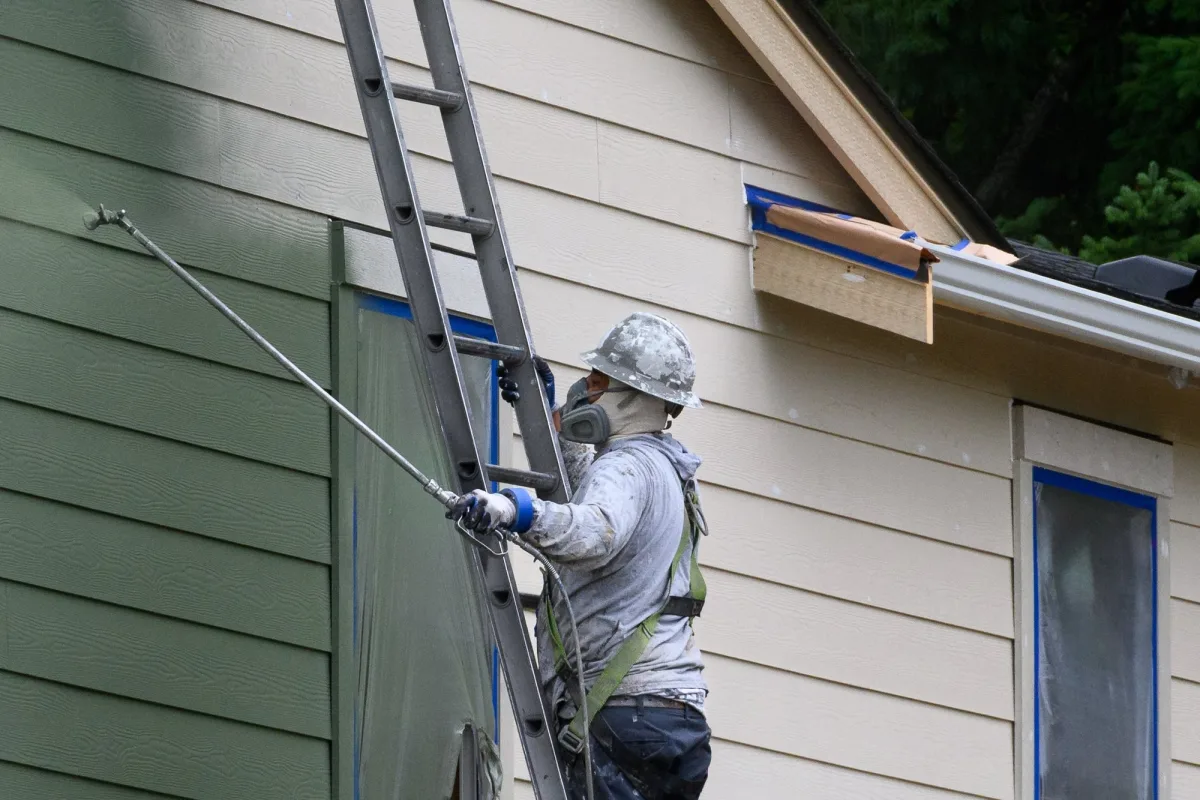
- Apply Two Coats of Body Color: Roll or spray Acacia Haze in two full coats, back-rolling textured surfaces to work the paint into pores.
- Cut In Trim, Then Paint Doors: Apply Snowbound to trim and shutters, then finish with Caviar on the doors once the surrounding areas are dry.
“Pro Tip 2: Plan Extra Coats for Saturated Black. Deep colors like Caviar are mixed in a clear or deep base with heavy colorant. They often need a gray-tinted primer and two to three topcoats for full, even hide. Skipping the tinted primer leads to streaks and thin spots, especially on doors that previously had a light color.”
For full-service results, our exterior painting services cover prep, repairs, and application on every surface of the home.
Industry standards from the Painting Contractors Association (PCA) define what a properly prepared and evenly coated exterior surface should look like, which is a useful benchmark when you compare painting bids.
What Are the Most Common Mistakes With This Exterior Palette?
Avoid these common errors to keep the finished house looking intentional:
- Choosing From a Chip Indoors: Indoor lighting hides the slate blue undertone in Acacia Haze. Always judge exterior color outside.
- Painting Shutters Black Too: Adding black shutters alongside black doors can make the facade look busy. The palette is designed for Snowbound shutters.
- Ignoring the Roof Color: A cool green body against a strongly warm roof can clash. Test against the roof before buying gallons.
- Painting in Poor Conditions: Applying exterior paint in direct midday sun, high wind, or below the label's minimum temperature causes lap marks and adhesion problems.
- Skipping Primer on Doors: Black paint over a glossy, unprepared door peels and shows brush marks. Scuff-sand and prime first.
Answers to Common Questions About Sherwin-Williams House Paint Colors for 2026
Is Acacia Haze a green or a gray?
Acacia Haze is a medium green with slate blue undertones. It reads as a muted, modern green rather than a bright one. In shade or cool light, the blue undertone becomes more noticeable.
Why use Caviar on the garage door instead of the body color?
Caviar ties the garage door to the front door and creates one consistent accent. A black garage door also visually recedes. That reduces how much a large door dominates the front of the house.
Can I use Snowbound on the shutters instead of black?
Yes, that is exactly how this palette is designed. Snowbound shutters keep the facade clean and let the black doors stand out as the only dark accents.
What sheen should I use for siding in this palette?
Flat or satin works best on siding and stucco. Flat hides surface flaws on older or textured surfaces. Satin cleans more easily on smooth fiber cement and newer siding.
How long will this exterior paint job last?
A quality exterior job with proper prep and premium acrylic paint typically lasts 7 to 10 years. Sun exposure, climate, and siding material all affect lifespan. Dark door colors may need refreshing sooner in strong sun.
For homes built before 1978, the U.S. Environmental Protection Agency (EPA) Renovation, Repair and Painting Rule requires lead-safe work practices by certified firms when disturbing painted surfaces.
Ready for Professional Exterior House Painting?
Testing exterior colors, prepping weathered siding, and applying saturated door colors require technical skill and professional equipment. Let our experienced painting teams bring this Sherwin-Williams palette to your home safely and efficiently.
Note: Pricing estimates are based on 2026 regional averages. Every home is unique, and final quotes require an on-site assessment to account for material costs, prep work, and structural conditions.
Contact the team at That 1 Painter today to schedule your detailed, obligation-free on-site estimate, and give your home a modern exterior that stands out on the street. Book Your Free Professional Estimate Now
