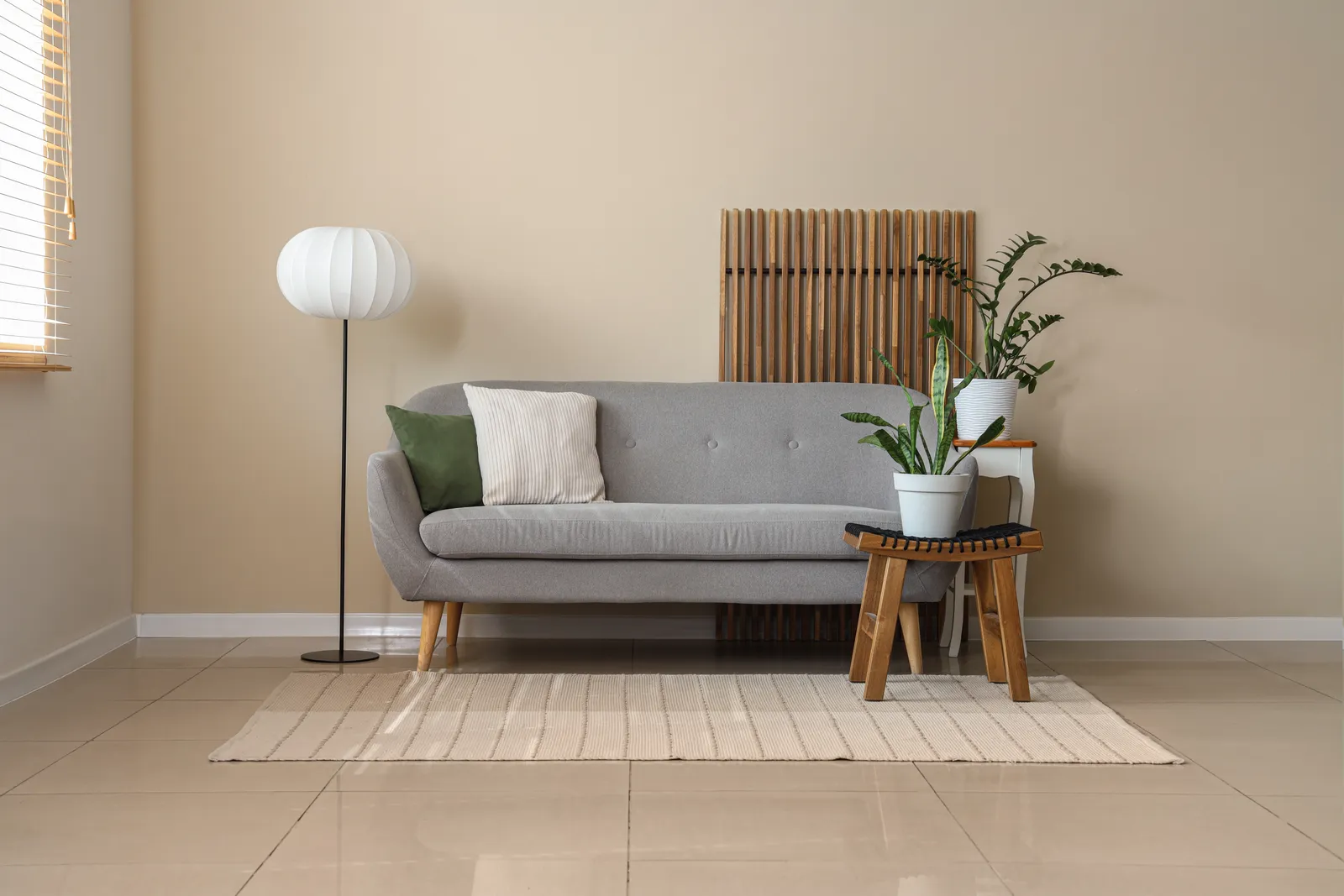
By Ben M.
Yes, Sherwin-Williams Neutral Ground (SW 7568) is a strong choice for most homes. It works as a great base color for bedrooms, living rooms, kitchens, bathrooms, and hallways. Neutral Ground is a warm, soft neutral that sits between beige and greige, so it feels cozy and light without reading yellow or stark. Because it looks different in the can than on the wall, sampling it in your own light is the key to using it well.
Many homeowners pick a color from the can lid or a tiny chip and are surprised once it covers four walls. Neutral Ground is a good example. In the can, it can look deeper and creamier. On the wall, it usually softens into a light, warm backdrop that shifts with the light around it. Understanding that shift is what separates a warm, inviting room from a color that feels flat or muddy.
Regional light conditions, seasonal humidity, and local architecture heavily influence how Neutral Ground reads on a finished wall. In humid Southern coastal climates, bright sun and reflected light keep Neutral Ground airy and fresh, and it balances cool tile and white trim common in coastal homes. In high-altitude Western regions with arid air and intense daylight, it can read lighter and slightly more beige, which suits stone, adobe, and wood finishes. In Northern homes with freeze-thaw winters and cool, low-angle light, Neutral Ground is especially valuable because its warmth keeps rooms from looking gray and cold through the long winter months. Below is a complete color guide for using Sherwin-Williams Neutral Ground throughout your home.
Quick Reference Summary for Sherwin-Williams Neutral Ground
- Color and Code: Sherwin-Williams Neutral Ground (SW 7568), a warm, soft neutral between beige and greige.
- Best Rooms: A great base color for bedrooms, living rooms, kitchens, bathrooms, and hallways.
- Main Characteristic: It looks deeper in the can than on the wall and warms or cools with the lighting.
- Recommended Sheens: Matte or eggshell in bedrooms and living areas, satin in bathrooms, kitchens, and busy halls.
- Testing Rule: Sample it on large boards on several walls and view it at different times of day.
Why Does Neutral Ground Work as a Base Color?
Neutral Ground works as a base color because it is light, warm, and flexible. It adds warmth without the commitment of a strong beige or tan. That makes it easy to carry from room to room.
Its balanced warmth is the real advantage. Neutral Ground has enough gray to keep it from looking yellow, and enough warmth to keep it from looking cold. In a bedroom, it feels cozy and restful. In a living room, it feels welcoming. In a kitchen or bathroom, it reads clean and soft beside white and wood finishes.
Neutral Ground also pairs naturally with common home finishes. White trim, oak and walnut floors, linen and wool textiles, matte black hardware, and warm brass all look at home beside it. To see it as part of a full bedroom palette, read our guide to the best Sherwin-Williams bedroom colors.
“Pro Tip 1: Do Not Judge Neutral Ground From the Can. The video shows Neutral Ground both in the can and on the wall for a reason. Wet paint in a can looks darker and more concentrated than dried paint on a large surface. Always let a sample dry fully on the wall before deciding.”
The Sherwin-Williams website lists the Light Reflectance Value (LRV) and coordinating colors for Neutral Ground (SW 7568), which helps you predict how light it will read in your rooms.
Where Should You Use Neutral Ground in Your Home?
Neutral Ground is versatile enough to work as a base color across most living spaces. Here is how it performs room by room.
- Bedrooms: Neutral Ground creates a warm, restful backdrop. It works with white or cream bedding, natural wood furniture, and soft textiles. A matte or eggshell sheen gives it a soft, velvety look. For more calming color ideas, see our guide on paint colors for a tranquil, relaxing bedroom.
- Living Rooms: In living rooms, Neutral Ground reads warm and welcoming. It flatters both bright and dim spaces and pairs well with white trim, leather, and neutral upholstery.
- Kitchens: In kitchens, Neutral Ground warms walls between white, wood, or painted cabinets. It complements stone counters and lets the backsplash take center stage.
- Bathrooms: In bathrooms, Neutral Ground softens white tile and marble and feels like a warm spa. Choose a moisture-resistant finish to handle steam. Our guide on the best paint finish for a bathroom covers sheen choice in detail.
- Hallways: Hallways benefit from a consistent base color that ties rooms together. Neutral Ground can carry through connecting spaces and give the whole home a cohesive look. See our guide on paint colors for a cohesive home for whole-house planning tips.
How Should You Test Neutral Ground Before Painting?
Testing is essential with any warm neutral, because warm colors shift more than you expect. Follow these steps before committing.
- Use Large Samples: Paint sample boards at least 12 by 12 inches. Small chips cannot show how the color behaves across a wall.
- Test on Multiple Walls: Place samples on a sunny wall and a shaded wall. North-facing rooms tend to make Neutral Ground look grayer, while south-facing rooms bring out more of its warm beige.
- Check at Different Times: View the samples in the morning, afternoon, and evening under your own lamps.
- Compare With Fixed Finishes: Hold samples next to flooring, tile, countertops, and cabinets that will stay in the room, since warm woods and stone can pull out pink or yellow notes.
- Let It Dry Fully: Judge the color only after the sample is completely dry, since wet paint reads darker.
For more on why small swatches can mislead, read choosing a paint color: don't trust paint swatches.
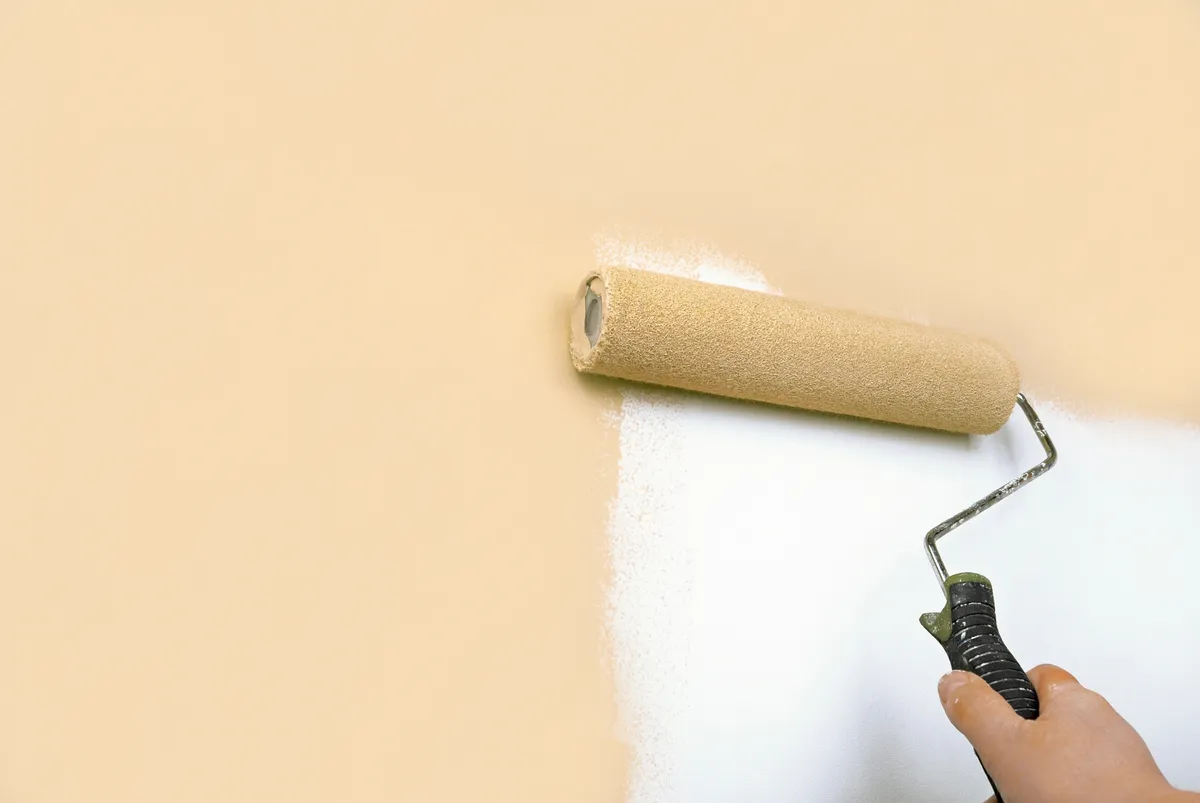
Which Sheen Should You Use With Neutral Ground?
Sheen changes how Neutral Ground looks and how well it holds up. Lower sheens make it read softer and more muted. Higher sheens reflect more light and make it look slightly lighter and warmer.
In bedrooms and living rooms, matte or eggshell is ideal. These finishes give Neutral Ground a soft, calm appearance and hide minor wall flaws. In bathrooms and kitchens, satin is a smart choice, since it resists moisture and wipes clean more easily. In busy hallways, eggshell or satin stands up better to scuffs from hands, bags, and pets.
For trim, doors, and casings beside Neutral Ground walls, a soft white in semi-gloss is a classic choice. It provides crisp contrast and durability on high-contact surfaces.
“Pro Tip 2: Keep One Sheen Per Room. Mixing sheens on the same walls causes visible differences in how light hits the color. Pick one wall sheen per room and touch up with the same product and sheen to avoid flashing.”
Performance standards from the Master Painters Institute (MPI) classify interior paints by sheen and scrub resistance, which is helpful when you choose a finish for busy hallways and kitchens.
Pairing Matrix for Neutral Ground by Room
This reference table summarizes where Neutral Ground works best, the recommended sheen, and what pairs well with it.
- Bedroom: Matte or eggshell. Cream bedding, natural wood, soft textiles. Warm and restful.
- Living room: Eggshell. White trim, leather, neutral upholstery. Cozy and welcoming.
- Kitchen: Satin. White, wood, or painted cabinets, stone counters. Soft, natural warmth.
- Bathroom: Satin. White tile, marble, brass or black fixtures. Warm, spa-like calm.
- Hallway: Eggshell or satin. White trim and doors. Cohesive flow between rooms.
What Are the Most Common Mistakes With Neutral Ground?
- Choosing From the Can: Wet paint looks darker and more saturated than the dried color on your wall.
- Skipping Large Samples: Tiny chips hide how much Neutral Ground shifts between warm beige and soft greige.
- Ignoring Room Orientation: Cool northern light can make Neutral Ground look grayer than expected.
- Pairing With Clashing Whites: A very cool, blue-white trim can make Neutral Ground look dingy. Test your trim white beside it.
- Using the Wrong Sheen in Wet Rooms: Flat paint in a bathroom can stain and break down under steam.
“Pro Tip 3: Prime Before Putting Neutral Ground Over Dark Walls. Neutral Ground is a light, soft color, so it struggles to hide a dark or strongly saturated wall in two coats. If you are covering navy, red, deep green, or another bold color, apply a quality primer first, ideally tinted toward gray. The primer neutralizes the old color so Neutral Ground reads true, and it usually saves you a third or fourth finish coat.”
If you want a crew to handle the prep and painting, our interior painting team can apply Neutral Ground cleanly throughout your home.
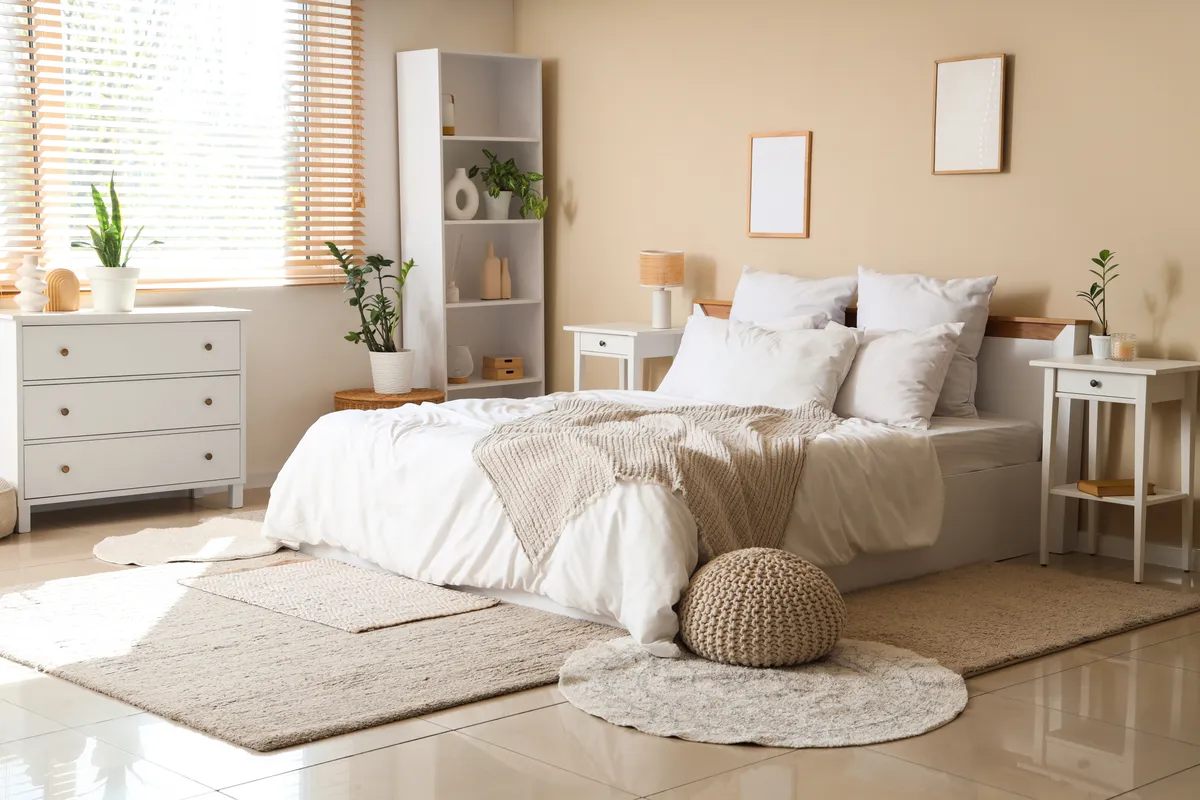
Answers to Common Questions About Sherwin-Williams Neutral Ground
What color is Sherwin-Williams Neutral Ground?
Neutral Ground (SW 7568) is a warm, soft neutral that sits between beige and greige. It reads light, cozy, and relaxed, and it shifts noticeably with lighting.
Is Neutral Ground beige or greige?
It is a bit of both. In warm or bright light, it looks like a soft beige. In cool or low light, it leans toward a warm greige.
What rooms is Neutral Ground best for?
It is a great base color for bedrooms, living rooms, kitchens, bathrooms, and hallways. It is especially popular in bedrooms and living rooms.
Why does Neutral Ground look different on my wall than in the can?
Wet paint in the can appears darker and more concentrated. Once it dries on a large surface, the color softens and responds to the light in your room.
What trim color goes with Neutral Ground?
A soft, warm white trim in semi-gloss is a reliable pairing. Test your white next to Neutral Ground to be sure the undertones work together.
Paint manufacturers, including Sherwin-Williams, offer large peel-and-stick color samples because screens and printed chips cannot fully reproduce how a color reads on a wall.
Ready for Professional Interior Painting?
Choosing the right color, testing it in your light, prepping walls, and applying even coats take skill and experience. Let our experienced painting teams bring Sherwin-Williams Neutral Ground into your bedrooms, living rooms, and kitchens safely and efficiently.
Note: Pricing estimates are based on 2026 regional averages. Every home is unique, and final quotes require an on-site assessment to account for material costs, prep work, and structural conditions.
Contact the team at That 1 Painter today to schedule your detailed, obligation-free on-site estimate, and give your home a warm, inviting new look. Book Your Free Professional Estimate Now
