By Ben M.
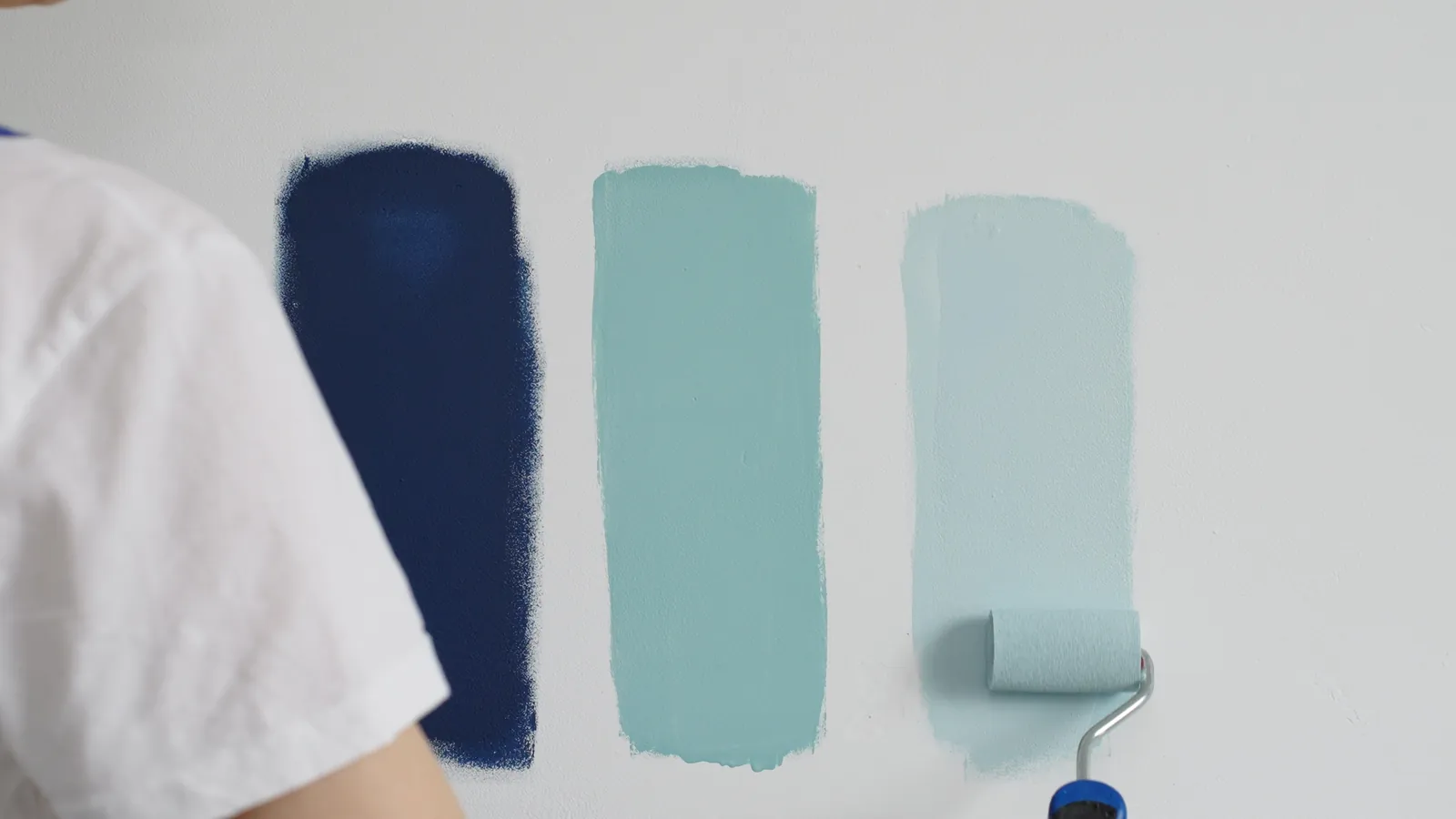
To pick a paint color, start with swatches to narrow your options, then test the finalists directly on your actual wall before you commit. Prep the test area by cleaning the wall and priming if needed. Paint the largest sample area you can, and leave space between samples when comparing multiple colors. Let the samples dry fully, then check them in the morning, afternoon, and night with the lights on and off.
Choosing a color from a small paper chip is the most common color mistake homeowners make. A swatch is a few square inches under store lighting. Your wall is hundreds of square feet under your own windows, bulbs, and surrounding finishes. The same color can look warmer, cooler, darker, or brighter once it covers a full room, which is why testing on the real surface matters.
Regional light conditions, seasonal sun angles, and local building styles heavily influence how a paint color reads on your walls. In humid Southern coastal climates, bright, hazy sunlight can wash out pale colors and push whites toward a stark, glaring look. In high-altitude or arid Western regions, intense, clear daylight makes colors appear crisper and more saturated, while warm desert landscapes reflect earthy tones into rooms. In Northern properties with long winters and lower sun angles, cooler, grayer daylight can make cool colors feel cold and dull. Below is a complete technical guide detailing how to choose paint color through proper testing.
Quick Reference Summary for Picking Paint Color
- Narrowing Rule: Use swatches to narrow your choices, but never make a final decision from a swatch alone.
- Surface Prep: Clean the wall and prime it if needed before painting any sample.
- Sample Size: Paint as large of a sample area as you can, with space between multiple colors.
- Viewing Schedule: Let samples fully dry, then check them morning, afternoon, and night with lights on and off.
- Final Decision: Choose the color that looks right in every lighting condition, not just one.
Why Can't You Pick Paint Color From a Swatch Alone?
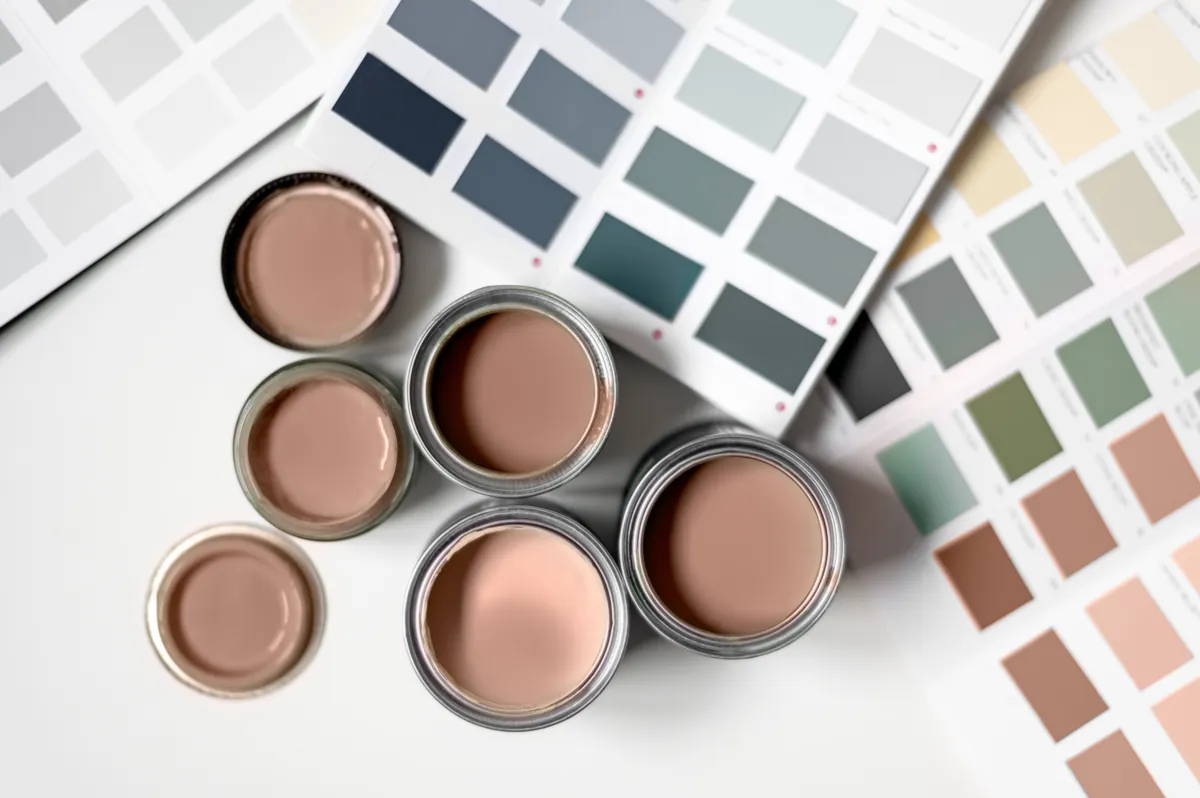
Paint swatches are useful for narrowing a long list down to a few contenders. They are not reliable for making the final call. A small chip shows color under a single light source and surrounded by other colors on a display. Both of those conditions change the moment you get home.
Color is heavily affected by light. North-facing rooms receive cooler, indirect light that can make colors look grayer or bluer. South-facing rooms receive warmer, brighter light that can intensify yellows and reds. Warm and cool light bulbs shift a color again at night. To learn more about this effect, read our guide on can paint change color with light.
Size matters too. Colors usually look more intense on a full wall than on a small chip. A soft gray can turn dark and heavy, and a light blue can turn surprisingly bright. Surrounding elements like flooring, cabinets, countertops, and furniture also reflect color onto the wall. Our post on why you shouldn't trust paint swatches explains this in more detail.
“Pro Tip 1: Narrow to Three Finalists. Testing too many colors at once makes the decision harder, not easier. Use swatches at home to cut your list down to two or three serious contenders. Hold the swatches against your flooring, trim, and fabrics before buying samples. Only the finalists should go on the wall.”
How Do You Prepare and Paint Sample Areas Correctly?
A paint test is only useful if the sample looks like the final finish will look. That means preparing the wall the same way you would for the full paint job.
- Clean the Wall First: Dust and grease can affect how a sample goes on and dries. Wipe the test area with a clean, damp cloth and let it dry. Kitchens and high-traffic areas may need a mild degreaser.
- Prime If Needed: If the existing wall color is very dark, very bright, or patched, it can change how your sample looks. A coat of primer gives you a neutral base. This is especially helpful when moving from a dark color to a light one.
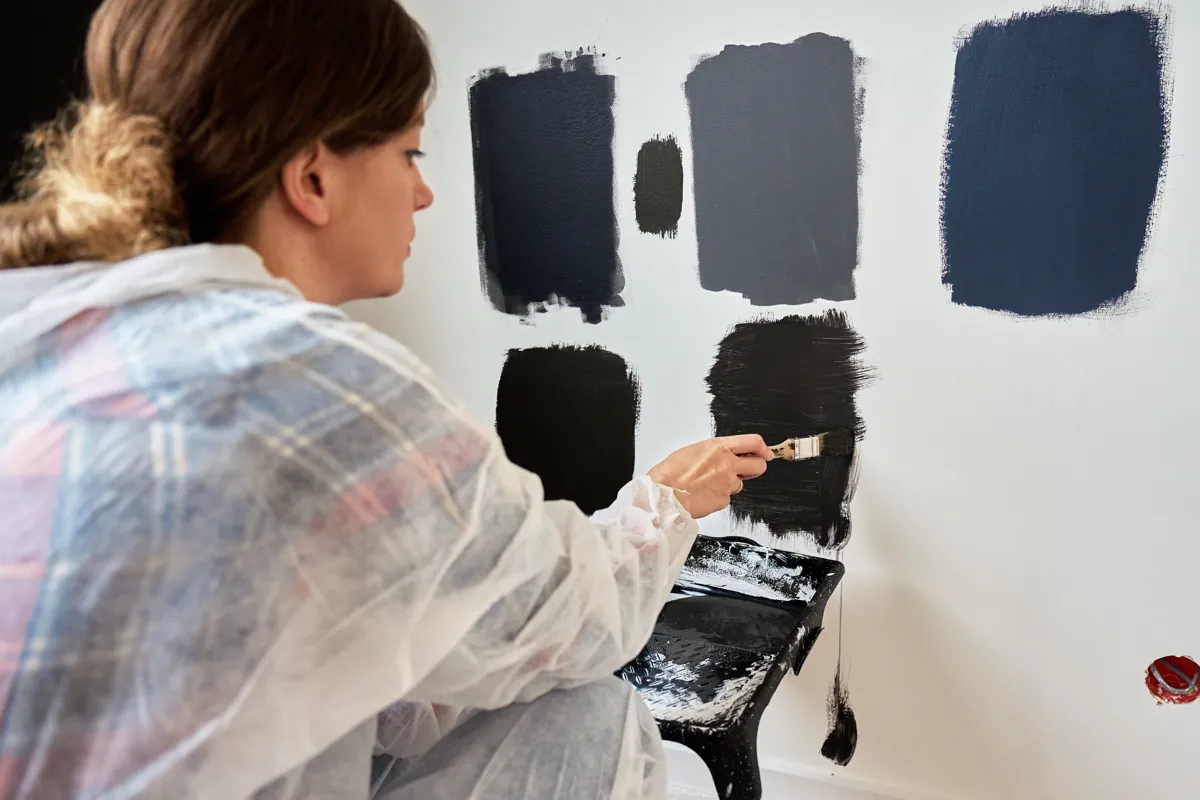
- Paint the Largest Sample Area Possible: A bigger sample gives your eye a more accurate read. Paint as large of an area as you can, ideally with two coats so the color is fully opaque. One thin coat often looks lighter and streaky.
- Space Out Multiple Colors: If you are comparing several colors, paint multiple sections but leave room between them. Colors placed edge to edge influence each other and make it harder to judge each one. Spacing also lets you see each color against the existing wall and trim.
If you want to preview colors before painting the wall at all, our guide on how to try paint colors without painting your walls covers other options.
Technical Comparison of Paint Color Testing Methods
This technical reference table breaks down accuracy, sample size, and best use across common ways to test paint colors.
- Paper swatch / chip: A few square inches. Low. Narrowing a long list of options.
- Large paint swatch card: About 8 x 10 inches. Moderate. Comparing finalists against finishes.
- Painted sample board: About 1 x 2 feet. Moderate to high. Moving samples between rooms and walls.
- Painted wall sample: As large as possible, two coats. Highest. Final decision in real lighting.
Step-by-Step Guide on How to Test and Pick Paint Color
Follow this professional process to choose a paint color you will be happy with:
- Start With Swatches: Gather swatches and hold them against your floors, trim, cabinets, and fabrics. Narrow your list to two or three finalists.
- Buy Sample Sizes: Purchase sample quantities of each finalist in the sheen you plan to use. Sheen affects how light reflects off the color. Our guide on what paint finish should I use can help.
- Prep the Surface: Clean the wall and prime the test area if needed so the existing color does not affect the result.
- Paint Large, Spaced Samples: Paint as large of a sample area as you can. If testing multiple colors, leave room between sections.
- Let Samples Fully Dry: Wet paint often looks different than dry paint. Wait until the sample is completely dry before judging it.
- Check Morning, Afternoon, and Night: Look at each sample in the morning, afternoon, and night. Check with the lights on and off to see the full range.
- Choose and Commit: Pick the color that looks right in every condition. Then plan the full project with confidence.
“Pro Tip 2: Test on More Than One Wall. Light changes from one wall to the next in the same room. A wall beside a window gets backlit and can look darker than the wall across from it. If possible, paint a sample on a bright wall and a shaded wall. This shows you how the color will shift around the room.”
Once you have chosen your color, our interior painting services can bring it to every wall with clean lines and full coverage.
What Are the Most Common Paint Color Selection Mistakes?
Avoiding these common errors helps you pick a color you will love long after the job is done:
- Choosing From a Swatch Alone: Small chips rarely match how a color looks across a full room.
- Painting Tiny Samples: Small test patches do not give your eye enough color to judge accurately.
- Placing Samples Side by Side: Colors painted edge to edge influence each other and distort your judgment.
- Judging Wet Paint: Paint usually changes as it dries, so wait for a fully dry sample.
- Checking Only Once a Day: A color that looks perfect at noon may look completely different at night.
“Pro Tip 3: Check the LRV Before You Fall for a Color. Most paint brands list a Light Reflectance Value, or LRV, on the swatch or on their website. It runs from 0 for pure black to about 100 for pure white and tells you how much light a color bounces back. In a dark room, a color with a low LRV can look much deeper than the chip suggests. Use the LRV to narrow your finalists before you buy samples.”
Answers to Common Questions About Picking Paint Color
How long should you leave paint samples on the wall before deciding?
Leave samples up for at least a full day so you can see them in morning, afternoon, and night light. Many homeowners prefer to live with samples for a few days. This helps you judge the color on both sunny and cloudy days.
How big should a paint sample be?
Paint as large of a sample area as you can. Larger samples give a much more accurate read than small patches. Many painters suggest at least a few square feet per color.
Should you test paint colors on primed walls?
Priming the test area is a good idea when the existing color is dark, bright, or patched. A neutral primer keeps the old color from shifting how your sample looks. It also matches how the final paint job will be applied.
Why does my paint color look different on the wall than on the swatch?
Light, sample size, and surrounding colors all change how a color appears. The swatch is small and viewed under store lighting. Your wall is large and lit by your own windows and bulbs.
Can you test paint color on a sample board instead of the wall?
Yes, a painted sample board is a good option when you want to move a color between rooms or avoid painting over samples. Make the board as large as practical. Still view it in multiple lighting conditions before deciding.
Ready for Professional Interior Painting Services?
Testing colors, preparing surfaces, and applying consistent full-room coverage take time and technical skill. Let our experienced painting teams bring your chosen color to life with a clean, lasting finish.
Note: Pricing estimates are based on 2026 regional averages. Every home is unique, and final quotes require an on-site assessment to account for material costs, prep work, and structural conditions.
Contact the team at That 1 Painter today to schedule your detailed, obligation-free on-site estimate, and see your new color on every wall with confidence. Book Your Free Professional Estimate Now
