By Norman R.
Most latex wall paints feel dry to the touch fairly quickly, often within an hour, but that does not mean they are ready for another coat or regular use. Depending on the product and conditions, you may need to wait several hours before applying a second coat, and full curing takes much longer. The best way to know your specific recoat time is to check the instructions on the paint label. Touching, sanding, or recoating paint too soon is one of the biggest mistakes people make, and it can lead to problems like bubbling or peeling.
Paint drying is not a single moment. It happens in stages. First, the surface skins over and feels dry. Then the paint dries through its full thickness and becomes ready for another coat. Finally, over days or weeks, it cures and reaches its full hardness and durability. Understanding these stages helps you plan your project and avoid the most common finish problems.
Regional climate, seasonal humidity, and local weather patterns heavily influence how long paint takes to dry. In humid Southern coastal climates, moisture in the air slows evaporation, so recoat times can stretch well beyond what the label suggests for ideal conditions. In high-altitude and arid Western regions, low humidity speeds drying, which can cause lap marks if you cannot keep a wet edge. In Northern homes with freeze-thaw winters, cold rooms and garages slow drying significantly, and paint applied below its minimum temperature may never cure properly. Below is a complete guide to paint drying times and when it is safe to recoat.
Quick Reference Summary for Paint Drying and Recoat Times
- Dry to the Touch: Many latex paints feel dry within about an hour, but that is only the surface.
- Ready to Recoat: Often several hours for latex paint, and longer for oil-based paint. Check the label.
- Fully Cured: Paint can take days to weeks to reach full hardness and durability.
- Biggest Mistake: Touching, sanding, or recoating too soon can cause bubbling or peeling.
- Key Factors: Temperature, humidity, ventilation, film thickness, and paint type all affect drying.
What Is the Difference Between Dry and Ready to Recoat?
When paint feels dry to the touch, only the top surface has firmed up. Underneath, water or solvent is still evaporating from the paint film. If you add another coat at this stage, the new paint can soften the layer below, trap moisture, and prevent both coats from drying properly.
Ready to recoat means the first coat has dried enough through its thickness to support another layer without being disturbed. This is the time listed on the paint can as the recoat time. It is usually several hours for water-based latex paints in normal conditions and often much longer for oil-based paints.
Cured means the paint has fully hardened. Until then, it is softer and more easily scuffed, marked, or damaged by cleaning. Our guide on how long paint takes to dry on walls covers each stage in more detail.
“Pro Tip 1: Write the Recoat Time on Your Tape. Before you start, read the recoat time on the label and write the earliest time you can apply the second coat on a strip of painter's tape on the door frame. It is an easy way to keep everyone in the house from rushing the second coat or touching the walls too early.”
Manufacturers like Sherwin-Williams list dry-to-touch and recoat times on each product data sheet, based on standard temperature and humidity conditions.
What Factors Affect How Long Paint Takes to Dry?
Paint labels list drying times for ideal conditions, usually around room temperature with moderate humidity. Real conditions often differ, and each of these factors can speed up or slow down drying.
- Temperature: Cool temperatures slow drying. Most paints list a minimum application temperature on the label.
- Humidity: High humidity slows evaporation and extends drying and recoat times.
- Ventilation: Fresh air helps carry away moisture and solvents so paint dries faster.
- Film Thickness: Thick coats take much longer to dry than thin, even coats.
- Paint Type: Water-based latex usually dries faster than oil-based paint. Some specialty coatings have unique drying times.
- Sheen: Higher-sheen paints sometimes take longer to dry hard enough to handle.
The U.S. Environmental Protection Agency (EPA) recommends good ventilation while paint dries indoors, which also helps the paint dry and cure properly.
Technical Comparison of Typical Paint Drying Stages
This technical reference table summarizes typical drying stages under normal indoor conditions. Always follow the specific product label.
- Latex wall paint: About 1 hour. Often several hours. Days to weeks.
- Latex trim enamel: 1 to 2 hours. Often several hours or longer. Up to several weeks.
- Oil-based paint: Several hours. Often around 24 hours. Several weeks.
- Primers: Often fast. Varies by product. Varies by product.
If you are working with oil-based products, our guide on oil-based vs. water-based paint explains how the two types dry and clean up differently.
What Happens If You Recoat Paint Too Soon?
Rushing the second coat is one of the most common causes of paint problems. Applying another coat before the first one is ready can interfere with proper drying and contribute to a range of issues.
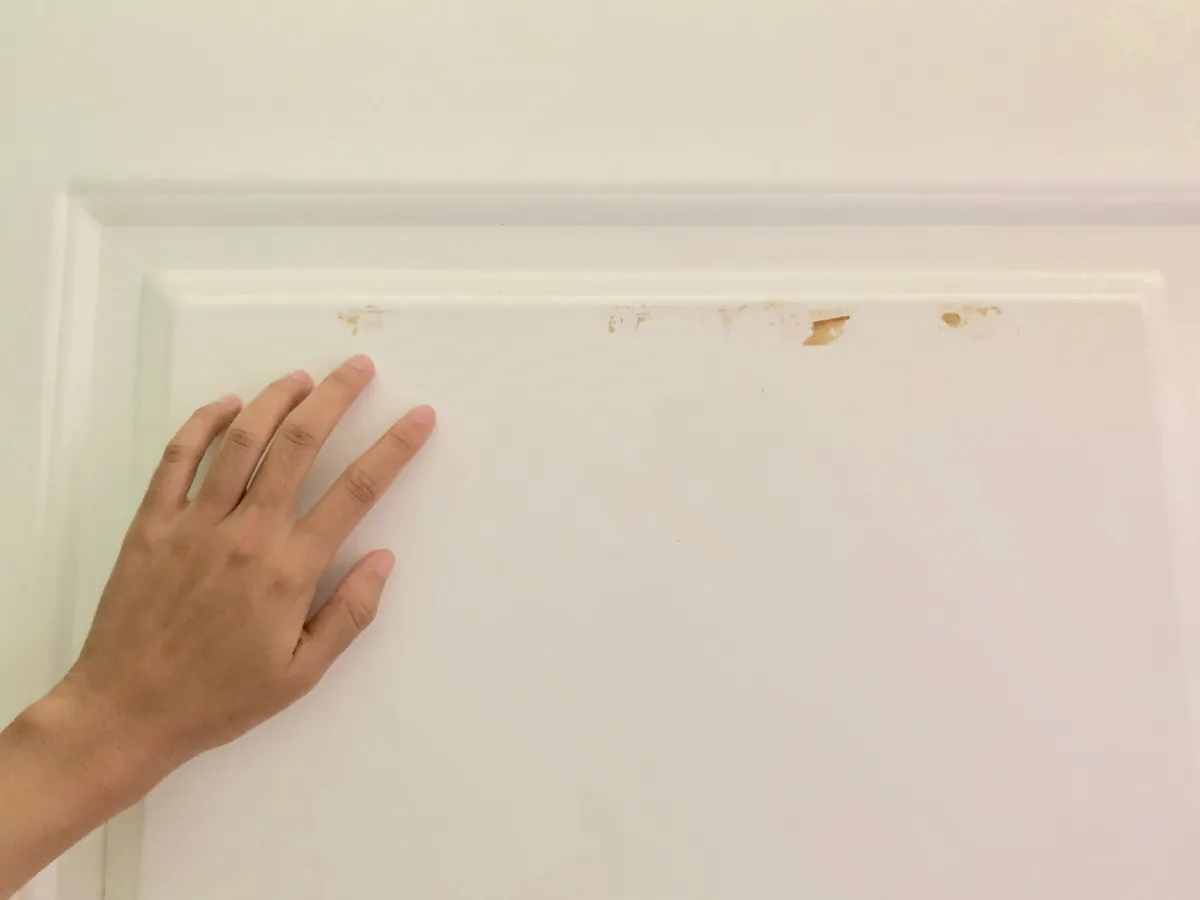
- Bubbling and Blistering: Trapped moisture and solvents can push the paint film up into bubbles.
- Peeling: Soft layers may not bond well and can peel away from the wall or each other.
- Lifting and Dragging: Your roller can pull up the soft first coat, leaving rough patches.
- Uneven Sheen: Areas that dry at different rates can look blotchy or shiny.
- Longer Cure Time: Thick, wet layers can stay soft and tacky for a long time.
“Pro Tip 2: Use the Thumb Test in a Hidden Spot. Before recoating, press your thumb lightly against the paint in an inconspicuous area, like behind a door. If the paint feels cool, tacky, or leaves a print, it is not ready. Wait and test again. This simple check is a good backup to the label time, especially in humid or cool conditions.”
If you are already dealing with problems from rushed coats, read our guides on how to fix paint bubbles and how to fix cracked or peeling paint.
What Are the Most Common Paint Drying Mistakes?
Avoiding these mistakes helps your paint dry and cure properly:
- Recoating Too Soon: Applying a second coat before the first is ready can cause bubbling or peeling.
- Touching or Sanding Too Early: Soft paint marks and tears easily.
- Painting in Cold or Humid Conditions: Drying slows dramatically outside the label's recommended range.
- Applying Thick Coats: Heavy coats take much longer to dry and are more likely to sag or wrinkle.
- Hanging Pictures or Pushing Furniture Back Too Soon: Soft paint can stick to frames and furniture.
“Pro Tip 3: Keep a Wet Edge Within Each Coat. Drying time also matters while you are applying a single coat. Roll each wall from top to bottom in sections and always roll back into the paint you just applied while it is still wet. If you stop in the middle of a wall and let the edge dry, the overlap will show as a visible lap mark once the paint dries.”
Answers to Common Questions About Paint Drying Time
How long should you wait between coats of paint?
Wait at least the recoat time listed on the paint label. For many latex wall paints, that is several hours in normal conditions. Cool or humid rooms may need longer.
Can you put a second coat of paint on after one hour?
Usually not. The paint may feel dry, but most latex paints need longer before they are ready for a second coat. Check the label for your product.
Does a fan help paint dry faster?
Yes. Good airflow helps carry away moisture and speeds drying. Avoid pointing a strong fan directly at wet paint, which can blow dust onto the surface.
How long does it take paint to fully cure?
Full cure often takes days to weeks, depending on the product and conditions. Be gentle with cleaning and avoid heavy wear until the paint has cured.
Why is my paint still tacky?
Tacky paint is often caused by high humidity, cool temperatures, thick coats, or recoating too soon. Improving ventilation and warmth usually helps it dry.
Ready for Professional Interior Painting?
Planning coats, managing drying conditions, and producing a smooth, durable finish take skill and experience. Let our experienced painting teams handle your next project with our interior painting services, safely and efficiently.
Note: Pricing estimates are based on 2026 regional averages. Every home is unique, and final quotes require an on-site assessment to account for material costs, prep work, and structural conditions.
Contact the team at That 1 Painter today to schedule your detailed, obligation-free on-site estimate, and enjoy a smooth, long-lasting finish. Book Your Free Professional Estimate Now
