By Robert R.
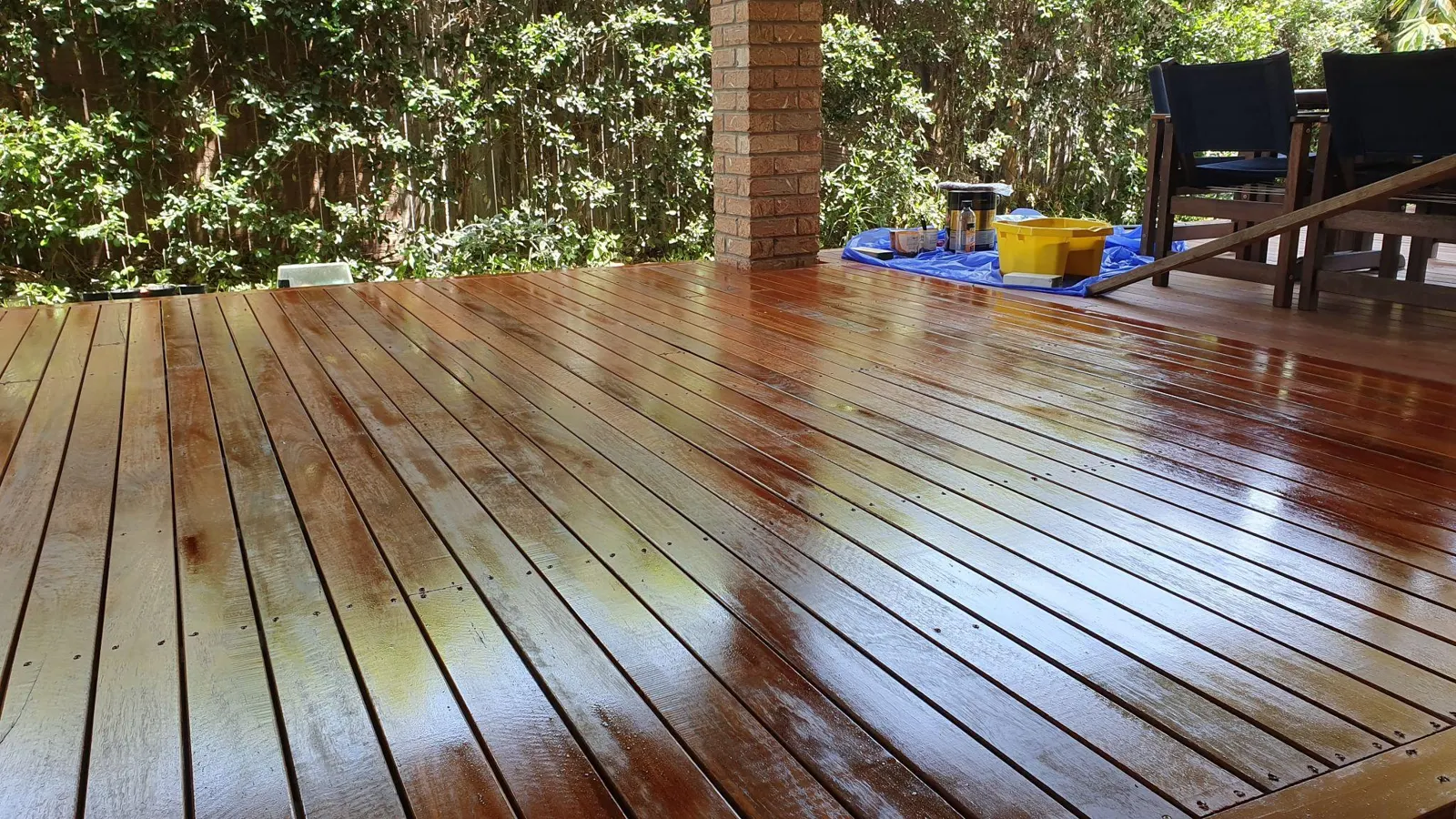
Most deck stains take 4 to 12 hours to feel dry to the touch, 24 hours to handle light foot traffic, and 48 to 72 hours to achieve a full cure. Drying schedules depend directly on whether you apply an oil-based alkyd stain or a water-based acrylic formula, as well as ambient temperature, relative humidity, and wood porosity. Placing heavy patio furniture or grills on a newly stained deck before the coating fully cures will cause indentation marks, peeling, and surface tackiness. Protecting an exterior wood deck requires understanding how penetrating stains cure within the cellular structure of lumber. Unlike film-forming paints that sit entirely on top of the substrate, wood stains rely on absorption and solvent evaporation to lock pigments into the grain.
Quick Reference Summary for Deck Stain Dry Times
Regional weather patterns, seasonal timing, and regional housing lumber choices directly dictate drying performance across different climates. In humid Southern coastal environments, high ambient moisture retards the oxidation process of oil-based stains, frequently extending dry times beyond 48 hours. In high-altitude Western mountain regions, low humidity combined with intense direct sunlight causes water-based acrylic stains to flash-dry prematurely, creating dark lap marks if the applicator fails to maintain a wet edge. In historic Northern climates subject to harsh freeze-thaw cycles, applying deck stain over damp pressure-treated pine during autumn causes trapped wood moisture to expand in winter, destroying the finish. Below is a complete technical breakdown of deck stain drying factors, curing timelines, and application practices.
- Dry to the Touch: 4 to 8 hours for water-based acrylic stains; 8 to 24 hours for traditional oil-based stains.
- Safe for Light Foot Traffic: 24 hours under ideal environmental conditions (70 degrees Fahrenheit at 50 percent relative humidity).
- Full Furniture and Grill Placement: 48 to 72 hours to allow complete chemical curing and resin hardening.
- Optimal Staining Weather Window: 50 to 85 degrees Fahrenheit with no rainfall predicted for 24 to 48 hours.
What Is the Difference Between Water-Based and Oil-Based Deck Stain Dry Times?
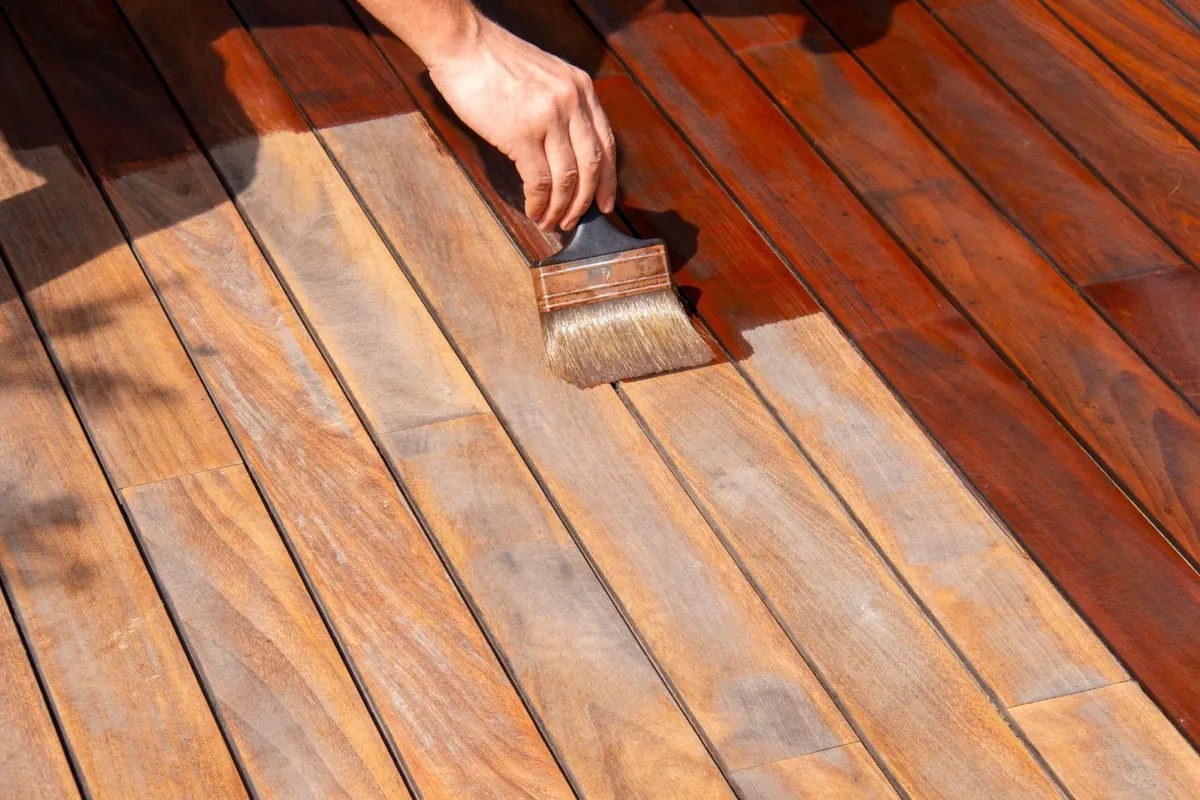
Selecting between oil-based and water-based deck stain chemistry impacts your project timeline and surface prep requirements. Wood preservation research compiled by the U.S. Forest Service (USDA Forest Products Laboratory) confirms that binder formulation determines how moisture escapes from wood fiber cells during curing.
Water-based acrylic deck stains dry through simple evaporation. As the water carrier evaporates into the atmosphere, the acrylic resins coalesce on the surface and inside the wood pores. Water-based formulas dry quickly, reaching touch-dry status in 2 to 6 hours, making them ideal for areas with narrow weather windows.
Oil-based alkyd deck stains dry through a dual-stage process. First, the mineral spirit solvents evaporate. Second, the natural or synthetic oils undergo oxidation, reacting with oxygen in the air to form a hardened resin barrier. This oxidation stage takes 24 to 48 hours, making oil-based stains more vulnerable to rain or dust settling during the initial cure phase.
If you are evaluating older leftover coatings stored in your shed to determine if they can be used for deck touch-ups, read our guide on can you use old paint to verify product stability.
“Pro Tip 1: Substrate Moisture Testing with a Pin Moisture Meter. Applying deck stain over wood with high internal moisture content is the leading cause of sticky, non-drying stain films. Even if wood feels dry on the surface, internal cellular water prevents penetrating oils from soaking into the grain. Professional deck restoration specialists use a digital pin-type wood moisture meter to check the lumber substrate before applying stain. Wood moisture content (MC) must measure below 12 to 15 percent. If MC exceeds 15 percent, the stain will sit on top of the wood, remain tacky for days, and eventually blister.”
What Environmental Factors Slow Down Deck Stain Drying?
Deck stain drying timelines vary based on immediate atmospheric conditions.
1. Relative Atmospheric Humidity
When relative humidity exceeds 70 percent, the air becomes saturated with water vapor. High humidity slows water evaporation in acrylic stains and inhibits oxygen absorption in oil-based stains, easily doubling expected dry times.
2. Ambient and Surface Temperatures
Ideal air temperatures for deck staining range from 50 to 85 degrees Fahrenheit. Air temperatures below 50 degrees Fahrenheit freeze latex binders and stall the chemical oxidation of oil resins. Conversely, applying stain to wood baking in direct sunlight above 90 degrees Fahrenheit causes rapid flash-drying, preventing deep absorption.
3. Shaded Areas and Air Movement
Decks located beneath thick tree canopies or low ground-level clearings lack adequate air velocity. Air movement strips away the saturated boundary layer of evaporated solvents; stagnant air causes solvents to linger over the wet deck surface.
If you are matching exterior deck colors with nearby interior living spaces, review our detailed guide on what is color drenching for color coordination principles. For nearby masonry structures like patio walls or chimneys, check out our guide on can you clean limewashed brick. Learn more about our national coating standards via That 1 Painter.
“Pro Tip 2: Distinguishing Physical Evaporation from Chemical Cross-Linking. Do not confuse a stain that is "dry to the touch" with a stain that has reached "full chemical cure". Water-based acrylic stains dry as water evaporates, feeling dry within 4 hours. However, the polymer chains require up to 72 hours to fully cross-link and develop full scuff resistance. Walking on a deck with work boots or dragging patio chairs across it at the 12-hour mark will tear the un-cured resin network, creating permanent traffic paths. Always enforce a strict 48-hour cure window before heavy usage.”
Technical Comparison of Deck Stain Formulations and Drying Profiles
This technical reference table breaks down drying timelines, curing mechanisms, foot traffic thresholds, and environmental limits across common deck stain categories.
- Water-Based Acrylic Transparent: cures by water evaporation. Touch dry in 2 to 4 hours, light foot traffic after 12 to 24 hours, furniture after 48 hours. Max wood moisture: 15%.
- Water-Based Semi-Transparent: cures by water evaporation and coalescence. Touch dry in 4 to 6 hours, light foot traffic after 24 hours, furniture after 48 to 72 hours. Max wood moisture: 15%.
- Oil-Based Penetrating Alkyd: cures by solvent evaporation and oxidation. Touch dry in 8 to 12 hours, light foot traffic after 24 to 36 hours, furniture after 72 hours. Max wood moisture: 12%.
- Solid Color Acrylic Stain: cures by film coalescence. Touch dry in 4 to 8 hours, light foot traffic after 24 hours, furniture after 48 to 72 hours. Max wood moisture: 12%.
- Hardwood Penetrating Oil (Ipe/Teak): cures by deep cellular absorption. Touch dry in 12 to 24 hours, light foot traffic after 36 to 48 hours, furniture after 72 to 96 hours. Max wood moisture: 10%.
If you are refinishing adjacent exterior features like wood trim, doors, or patio cabinets, read our guide on painting cabinets with doors for smooth surface techniques.
“Pro Tip 3: Back-Brushing and Wet Film Absorption Management. Applying too much stain is the most frequent cause of tacky deck surfaces that refuse to dry. Wood can only absorb a finite volume of liquid stain. When stain is applied excessively with a roller or pump sprayer, excess product puddles on top of dense grain lines. This surface pool skins over, trapping wet liquid underneath for weeks. Always back-brush wet stain using a natural bristle brush (for oil) or synthetic brush (for water) 10 minutes after application, wiping away any pooling liquid that the wood grain cannot absorb.”
How Do You Test if Your Stained Deck Is Ready for Foot Traffic?
Never guess whether your deck is dry enough to walk on. Use these practical field tests to verify surface readiness:
- The Touch and Press Test: Press your thumb firmly into a hidden section of stained wood (such as a corner or stair riser) for 5 seconds. If your thumb leaves an impression, feels sticky, or picks up pigment, the stain requires additional drying time.
- The Absorbency Water Droplet Test (For Recoating): Sprinkle a few drops of clean water onto the deck board. If the water beads up immediately into tight droplets, the cure process is proceeding correctly and the wood pores are sealed.
- The Visual Sheen Inspection: Look down the length of the deck boards under side-lighting. Uneven glossy patches indicate wet, un-absorbed oil sitting on top of the grain. The entire deck surface should display a uniform, flat, or satin finish before opening the space to foot traffic.
If severe weather, structural rot, or failing deck boards require comprehensive carpenter repairs or complete exterior refinishing, utilize our professional exterior house painting services to restore your outdoor living spaces. You can also pair deck restoration with our drywall repair services or interior house painting services to update your property.
Environmental regulations published by the U.S. Environmental Protection Agency (EPA) govern Volatile Organic Compound (VOC) limits in consumer deck stains, encouraging low-VOC water-based acrylic technologies to safeguard outdoor air quality.
How Do You Fix Deck Stain That Remains Tacky and Won't Dry?
If your deck stain remains soft and sticky 48 hours after application, excessive product was applied or the wood was too damp to allow penetration.
To fix tacky oil-based stain, spray a light coat of mineral spirits or paint thinner over the sticky boards. Allow the solvent to soften the uncured surface resin for 5 minutes, then scrub the area vigorously with a stiff synthetic brush and wipe away the liquefied excess oil using clean shop rags.
To fix tacky water-based stain, wet the surface with clean water mixed with a small amount of liquid detergent, scrub the raised film with a nylon brush, and pressure wash the excess coating away under low pressure. Allow the wood to dry completely to under 12 percent moisture content before applying a single, thin back-brushed coat.
Answers to Common Questions About Deck Stain Dry Times
What is the difference between dry time and cure time for deck stain?
Dry time refers to the period required for moisture or solvents to evaporate so the wood feels dry to the touch. Cure time refers to the longer chemical process where resins fully cross-link and harden, achieving maximum strength, water resistance, and scuff resistance.
What happens if it rains shortly after staining a deck?
If rain falls within 4 to 8 hours of applying oil-based stain or within 2 to 4 hours of water-based stain, water droplets can wash away un-absorbed pigment, cause blotchiness, or trap water inside the wood grain. If rain threatens, cover the deck with suspended tarps or delay the project.
How long should you wait to put heavy patio furniture back on a stained deck?
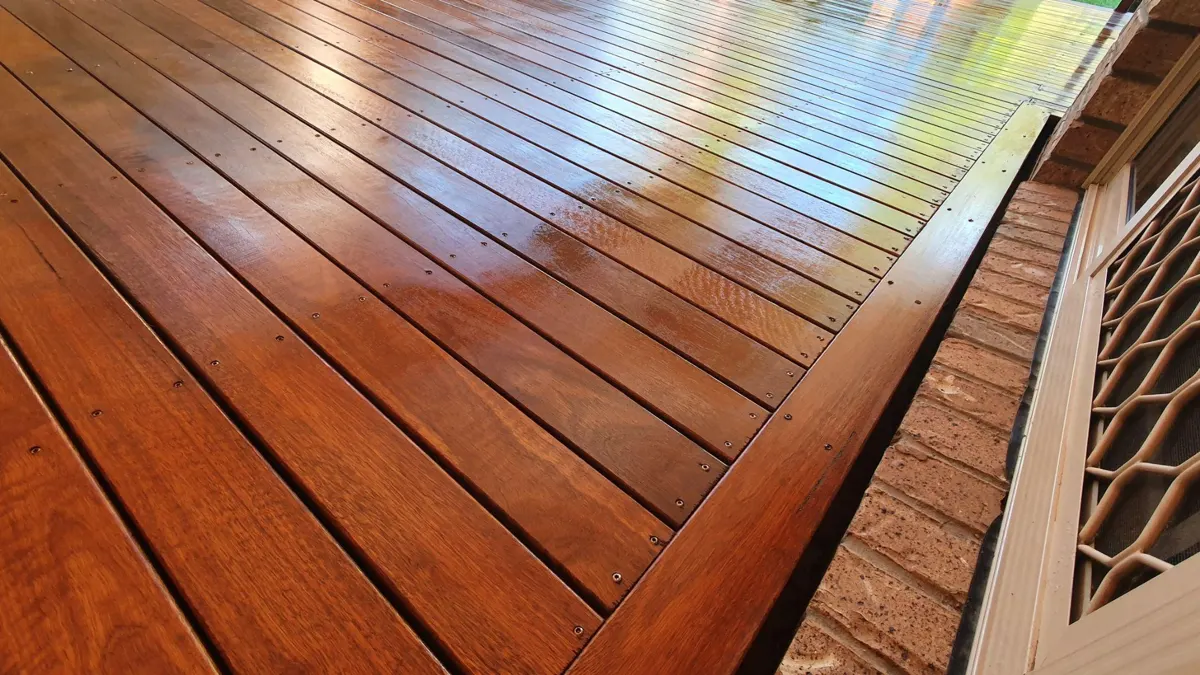
Wait a full 48 to 72 hours before placing patio tables, metal chairs, heavy planters, or outdoor grills back on a newly stained deck. Dragging heavy items across an un-cured finish will gouge the soft resin film.
Can you use a fan to speed up deck stain dry times?
Yes, placing large axial air movers or outdoor fans to blow air across a covered deck accelerates solvent evaporation. Moving air strips away saturated air layers, significantly shortening dry times in humid or shaded locations.
How long must new pressure-treated wood dry before applying deck stain?
New pressure-treated wood contains high levels of liquid preservatives from the factory and typically requires 3 to 6 months of outdoor weathering to dry down below 15 percent moisture content before accepting stain. Perform a water drop test or use a moisture meter to verify dryness prior to application.
Workplace safety standards governed by the Occupational Safety and Health Administration (OSHA) regulate solvent handling, personal protective equipment (PPE), and proper disposal of oil-soaked rags to prevent spontaneous combustion hazards.
Ready for Professional Deck Restoration and Painting Services?
Restoring weathered wood, checking substrate moisture levels, back-brushing heavy stains, and applying protective finishes require technical skill and professional equipment. Let our experienced exterior crews handle your deck refinishing project safely and efficiently.
Note: Pricing estimates are based on 2026 regional averages. Every home is unique, and final quotes require an on-site assessment to account for material costs, prep work, and structural conditions.
Contact That 1 Painter today to schedule your detailed, obligation-free on-site estimate and give your deck long-lasting protection. Book Your Free Professional Estimate Now
