By Robert R.
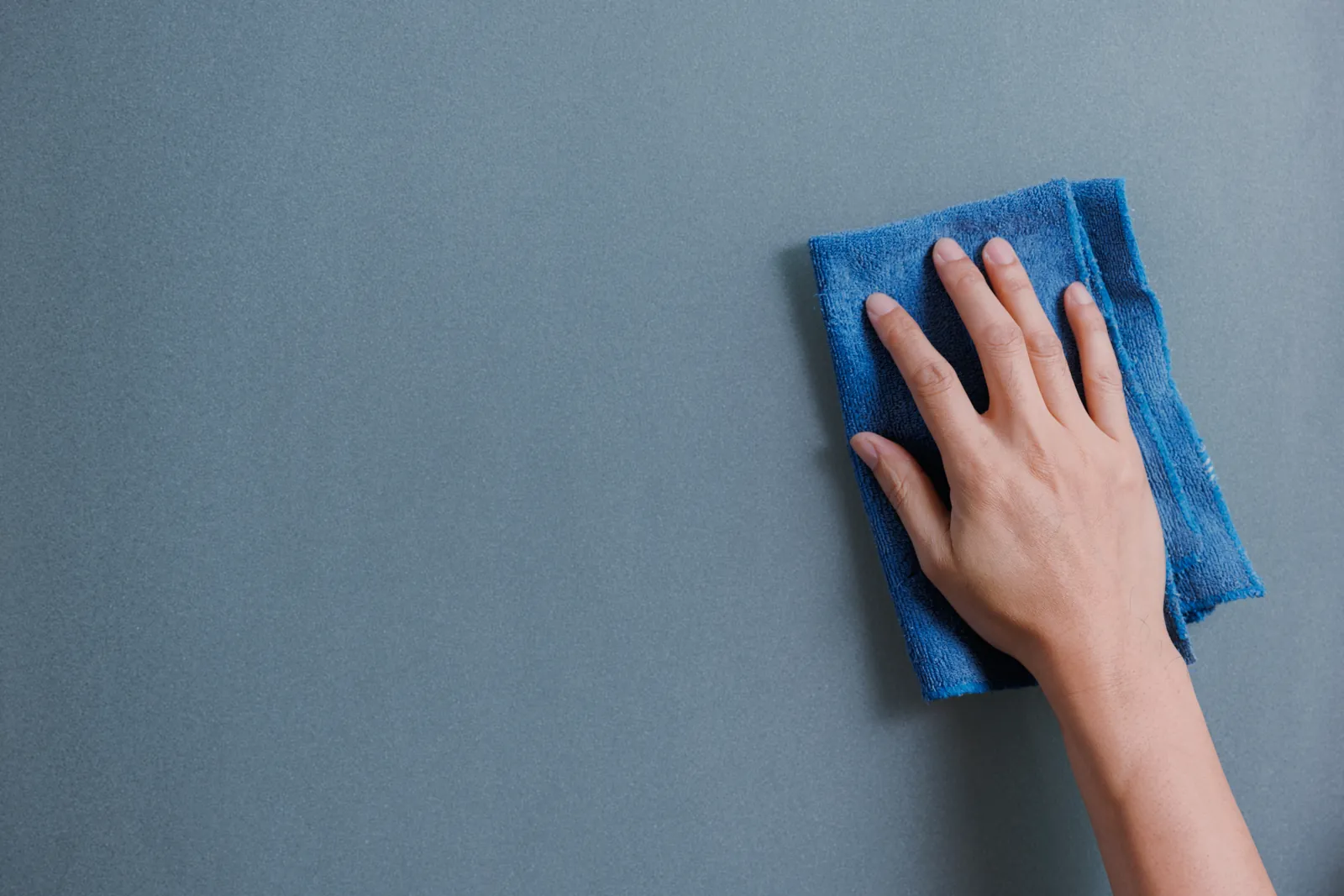
To clean a painted wall, start simple with a sponge or microfiber cloth, warm water, and a mild detergent. Always test a small, hidden area first to make sure the paint does not soften, streak, or change sheen. Flat paint needs a gentle touch, because scrubbing too hard can burnish the surface and add unwanted shine. Satin and semi-gloss finishes are made to handle cleaning, so you can scrub them more firmly.
Matching your cleaning method to the paint finish is what makes walls last longer. Most damage to painted walls does not come from dirt. It comes from the wrong cleaning tool, harsh chemicals, or too much pressure. A shiny rubbed spot in the middle of a flat wall is often more noticeable than the mark that was originally there.
Regional weather, humidity, and local building conditions affect how often walls need cleaning and how finishes respond. In humid Southern coastal climates, moisture encourages mildew spots in bathrooms and closets, so walls benefit from regular gentle washing and good ventilation. In high-altitude or arid Western regions, fine dust settles on walls quickly, so dry dusting before washing prevents muddy streaks. In Northern freeze-thaw regions, closed-up winter homes collect cooking residue, heating soot, and fingerprints that call for a careful spring wash. Below is a complete guide to cleaning painted walls by paint finish.
Quick Reference Summary for Cleaning Painted Walls
- Basic Cleaning Solution: Warm water with a small amount of mild detergent, applied with a soft sponge or microfiber cloth.
- Test First Rule: Always test your method on a small, hidden area before cleaning a visible section.
- Flat Paint Rule: Clean gently with light pressure and blotting; scrubbing can burnish flat paint and create shiny spots.
- Satin and Semi-Gloss Rule: These durable finishes tolerate firmer scrubbing and are designed for regular cleaning.
- Fresh Paint Rule: Give new paint time to cure before washing, since paint can be dry to the touch long before it is hard.
Why Does Paint Finish Change How You Clean a Wall?
Paint sheen reflects how much binder sits at the surface. Higher-sheen finishes have more resin and less exposed pigment. That creates a tighter, smoother film that sheds dirt and stands up to scrubbing.
Flat paint has the opposite makeup. It carries more pigment and a rougher surface that scatters light and hides imperfections. That rough surface also holds dirt and is easy to polish smooth. When you rub flat paint hard, you flatten that texture and create a shiny patch called burnishing.
Eggshell sits between flat and satin. It tolerates light washing better than flat paint but still needs moderate pressure. To learn more about how sheens compare, read our guide on the difference between flat, matte, eggshell, satin, and semi-gloss paint.
“Pro Tip 1: Identify Your Finish Before You Wash. If you do not know the finish on your walls, look at the wall from a low angle near a window. Flat paint shows almost no reflection. Eggshell shows a soft glow. Satin and semi-gloss show a clear sheen. Leftover paint cans in the garage usually list the finish on the label.”
Paint quality also matters. Premium paints usually contain more binder and resist scrubbing better than builder-grade products in the same sheen. A builder-grade flat on a hallway wall may show wear after one aggressive wash. A premium scrubbable matte on the same wall may hold up to repeated gentle cleaning. If you are not sure what is on your walls, clean as if the finish is fragile.
What Supplies Do You Need to Clean Painted Walls?
You do not need specialty products for most wall cleaning. Simple supplies work best and carry the least risk to the finish.
- Soft Sponges or Microfiber Cloths: Use a non-abrasive sponge or a clean microfiber cloth. Avoid scouring pads, scrub brushes with stiff bristles, and the rough side of kitchen sponges.
- Warm Water and Mild Detergent: A few drops of gentle dish soap in a bucket of warm water handles most fingerprints, smudges, and light grime. Strong degreasers and ammonia-based cleaners can dull or soften some paints.
- A Second Bucket of Clean Rinse Water: Rinsing with clean water removes soap film that can attract dirt. Keeping a separate rinse bucket stops you from spreading dirty water across the wall.
- A Dry Towel and Duster: Dust walls first with a microfiber duster or a vacuum brush attachment. Dry towels blot excess water from flat paint and prevent drips.
If you are cleaning walls to prepare them for a new coat, read our guide on whether you should wash your walls before painting.
Technical Comparison of Cleaning Methods by Paint Finish
This reference table matches each common wall finish with its washability and the safest cleaning method.
- Flat / Matte: Low to moderate. Very light; blot spots. Damp microfiber and mild soap, then blot dry. Ceilings, low-traffic bedrooms, dining rooms.
- Eggshell: Moderate. Light to moderate. Soft sponge with mild detergent; rinse. Living rooms, bedrooms, hallways.
- Satin: High. Moderate to firm. Sponge or microfiber with mild detergent; rinse. Kitchens, kids' rooms, hallways.
- Semi-Gloss: Very high. Firm. Sponge with mild detergent; rinse and dry. Trim, doors, bathrooms, cabinets.
How Do You Clean a Painted Wall Step by Step?
Follow this simple process to clean painted walls safely:
- Dust the Wall First: Remove cobwebs and loose dust with a microfiber duster or vacuum brush. Washing a dusty wall turns dust into muddy streaks.
- Protect the Floor: Lay a towel or drop cloth along the baseboard to catch drips.
- Mix the Cleaning Solution: Add a small amount of mild detergent to a bucket of warm water. Fill a second bucket with clean rinse water.
- Test a Hidden Area: Clean a small spot behind furniture or inside a closet. Let it dry and check for sheen changes, color transfer, or softening.
- Wash in Small Sections: Wring the sponge or cloth until it is only damp. Work in small sections with light, overlapping strokes.
- Match Pressure to the Finish: Use gentle wiping and blotting on flat paint. Use firmer strokes on satin and semi-gloss.
- Rinse and Dry: Wipe each section with clean water, then blot or pat dry with a towel.
Many pros wash from the bottom of the wall upward. Drips running down a dirty wall can leave clean streaks that are hard to blend. Rinse sections promptly so drips never sit on unwashed paint.
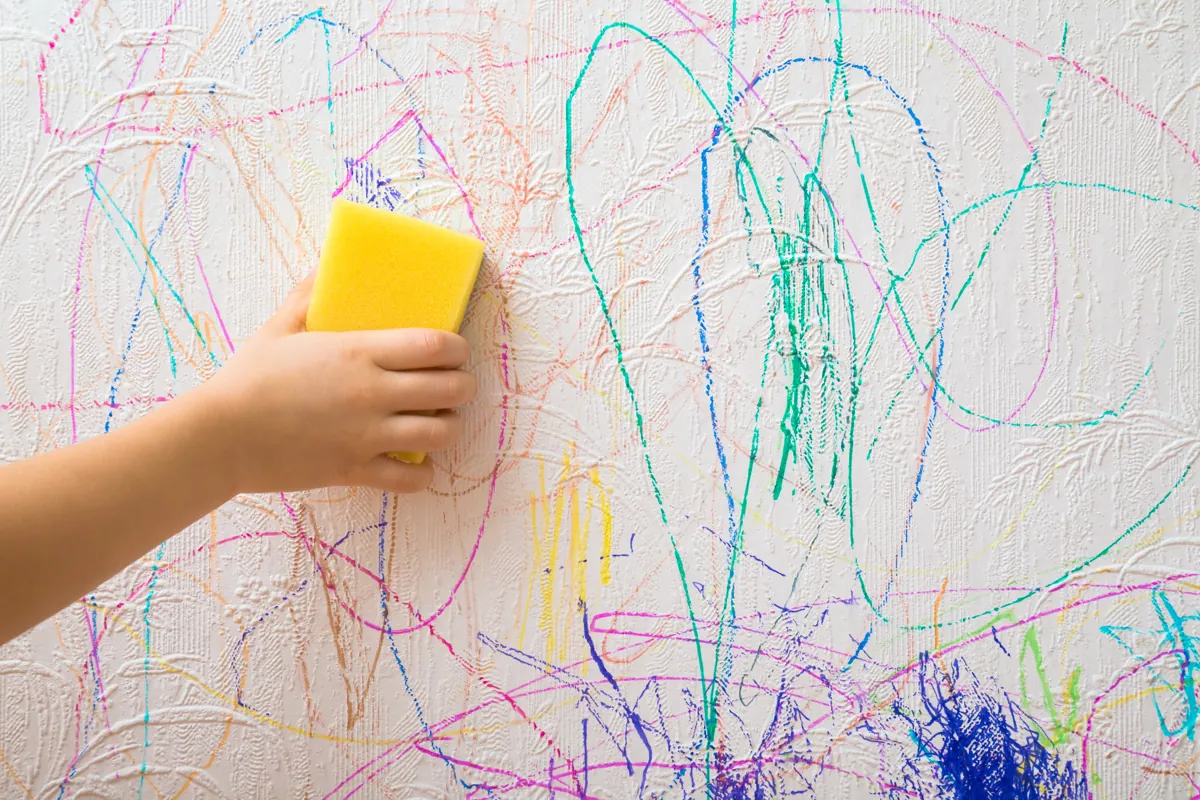
“Pro Tip 2: Treat Stubborn Marks Locally. For crayon, scuffs, or greasy fingerprints, clean only the mark instead of scrubbing the whole wall harder. Use a damp cloth with a little extra detergent and gentle circular motions. Melamine sponges are mildly abrasive, so use them sparingly and never on flat paint you want to keep uniform.”
Kitchens and bathrooms need a little more attention. Kitchen walls collect a thin layer of cooking grease that holds dust. A slightly stronger detergent solution helps, followed by a thorough rinse. In bathrooms, small gray or black spots near the ceiling are often mildew. Clean them with a product labeled for mildew on painted surfaces, ventilate well, and run the exhaust fan after every shower.
How often should you wash walls? Most homes only need spot cleaning as marks appear and a full wash once or twice a year. High-traffic hallways, kids' rooms, and kitchens may need attention more often.
If walls are scrubbed often, consider a more cleanable finish next time. Our article on the benefits of washable or scrubbable paint explains your options.
What Are the Most Common Wall Cleaning Mistakes?
Avoiding these errors protects your paint finish:
- Scrubbing Flat Paint: Hard rubbing burnishes flat paint and leaves shiny patches that stand out under light.
- Using Harsh Chemicals: Bleach, ammonia, and strong solvents can discolor, dull, or soften paint films.
- Soaking the Wall: Excess water can seep into drywall seams and behind outlets. Always wring tools until they are only damp.
- Skipping the Test Spot: Every paint reacts differently. A hidden test catches problems before they reach the center of the wall.
- Washing Fresh Paint Too Soon: New paint feels dry within hours but needs weeks to cure fully. Wait before washing.
“Pro Tip 3: Touch Up Spots That Washing Will Not Fix. Some marks, like deep scuffs and stains that soaked into flat paint, will not come off without damaging the wall. Instead of scrubbing harder, touch up the spot with leftover paint from the original can. Use the same type of applicator that was used on the wall, apply a thin coat, and feather the edges outward. Flat and matte finishes blend best, while higher sheens may show the patch, so repaint the full wall section if needed.”
Answers to Common Questions About Cleaning Painted Walls
What is the best cleaner for painted walls?
Warm water with a few drops of mild dish soap works for most painted walls. It removes fingerprints and light grime without dulling the finish. Always rinse with clean water afterward.
Can you clean flat paint without ruining it?
Yes, if you use light pressure. Dampen a microfiber cloth with mild soapy water, blot or gently wipe the mark, and pat it dry. Avoid scrubbing, which can burnish the surface.
How long should you wait to clean freshly painted walls?
Wait until the paint has fully cured, which often takes two to four weeks for latex wall paint. Check the paint label for the manufacturer's cure time.
Why did my wall get shiny after I cleaned it?
That shine is called burnishing. It happens when flat or low-sheen paint is rubbed too hard, smoothing the surface texture. The usual fix is to repaint the wall from corner to corner.
Can you use a magic eraser on painted walls?
Use it carefully. Melamine sponges are mildly abrasive and can dull or burnish paint, especially flat finishes. Test a hidden area first and use light pressure.
Paint manufacturers' technical data sheets (TDS) list each product's scrub resistance and recommended cure time before washing.
Ready for Professional Interior Painting and Touch-Ups?
Some walls are past cleaning, with burnished patches, stains, or worn spots that need fresh paint. Let our experienced teams restore your walls with durable, washable finishes through our interior painting and repair and maintenance services.
Note: Pricing estimates are based on 2026 regional averages. Every home is unique, and final quotes require an on-site assessment to account for material costs, prep work, and structural conditions.
Contact the team at That 1 Painter today to schedule your detailed, obligation-free on-site estimate, and enjoy clean, durable walls that are easy to maintain. Book Your Free Professional Estimate Now
