By Norman R.
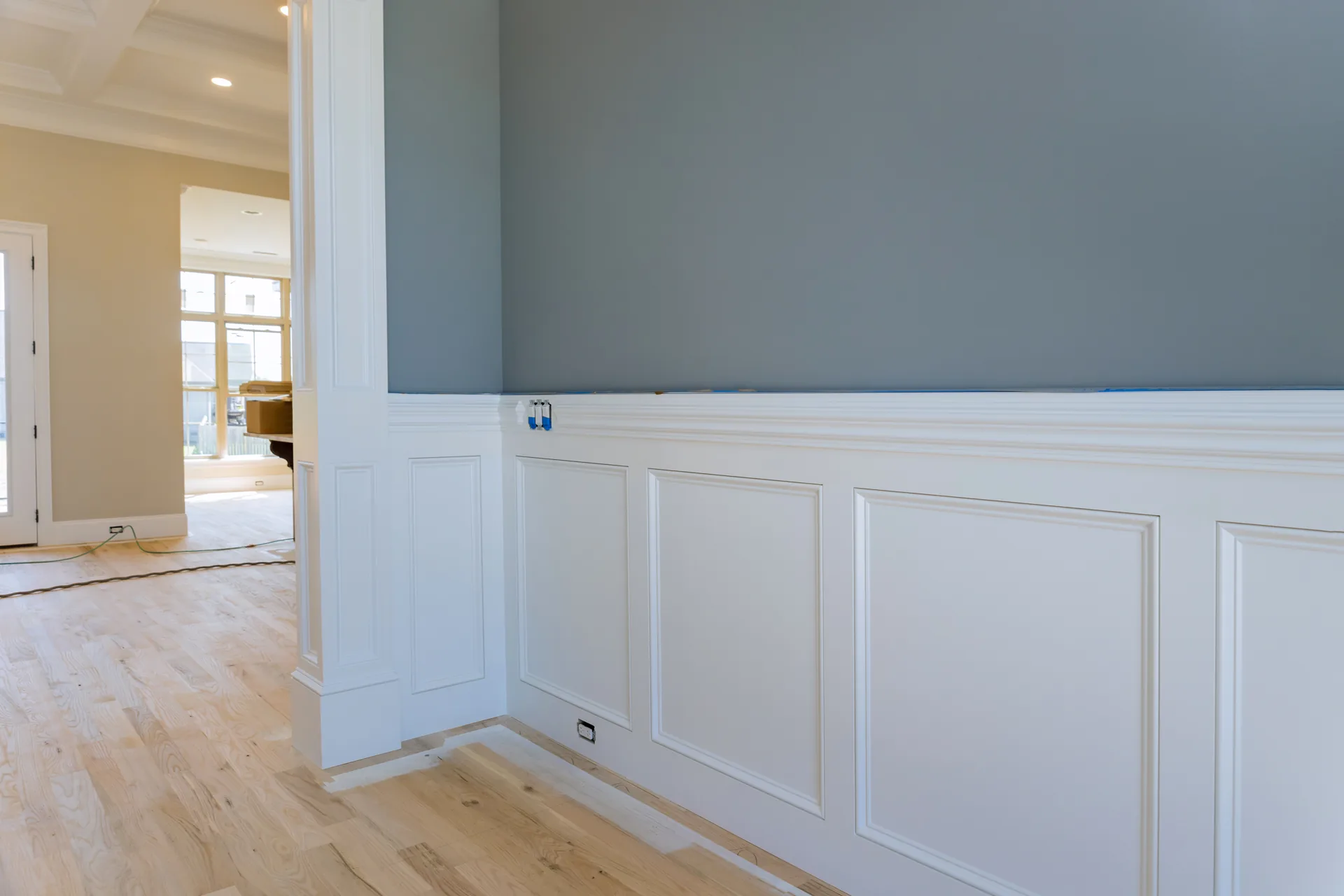
Do you paint trim or walls first? For most DIY projects, the standard order is ceiling first, walls second, and trim last. Painting walls before trim allows you to roll out broad wall surfaces quickly without worrying about minor roller splatter on unpainted baseboards. However, professional painting crews often spray the trim first, mask the cured trim with tape and paper, and then paint the walls to create razor-sharp edges. The simple answer is: paint ceilings first, walls second, and trim last for manual brush and roller projects, but paint trim first if you are spraying or using precision masking tape.
Quick Reference Summary for Room Painting Order
Selecting the proper sequence for your painting project prevents lap marks, reduces masking time, and prevents fresh paint from peeling off adjacent surfaces. The ideal sequence depends on whether you plan to cut in lines by hand with an angled brush or spray materials using an airless sprayer. Regional structural details and environmental conditions across the country also dictate how paint layers bond and dry.
In humid Southern coastal homes, elevated indoor humidity slows the curing process of trim enamels, requiring a longer wait time before applying painter's tape over fresh trim. In dry Western regions, fast evaporation rates cause wall paint to skin over rapidly, making it critical to complete wall rolling before trimming out baseboards. In historic Northern properties with solid wood millwork, seasonal winter heating causes trim wood expansion along baseboard seams, requiring flexible acrylic caulking before any paint sequence begins.
- Standard Manual Sequence: Ceiling, then walls, then baseboards, doors, and window trim.
- Professional Spray Sequence: Trim first, mask trim after curing, then spray or roll walls.
- Roller Splatter Prevention: Painting walls before baseboards prevents wall roller mist from ruining finished trim.
- Masking Rule: Always allow fresh paint to cure for at least 24 hours before applying painter's tape over it.
What Is the Recommended Sequence to Paint a Room?
Following a logical painting order reduces surface re-work and protects completed areas from accidental drips and roller spray.
Step 1: Paint the Ceiling First
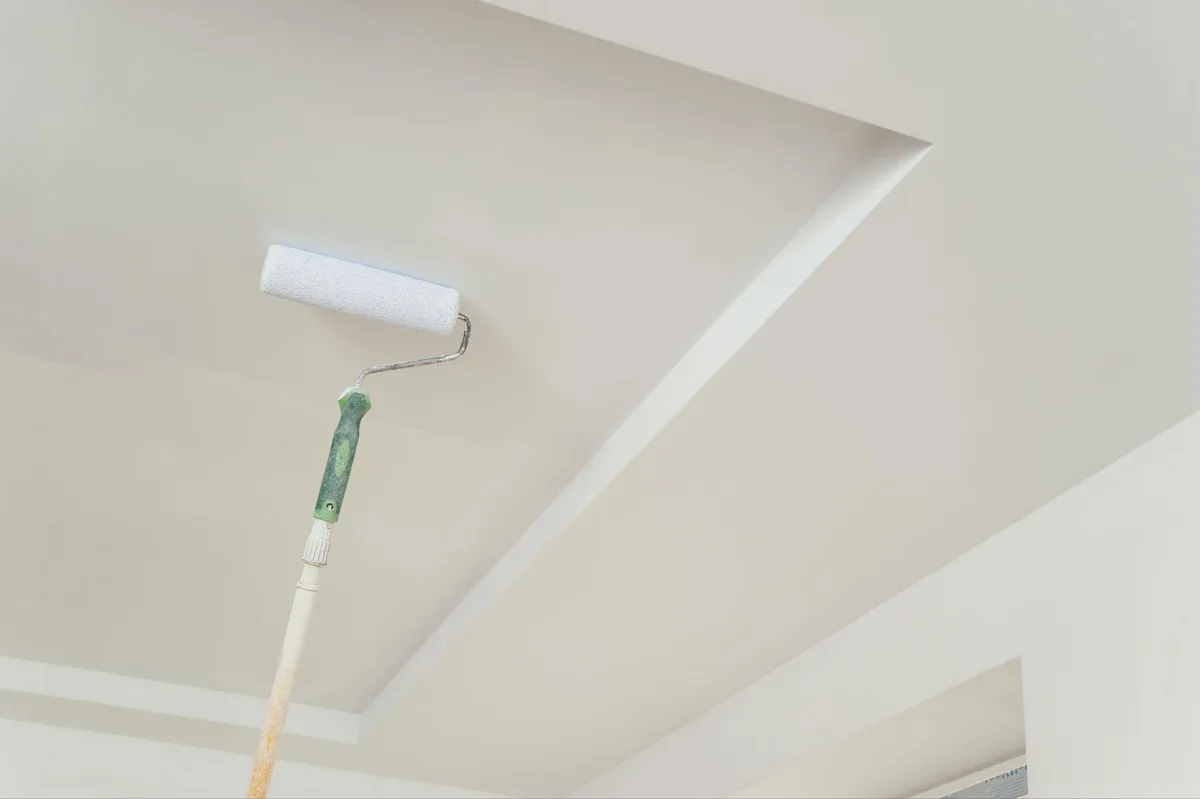
Always start at the highest point in the room. Rolling a ceiling creates fine microscopic splatter that drifts downward onto walls and trim. Applying ceiling paint first ensures that any stray ceiling paint on upper wall surfaces gets completely covered when you paint the walls.
Step 2: Paint the Walls Second
Roll and cut in the walls after the ceiling has dried completely. Roll wall surfaces using a 3/8-inch or 1/2-inch nap roller cover, bringing the wall paint slightly onto the baseboard and casing edges. Rolling broad wall sections before finishing trim eliminates the risk of wall roller covers accidentally bumping against finished baseboard faces.
Step 3: Paint the Trim Last
Finish the project by painting the baseboards, door frames, window casings, and crown molding. Use a 2-inch or 2.5-inch angled nylon-polyester sash brush to cut a clean, straight line along the edge where the trim meets the painted wall. Because trim paint is usually a semi-gloss or high-gloss enamel, it creates a crisp, durable edge over the flatter wall paint.
Should You Spray or Brush Trim Before Painting Walls?
Application tools dictate whether you should reverse the traditional painting sequence. Industry standards published by the Master Painters Institute (MPI) highlight how spray application workflows differ fundamentally from manual brush and roller methods.
The Professional Trim-First Spray Strategy
When using airless paint sprayers, spraying trim before walls is the fastest, most efficient method. Sprayers allow painters to coat intricate baseboards, crown molding, and paneled doors rapidly without leaving brush marks. Once the trim enamel cures, painters mask off the trim using painter's tape and hand-masking paper, leaving the broad wall surfaces exposed for rapid wall spraying or rolling.
The DIY Wall-First Brush and Roller Strategy
For DIY homeowners using brushes and rollers, painting walls before trim is easier. Cutting in a straight line with a brush is much easier when applying high-gloss trim paint over flat or eggshell wall paint than trying to cut in flat wall paint against glossy trim.
Application guidelines from the Paint & Decorating Retailers Association (PDRA) recommend matching your masking strategy to your tool choice. If you are checking older paint cans in your workspace before starting, review our guide on can you use old paint to ensure the binders are usable.
“Pro Tip 1: The Razor Line Tape-Sealing Technique. When taping off painted trim to paint adjacent walls, paint can bleed under the tape edge along textured surfaces. To lock out leaks, apply medium-adhesion painter's tape along the trim line, then brush a razor-thin coat of wall primer or clear acrylic caulk directly over the tape edge where it meets the wall. This seals microscopic gaps under the tape. Once dry, roll your wall paint as normal. When you peel the tape, you will reveal a razor-sharp paint line.”
How Do You Cut In Clean Lines Between Walls and Trim?
Achieving straight, professional paint lines along baseboards and door casings requires proper brush technique and paint viscosity management. Technical documents from Sherwin-Williams Technical Specifications confirm that premium trim enamels require precise film thickness to flow out brush marks correctly.
If your home interior project involves extensive updates, pair your room refresh with our interior house painting services or safeguard your exterior trim using our exterior house painting services.
“Pro Tip 2: Wet-Edge Speed Cutting Without Tape. Professional painters cut in trim lines freehand without masking tape by controlling brush loading and flex angle. Load a 2.5-inch stiff angled sash brush halfway with trim enamel. Tap off excess paint against the inside of the bucket rather than wiping it clean. Place the brush bristles against the trim 1/8-inch away from the wall edge, then apply firm downward pressure to fan the bristles out into a smooth flag shape. Drag the fanned edge smoothly along the wall seam in continuous 2-foot strokes, letting the outer bristles carry the paint line precisely along the corner.”
Room Painting Sequence and Workflow Matrix
This reference table outlines sequence options, application methods, masking needs, and primary advantages across common room painting scenarios.
- Manual Brush & Roller: Paint ceiling, paint walls, then paint trim. Masking approach: freehand cut-in or tape trim edges.
- Airless Spray Method: Paint ceiling, spray trim, then paint walls. Masking approach: mask cured trim with tape and paper.
- Color Drenching (One Color): Paint ceiling, paint walls, then paint trim. Masking approach: minimal masking between sheen shifts.
- Remodel / Raw Drywall: Prime all surfaces, spray trim, then roll walls. Masking approach: shield trim during wall application.
If your room preparation requires fixing damaged drywall joints before painting, explore our drywall repair services. For modern interior color concepts, read our article on what is color drenching.
If your maintenance extends to exterior brick or interior cabinetry, consult our guides on can you clean limewashed brick and painting cabinets with doors. Learn more about our national service standards via That 1 Painter.
“Pro Tip 3: Tape Delamination Testing on Fresh Enamel. Applying painter's tape over fresh wall paint or trim enamel before it cures will tear the paint film away from the primer when peeled. Water-based paints dry to the touch in hours but take up to 30 days to fully cure. Test tape adhesion by pressing a small piece of low-tack painter's tape onto a hidden section of fresh paint for 10 minutes. Peel it back sharply at a 90-degree angle; if any paint transfers to the tape adhesive, the coating is not fully cross-linked and cannot safely support masking paper.”
Answers to Common Questions About Painting Sequence
Is it better to paint baseboards before or after walls?
For most DIY projects, it is better to paint walls before baseboards. Painting walls first allows you to roll wall surfaces quickly without worrying about small paint splatters landing on finished trim. Once walls are complete, you can cut in baseboard enamel neatly along the bottom edge.
How long should wall paint dry before painting trim?
Allow wall paint to dry for at least 2 to 4 hours before painting trim freehand with a brush. If you plan to apply painter's tape onto fresh wall paint to tape off the trim line, wait at least 24 hours and use low-tack delicates painter's tape to prevent pulling off fresh wall paint.
What happens if you paint trim before walls?
Painting trim before walls is common in professional workflows, especially when spraying trim. However, if you are brushing and rolling, painting trim first requires you to mask off all the trim with tape and paper before rolling walls, which increases prep time significantly.
Should door frames be painted before or after walls?
Door frames should be painted during the trim stage, which usually occurs after walls are painted during manual brush-and-roller projects. Painting door frames last lets you cut clean enamel lines over the adjacent flat or eggshell wall paint around the door casing.
What paint sheen order should you use in a room?
Use flat or ultra-flat sheens on ceilings to hide surface joints, eggshell or satin sheens on interior walls for cleanability, and semi-gloss or gloss urethane enamels on trim, doors, and baseboards for maximum impact resistance.
Ready for Professional Interior Painting Results?
Navigating the correct painting order, cutting precise trim lines, and managing cure times takes precision and practice. Let our skilled interior painting crews handle the prep, sequence, and finishing details to give your home flawless paint lines throughout.
Note: Pricing estimates are based on 2026 regional averages. Every home is unique, and final quotes require an on-site assessment to account for material costs, prep work, and structural conditions.
Contact the team at That 1 Painter today to schedule your detailed, obligation-free on-site estimate, and bring effortless transformation to your interior spaces. Book Your Free Professional Estimate Now
