By Robert R.
No, you cannot use interior paint outside. Interior paint is formulated with soft rigid resins and minimal UV blockers designed exclusively for climate-controlled indoor spaces, meaning it will crack, peel, fade, and chalk rapidly when exposed to outdoor rain, sunlight, and temperature shifts. Applying indoor paint to exterior siding, doors, or trim leads to complete paint film failure within months and often damages the underlying building materials.
Quick Reference Summary for Interior Paint on Exterior Surfaces
Homeowners are often tempted to use leftover interior wall paint on outdoor projects like patio furniture, shed trim, or exterior doors. However, interior and exterior paint rely on fundamentally different chemical resin chemistries.
Regional weather patterns and home building materials highlight why interior paint fails so quickly outdoors. In humid Southern coastal climates, frequent heavy rainfall and high humidity cause interior paint to absorb water, leading to immediate blistering, bubbling, and mildew growth on wood trim. In high-altitude Western mountain regions, intense solar radiation and high UV indexes break down the chemical binders of interior paint within weeks, turning the surface into a powdery chalk. In historic Northern homes featuring real wood siding, seasonal freeze-thaw cycles force natural wood expansion, cracking rigid interior paint films that lack elastomeric flexibility. Below is a technical breakdown of why indoor paint fails outside and how to address accidental application.
- Overall Suitability: Zero. Interior paint must never be applied to exterior surfaces.
- Primary Cause of Failure: Lack of UV stabilizers and flexible outdoor acrylic binders.
- Expected Failure Timeline: Peeling, fading, and cracking occur within 30 to 90 days of outdoor exposure.
- Corrective Solution: Complete mechanical removal or pressure washing followed by an exterior-grade bonding primer and 100 percent acrylic exterior topcoat.
Why Does Interior Paint Fail on Exterior Surfaces?
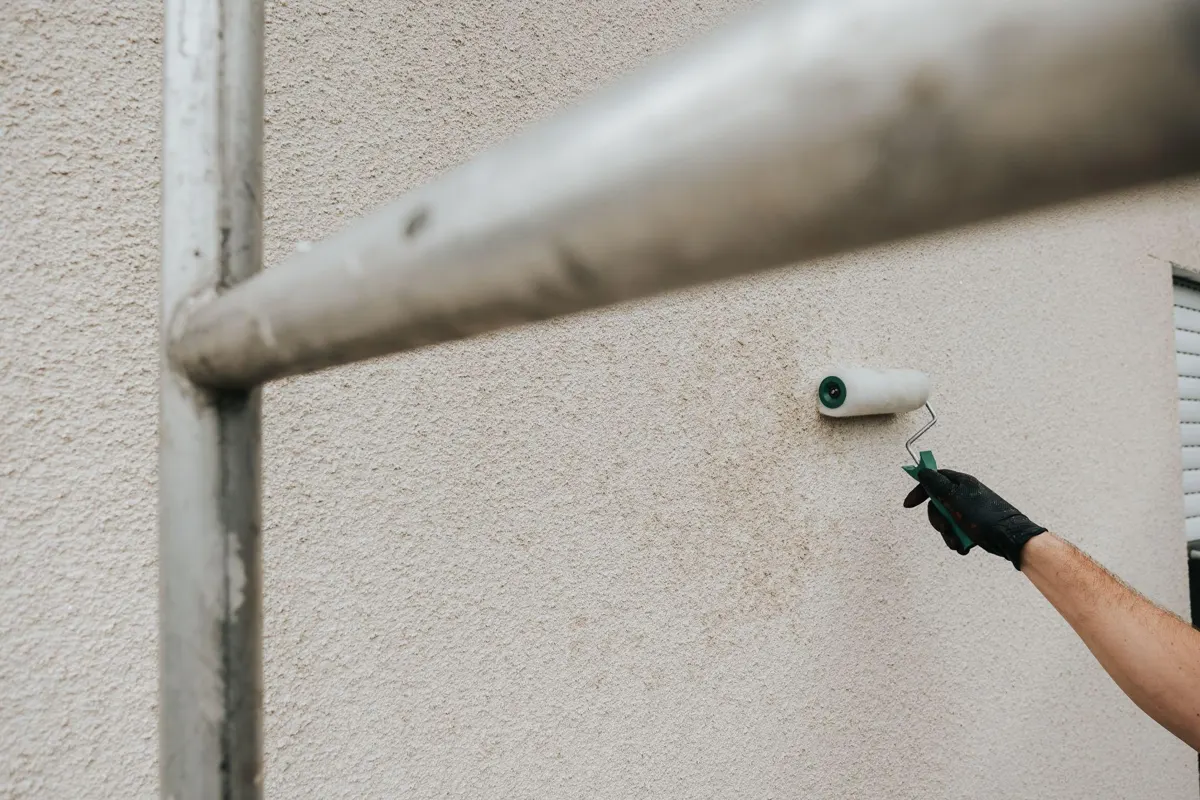
Understanding why interior paint fails outdoors requires examining paint formulation science. Paint consists of four basic components: pigments, solvents, additives, and binders (resins). Technical standards maintained by the Master Painters Institute (MPI) categorize coatings based on environmental exposure, explicitly excluding interior resins from exterior structural use.
Interior paints utilize vinyl-acrylic or rigid 100 percent acrylic binders designed to withstand indoor scrubability, hand oils, and scuff marks. Because indoor environments maintain stable temperatures, interior resins do not need to expand or contract significantly.
Exterior paints, by contrast, use flexible 100 percent acrylic or polyurethane-modified resins engineered to stretch and return to their original shape as wood, masonry, and siding expand and contract with changing weather. When you apply rigid interior paint outdoors, the thermal movement of the building material snaps the paint film, causing widespread cracking and flaking.
If you are evaluating saved paint cans from past projects to see what coatings you have on hand, read our guide on can you use old paint to verify chemical safety and shelf life.
“Pro Tip 1: Glass Transition Temperature (Tg) Resin Breakdown. Paint polymers are engineered around a specific Glass Transition Temperature (Tg), which determines the temperature where a dry paint film transitions from hard and brittle to soft and flexible. Interior paints feature high-Tg resins designed to remain hard at indoor room temperatures (around 70 degrees Fahrenheit) so they resist fingerprints. When exposed to cold outdoor winter temperatures, high-Tg interior resins become extremely brittle and glass-like, causing the paint film to micro-shatter as soon as the underlying wood flexes.”
What Happens When You Apply Interior Latex Outdoors?
Applying interior latex paint outside creates severe cosmetic and structural problems for your property.
Rapid Fading and Pigment Degradation
Interior paints lack heavy-duty ultraviolet (UV) light absorbers. Direct sunlight destroys the organic pigments used in interior paint, causing dark or vibrant colors to fade unevenly within weeks.
Moisture Absorption and Rot
Exterior paints contain specialized additives called mildewcides and hydrophobic resins that shed rain. Interior paint acts like a dry sponge outdoors, absorbing rainwater and trapping moisture against raw wood siding or trim. This trapped moisture rots underlying timber and causes deep structural decay.
Surface Chalking and Leaching
Without outdoor binder reinforcement, sun exposure breaks the top layer of interior paint into a loose powder. Rain washes this chalky residue down your walls, staining brick, stone, and lower trim boards.
If you are considering unified color schemes across indoor and outdoor spaces, review our feature on what is color drenching to plan appropriate coating systems for each zone. For exterior stone or masonry care, check out our guide on can you clean limewashed brick. Learn more about our national standards via That 1 Painter.
“Pro Tip 2: Moisture Vapor Permeability and Blistering. Exterior paints are engineered with breathability ratings measured in perms. They allow internal moisture vapor from inside the home to escape outward through the paint film without damaging the finish. Interior paints create an impermeable vapor barrier on the wrong side of the wall assembly. Sun hits the wet exterior wall, forcing trapped water vapor outward, which blows the interior paint film off the wood in large water-filled blisters.”
Technical Comparison of Interior vs Exterior Paint Formulations
This reference table outlines the structural, chemical, and performance differences between interior and exterior paint products.
- Resin Type: interior paint uses rigid vinyl-acrylic or high-Tg acrylic; exterior paint uses flexible 100% acrylic or urethane acrylic.
- UV Protection: interior paint has minimal or none; exterior paint has a high concentration of UV absorbers and hindered amine light stabilizers.
- Mildewcides: interior paint has low levels (focused on washability); exterior paint has heavy industrial mildewcides and fungicides.
- Thermal Flexibility: interior paint is rigid and breaks under thermal movement; exterior paint is highly elastomeric and expands with heat and cold.
- Scrub Resistance: interior paint has high resistance to mechanical abrasion; exterior paint is formulated to shed rain and resist chalking.
If your exterior wood trim or interior door surfaces have been damaged by incorrect paint choices, read our guide on painting cabinets with doors for proper surface preparation and coating selection.
“Pro Tip 3: Surfactant Leaching and Chemical Cleanup. If interior paint was accidentally applied outdoors, do not simply apply exterior paint directly over it. Interior paint contains water-soluble surfactants that leach out when wet, creating a slippery chemical layer. Applying fresh exterior paint over failing interior paint will cause the new coating to pull off in sheets. The failing interior paint must be scraped, pressure washed, sand-blasted, or chemically stripped down to a sound substrate before applying exterior bonding primer.”
How Do You Fix Interior Paint That Was Applied Outdoors?
If you or a previous owner accidentally applied interior paint to exterior siding, doors, or trim, follow these corrective restoration steps:
- Scrape Loose Paint: Remove all flaking and failing interior paint film using a stiff scraper down to sound substrate.
- Power Wash the Substrate: Wash the surface with an exterior degreaser and medium-pressure water stream to eliminate leaching surfactants and chalk.
- Verify Moisture Content: Allow all wood or masonry surfaces to dry completely until substrate moisture content measures below 12 percent.
- Apply Exterior Primer: Coat all bare or scraped areas with a high-build exterior alkyd or 100 percent acrylic exterior bonding primer.
- Apply Exterior Topcoats: Finish with two full coats of premium 100 percent acrylic exterior paint engineered for thermal expansion.
If peeling interior paint has damaged the underlying drywall soffits or trim, utilize our professional drywall repair services to clean up damaged building materials. You can also combine your project with our full-service interior house painting services and exterior house painting services to ensure proper coatings are used across your entire home.
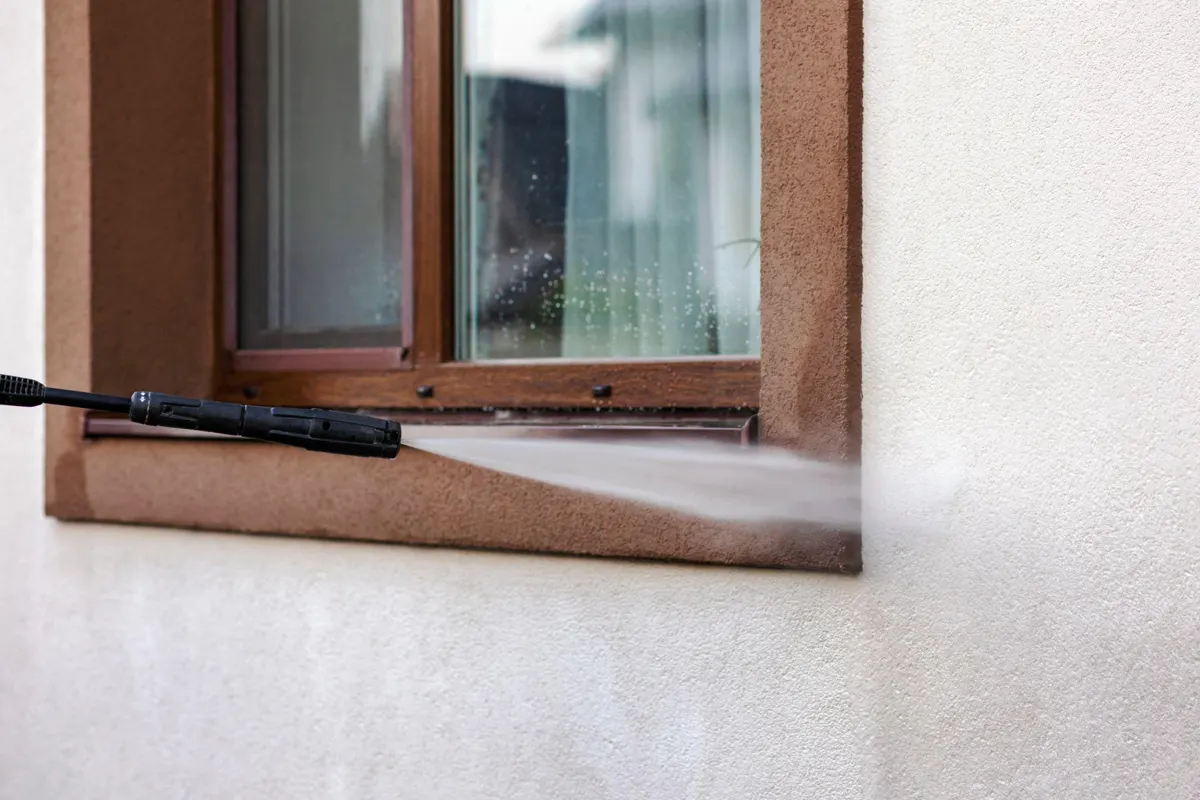
Guidelines from the U.S. Environmental Protection Agency (EPA) emphasize that scraping paint on homes built before 1978 requires strict lead-safe work practices to prevent environmental contamination.
Answers to Common Questions About Interior vs Exterior Paint
Can I use interior paint on outdoor furniture under a covered porch?
No, you should not use interior paint on outdoor furniture, even under a roofed porch. High outdoor humidity, ambient temperature changes, and reflected light will cause interior paint to soften, stick to clothing, and peel off wood or metal patio furniture.
What happens if I mix interior paint with exterior paint?
Mixing interior paint with exterior paint ruins the chemical integrity of the coating. The interior resins reduce the overall UV stability, flexibility, and mildew resistance of the exterior paint, leading to premature film breakdown. Never mix interior and exterior paint products together.
Can exterior paint be used indoors instead?
While exterior paint will hold up physically inside, you should generally avoid using it indoors. Exterior paints contain higher levels of volatile organic compounds (VOCs) and chemical mildewcides designed to off-gas outdoors. Using exterior paint in enclosed indoor spaces can cause lingering odors and unhealthy indoor air quality.
How can I tell if a paint can is for interior or exterior use?
Check the manufacturer label on the front and back of the container. Paint cans are explicitly labeled as Interior, Exterior, or Interior/Exterior. If a container is missing its label, test a small sample on a piece of scrap wood; interior paint dries to a stiffer, less pliable film compared to flexible exterior acrylics.
Can I seal interior paint with an exterior clear coat to make it last outdoors?
Clear coats rarely protect interior paint outdoors long term. Clear exterior polyurethane or varnish allows sunlight to pass directly through to the interior paint layer below, breaking down its bond with the substrate and causing both layers to peel away together.
Workplace health standards managed by the Occupational Safety and Health Administration (OSHA) govern safety protocol, ladder stability, and chemical respiratory protection for residential painting operations.
Ready for Professional Exterior Painting Services?
Choosing the correct chemical formulations, preparing compromised substrates, and applying high-performance exterior coatings require professional expertise and specialized equipment. Let our experienced painting crews restore your exterior surfaces with durable, weather-resistant paint systems.
Note: Pricing estimates are based on 2026 regional averages. Every home is unique, and final quotes require an on-site assessment to account for material costs, prep work, and structural conditions.
Contact That 1 Painter today to schedule your detailed, obligation-free on-site estimate and ensure your exterior surfaces are protected with professional-grade coatings. Book Your Free Professional Estimate Now
