By Norman R.
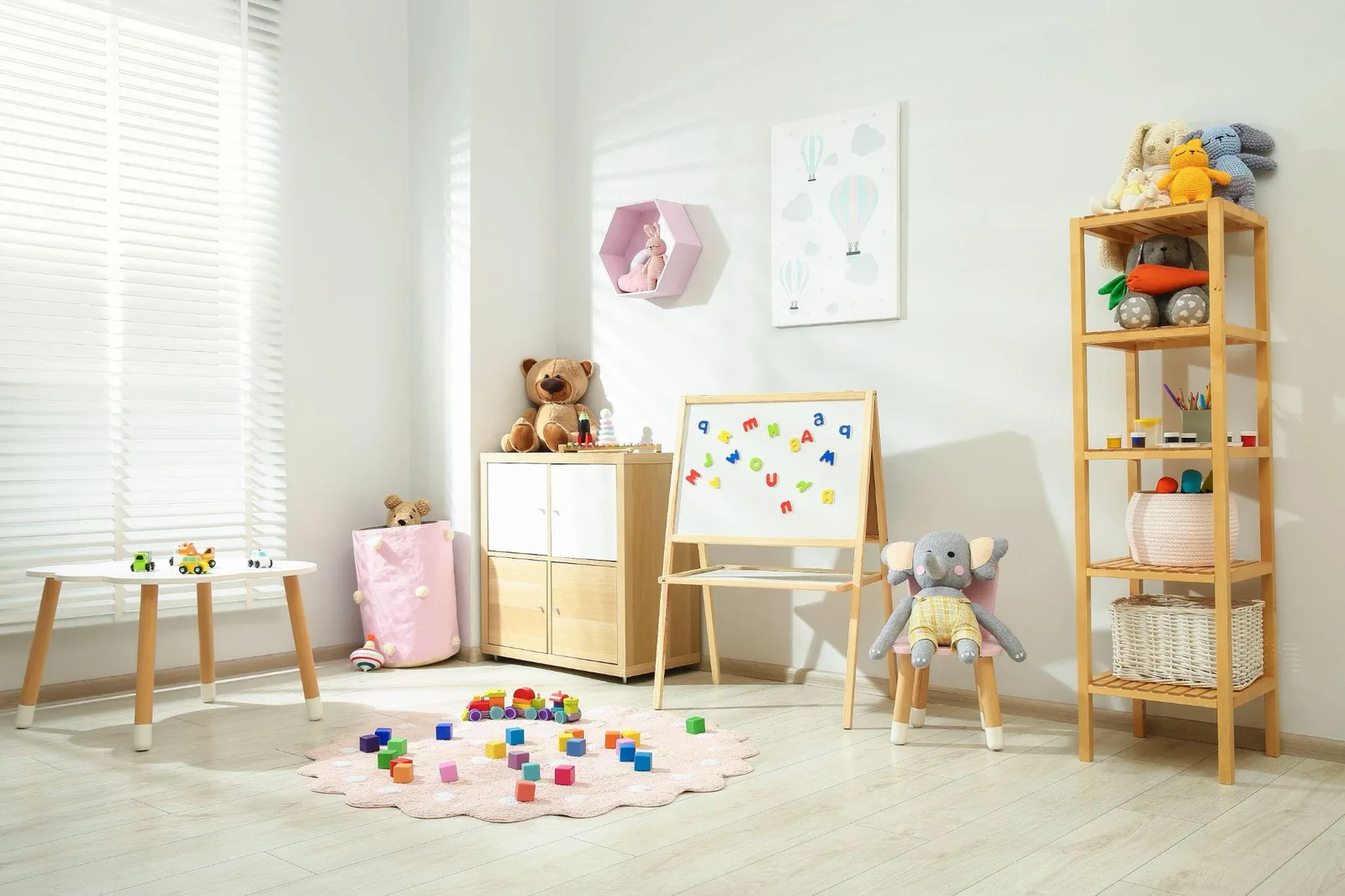
The best paint for a kids room is a 100 percent acrylic, zero-VOC formula in a satin or semi-gloss finish. Childrens bedrooms and playrooms demand coatings that combine high scrubability with chemical safety to endure daily scuffs, crayon marks, and liquid splatters without releasing harmful off-gassing vapors into indoor air. Choosing a high-density, washable acrylic enamel allows parents to clean wall stains repeatedly using mild soap and water without removing the paint film or creating polished shiny patches known as burnishing.
Quick Reference Summary for Kids Room Paint
Children spend hours sleeping and playing in their bedrooms, making indoor air quality and surface washability critical considerations. Cheap builder-grade flat paints absorb liquids instantly, turning minor scuffs into permanent stains that require full wall repainting.
Regional environmental factors and home conditions influence paint cure times and indoor air safety. In humid Southern coastal climates, elevated indoor humidity slows the curing process of thick acrylics, requiring moisture-resistant, antimicrobial formulas along exterior-facing bedroom walls to prevent surface mildew. In high-altitude Western mountain regions, intense dry heat and UV exposure through bedroom windows can accelerate paint drying too rapidly, making low-temp, high-pigment formulations necessary for smooth leveling. In historic Northern homes, drafty wood-frame windows and seasonal freeze-thaw cycles cause wall expansion along baseboards, requiring flexible waterborne acrylics that flex without cracking along trim seams. Below is a technical guide to choosing the safest, most durable paint for childrens spaces.
- Best Wall Finish: Satin or eggshell enamel with high scrub resistance ratings.
- Best Chemical Safety Profile: Zero-VOC base paint paired with zero-VOC colorants.
- Best Trim and Baseboard Sheen: Semi-gloss waterborne acrylic enamel for maximum scuff resistance.
- Wastage and Coverage Buffer: 1 gallon covers 350 to 400 square feet; purchase 10 percent extra for future touch-ups.
What Is the Safest Paint for Children's Bedrooms?
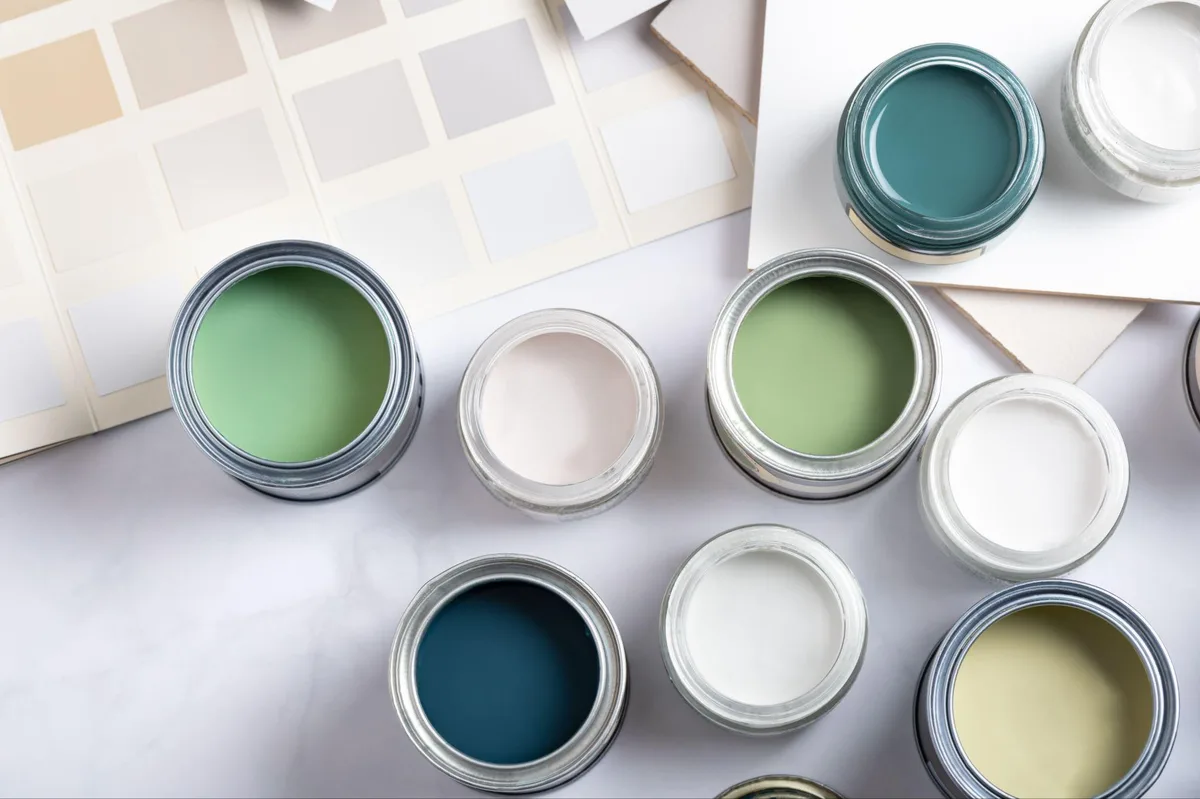
Safety in a child's bedroom centers on volatile organic compounds (VOCs) and chemical off-gassing. According to safety standards established by the U.S. Environmental Protection Agency (EPA), indoor air pollution levels can be two to five times higher than outdoor levels during active painting and drying phases.
Zero-VOC paints contain less than 5 grams of volatile compounds per liter, drastically reducing indoor odor and respiratory irritants. Selecting zero-VOC formulas ensures children can safely re-enter their bedrooms within hours of topcoat drying without exposure to harsh chemical fumes.
If you are inspecting existing paint cans in your garage to touch up a nursery or playroom, read our guide on can you use old paint to verify chemical stability and ensure the liquid has not spoiled.
“Pro Tip 1: Zero-VOC Tinting System Leaching. Many homeowners buy a zero-VOC base paint, but fail to realize that adding dark color tints at the store can add up to 100 grams per liter of VOCs back into the product. Always insist on zero-VOC colorant tinting systems. Field testing shows that dark accent walls tinted with standard glycol colorants off-gas for weeks longer than those using 100 percent waterborne zero-VOC tinting channels.”
Which Paint Finish Holds Up Best to Kids Wall Scuffs?
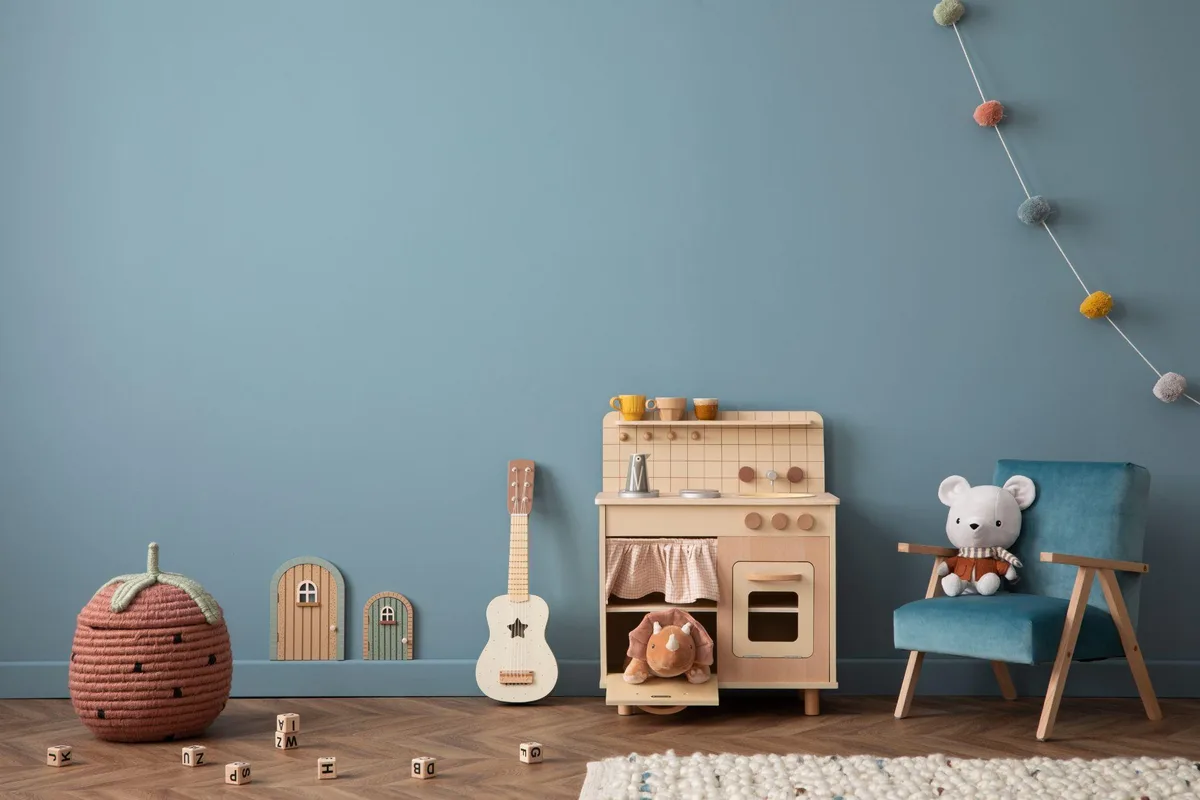
Selecting the correct sheen determines how well your walls withstand physical impact and cleaning. Technical performance standards from the Master Painters Institute (MPI) classify high-traffic childrens spaces as zones requiring minimum MPI Category 139 high-scrub durability.
Satin and Eggshell Enamels
Satin finishes strike the ideal balance for kids bedroom walls. They provide a soft, low-glare surface that hides minor drywall imperfections while forming a tight, closed resin film that repels markers, mud, and liquid spills. High-grade eggshell enamels also work well, provided they are explicitly rated for scrub resistance.
Semi-Gloss Finishes
Semi-gloss paint is ideal for baseboards, door casings, built-in shelving, and play-area trim. Its slick, non-porous finish allows parents to wipe off heavy scuffs from shoes, toy cars, and dirty hands using a wet microfiber cloth without dulling the surface sheen.
If you are planning creative accent walls or immersive room designs, explore our guide on what is color drenching to understand how single-color layouts function in small bedrooms. For exterior masonry updates around your home, review our feature on can you clean limewashed brick. Learn more about our national brand standards via That 1 Painter.
“Pro Tip 2: ASTM D2486 Scrub Resistance Verification. Before purchasing paint for a playroom, review the manufacturer's technical data sheet (TDS) for its ASTM D2486 scrub resistance cycle score. Premium acrylic paints endure over 1,000 continuous abrasive scrub cycles before film failure occurs, whereas standard contractor flat paint fails around 250 cycles. Higher cycle ratings mean you can scrub off crayon, grease, and ink without exposing the raw drywall mud underneath.”
Kids Room Paint Performance Comparison by Surface Type
This table compares recommended coating formulations, sheens, and application benefits across different playroom and bedroom surfaces.
- Main Bedroom Walls: 100% acrylic zero-VOC resin, satin enamel sheen. Key advantage: high washability without burnishing.
- Playroom Activity Walls: Ceramic-infused acrylic resin, semi-gloss enamel sheen. Key advantage: extreme stain barrier against markers & crayons.
- Baseboards & Doors: Waterborne urethane acrylic resin, semi-gloss sheen. Key advantage: impact resistant against toy scuffs.
- Bedroom Ceilings: Zero-VOC flat latex resin, flat / ultramatte sheen. Key advantage: eliminates glare while keeping air safe.
If your playroom prep work reveals gouges, doorknob holes, or torn drywall paper from wall anchors, utilize our drywall repair services to restore structural integrity before applying paint. You can also combine interior work with our full-service interior house painting services and exterior house painting services for a complete home refresh.
If you are updating built-in storage, closet doors, or cabinetry, check out our guide on painting cabinets with doors for step-by-step coating advice.
“Pro Tip 3: Cross-Linking Curing Windows vs. Touch Dry Times. Water-based acrylic paints dry to the touch in 1 to 2 hours, but they require up to 30 days to fully cure through chemical cross-linking. Inform parents not to scrub walls with chemical cleaners, magic erasers, or wet sponges during this 30-day cure window. Cleaning the wall too early softens the fresh latex binder and creates permanent watermark rings.”
Answers to Common Questions About Kids Room Paint
Can I use washable flat paint in a kids bedroom?
While standard flat paint should never be used in a kids room due to its high porosity, specialized washable flat or matte paints engineered with ceramic microspheres can work. These premium formulas resist stain penetration while maintaining a low-glare surface that hides wall dents.
How do I remove crayon and marker from painted walls?
To clean crayon or marker without damaging the paint film, apply a small amount of warm water mixed with mild dish soap to a soft microfiber cloth. Gently wipe in circular motions. Avoid abrasive scouring pads, which strip the topcoat sheen.
Are chalkboard paints safe for childrens playrooms?
Yes, high-quality water-based chalkboard paints are safe for indoor use once fully cured. Ensure the product is labeled non-toxic and zero-VOC. Allow chalkboard paint to cure for at least 3 to 4 days before conditioning the surface with chalk.
How many coats of paint are needed for a kids room?
Two full coats of paint over a properly prepared or primed surface are necessary. The first coat establishes color depth, while the second coat creates a uniform, durable film build required for washability and stain resistance.
What is the best paint color for a calm childrens bedroom?
Muted, low-saturation shades like soft greens, muted blues, and warm greys promote relaxation and better sleep cycles. High-energy brights work well as small accent areas, but can visually overstimulate young children if applied to all four bedroom walls.
Always follow workplace safety guidelines set by the Occupational Safety and Health Administration (OSHA) when operating step ladders or handling heavy pails during home improvement projects.
Ready for Professional Interior Painting Services?
Achieving smooth, durable, and safe paint finishes in high-traffic childrens bedrooms requires proper prep work, zero-VOC materials, and accurate application techniques. Let our professional painting teams transform your home with precision craftsmanship.
Note: Pricing estimates are based on 2026 regional averages. Every home is unique, and final quotes require an on-site assessment to account for material costs, prep work, and structural conditions.
Contact That 1 Painter today to schedule your detailed, obligation-free on-site estimate and create a clean, durable space for your family. Book Your Free Professional Estimate Now
