By Robert R.
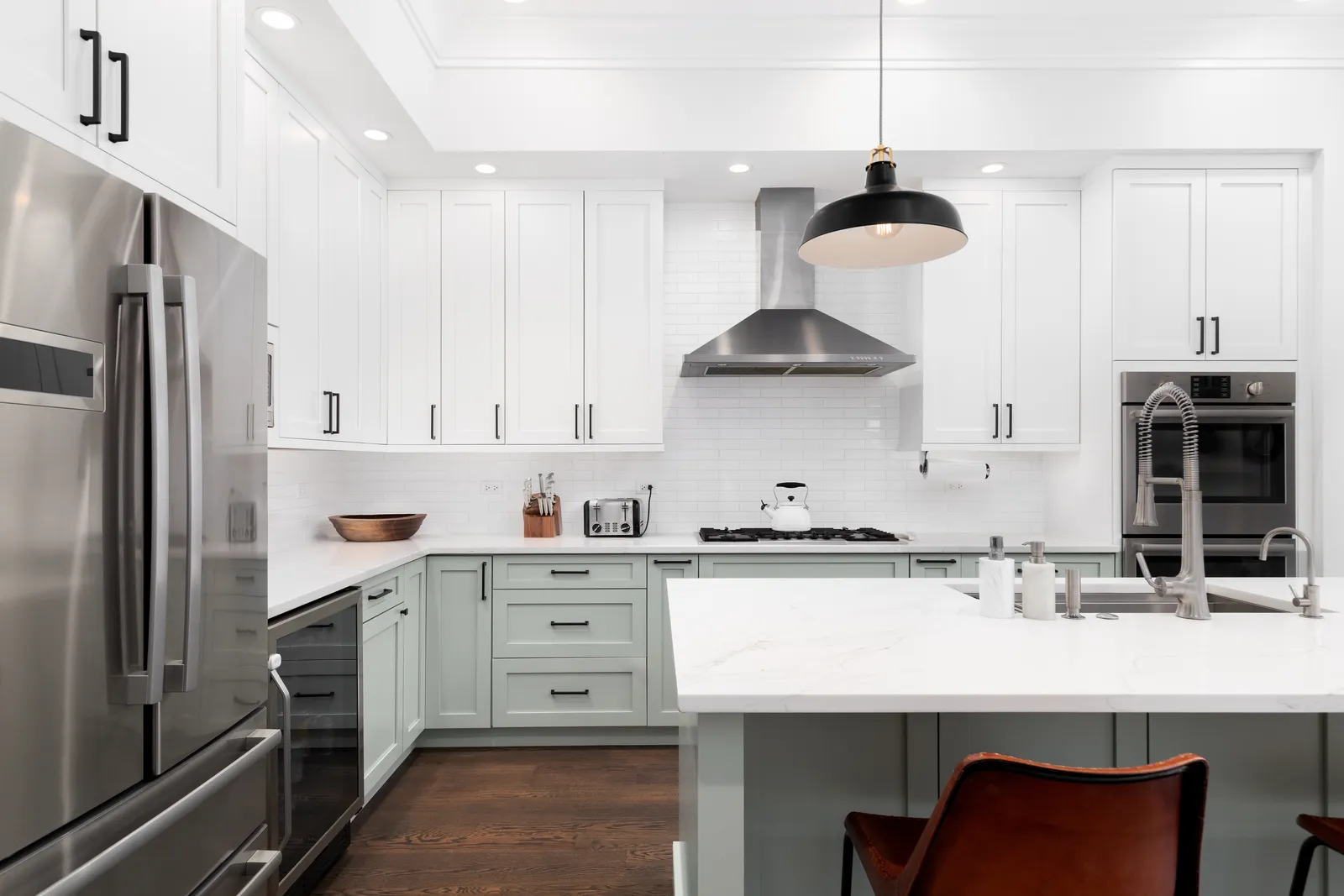
The best kitchen paint colors for 2026 are a three-color Sherwin-Williams palette: Alabaster (SW 7008) for the walls and upper cabinets, Evergreen Fog (SW 9130) for the island and lower cabinets, and Urbane Bronze (SW 7048) for accent details. Alabaster is a soft, warm white that keeps the kitchen bright. Evergreen Fog brings a calm, earthy green tone to the room. Urbane Bronze adds depth and makes the whole palette feel designer and high-end.
Kitchens are the hardest-working rooms in most homes, so color choices have to look good and hold up. Cabinets, walls, islands, and trim all compete for attention in one space. The most common mistake is painting every surface the same flat white, which can leave a kitchen looking sterile and showing every fingerprint.
Regional light conditions, seasonal humidity, and local cooking habits heavily influence how this palette performs. In humid Southern coastal climates, steam and moisture make a durable, washable enamel essential on Evergreen Fog lower cabinets, and bright sun keeps Alabaster feeling crisp. In high-altitude Western regions with dry air and intense daylight, waterborne cabinet enamels set up quickly, so careful application prevents lap marks on long cabinet runs. In Northern homes with freeze-thaw winters and cool, low-angle light, Alabaster's warmth keeps the kitchen from reading gray, while Urbane Bronze accents add a grounded, cozy feel. Below is a complete color palette guide for using Alabaster, Evergreen Fog, and Urbane Bronze in your kitchen.
Quick Reference Summary for the 2026 Kitchen Palette
- Walls and Upper Cabinets: Sherwin-Williams Alabaster (SW 7008), a soft, warm white.
- Island and Lower Cabinets: Sherwin-Williams Evergreen Fog (SW 9130), a calm, earthy green.
- Accent Details: Sherwin-Williams Urbane Bronze (SW 7048) for depth and a high-end, designer finish.
- Recommended Sheens: Eggshell or satin on walls, and satin or semi-gloss cabinet enamel on all cabinetry.
- Testing Rule: Sample cabinet colors on primed boards next to your countertops, backsplash, and hardware before committing.
Why Does This Kitchen Paint Palette Work?
This palette works because it uses a two-tone cabinet layout anchored by a deep accent. Light colors sit up high, where they keep the room open and bright. Medium-depth color sits down low, where it grounds the space and hides everyday wear. The darkest color appears only in small doses for definition.
Alabaster is a soft, warm white, not a stark or blue-leaning white. On walls and upper cabinets, it reflects plenty of light without glaring under kitchen task lighting. Its warmth also flatters wood countertops, butcher block, brass hardware, and natural stone.
Evergreen Fog brings color without shouting. Its calm, earthy green reads as a sophisticated neutral in most lighting. On an island and lower cabinets, it adds personality while still feeling timeless. Green also pairs naturally with plants, wood, and warm metals.
Urbane Bronze completes the scheme. A deep, rich accent pulls the lighter colors together and gives the kitchen a tailored, custom look. Used on a range hood, open-shelf brackets, window sashes, or a pantry door, it frames the space like a piece of jewelry. For more two-tone ideas, see our guide on the two-tone look with painted cabinets.
“Pro Tip 1: Put the Darker Color Where Hands and Feet Go. Lower cabinets and islands take the most abuse from shoes, mops, pets, and spills. A mid-tone like Evergreen Fog hides minor scuffs better than a white. Keeping Alabaster on the upper cabinets, which are touched less often, makes the whole kitchen easier to keep clean.”
The Sherwin-Williams website lists the Light Reflectance Value (LRV) and coordinating colors for Alabaster, Evergreen Fog, and Urbane Bronze, which helps you see how each shade will work together.
What Role Does Each Color Play in the Kitchen?
Each color in this palette has a defined set of surfaces. Following these placements keeps the kitchen balanced.
- Alabaster (SW 7008) on Walls and Upper Cabinets: Alabaster covers the upper half of the room. Painting the walls and upper cabinets the same white creates a seamless, airy look that makes ceilings feel taller. It also lets the backsplash and countertops stand out without visual competition.
- Evergreen Fog (SW 9130) on the Island and Lower Cabinets: Evergreen Fog anchors the room. On the island, it creates an instant focal point. On the lower cabinets, it ties the perimeter to the island so the kitchen reads as one design. This placement adds color at eye level and below without darkening the space.
- Urbane Bronze (SW 7048) on Accent Details: Urbane Bronze adds depth in small amounts. Good candidates include a range hood, floating shelf supports, a pantry or back door, window trim, or a beverage bar. Keep it to a few deliberate details so it reads as a designer accent instead of a third main color.
If you are deciding whether to refresh your existing cabinet boxes and doors, read our comparison of cabinet painting vs. replacing.
How Should You Test and Sample These Colors Before Painting?
Kitchen lighting is complex. Daylight from windows, under-cabinet LEDs, and pendant lights all change how colors read. Test carefully before painting cabinets.
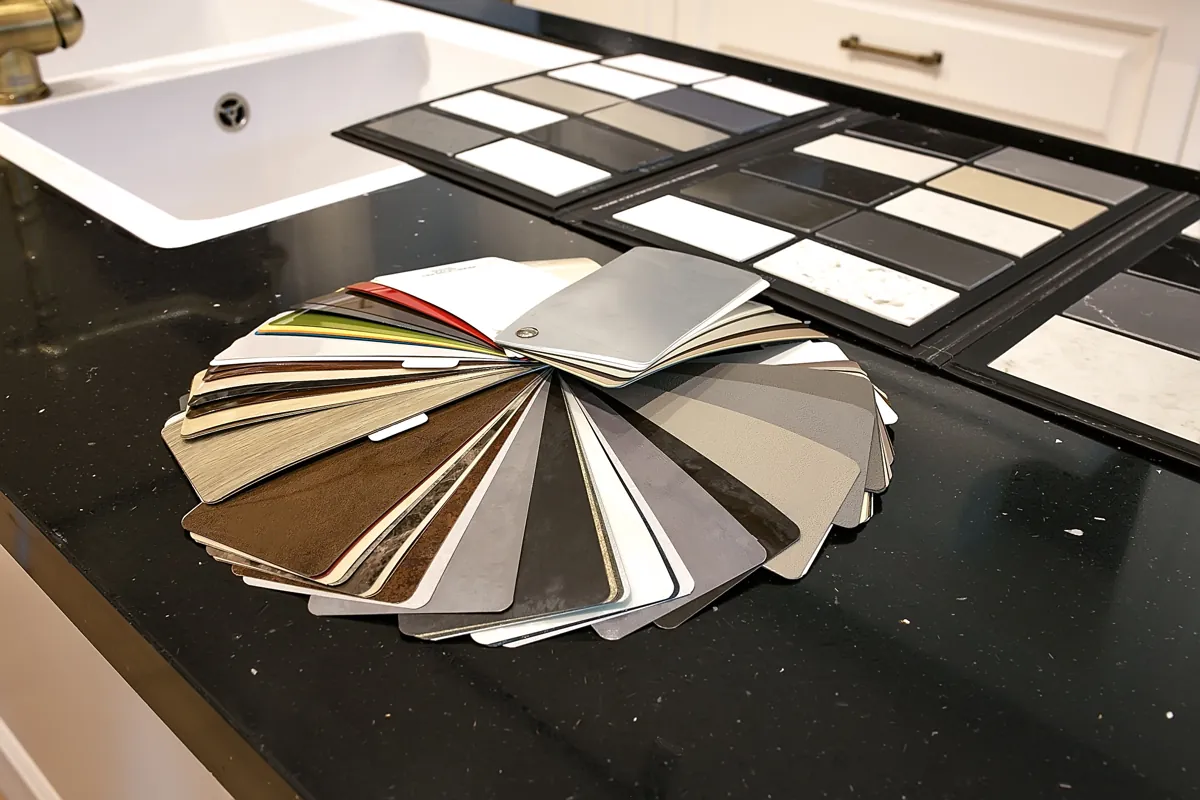
- Paint Primed Sample Boards: Cabinet colors look different on primed wood or MDF than on a paper chip. Paint boards at least 12 by 12 inches.
- Hold Samples Next to Fixed Finishes: Compare Evergreen Fog and Alabaster against countertops, backsplash tile, flooring, and appliance finishes.
- Check Under Task Lighting: Turn on under-cabinet lights and pendants at night. Cool LEDs can mute green, while warm LEDs can push Alabaster creamier.
- Test Hardware Pairings: Hold your brass, black, or nickel pulls against each sample. Warm metals pair especially well with Evergreen Fog.
- Live With Samples for a Few Days: Look at the boards at breakfast, midday, and dinner before deciding.
Which Sheen Should You Use on Each Kitchen Surface?
Kitchens face grease, steam, and constant handling, so sheen choice matters as much as color. Walls in Alabaster usually perform best in eggshell or satin. Both wipe clean more easily than flat paint and resist splatter near cooking zones.
Cabinets need a dedicated cabinet enamel in satin or semi-gloss. These coatings cure harder than wall paint, resist sticking at door edges, and stand up to repeated cleaning. Satin offers a soft, modern look, while semi-gloss is slightly easier to wipe down. Use the same sheen on Alabaster uppers and Evergreen Fog lowers so the cabinetry looks unified.
Urbane Bronze accents follow the surface they sit on. On trim or doors, semi-gloss is standard. On a range hood or shelving, match the cabinet sheen for a cohesive look. For product recommendations, see our guide to the best paint for cabinets.
“Pro Tip 2: Degrease Before You Sand. Kitchen cabinets carry invisible layers of cooking oil. Sanding first can grind grease into the surface and cause adhesion failure. Clean every cabinet face with a degreasing cleaner, rinse, let it dry, then scuff-sand and prime before applying Alabaster or Evergreen Fog.”
Pairing Matrix for Alabaster, Evergreen Fog, and Urbane Bronze
This reference table summarizes where each color goes, its recommended sheen, and the role it plays in the kitchen.
- Alabaster: SW 7008. Kitchen walls. Eggshell or satin. Soft, warm brightness.
- Alabaster: SW 7008. Upper cabinets. Satin or semi-gloss enamel. Airy, seamless upper half.
- Evergreen Fog: SW 9130. Island and lower cabinets. Satin or semi-gloss enamel. Calm, earthy anchor.
- Urbane Bronze: SW 7048. Range hood, shelving, doors, trim. Satin or semi-gloss. Depth and designer contrast.
What Are the Most Common Mistakes When Painting Kitchen Cabinets?
Avoiding these errors protects your investment and keeps the finish looking factory-smooth.
- Skipping Degreasing: Paint will not bond reliably to grease-coated cabinet faces, which leads to peeling around handles.
- Using Wall Paint on Cabinets: Standard wall paint stays soft and sticky on doors and drawers. Use a cabinet-grade enamel.
- Skipping Primer: Glossy factory finishes and bare wood both need a bonding primer for long-term adhesion.
- Rehanging Doors Too Soon: Paint can feel dry within hours but needs more time to cure. Rehanging early can cause doors to stick and peel.
- Overusing the Accent: Painting too many surfaces in Urbane Bronze dilutes its impact. Keep it to a few details.
“Pro Tip 3: Number and Bag Every Door, Drawer, and Hinge. Before you remove anything, write a number on a small piece of painter's tape and stick it inside each hinge cup hole, then put the matching number on the cabinet box. Bag each door's hinges and pulls together and label the bag. Cabinet doors are rarely interchangeable, and this simple system keeps reveals, gaps, and hinge alignment exactly where they were when the doors go back up.”
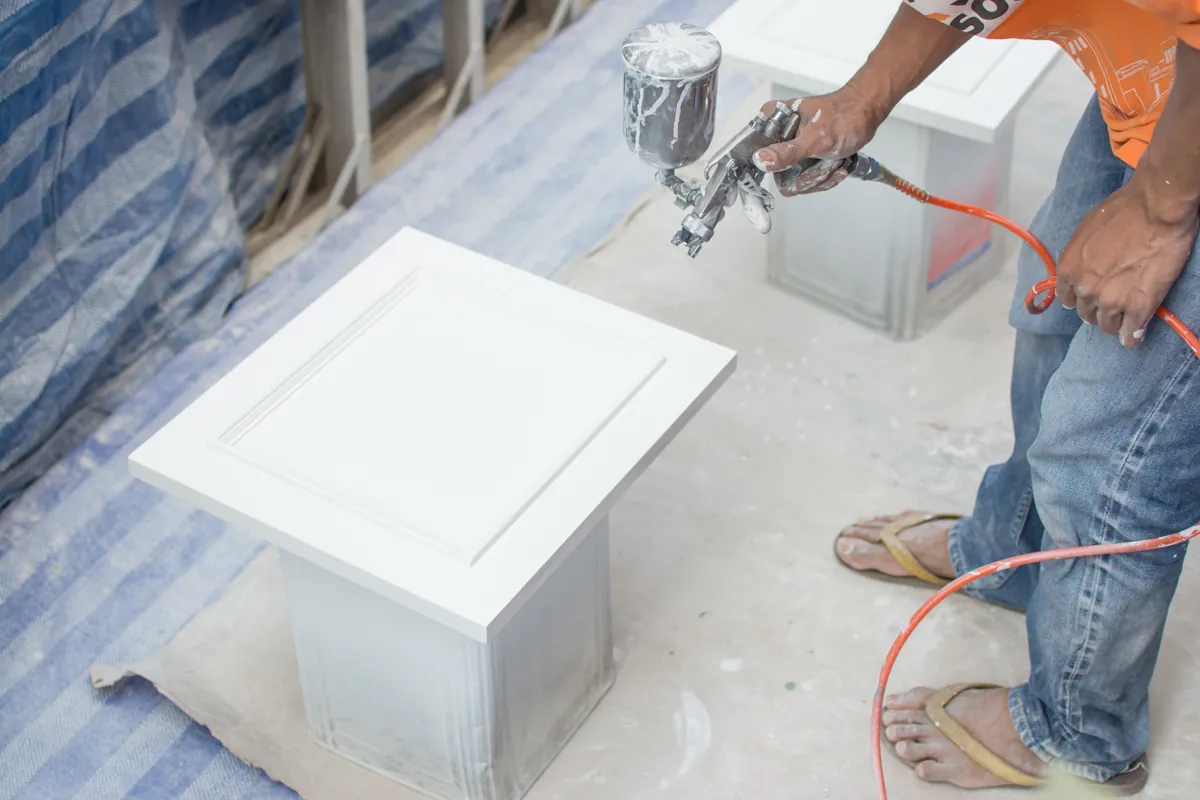
Our cabinet painting team handles degreasing, sanding, priming, and spraying for a durable, smooth finish. If you are refreshing walls throughout the home at the same time, pair it with our interior painting services.
If your home was built before 1978, the U.S. Environmental Protection Agency (EPA) Renovation, Repair and Painting Rule requires lead-safe work practices from certified firms when old painted cabinets or trim are sanded.
Answers to Common Questions About Kitchen Paint Colors for 2026
Is Alabaster a good white for kitchen cabinets?
Yes. Alabaster is a soft, warm white that looks inviting rather than stark. It works well on upper cabinets and walls, especially with wood, stone, and warm metal finishes.
What color cabinets go with Alabaster walls?
Evergreen Fog (SW 9130) is an excellent choice for the island and lower cabinets. Its calm, earthy green contrasts gently with Alabaster and adds color without darkening the kitchen.
Where should I use Urbane Bronze in a kitchen?
Use Urbane Bronze on accent details such as a range hood, shelving brackets, window trim, or a pantry door. Small doses add depth and a high-end, designer feel.
Should upper and lower cabinets be different colors?
A two-tone layout is a smart option in many kitchens. Lighter uppers keep the room open, while a mid-tone lower color grounds the space and hides scuffs.
How long does painted kitchen cabinetry take to cure?
Most cabinet enamels dry to the touch within a few hours but take longer to fully harden. Check the product label for recoat and cure times, and handle doors gently during the first weeks.
Paint manufacturers, including Sherwin-Williams, publish product data sheets with surface preparation, primer, and recoat requirements, and following them is the most reliable way to ensure cabinet coatings bond and cure properly.
Ready for Professional Kitchen Cabinet Painting?
Degreasing, priming, spraying cabinet enamel, and coordinating a three-color palette require skill and the right equipment. Let our experienced painting teams bring Alabaster, Evergreen Fog, and Urbane Bronze to your kitchen safely and efficiently.
Note: Pricing estimates are based on 2026 regional averages. Every home is unique, and final quotes require an on-site assessment to account for material costs, prep work, and structural conditions.
Contact the team at That 1 Painter today to schedule your detailed, obligation-free on-site estimate, and give your kitchen a fresh, designer-level finish. Book Your Free Professional Estimate Now
