By Mary C.
The best bathroom paint is a 100 percent acrylic or waterborne enamel coating containing EPA-registered antimicrobial fungicides, formulated in a satin, semi-gloss, or gloss finish. Bathrooms feature high relative humidity, frequent steam exposure, and direct water splashing, which cause standard flat wall paints to soften, blister, and support mold growth. Selecting a specialized moisture-resistant paint creates a non-porous protective barrier that repels water droplets and cleans easily without wearing down the finish.
Quick Reference Summary for Bathroom Paint Selection
Unlike living rooms or bedrooms, bathrooms require coatings engineered specifically to withstand thermal expansion, condensation, and chemical cleaners. Standard interior wall latex paints absorb ambient moisture, which leads to coating breakdown, peeling along drywall joints, and surfactant leaching. Utilizing high-performance bathroom paints preserves drywall integrity and eliminates frequent repainting cycles.
Regional building designs and local climate conditions influence how bathroom coatings perform over time. In high-humidity Southern regions, ambient moisture levels prevent wet paint film from drying quickly, requiring moisture-resistant paints with built-in mildewcides to stop fungal growth. In cold Northern climates, exterior bathroom walls experience thermal bridging, where warm interior steam hits cold drywall, forming heavy surface condensation that degrades inferior coatings. In poorly ventilated urban homes or older historic properties lacking exhaust fans, using high-solids waterborne enamels is critical to prevent moisture from penetrating behind wall substrates. Below is a comprehensive technical breakdown on choosing and applying the ideal bathroom paint.
- Recommended Paint Resin: 100 percent acrylic or waterborne urethane-alkyd enamel.
- Ideal Sheen Levels: Satin for moderate-use powder rooms; semi-gloss for full bathrooms and high-steam shower zones.
- Key Additives: EPA-registered fungicides and antimicrobials that actively prevent mold and mildew spore germination.
- Cure Time Before Shower Use: 24 hours minimum dry time; 48 to 72 hours recommended before introducing heavy steam.
What Factors Make a Paint Suitable for Bathrooms?
Bathrooms present a harsh indoor environment for architectural coatings due to steam, chemical exposure, and elevated temperatures. Technical evaluation standards from the Master Painters Institute (MPI) highlight several key requirements for high-humidity interior spaces.
Moisture Resistance and Water Repellency
Standard wall coatings use soft latex binders that absorb standing water droplets. Bathroom paints utilize tightly cross-linking acrylic resins that create a hydrophobic surface. This forces condensation to bead up on the paint film rather than soaking into the paper backing of the drywall.
Mildew Resistance and Fungicides
Steam creates an ideal environment for mold and mildew growth. Specialized bathroom paints incorporate EPA-registered mildewcides directly into the wet formula. Guidance from the Environmental Protection Agency (EPA) emphasizes controlling indoor moisture and using antimicrobial surface coatings to reduce fungal allergen accumulation.
Washability and Scrub Resistance
Soap scum, toothpaste, and bath products leave residue on bathroom walls. Bathroom coatings require high scrub-resistance ratings, allowing homeowners to clean surfaces with household disinfectants without burnishing or removing the paint sheen.
Before purchasing supplies for your bathroom project, review our guide on can you use old paint to ensure existing paint cans are still usable.
“Pro Tip 1: The Moisture Content Threshold Rule. Never apply paint or primer to bathroom drywall if internal moisture levels are elevated. Using a pinless moisture meter, scan the drywall around shower surrounds, baseboards, and exhaust vents before priming. Substrate moisture readings must register below 12 percent. Applying paint over drywall with elevated moisture traps water within the gypsum core, leading to blistering, peeling, and hidden mold growth behind the new paint film.”
What Sheen Is Best for Bathroom Walls?
Sheen selection determines a paint's moisture resistance, washability, and visual appearance on bathroom walls.
Flat and Matte Finishes
Flat and matte paints are porous and absorb water droplets. They trap soap scum and are difficult to clean without wearing away the finish. Standard flat coatings should never be used on full bathroom walls or ceilings subject to shower steam.
Satin Finish
Satin provides a low-luster finish with higher resin density than flat paint. It offers sufficient moisture resistance for powder rooms, guest bathrooms, or walls situated away from direct shower spray. Satin balances washability with a softer visual appearance that hides minor drywall flaws.
Semi-Gloss Finish
Semi-gloss is the industry standard for full bathrooms, kids' bathrooms, and high-use spaces. Its slick surface repels water, resists scrub wear, and cleans easily. While it highlights drywall imperfections more than satin, its durability against steam and moisture makes it the most reliable choice.
If your bathroom remodeling project involves updating vanity cabinets alongside wall painting, read our article on painting cabinets with doors for professional cabinet refinishing techniques.
“Pro Tip 2: Preventing Surfactant Leaching in High-Humidity Spaces. Waterborne acrylic paints contain water-soluble ingredients called surfactants. If steam or water droplets hit newly painted bathroom walls before the film fully cures, these surfactants extract to the surface, leaving shiny, sticky brown streaks. To prevent surfactant leaching, run a portable dehumidifier in the room for 48 hours after application, and keep the shower off for at least 3 days to allow the paint film to cross-link properly.”
Bathroom Paint Sheen Performance Comparison
This comparison breaks down average durability, moisture resistance, and ideal application zones for common paint finishes in bathroom environments.
If you are exploring cohesive interior design choices, such as painting bathroom walls, trim, and ceilings the same color, read our feature on what is color drenching.
For other exterior home maintenance topics, review our guide on can you clean limewashed brick. Learn more about our national painting standards at That 1 Painter.
- Flat / Matte: poor moisture resistance, low scrubbability. Ideal zone: powder room ceilings only. High maintenance.
- Eggshell: moderate moisture resistance, fair scrubbability. Ideal zone: low-use powder room walls. Moderate maintenance.
- Satin: high moisture resistance, good scrubbability. Ideal zone: guest bathrooms and vanity walls. Low maintenance.
- Semi-Gloss: excellent moisture resistance, superior scrubbability. Ideal zone: full bathrooms and shower surrounds. Very low maintenance.
- Gloss: maximum moisture resistance and scrubbability. Ideal zone: bathroom trim, baseboards and doors. Very low maintenance.
“Pro Tip 3: Alkali-Resistant Primer Barrier Application. Bathroom drywall near showers often absorbs ambient humidity, raising the pH level of the paper substrate. Applying standard interior primer over high-pH or previously repaired drywall can cause saponification, a process where alkali reacts with paint oils, causing the film to become sticky and fail. Always apply a dedicated, 100 percent acrylic, alkali-resistant stain-blocking primer over repaired or bare drywall sections prior to applying topcoats.”
How Do You Prepare Bathroom Walls for Paint?
Proper surface preparation is necessary to ensure long-term paint adhesion in high-moisture spaces.
1. Cleaning and Removing Soap Scum
Clean all wall surfaces with a mixture of warm water and a degreasing detergent or tri-sodium phosphate (TSP). Scrub areas around vanities, mirrors, and shower edges to eliminate hairspray, soap film, and skin oils. Rinse the walls with clean water and allow them to dry completely.
2. Treating Existing Mold and Mildew
If mold or mildew is present, do not simply paint over it. Wash the affected areas with a solution of 1 part household bleach to 3 parts water, or use an EPA-registered fungicidal cleaner. Allow the solution to sit on the surface for 15 minutes to kill active spores, scrub thoroughly, rinse, and let dry.
3. Repairing Drywall and Sanding
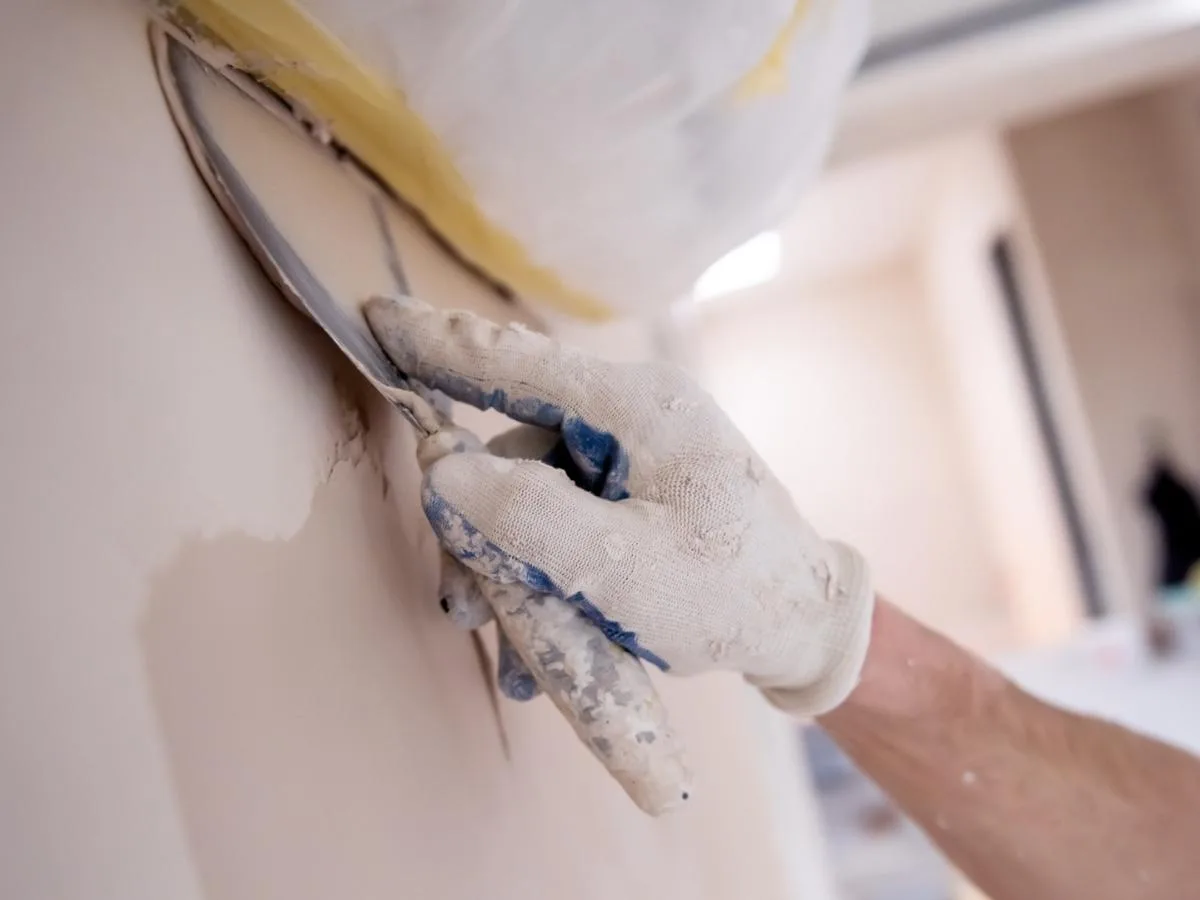
Fill nail holes, cracks, and gouges with a water-resistant setting-type joint compound. Standard lightweight spackling dissolves when exposed to heavy steam. Once cured, sand patches smooth with 220-grit sandpaper, vacuum away dust, and wipe walls down with a microfiber tack cloth.
If surface prep reveals soft, water-damaged drywall near tubs or baseboards, use our drywall repair services to restore structural integrity before painting.
Follow safety standards outlined by the Occupational Safety and Health Administration (OSHA) regarding personal protective equipment and ventilation when handling chemical cleaners or sanding compounds indoors.
Answers to Common Questions About Bathroom Paint
Is semi-gloss or satin better for bathrooms?
Semi-gloss is generally better for full bathrooms with showers because its tighter surface film repels steam and resists water absorption more effectively than satin. Satin works well in half-baths or powder rooms where steam accumulation is minimal.
Do I need a special primer for bathroom walls?
Yes, you should use a high-adhesion, moisture-resistant acrylic primer, especially over bare drywall patches, previously glossy surfaces, or areas prone to water splashing. A quality primer blocks stains, seals porosity, and prevents moisture from reaching the underlying substrate.
Can I use regular wall paint in a bathroom?
Using standard flat or low-quality interior wall paint in a full bathroom is not recommended. Regular wall paint absorbs moisture, which leads to peeling, water staining, surfactant leaching, and mold growth behind the coating film.
How long should paint dry before using the shower?
Wait at least 24 to 48 hours after applying the final coat of paint before using a steam shower. Exposing fresh paint to heavy humidity before it cures can cause water spotting, dulling of the sheen, or surface peeling.
What is the best paint for a bathroom ceiling?
The best paint for a bathroom ceiling is a specialized moisture-resistant satin or semi-gloss acrylic paint with built-in mildewcides. Avoid standard flat ceiling paints, as rising shower steam causes flat finishes to soften and support mold growth over time.
Ready for Professional Bathroom and Interior Painting Services?
Painting bathrooms requires meticulous surface cleaning, proper drywall repair, moisture testing, and applying specialized waterborne enamels. Let our professional painting teams update your interior spaces with smooth, durable, moisture-resistant finishes.
If you are planning home improvements beyond your bathroom, explore our complete range of interior house painting services and exterior house painting services.
Note: Pricing estimates are based on 2026 regional averages. Every home is unique, and final quotes require an on-site assessment to account for material costs, prep work, and structural conditions.
Contact That 1 Painter today to schedule your detailed, obligation-free on-site estimate and transform your home with professional-grade finishes. Book Your Free Professional Estimate Now
