By Norman R.
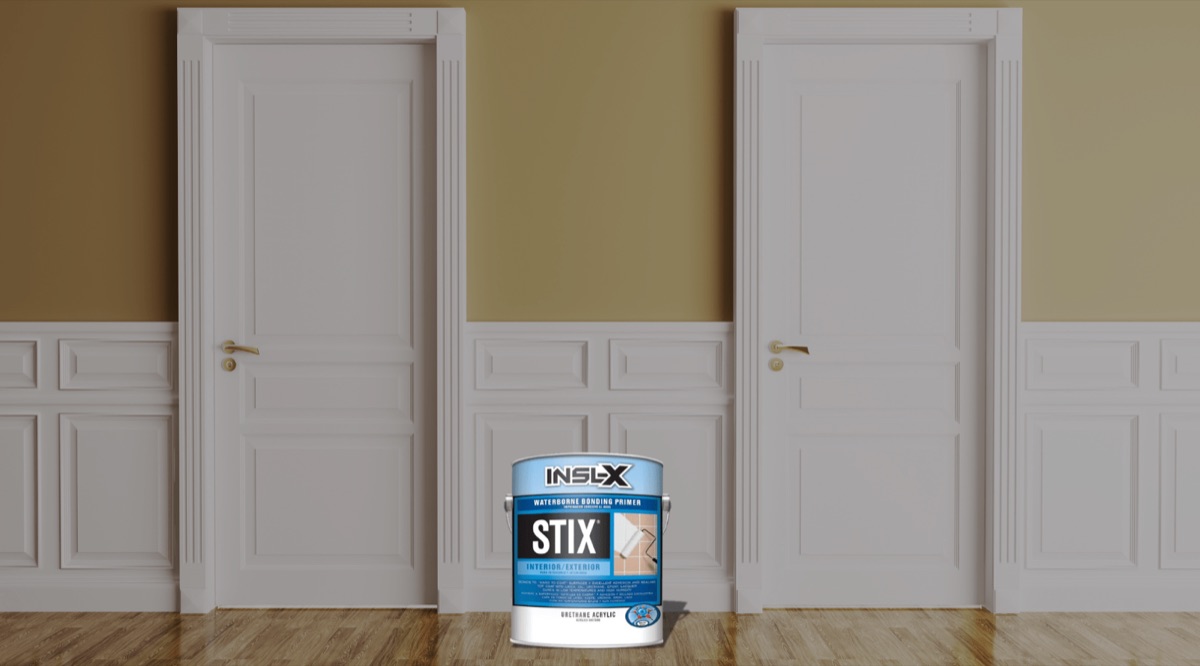
Let’s take a look at the pros and cons of STIX Bonding Primer, a favorite among DIY enthusiasts. It offers great adhesion and has a low odor, but there are a few things to consider before using it.
Introduction to STIX Bonding Primer
STIX Bonding Primer is a versatile, water-based primer designed for a variety of surfaces. Its unique formulation allows it to adhere to almost anything, making it a favorite among DIY enthusiasts.
Why Choose STIX?
This primer is particularly beneficial for projects where traditional primers may fail. Its low odor makes it suitable for indoor use, ensuring a pleasant working environment.
Key Features of STIX Bonding Primer
STIX Bonding Primer has several standout features that enhance its usability and effectiveness. Here are some key aspects to consider:
- Water-based formula
- Low odor for indoor projects
- Excellent adhesion on various surfaces
- Easy application process
- Quick drying time
Application Process: Getting Started
Starting your project with STIX Bonding Primer is straightforward. Follow these steps to ensure a smooth application:
- Prepare the surface by cleaning it.
- Scuff sand glossy finishes.
- Apply the primer evenly using a sprayer or brush.
- Allow adequate drying time before topcoating.
Testing on Varnished Wood
Preparation is key for optimal results when using STIX on varnished wood. This includes scuff sanding the surface to improve adhesion.
Steps for Testing
Here’s how to effectively test STIX on varnished wood:
- Identify the type of varnish.
- Sand the surface lightly.
- Apply the primer and observe adhesion.
- Check for any peeling or bubbling.
Adhesion Performance
STIX Bonding Primer is renowned for its exceptional adhesion capabilities. It sticks well to various surfaces, making it a reliable choice for many projects.
Why Adhesion Matters
Effective adhesion ensures long-lasting results. This primer bonds securely, reducing the chances of peeling or chipping over time.
Limitations in Filling Wood Grain
While STIX excels in adhesion, it has limitations when it comes to filling wood grain. It may not completely fill larger gaps or imperfections.
Considerations for Wood Surfaces
When using STIX on wood, keep these points in mind:
- Not ideal for deep wood grain
- May require additional filler
- Surface prep is crucial for the best results
Tannin Bleed Issues
Tannin bleed is a common issue when painting over certain wood types. It occurs when tannins in the wood surface seep through the primer, leading to discoloration.
Identifying Tannin Bleed
Look for yellowing spots after applying STIX. These indicate that tannins are coming through the primer.
- Common in cedar and redwood
- Can affect the final appearance
- Requires additional treatment
Comparison with Oil-Based Primers
When considering STIX Bonding Primer, it’s essential to compare it with oil-based primers. Each type has its advantages and disadvantages.
Advantages of Oil-Based Primers
Oil-based primers are known for their excellent sealing properties and ability to prevent tannin bleed effectively.
- Better for preventing bleed through
- Durable finish on porous surfaces
- Longer drying times
Drawbacks of Oil-Based Primers
Oil-based primers have downsides, such as higher odor and longer clean-up processes. More drawbacks include:
- Stronger fumes during application
- Longer drying time
- Requires solvents for cleanup
Recommendations for DIY-ers
STIX Bonding Primer is an excellent choice for DIY enthusiasts. Here are some tips to maximize its effectiveness:
Application Tips
Consider these practical steps when using STIX:
- Use a sprayer for a smooth finish.
- Brush for detailed areas.
- Ensure good ventilation while applying.
Surface Preparation
Proper surface preparation is crucial for optimal adhesion:
- Clean surfaces thoroughly.
- Lightly sand glossy finishes.
- Test on a small area first.
Final Thoughts on STIX Bonding Primer
STIX Bonding Primer is a reliable product that excels in adhesion and ease of use. While it has some limitations, such as not filling wood grain, its benefits outweigh the drawbacks for many projects.
Overall Impression
This primer is beneficial for indoor applications due to its low odor. DIY-ers can appreciate its versatility and performance across various surfaces.
FAQs About STIX Bonding Primer
Here are some frequently asked questions to help you understand STIX Bonding Primer better.
What Surfaces Can STIX Be Used On?
STIX is highly versatile and can adhere to a wide range of surfaces, including wood, metal, drywall, plaster, PVC, and even glossy surfaces like tile and glass. Its strong adhesion properties make it a go-to choice for challenging substrates.
Is STIX Suitable for Outdoor Use?
Yes, STIX is suitable for outdoor use. It provides excellent adhesion and durability on exterior surfaces. However, proper surface preparation is crucial to ensure optimal performance. Make sure to clean and prime the surface adequately before applying STIX.
How Long Does It Take to Dry?
STIX typically dries to the touch in about 30 minutes under normal conditions. However, it’s best to wait at least 3-4 hours before applying a topcoat to ensure it has dried thoroughly and achieved maximum adhesion.
Can I Paint Over STIX?
Absolutely! You can paint over STIX once it has dried completely. It creates a strong, smooth base that enhances the adhesion and appearance of your topcoat, making it suitable for both latex and oil-based paints.
If you need a primer that guarantees exceptional adhesion and sets the foundation for a flawless finish, Stix® Bonding Primer is your go-to solution. Designed to stick to even the most challenging surfaces, like glossy tile, PVC, glass, or metal, Stix® delivers unbeatable bonding strength for both interior and exterior projects. It dries to a hard, smooth finish, making it the perfect base coat for a wide range of topcoats, including latex, acrylic, and alkyd paints.
At That 1 Painter, we rely on the power of Stix® to ensure every paint job starts strong. Our professional painters know how to apply this primer with expert care, giving your surfaces maximum adhesion, improved durability, and a seamless base for vibrant, long-lasting color. Whether we’re prepping tricky kitchen cabinets or tackling slick exterior trim, we trust Stix® to get the job done right, every time.
Curious how Stix® performs in real-life projects? Check out our YouTube channel for behind-the-scenes footage, pro-level tutorials, and side-by-side paint comparisons. Be sure to subscribe so you never miss a transformation!
Ready to get your surfaces primed and paint-ready with the unmatched grip of Stix® Bonding Primer? Contact us today for a free estimate and let us help you lay the groundwork for a stunning, professional-grade finish that lasts
