By Robert R.
Paint and primer in one is a high-solids paint that can act as its own base coat on surfaces already in good condition. It is formulated with more resin and pigment than standard paint, so it builds a thicker film, bonds well to sound painted surfaces, and covers in fewer coats. It does not always replace a separate primer. On clean, previously painted walls in a similar or lighter color, it works very well. On new drywall, stains, flaking paint, or dramatic color changes, a dedicated primer is still the right first step.
The label causes a lot of confusion. Many homeowners assume "paint and primer in one" means they never need primer again. That assumption leads to blotchy finishes, bleed-through stains, and peeling paint on surfaces that needed more help than the paint could give.
Regional weather shifts, indoor humidity levels, and local building materials all influence how self-priming paints perform. In humid Southern coastal climates, moisture-prone bathrooms and kitchens often develop mildew and water stains that require a stain-blocking primer before any self-priming topcoat. In high-altitude Western regions with dry air, fast-drying paint can leave lap marks and uneven sheen over porous patches that were not primed first. In historic Northern properties subject to winter freeze-thaw cycles, older plaster walls and oil-based trim often need a bonding primer that a paint-and-primer product cannot fully replace. Below is a complete technical guide explaining what paint and primer in one is, when it works, and when you still need a separate primer.
Quick Reference Summary for Paint and Primer in One
- Core Definition: A thicker, high-solids paint that can serve as its own first coat on sound, previously painted surfaces.
- Best Use Cases: Clean walls already painted, in good condition, and repainted in a similar or lighter color.
- Primary Advantage: Good adhesion and coverage on standard repaints, often saving a full coat of labor.
- Still Use Primer For: Flaking or peeling paint, very dark colors, stains, new drywall, raw surfaces, and surfaces needing extra adhesion.
- Bottom Line: Great for standard repainting projects, but tricky surfaces still need a dedicated primer.
What Does Paint and Primer in One Actually Mean?
Traditional primer and paint do different jobs. Primer is designed to seal porous surfaces, block stains, and create a uniform base that the topcoat can grip. Paint is designed for color, sheen, washability, and long-term appearance. A paint-and-primer product tries to combine some of those jobs in a single can.
Manufacturers do this by increasing the solids content. More resin improves adhesion and sealing. More pigment improves hide. The result is a thicker paint that covers a previously painted wall in fewer coats. Products like Sherwin-Williams SuperPaint are marketed as paint and primer in one and are common choices for standard interior repaints. Read our SuperPaint review for a closer look at how one performs on real walls.
What these products do not do is change chemistry. A latex paint-and-primer is still a latex paint. It will not block tannin bleed or water stains the way a shellac or oil-based stain blocker does. It will not seal raw drywall paper as evenly as a dedicated drywall primer. And it will not bond to glossy oil-based trim the way a true bonding primer will.
“Pro Tip 1: Think of It as "Self-Priming," Not "Primer-Free". The most accurate way to read the label is "this paint can prime surfaces that are already in good shape." The first coat acts as the base, and the second coat delivers the final color and sheen. You still typically need two coats. You just skip the separate primer step on surfaces that do not need it.”
When Does Paint and Primer in One Work Best?
Paint and primer in one shines on routine repainting jobs. It is the right choice when every one of these conditions is true:
- The wall is already painted. A sound existing paint film gives the new coat a stable, sealed surface to grip.
- The surface is clean and in good condition. No flaking, peeling, chalking, grease, or mildew. Light scuffs and minor nail holes that have been filled and spot-primed are fine.
- You are painting over a similar or lighter color. Going from beige to a soft gray, or from a medium tone to a lighter one, is where these products perform best.
- You need good adhesion and coverage. The higher solids content helps the paint grip and hide in fewer coats than a basic contractor-grade paint.
For most living rooms, bedrooms, and hallways that were painted within the last decade, this describes the job. If you are planning a standard refresh, our interior painting team uses self-priming products where they make sense and dedicated primers where they do not.
When Should You Still Use a Separate Primer?
Some surfaces need more than a self-priming paint can deliver. In these situations, skipping a dedicated primer usually costs more time and paint in the long run:
- Flaking or Peeling Paint: Scrape and sand the loose paint, then prime. New paint will only stay as long as the layer beneath it.
- Very Dark Paint Colors: Covering a deep red, navy, or charcoal with a light color can take three or more coats without primer. A tinted primer cuts that down.
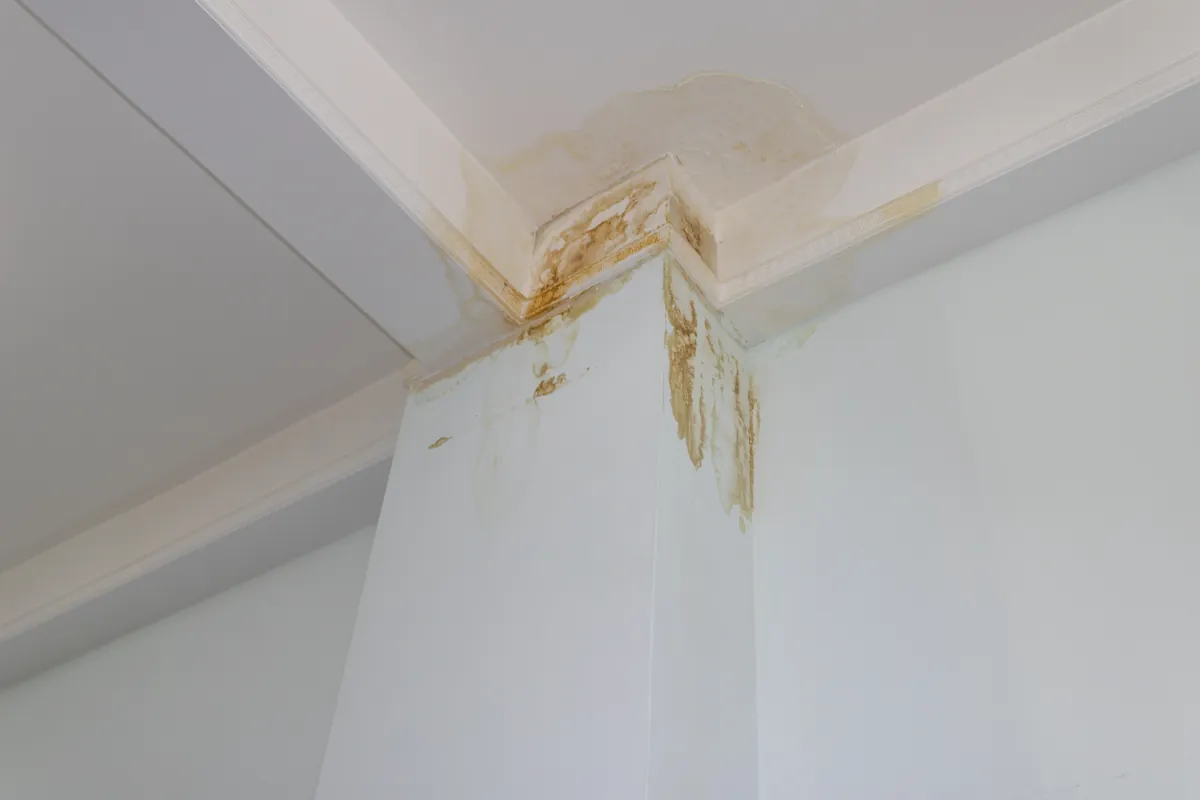
- Stains or Problem Areas: Water stains, smoke, marker, and tannin bleed come right through latex paint. Use a dedicated stain-blocking primer.
- New Drywall or Raw Surfaces: Bare drywall paper and joint compound absorb paint at different rates, causing flashing. A drywall primer seals them evenly.
- Surfaces That Need Extra Adhesion: Glossy trim, old oil-based paint, laminate, tile, and metal need a bonding primer.
For a deeper look at the types of primers and when each one fits, read our guide to specialty primers.
Standards from the Master Painters Institute (MPI) treat primers and finish coats as separate product categories, which is why stain-blocking, bonding, and new-drywall primers are still needed on difficult surfaces.
Technical Comparison of Paint and Primer in One vs. Dedicated Primer
This reference table compares surface conditions and the recommended first coat for each.
- Sound painted wall, similar color: Works well. Not needed. Two coats of self-priming paint.
- Dark color to light color: Struggles with hide. Tinted primer helps. Prime, then two finish coats.
- Water or smoke stains: Bleeds through. Stain blocker required. Spot-prime or full prime first.
- New drywall or patches: Flashing risk. Drywall primer seals evenly. Prime, then two finish coats.
- Glossy or oil-based trim: Poor adhesion. Bonding primer required. Scuff-sand, bond-prime, then paint.
- Peeling or flaking paint: Fails with old layer. Prime after scraping. Scrape, sand, prime, then paint.
How Do You Use Paint and Primer in One Correctly?
Follow this process to get the best results from a self-priming paint on a standard repaint:
- Inspect the Surface: Look for peeling, stains, cracks, and glossy patches under raking light. Note any area that needs a dedicated primer.
- Repair and Spot-Prime: Fill nail holes and dings, sand them smooth, and spot-prime the patches. If cracks or holes are larger, our drywall repair service can handle them first.
- Clean the Walls: Wipe away dust, cobwebs, and kitchen grease. Paint will not bond well over dirt or oil.
- Cut In and Roll the First Coat: Apply the first coat evenly. On a self-priming repaint, this coat serves as your base.
- Let It Dry Fully: Follow the label's recoat time, typically 2 to 4 hours for interior latex under normal conditions.
- Apply the Second Coat: The second coat delivers full color depth, uniform sheen, and long-term durability.
“Pro Tip 2: Spot-Prime Patches Even When Using Self-Priming Paint. Joint compound and spackle are far more porous than the painted wall around them. Even a high-solids paint can leave dull "halos" over patches, a defect called flashing. Spot-prime every patch with a dedicated primer before your first full coat, and the final finish will look uniform.”
A simple tape adhesion test, based on methods from ASTM International, helps you confirm the existing paint is sound before you rely on a self-priming product.
What Are the Most Common Paint and Primer in One Mistakes?
- Using It on New Drywall: Bare drywall paper and mud soak up paint unevenly. The finish looks blotchy no matter how many coats you add.
- Expecting One-Coat Coverage: Self-priming paint still typically needs two coats for full hide and even sheen.
- Painting Over Stains: Latex paint-and-primer products do not reliably block water, smoke, or tannin stains.
- Skipping Surface Prep: No paint can bond to peeling layers, grease, or glossy enamel without cleaning and scuff-sanding.
“Pro Tip 3: Do a Tape Test Before Trusting Self-Priming Paint. Paint and primer in one cannot fix a failing paint layer underneath. Clean a small spot, press a strip of painter's tape firmly onto the existing paint, wait a minute, and pull it off quickly. If flakes of old paint come off on the tape, scrape and sand the loose areas and use a dedicated bonding primer before painting. If the tape comes away clean, the surface is ready for self-priming paint.”
Answers to Common Questions About Paint and Primer in One
Is paint and primer in one as good as using a separate primer?
On a clean, previously painted wall in a similar color, yes, it performs very well. On stains, dark colors, new drywall, or glossy surfaces, a dedicated primer does a better job. The surface determines the answer.
Do you still need two coats with paint and primer in one?
In most cases, yes. The first coat acts as the base and the second coat delivers the final color and sheen. One coat may look acceptable wet but often dries thin or uneven.
Can paint and primer in one cover a dark color?
It can, but it usually takes extra coats. Going from a deep color to a light one is faster and cheaper with a tinted primer first. That approach saves paint and labor overall.
Can you use paint and primer in one on new drywall?
It is not recommended. New drywall paper and joint compound absorb paint at different rates. A dedicated drywall primer seals the surface evenly so the finish coats look uniform.
Is paint and primer in one more expensive?
It typically costs more per gallon than basic paint because of its higher solids content. On the right surfaces, it can save money by eliminating a separate primer coat.
Manufacturer technical data sheets (TDS) list the surfaces each product is approved for, and checking them before you buy is the surest way to know whether a self-priming paint fits your project.
Ready for Professional Interior Painting and Surface Prep?
Knowing when a self-priming paint is enough and when a surface needs a dedicated primer takes experience. Let our experienced painting teams prep, prime, and paint your walls the right way the first time.
Note: Pricing estimates are based on 2026 regional averages. Every home is unique, and final quotes require an on-site assessment to account for material costs, prep work, and structural conditions.
Contact the team at That 1 Painter today to schedule your detailed, obligation-free on-site estimate, and get a smooth, long-lasting finish without guesswork. Book Your Free Professional Estimate Now
