By Norman R.
Yes, you can paint latex over oil-based primer, and it is actually very common. Oil-based primer is designed to seal tough surfaces and create a strong base for the finish coat. Once the primer is fully dry and cured, latex paint bonds to it without any issues. The key is making sure the primer is completely dry, and lightly scuff sanding it if it has cured hard and slick.
Many homeowners confuse this question with painting latex over oil-based paint, which is a different situation. Old oil-based paint is a glossy, hardened finish that latex struggles to grip. Oil-based primer is built with a lower sheen and a surface designed to accept topcoats. Treating the two the same way leads to either skipped prep or unnecessary work.
Regional weather, humidity, and local building materials influence how oil-based primer dries and how soon latex can go on top. In humid Southern coastal climates, high moisture slows solvent evaporation, so oil primers often need extra time before they are ready for a topcoat. In high-altitude or arid Western regions, dry air speeds surface drying, but the primer can still be soft underneath, so following the full label recoat time matters. In Northern freeze-thaw regions, cool interior and exterior temperatures stretch drying times on trim, doors, and stain-prone wood. Below is a complete technical guide to painting latex over oil-based primer for a solid, long-lasting system.
Quick Reference Summary for Latex Over Oil-Based Primer
- Core Answer: Latex paint bonds well to oil-based primer once the primer is fully dry and cured.
- Tacky Primer Rule: If the primer still feels tacky or soft, wait. Do not apply latex over uncured primer.
- Slick Primer Rule: If the primer has cured hard and feels slick, lightly scuff sand before applying the latex topcoat.
- Timing Standard: Follow the recoat time printed on the primer label, adjusting for temperature and humidity.
- Best Use Cases: Stain blocking, bare wood, tannin-rich wood, water-damaged drywall, and previously oil-painted trim.
Why Does Latex Paint Bond to Oil-Based Primer?
Oil-based primers use alkyd resins that soak into porous surfaces and dry into a hard, sealed layer. That layer locks down stains, tannins, and chalky substrates. It also creates a uniform surface for the topcoat.
Primers are formulated with a low sheen and enough surface texture for paint to grip. That is the main difference from oil-based finish paint, which dries glossy and smooth. Latex topcoats flow onto primer and form a mechanical bond with its surface.
Adhesion depends on timing as much as chemistry. Oil-based primer dries in two stages. First, the solvent evaporates and the film feels dry. Then the resin slowly hardens as it reacts with oxygen in the air. Latex applied during the first stage sits on a soft, moving layer. Latex applied long after the second stage sits on a hard, smooth shell. The best window falls between those extremes, and the label recoat time tells you where it starts.
This combination gives you the best of both products. The oil primer delivers sealing and stain blocking. The latex topcoat delivers easy cleanup, lower odor, color retention, and flexibility. To understand where each primer type fits best, read our guide on oil-based vs. water-based primers.
“Pro Tip 1: Test Dryness With a Fingernail, Not a Fingertip. A primer can feel dry to a light touch while staying soft underneath. Press a fingernail gently into an inconspicuous spot. If it leaves a dent or feels gummy, the film needs more time. Fully dry primer feels firm and does not mark.”
Standards from the Master Painters Institute (MPI) define primer and topcoat categories so painters can match compatible products, which is why oil-based primer under latex paint is an accepted system.
When Should You Use Oil-Based Primer Under Latex Paint?
Oil-based primer is not required for every project. Most clean drywall and previously latex-painted walls only need a quality water-based primer or none at all. Oil-based primer earns its place on surfaces that latex primers struggle to seal.
- Stained or Tannin-Rich Wood: Oak, cedar, redwood, and previously stained trim release tannins that bleed through latex paint as yellow or brown spots. Oil-based primer locks those tannins in place.
- Water Stains and Smoke Damage: Old water rings, nicotine, and smoke residue can wick through water-based coatings. Oil-based stain-blocking primers seal those marks before the latex topcoat.
- Previously Oil-Painted Trim and Doors: Older homes often have oil-based enamel on trim. After cleaning and sanding, an oil-based or bonding primer creates a compatible bridge for latex. Learn more about this transition in our article on what bonding primer is and when to use it.
- Bare Wood and Exterior Repairs: Some exterior bare wood and patched areas benefit from the deep penetration of oil-based primers. Always check the topcoat label for primer recommendations.
- Knotty Pine and Resinous Softwoods: Knots in pine and fir contain resin that can stain through latex for months. Oil-based or shellac-based primers seal knots more reliably than standard water-based primers. Spot-prime visible knots before the full primer coat.
If you are unsure which primer your project needs, review our guide on what kind of primer to use before painting.
Technical Comparison of Primer and Topcoat Combinations
This reference table shows which primer and topcoat combinations work and what prep each one requires.
- Oil-based primer: Latex paint. Yes. Full dry time; scuff sand if hard and slick.
- Oil-based primer: Oil-based paint. Yes. Follow label recoat time.
- Water-based primer: Latex paint. Yes. Follow label recoat time.
- Shellac-based primer: Latex paint. Yes. Follow label recoat time; scuff if slick.
- No primer over old oil-based paint: Latex paint. No. Clean, scuff sand, and apply bonding primer first.
How Do You Paint Latex Over Oil-Based Primer Step by Step?
Follow this professional process for a durable latex topcoat over oil-based primer:
- Prepare and Prime the Surface: Clean, patch, and sand the substrate. Apply oil-based primer evenly, avoiding heavy buildup in corners and profiles.
- Read the Label Recoat Time: Oil-based primers vary widely. Some fast-drying formulas accept a topcoat within a few hours, while standard alkyd primers can need overnight or longer.
- Allow Extra Time in Poor Conditions: Cool temperatures, high humidity, and thick coats all slow drying. Add time rather than rushing.
- Check for Tackiness: Touch an inconspicuous area. If the primer feels sticky or soft, wait and check again later.
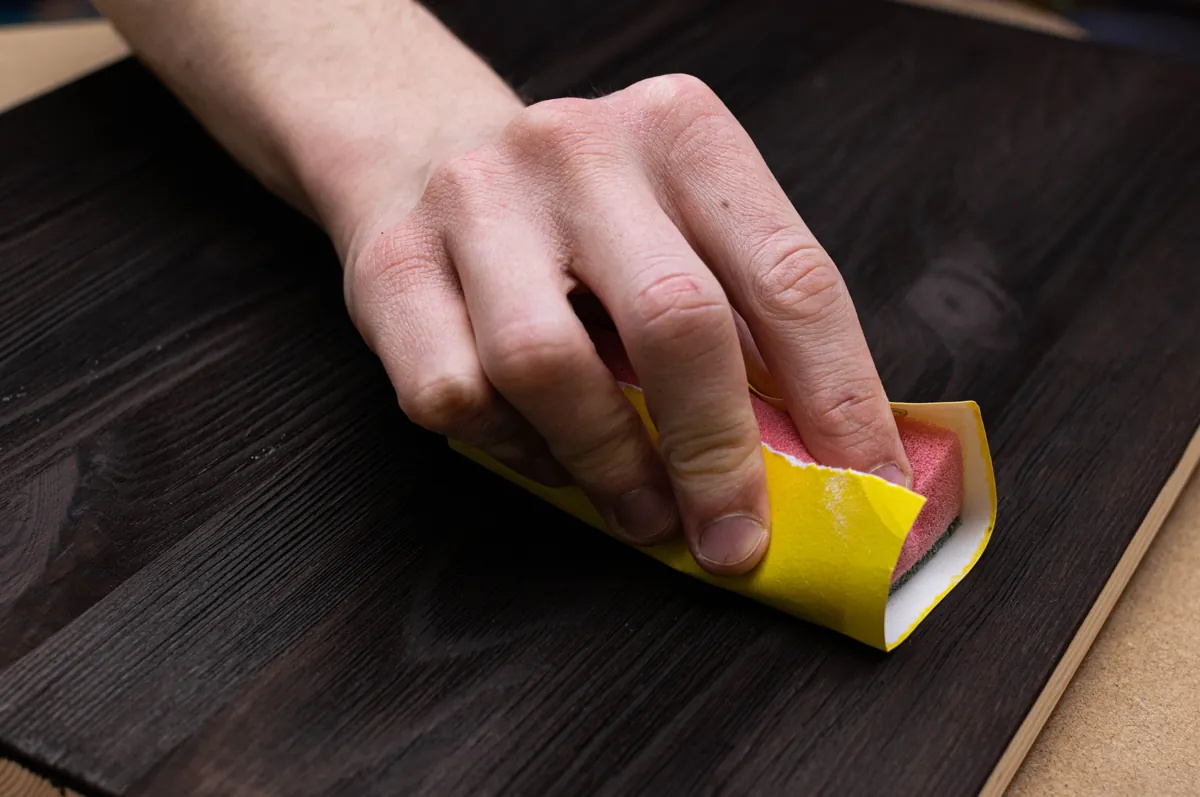
- Scuff Sand if Needed: If the primer has cured hard and feels slick, lightly sand with fine-grit sandpaper or a sanding sponge. You only need to dull the surface.
- Remove All Dust: Vacuum, then wipe with a damp microfiber cloth or tack cloth. Let any damp areas dry fully.
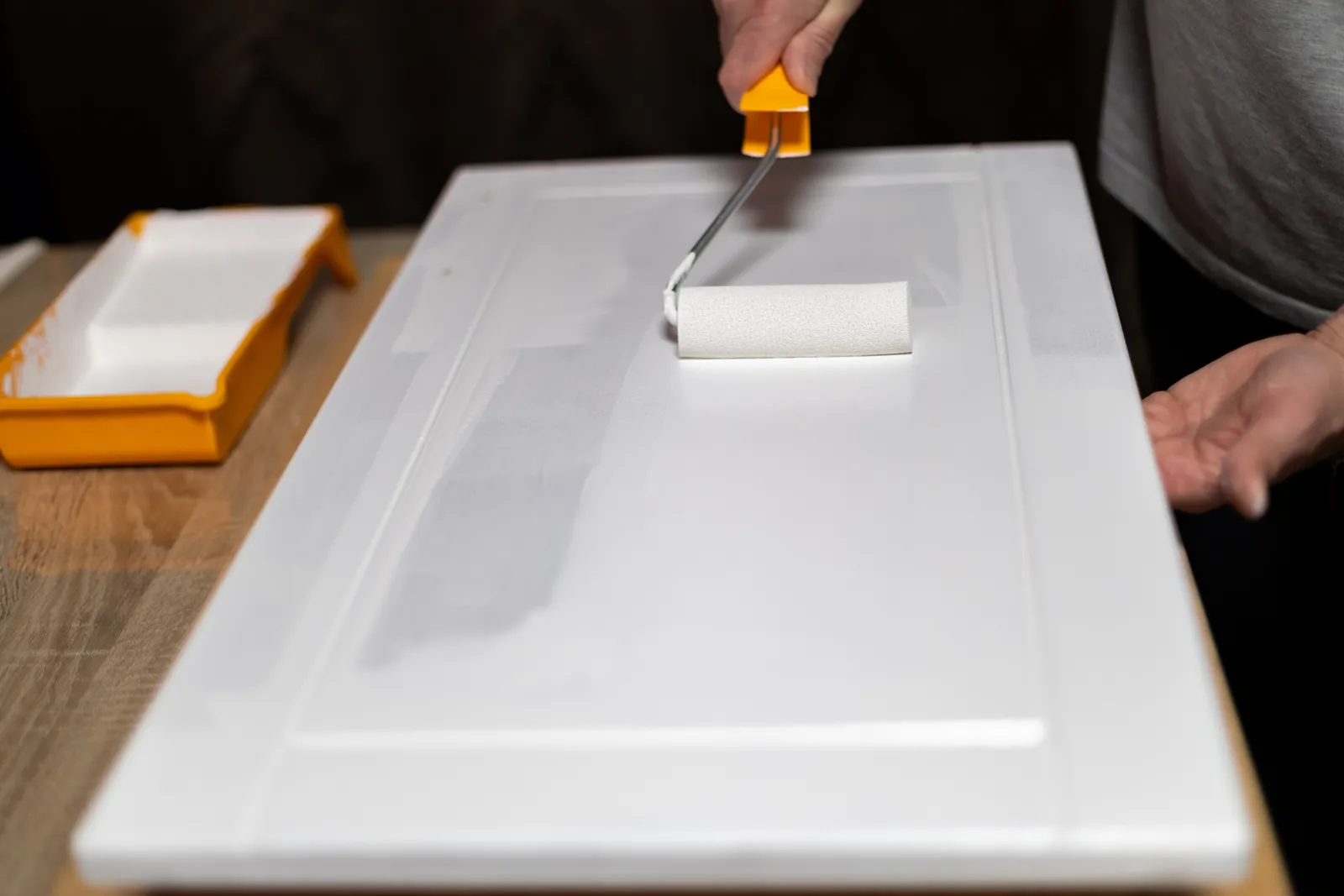
- Apply the Latex Topcoat: Use a quality latex paint and apply two even coats, following the paint label for recoat timing.
“Pro Tip 2: Do Not Over-Sand Primer. The goal of scuff sanding is a dull, even surface, not bare substrate. Sanding through the primer exposes stains or tannins you just sealed. If you break through to bare wood or a stain, spot-prime that area again before the topcoat.”
If your trim and doors need a smooth, factory-like finish, our cabinet painting and interior painting teams use primer systems matched to each surface.
Not sure whether an older surface is oil primer or old oil paint? Wipe a small area with a cotton ball dampened with denatured alcohol. Latex softens and transfers color, while oil-based coatings do not. If the surface is oil-based and glossy, treat it as oil paint. Clean it, scuff sand it, and apply a bonding primer before the latex topcoat.
A tape adhesion test based on methods from ASTM International helps confirm the primer has bonded before you apply latex topcoats.
What Are the Most Common Mistakes When Painting Latex Over Oil Primer?
Avoiding these errors keeps your latex topcoat bonded for years:
- Painting Over Tacky Primer: Latex applied over soft primer can wrinkle, crack, or stay soft. Wait until the primer is firm.
- Skipping the Scuff Sand on Hard Primer: Oil primer left for a long time before painting can cure slick. A quick scuff restores grip.
- Confusing Oil Primer With Oil Paint: Latex directly over old oil-based finish paint will peel. That surface needs cleaning, sanding, and bonding primer.
- Leaving Sanding Dust Behind: Dust trapped under the topcoat creates rough texture and weak adhesion.
- Ignoring Ventilation: Oil-based primers release solvent vapors. Keep windows open and airflow moving during priming and drying.
“Pro Tip 3: Use a Waterborne Enamel on Trim and Doors. Once oil-based primer has cured, the topcoat choice matters as much as the primer. On doors, trim, and cabinets, choose a waterborne alkyd or urethane-modified acrylic enamel instead of standard wall paint. These enamels level out to a smoother finish, cure harder, and resist blocking, so doors are less likely to stick to stops and weatherstripping.”
Oil-based primers release strong solvent vapors, so follow Occupational Safety and Health Administration (OSHA) guidance on ventilation and respiratory protection when using them indoors.
Answers to Common Questions About Latex Over Oil-Based Primer
How long should oil-based primer dry before latex paint?
Follow the recoat time on the primer label. Fast-drying oil primers may allow topcoating within a few hours, while standard alkyd primers often need overnight. Cool or humid conditions extend that time.
Do you have to sand oil-based primer before painting latex?
Not always. Freshly dried primer usually accepts latex without sanding. If the primer has cured hard and feels slick, lightly scuff sand it to improve adhesion.
Will latex paint peel off oil-based primer?
Latex will not peel when the primer is fully dry, clean, and dull. Peeling usually happens when latex goes over tacky primer, dusty surfaces, or old glossy oil-based paint without prep.
Can you use oil-based primer on walls before latex paint?
Yes. It is a common choice for sealing water stains, smoke damage, and other marks that bleed through water-based coatings. For clean, undamaged drywall, a water-based primer is usually sufficient.
What do you clean oil-based primer brushes with?
Clean oil-based primer from brushes with mineral spirits or the solvent listed on the label. Latex topcoat tools clean up with warm water and mild soap.
Product technical data sheets (TDS) from coating manufacturers list exact dry times, recoat windows, and approved topcoats for each primer.
Ready for Professional Priming and Painting?
Selecting the right primer, timing recoats, and building a lasting paint system require technical skill and patience. Let our experienced painting teams prime and paint your walls, trim, and doors correctly the first time.
Note: Pricing estimates are based on 2026 regional averages. Every home is unique, and final quotes require an on-site assessment to account for material costs, prep work, and structural conditions.
Contact the team at That 1 Painter today to schedule your detailed, obligation-free on-site estimate, and get a primer and paint system built to last. Book Your Free Professional Estimate Now
