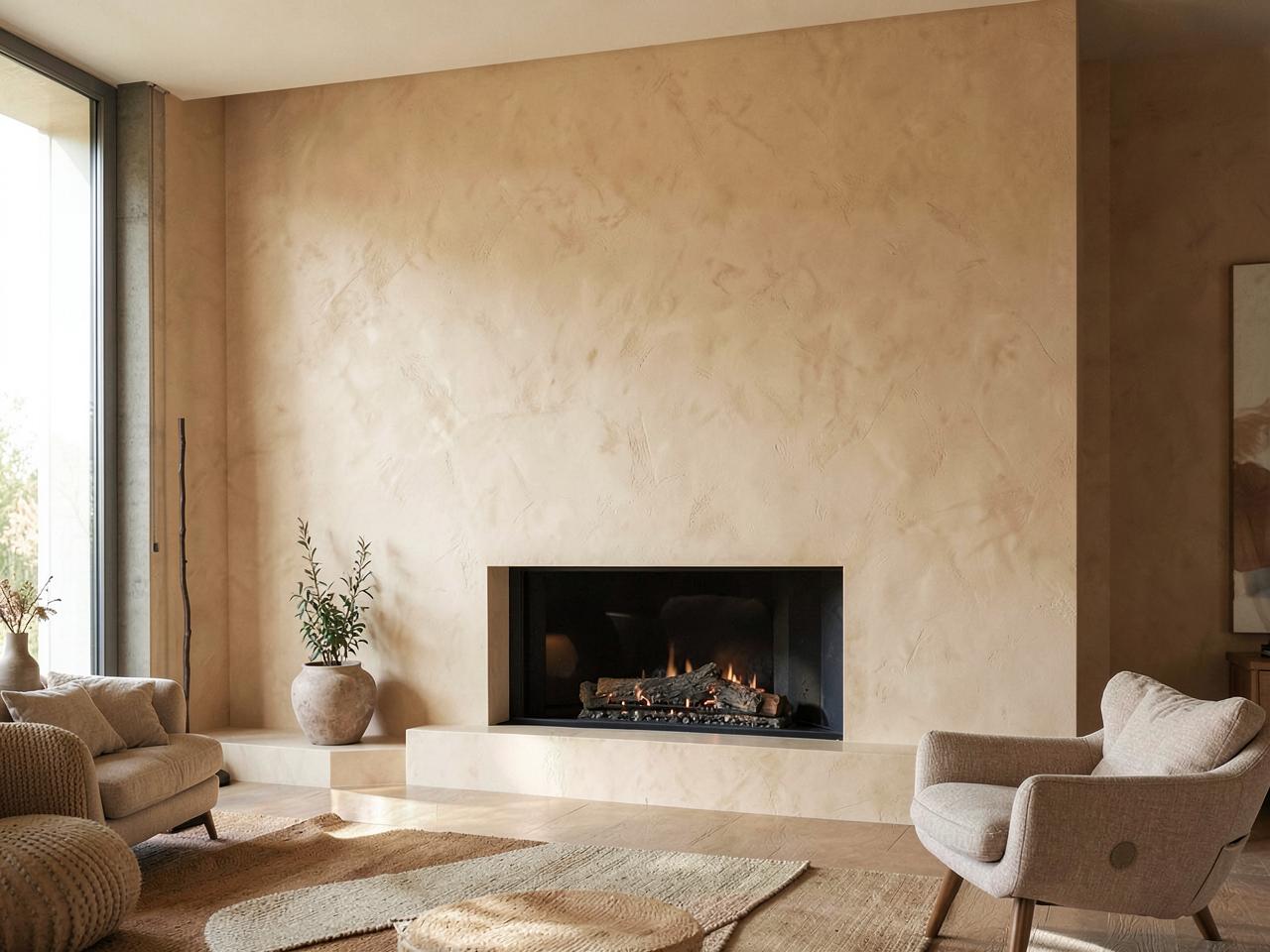
Specialty Paints and Coatings
Microcement, Limewash, Roman Clay, and Moroccan Clay in Orange, CA
Specialty Finishes We Install
That 1 Painter Orange is a specialty coatings contractor installing microcement, limewash, Roman clay, and Moroccan clay tadelakt plaster for homeowners across Orange, Anaheim Hills, Santa Ana, Tustin, and Villa Park. Specialty coatings behave differently from paint: they cure into the wall, breathe with the substrate, and are troweled on by hand rather than rolled, so surface prep, product selection, and the applicator all matter. As a certified Romabio and Meoded installer, That 1 Painter Orange handles decorative plaster walls, Venetian and lime plaster looks, seamless microcement shower and floor systems, and interior and exterior limewash on brick and stucco. Below is what each finish is, where it belongs in an Orange County home, and the vendors we specify.

Your Specialty Coatings Project, From Consultation to Completion
Specialty finishes are installed, not rolled on. Here is how a plaster or mineral coating project runs from first sample to final seal.
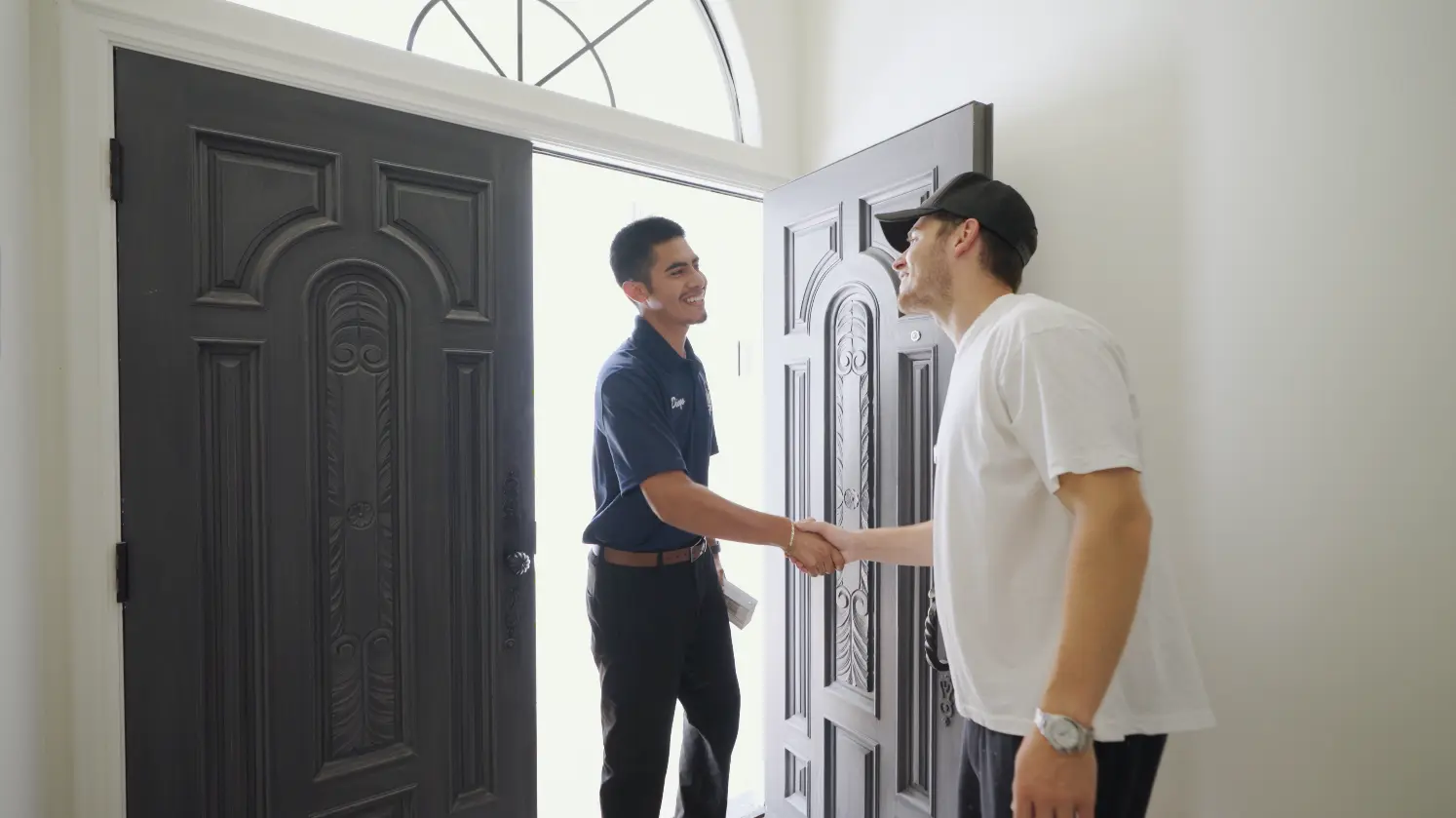
We walk the space, check the substrate, and leave physical sample boards on your walls so you can see how each finish reads under your own lighting before anything is ordered.
In-home consultation and samples. We walk the space, check the substrate, and leave physical sample boards on your walls so you can see how each finish reads under your own lighting before anything is ordered.
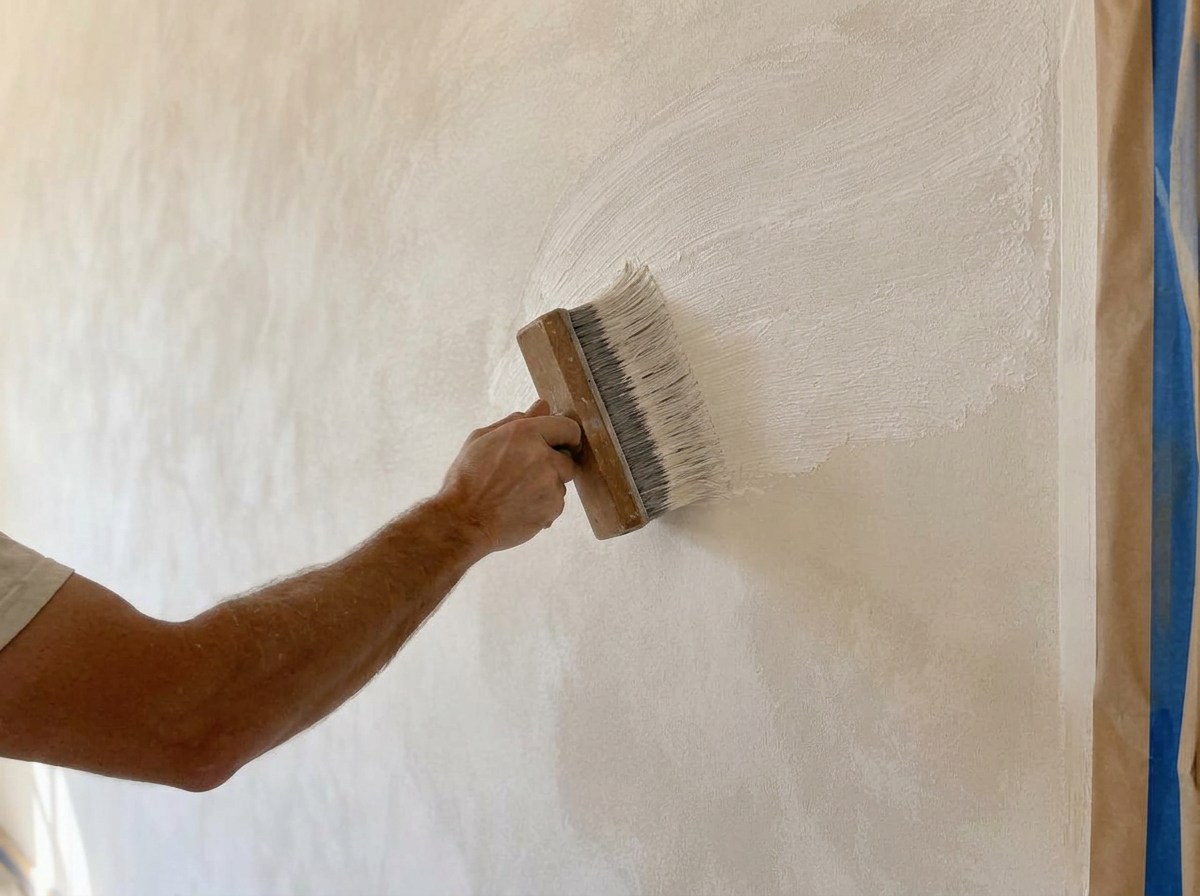
Specialty plaster only performs on a sound surface. We repair, level, and prime with the manufacturer-specified bonding primer so the finish cures into the wall instead of sitting on top of it.
Substrate prep and priming. Specialty plaster only performs on a sound surface. We repair, level, and prime with the manufacturer-specified bonding primer so the finish cures into the wall instead of sitting on top of it.
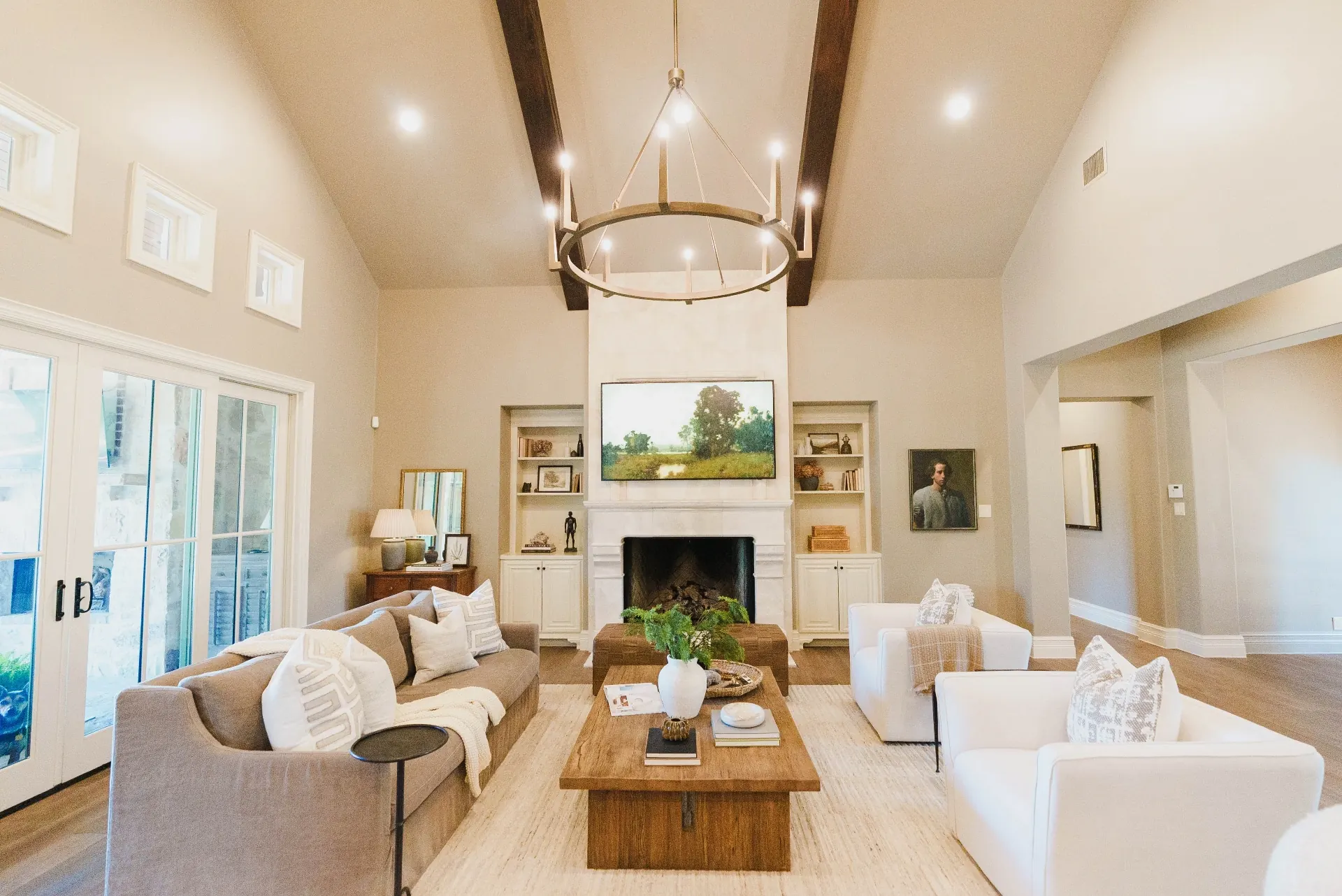
Each coat is troweled and burnished by hand, then sealed to the exposure the room demands, from an unsealed matte living room wall to a waterproofed shower enclosure.
Hand application and sealing. Each coat is troweled and burnished by hand, then sealed to the exposure the room demands, from an unsealed matte living room wall to a waterproofed shower enclosure.
Microcement
Seamless Concrete Looks Without The Slab
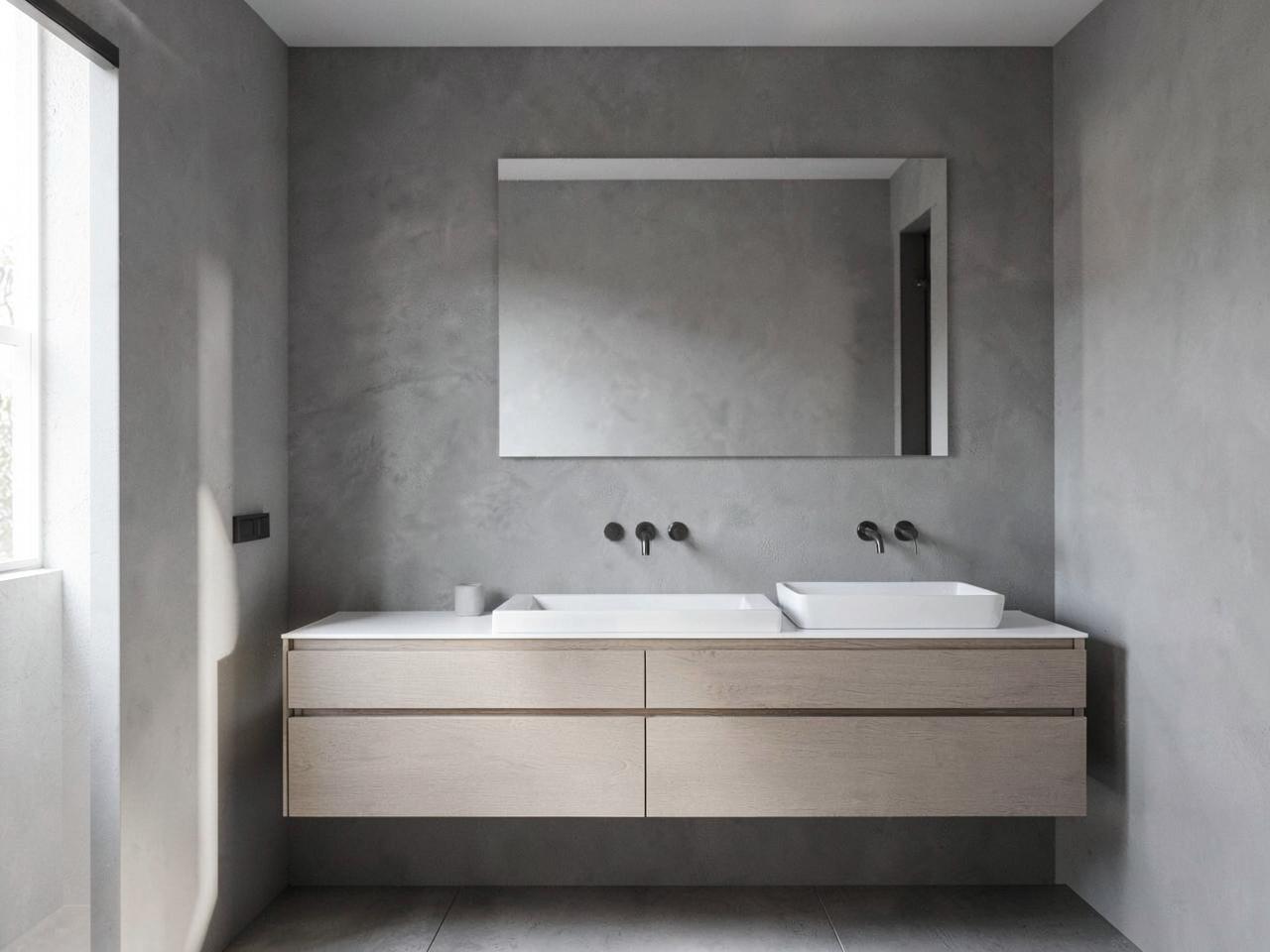
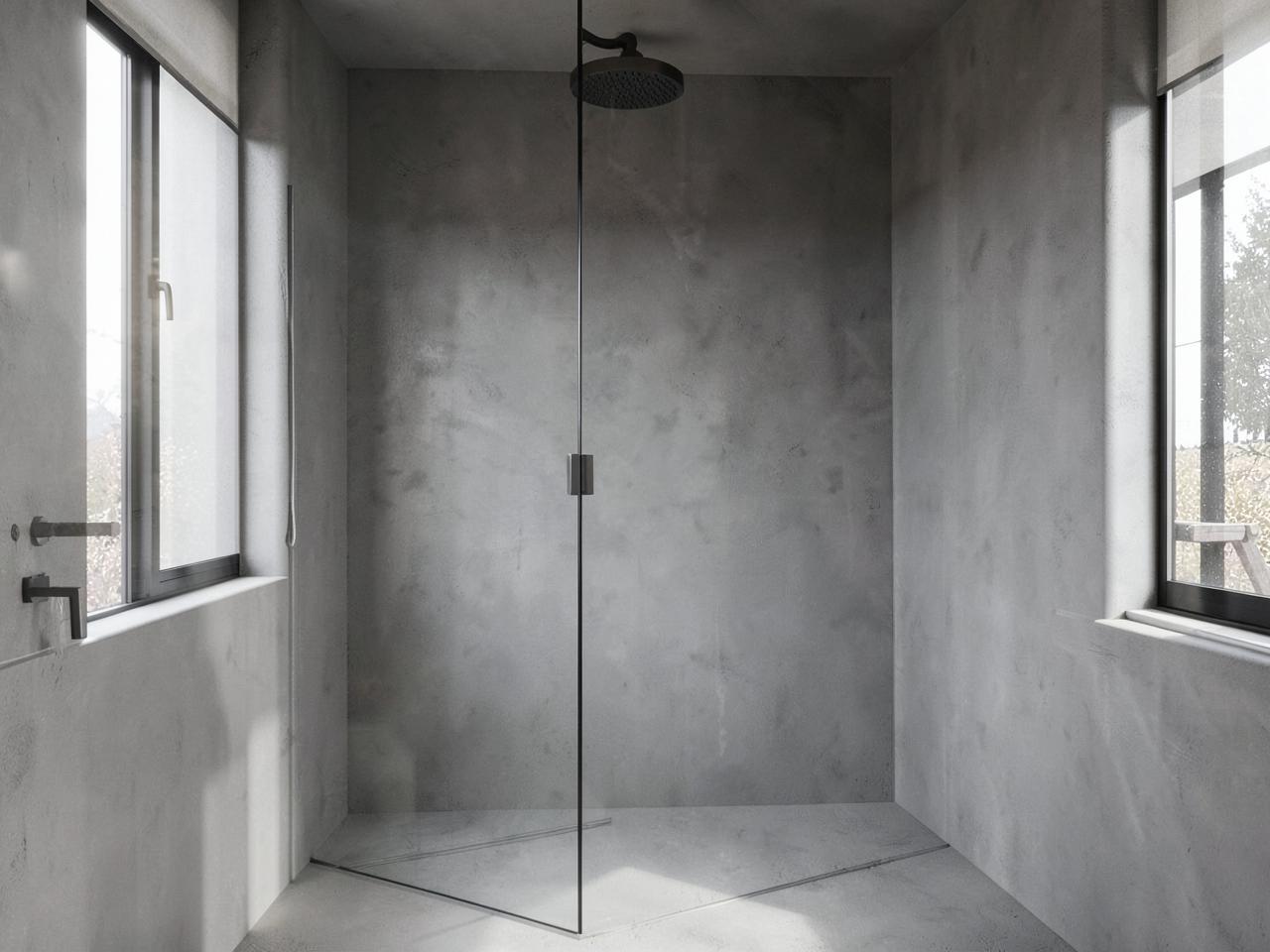
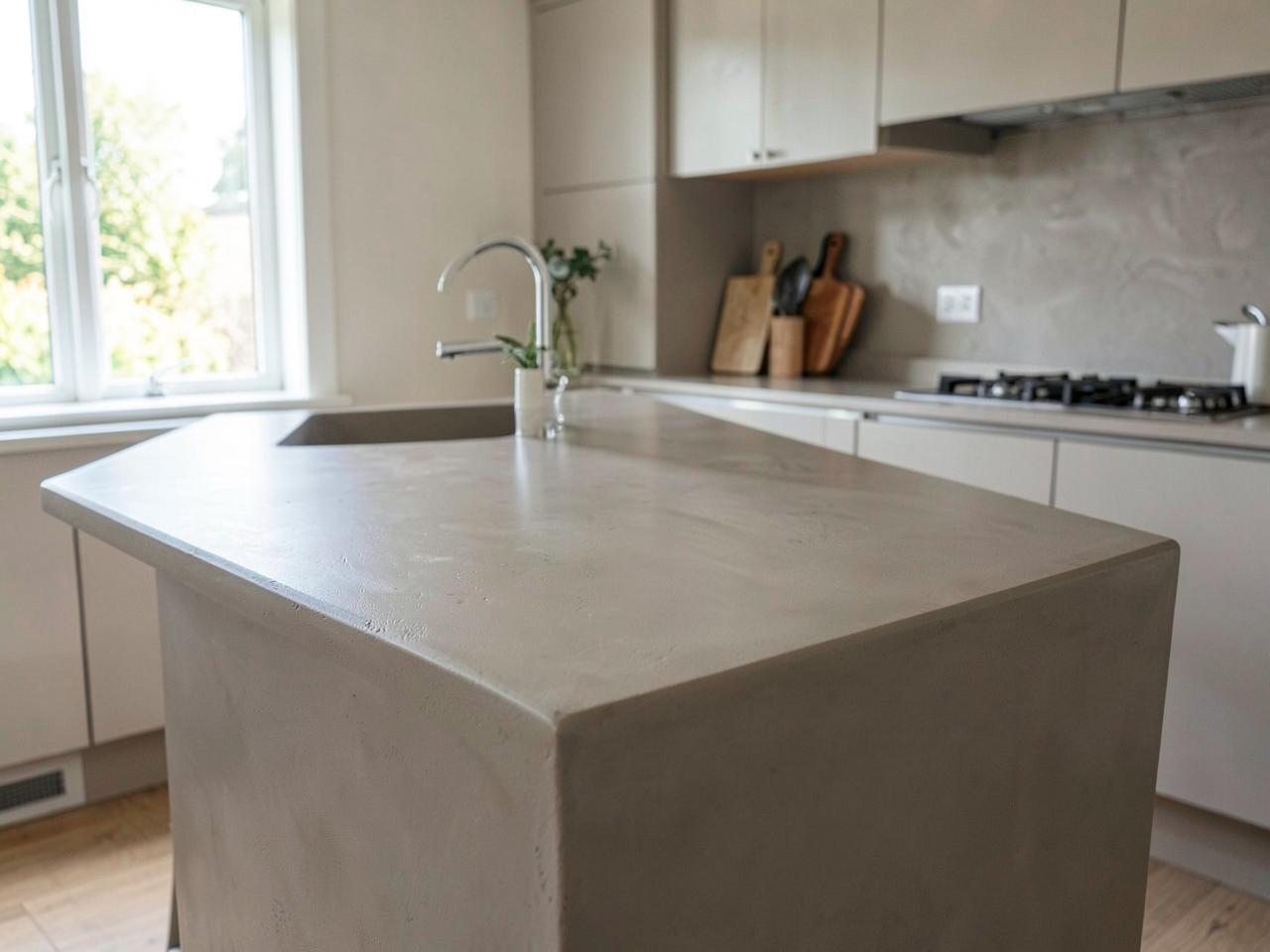
Microcement is a thin, polymer-modified cement coating troweled in layers only 2 to 3 millimeters thick. It gives you the look of poured concrete on walls, floors, showers, countertops, and stair treads without demolition or added structural weight.
Because it bonds over existing tile, drywall, plywood, and concrete, microcement is one of the few finishes that can modernize a bathroom or kitchen without a gut remodel. Sealed microcement is water resistant and has no grout lines, so there is nothing for mildew to sit in. It is a common request in Tustin and Santa Ana homes where dated tile showers and kitchen counters need a fresh look without a full demo.
Where Microcement is typically used
- Interior feature walls, fireplace surrounds, and floating stair treads
- Wet areas: shower walls, tub surrounds, powder room vanities
- Kitchen islands, countertops, and backsplashes
- Patio and indoor-outdoor transitions on covered exteriors
Why homeowners choose it
- Seamless and grout free, which means fewer places for water and mildew to hide
- Installs over existing tile or concrete, so demolition costs stay low
- Adds only a few millimeters of thickness, so door and fixture heights are unaffected
- Colorable in warm and cool tones with a matte, satin, or polished sealer

Limewash
Breathable Mineral Color For Brick And Stucco
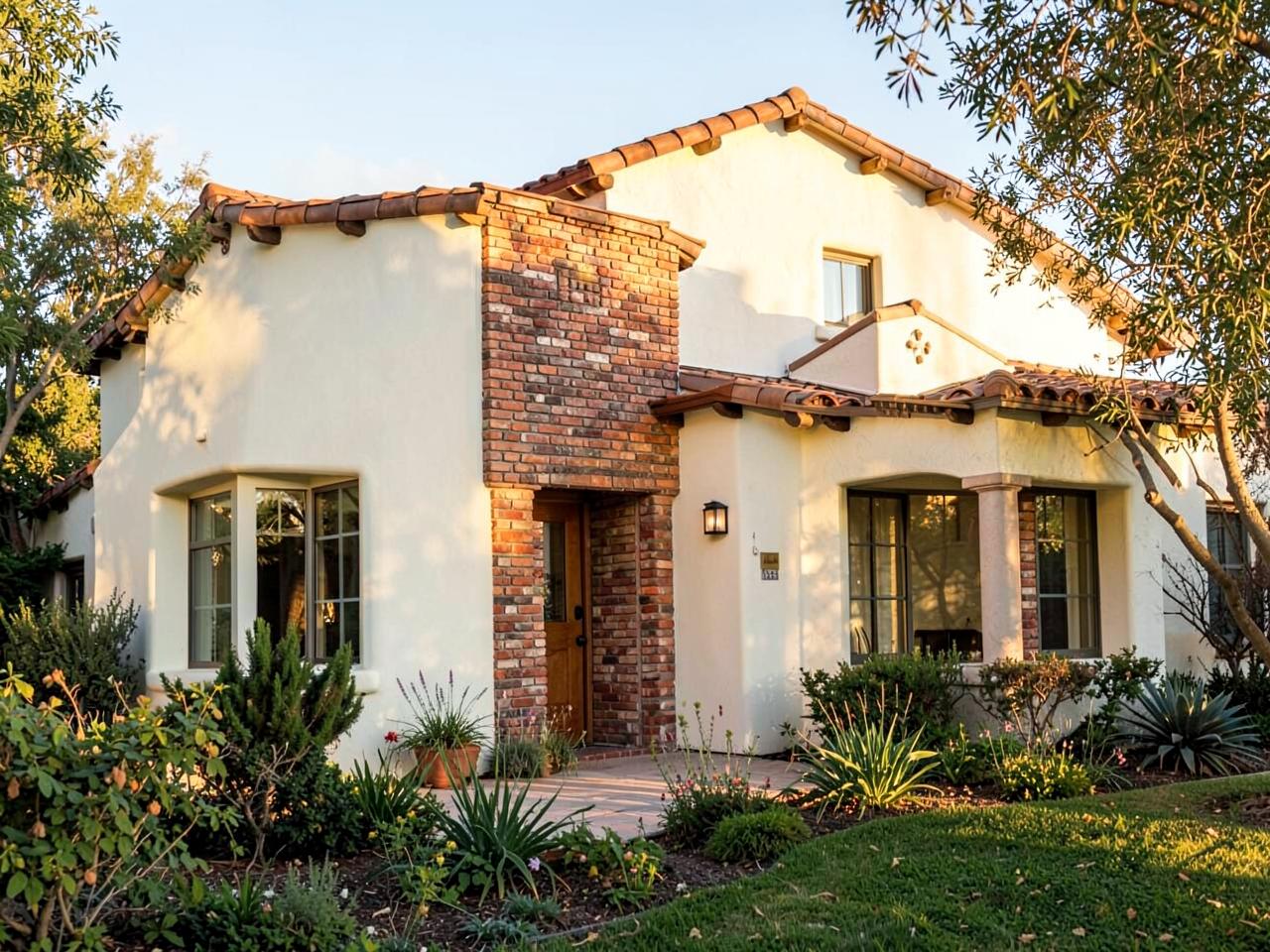
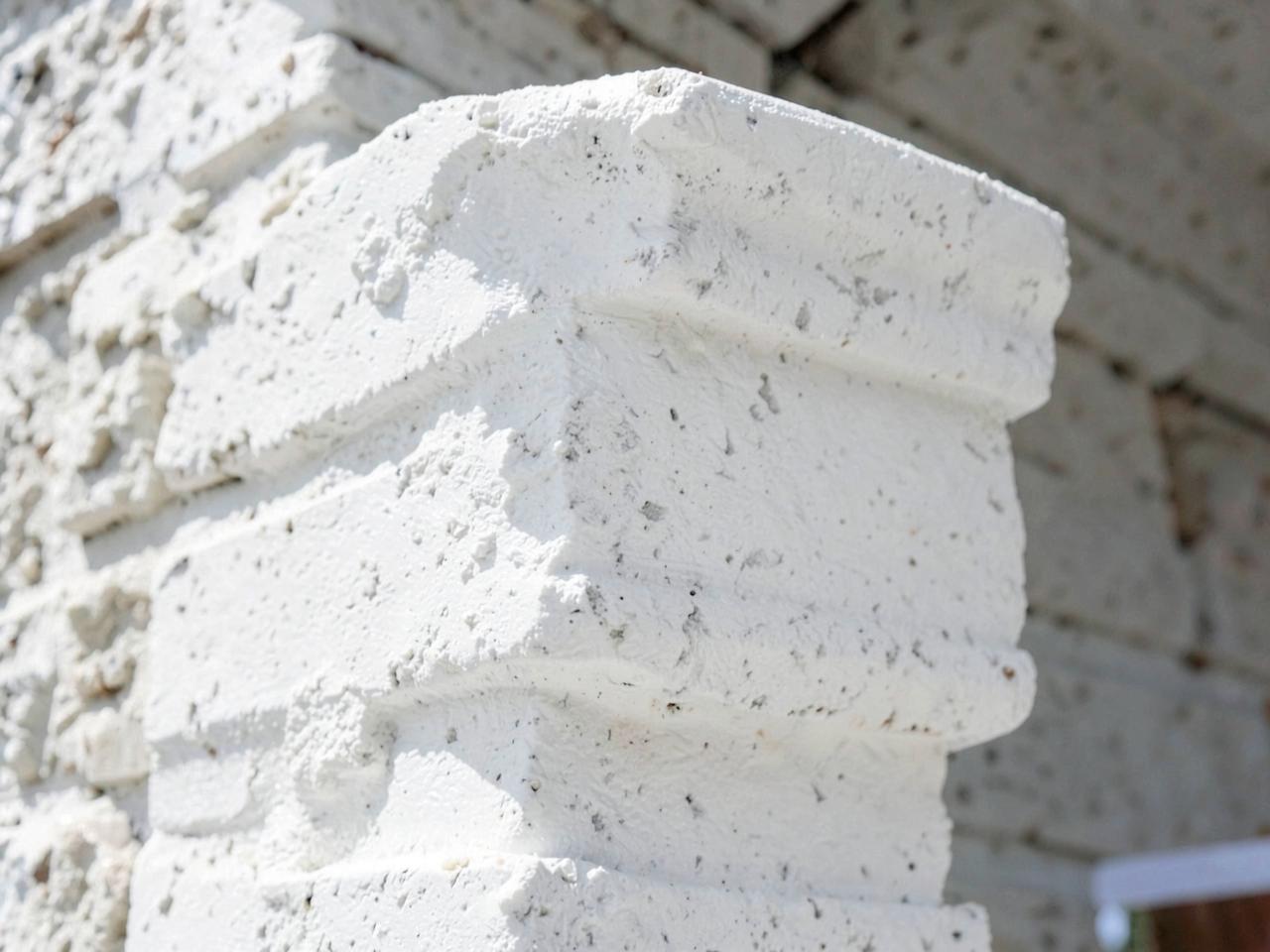
Limewash is a slaked-lime mineral coating that soaks into masonry and cures into the surface rather than forming a plastic film on top of it. On Orange County brick and stucco it delivers a soft, weathered, Old World look that ages gracefully instead of peeling.
Unlike acrylic paint, limewash stays vapor permeable, so moisture inside a masonry wall can escape. That breathability is why it is the right answer for older brick chimneys, Spanish Revival stucco, and painted brick that has already trapped moisture behind film-forming paint. We install it often on the stucco elevations of Villa Park and Anaheim Hills and on older brick facades around Old Towne Orange.
Where Limewash is typically used
- Exterior brick facades, chimneys, planters, and garden walls
- Spanish Revival and Mediterranean stucco elevations
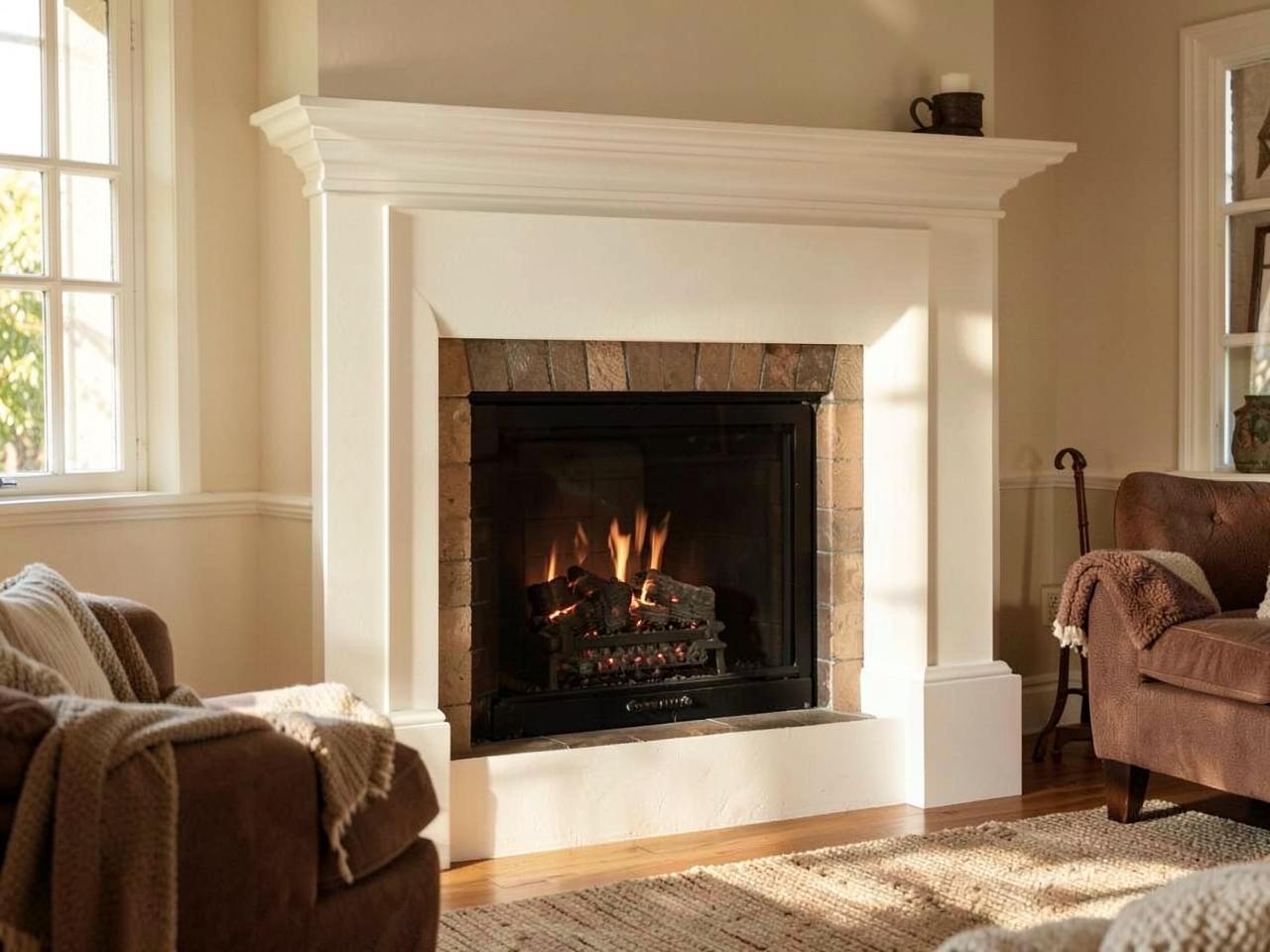
- Interior fireplace surrounds and textured accent walls
- Historic or unsealed masonry that needs a breathable coating
Why homeowners choose it
- Highly breathable, so it will not blister or peel the way film paint does on masonry
- Naturally mold and mildew resistant thanks to its high alkalinity
- Soft, variegated movement that reads as authentic rather than uniform
- Mineral pigments hold color under strong Southern California UV

Roman Clay
Soft, Suede-like Depth On Interior Walls
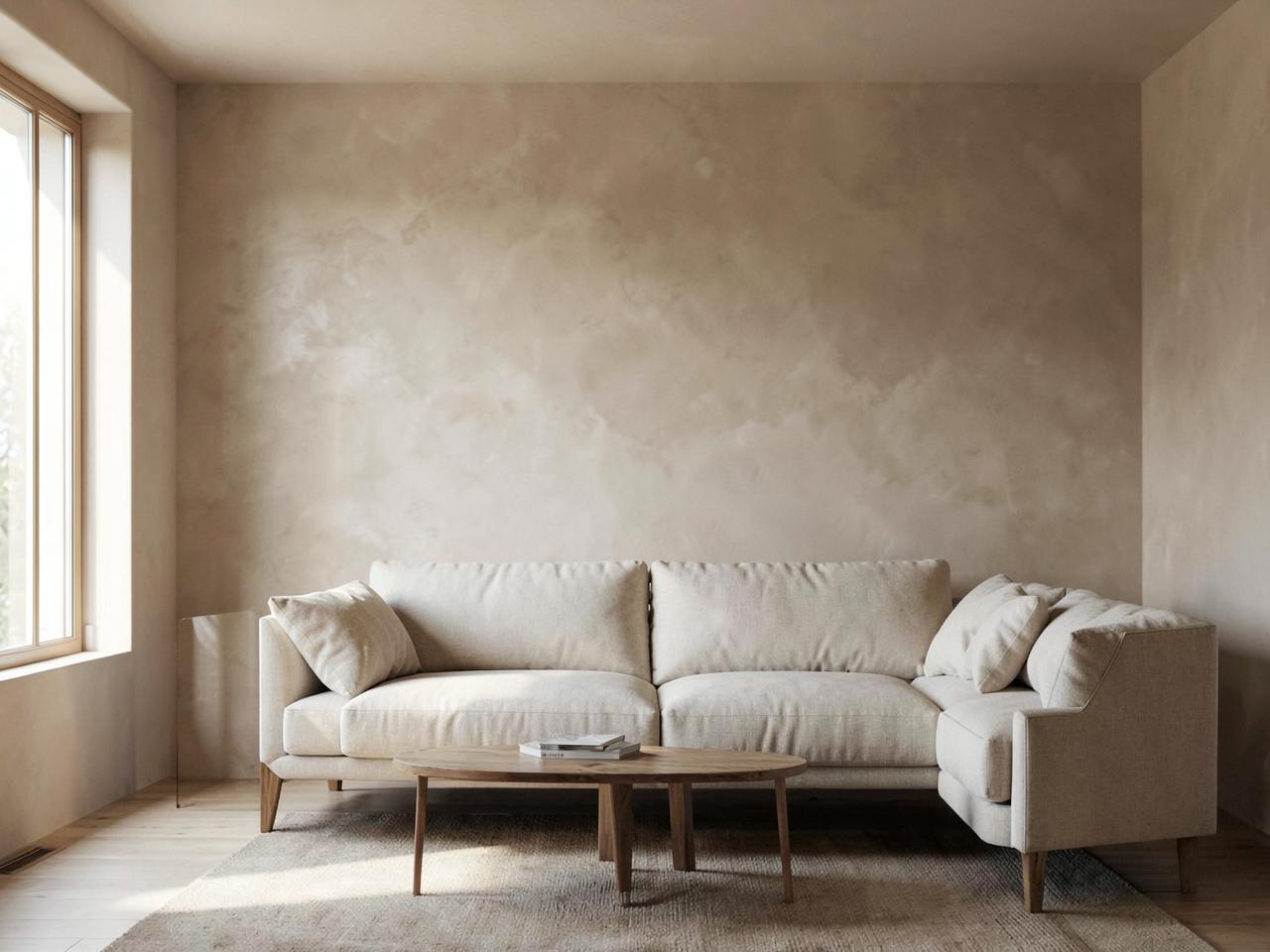
Roman clay is a smooth, ultra-fine lime and clay plaster applied in two or three thin, troweled coats. It produces a matte finish with subtle cloud-like movement that looks flat from across the room and reveals depth up close.
It is the most forgiving of the plaster finishes for standard drywall, which makes it the usual choice for whole rooms rather than single accents. Roman clay is an interior finish and is typically left unsealed in living spaces or sealed lightly in higher-traffic areas. Great rooms in Anaheim Hills and Tustin Ranch are where we see it most, along with dining rooms in Orange and Villa Park.
Where Roman Clay is typically used
- Living rooms, primary bedrooms, and dining rooms
- Fireplace walls, wine rooms, and entry vestibules
- Powder rooms and hallways with a protective topcoat
- Ceilings where a paint sheen would show every drywall seam
Why homeowners choose it
- Hides minor drywall imperfections that flat paint tends to highlight
- Zero-sheen matte surface that never flashes under recessed lighting
- Tintable to hundreds of colors, from warm plaster neutrals to deep tones
- Low odor and low VOC, so rooms are usable again quickly
Moroccan Clay
Polished Tadelakt-style Plaster For Wet Rooms
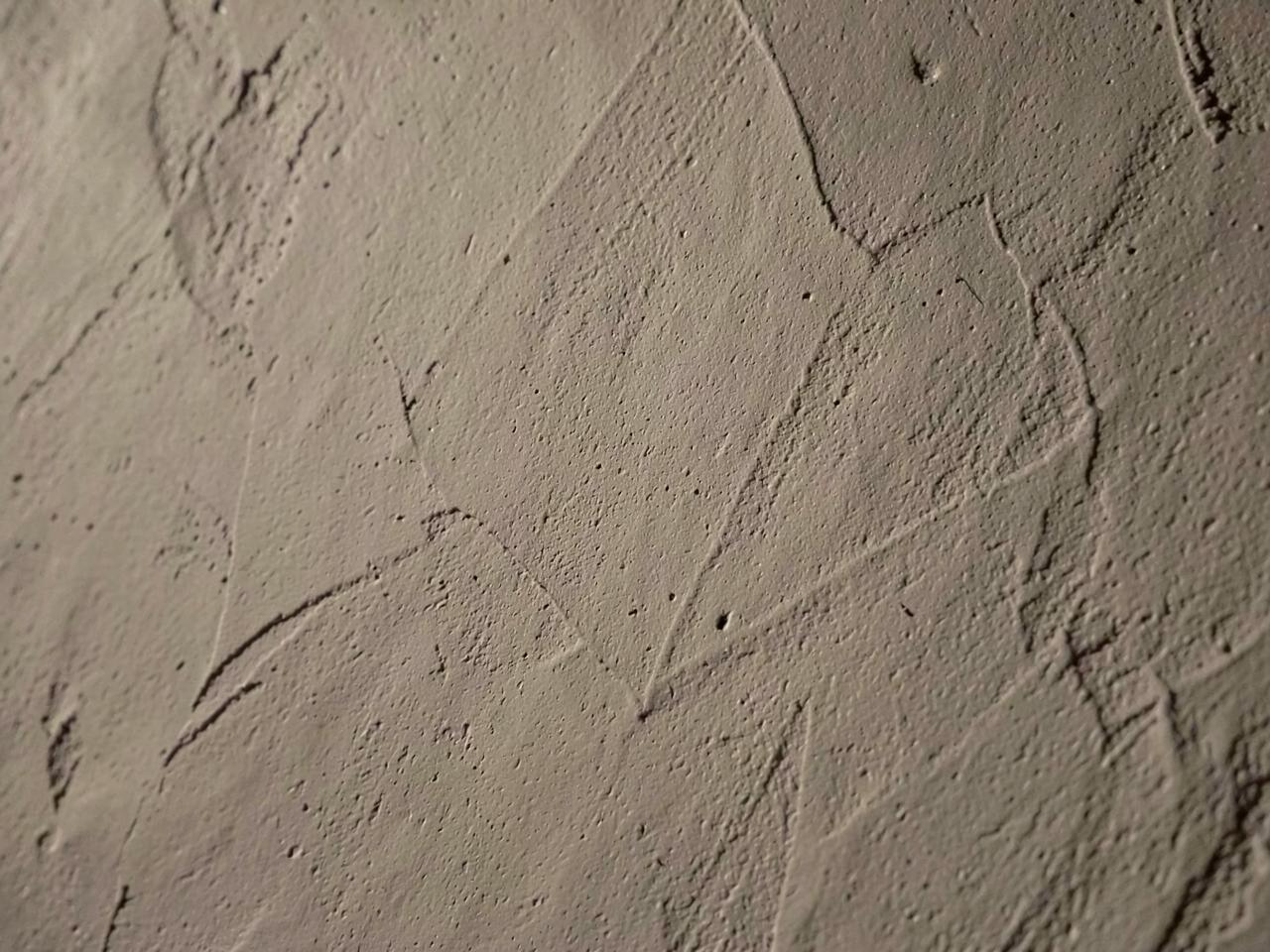
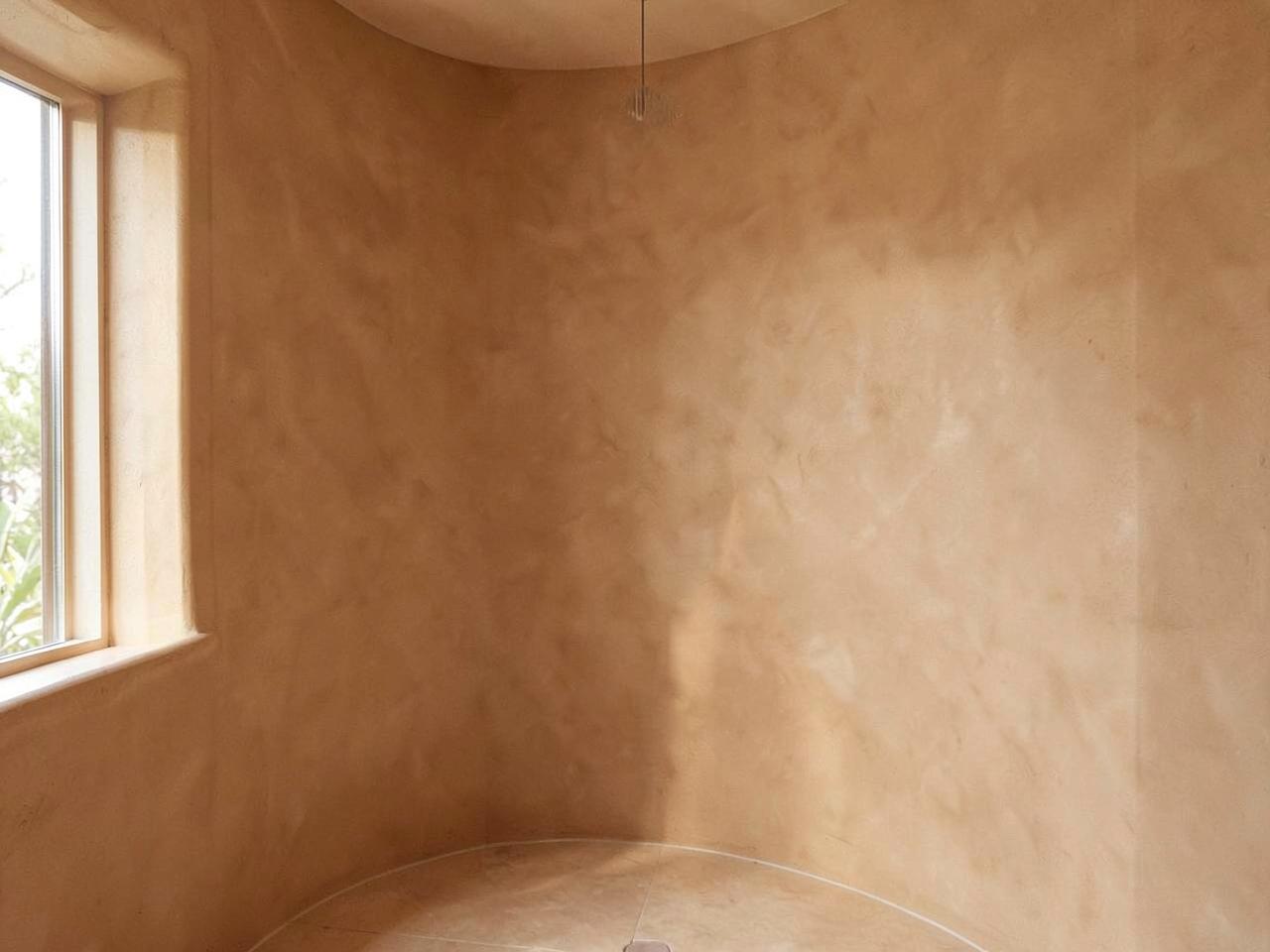
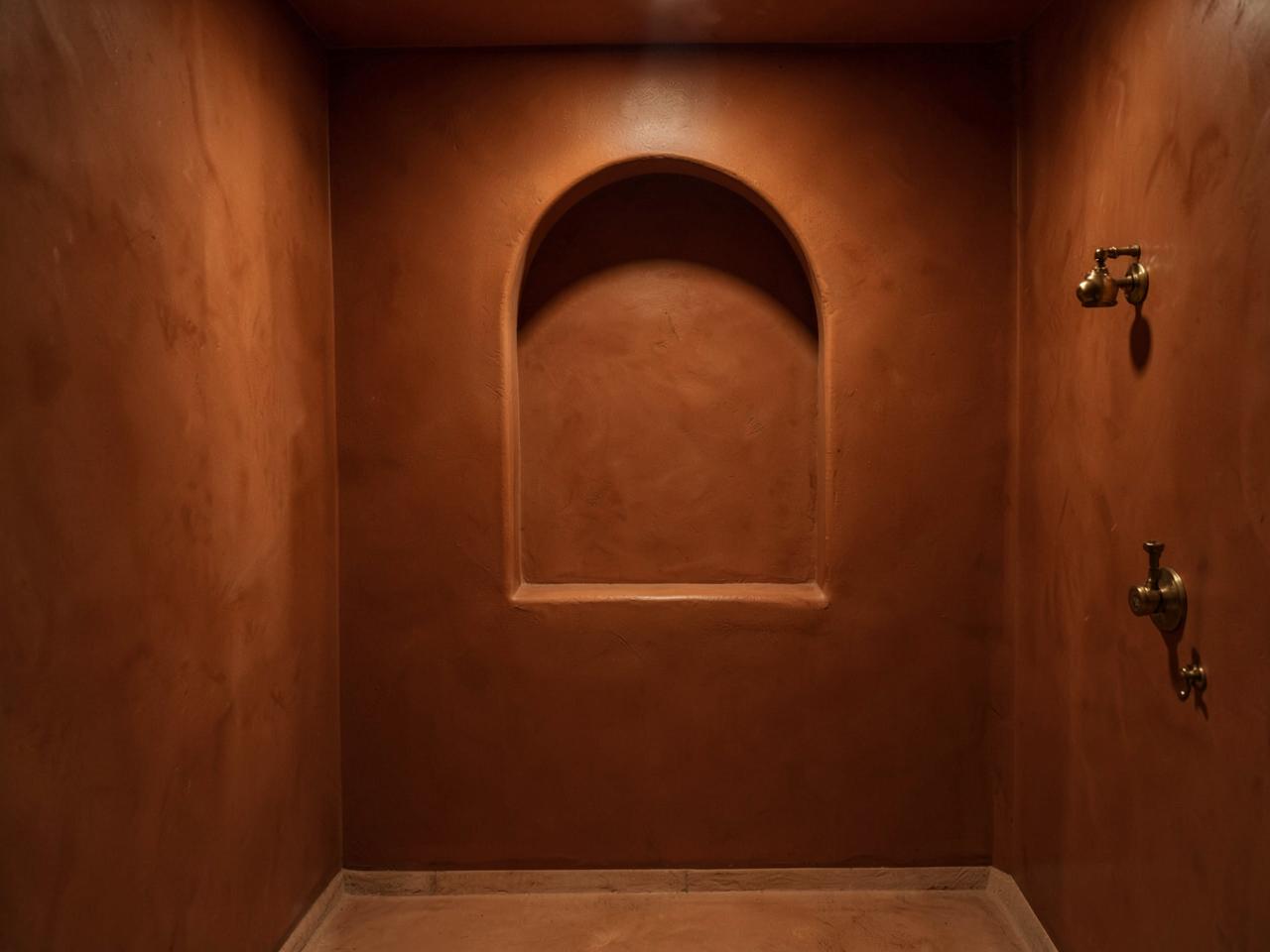
Moroccan clay, in the tadelakt tradition, is a lime plaster that is burnished with a stone and sealed with a soap treatment until the surface becomes dense and water repellent. The result is a glowing, hand-polished finish with visible depth and no seams.
It is the most labor-intensive finish on this page and the most dramatic. Because it can be formed around curves, niches, and benches, Moroccan clay is the finish homeowners choose when they want a spa shower or soaking-tub alcove to feel carved rather than assembled. Primary-bath remodels in Villa Park, Anaheim Hills, and Santa Ana are the projects where it earns its keep.
Where Moroccan Clay is typically used
- Curved shower enclosures, wet rooms, and steam showers
- Soaking tub surrounds and built-in benches or niches
- Powder room walls and vessel-sink vanities
- Sculptural feature walls and archways
Why homeowners choose it
- Water repellent and grout free, ideal for wet rooms and steam
- Wraps curves, niches, and arches that tile cannot follow cleanly
- Deep hand-polished glow that changes with the light through the day
- Repairable in place: damaged areas can be re-burnished rather than replaced

Our 3-Year Warranty
Your peace of mind, at the top of mind with our three-year transferable warranty. Covers the painting job, even if you sell the house.
Download Warranty
Specialty Coatings FAQs in Orange
Straight answers to the questions Orange County homeowners ask before committing to a plaster or mineral finish.
