💡 Pro Tip: Always round up and buy extra for touch-ups. Adjust estimates up by 10-15% for new drywall, high ceilings, or dramatic color changes.
How to Calculate Paint for Any Project
Wondering how much paint you need? This guide breaks down paint coverage per gallon, how to measure walls, primer requirements, and the small details that make professional paint estimates accurate.
Surface Type
Low
High
Average Coverage
Interior Walls (1 coat)
350 sq ft
400 sq ft
375 sq ft / gal
Interior Walls (2 coats)
175 sq ft
200 sq ft
185 sq ft / gal
Primer (drywall / new surfaces)
200 sq ft
300 sq ft
250 sq ft / gal
Ceilings (flat latex)
300 sq ft
400 sq ft
350 sq ft / gal
Trim, Doors & Baseboards
300 sq ft
400 sq ft
350 sq ft / gal
Smooth Exterior Siding
300 sq ft
400 sq ft
350 sq ft / gal
Stucco, Brick & Rough Surfaces
150 sq ft
250 sq ft
200 sq ft / gal
Cabinets (per door + frame face)
100 sq ft
150 sq ft
125 sq ft / gal
* Coverage rates assume properly prepped surfaces and a quality acrylic latex paint. Textured, porous, or unprimed substrates reduce coverage.
How much paint do I need? For most interior painting projects, one gallon of paint covers about 350 to 400 square feet of smooth wall in a single coat, and most rooms need two coats for full color and durability. That means a typical 12x12 bedroom needs roughly 2 gallons of wall paint, an average bathroom needs about 1 gallon, and a 2,000 sq ft single-story home exterior usually takes 12 to 15 gallons of body paint plus 2 to 3 gallons of trim. Coverage drops on stucco, brick, masonry, rough cedar, and heavily textured drywall, where one gallon may only stretch 150 to 250 square feet. Dark colors like deep red, navy, and bold yellow often need three coats unless you start with a tinted primer. To estimate paint accurately, measure the length of every wall, multiply by ceiling height, subtract about 20 sq ft per door and 15 sq ft per window, then divide by the coverage rate listed on the paint can. Always add 10 to 15% extra paint for touch-ups, second-coat callbacks, and future color matching, since leftover paint from the original batch is the only reliable way to fix scuffs and dings years later.
Paint Calculator Guide: How to Estimate How Much Paint You Need
How to Calculate How Much Paint You Need
To calculate paint, measure the length of every wall, add them together, and multiply by the ceiling height to get total wall square footage. Subtract roughly 20 square feet for each standard door and 15 square feet for each average window. Then divide by the paint's coverage rate (typically 350-400 sq ft per gallon for one coat). Most interior walls require two coats, so plan on roughly half the coverage. Our paint calculator does this math automatically and adjusts for trim, ceilings, and surface type.
Paint Coverage Per Gallon: What to Expect
A gallon of quality interior paint covers about 350 to 400 square feet in a single coat on smooth, primed drywall. Coverage drops to 150-250 square feet on porous surfaces like stucco, brick, masonry, or rough cedar. Dark accent colors, deep reds, and yellows almost always need three coats for full opacity, while a tinted primer can cut that down to two. Always check the coverage rate printed on the can; premium paints from Sherwin-Williams, Benjamin Moore, PPG, and Behr usually deliver the upper end of the range.
How Many Gallons of Paint for a Room
A standard 12x12 bedroom with 8-foot ceilings has roughly 384 square feet of wall surface, so two coats need about 2 gallons of paint. A 200 sq ft bathroom typically needs 1 gallon for two coats. A large 20x20 living room with vaulted ceilings can require 4-5 gallons. Add a separate gallon for ceilings if you're painting them, plus 1-2 quarts for trim, doors, and baseboards. Always buy 10-15% extra to allow for touch-ups, second-coat coverage, and color matching down the road.
Calculating Exterior Paint for Your House
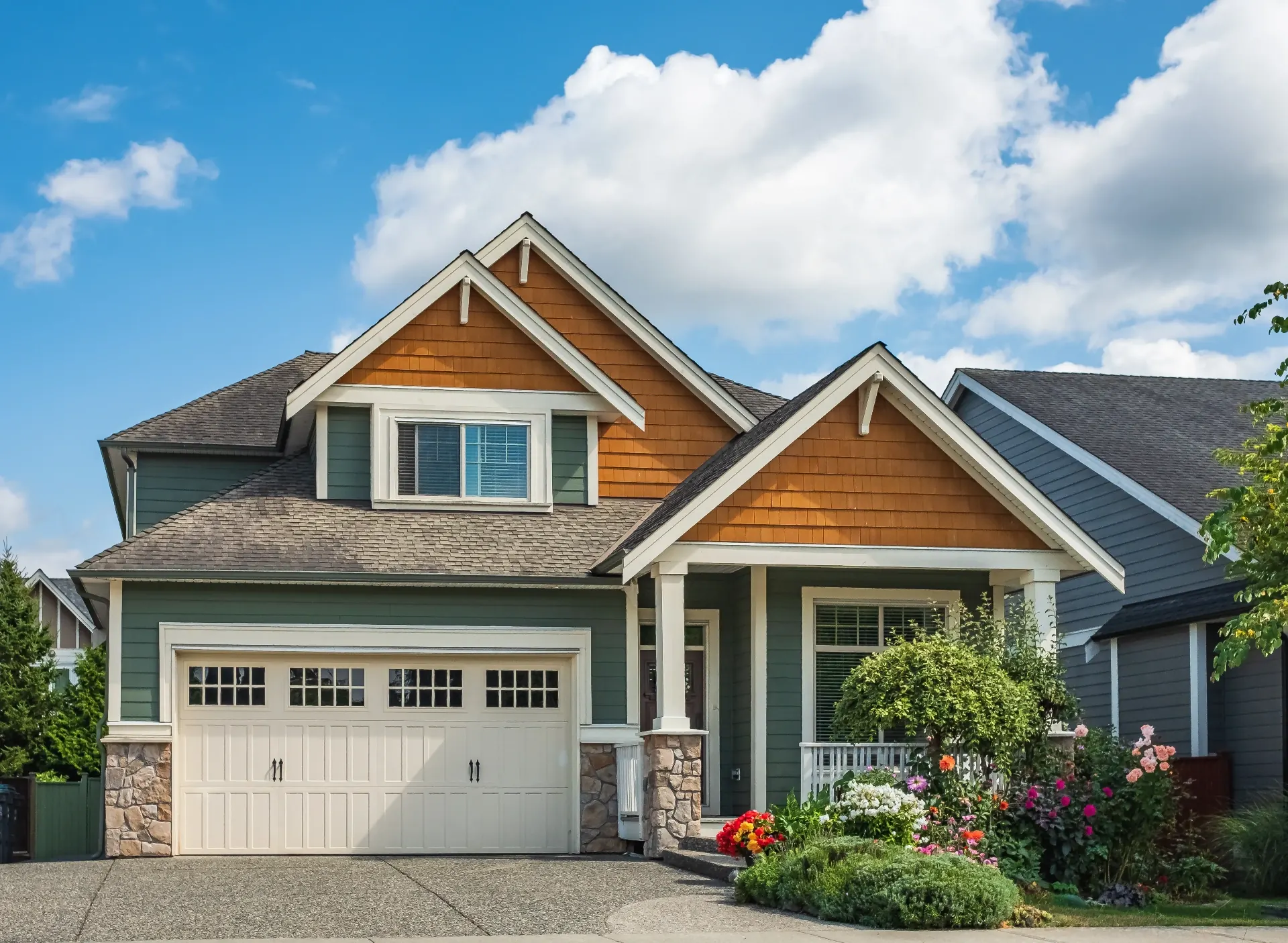
For exterior paint, measure the perimeter of your home and multiply by the average wall height to get gross square footage. Subtract 50% for windows, doors, and trim if you're only pricing siding. A typical 2,000 sq ft single-story home in Austin needs 12-15 gallons of body paint, 2-3 gallons of trim paint, and 1 gallon for the front door and shutters. Stucco, brick, and rough cedar absorb significantly more paint than HardiePlank or smooth lap siding, so plan on 25-50% more product for those substrates.
Primer: When You Need It and How Much
Primer is required on bare drywall, raw wood, patched repairs, glossy surfaces, and any time you're going from a dark color to a lighter one. One gallon of primer covers roughly 200-300 square feet because it soaks into porous substrates. Self-priming paint and paint-and-primer-in-one products work well for repaints in the same color family but should not replace dedicated primer on new construction, water stains, or tannin-heavy woods like cedar and redwood.
Why You Should Always Buy Extra Paint
Professional painters always order 10-15% more paint than the calculator estimates. Touch-ups years later are nearly impossible to color-match without leftover paint from the original batch, since tint formulas and base products change over time. Extra paint also covers second-coat callbacks, missed spots on textured surfaces, and the inevitable spill. Store leftover paint in a cool, dry space with the lid sealed tight, and label the can with the room and date.
Paint Sheen and How It Affects Coverage
Flat and matte paints hide imperfections best but are less washable, making them ideal for ceilings and low-traffic bedrooms. Eggshell and satin finishes are the most popular choice for living areas and hallways because they balance washability with a soft glow. Semi-gloss and high-gloss finishes are reserved for trim, doors, cabinets, and bathrooms where moisture and scrubbing are common. Higher sheens generally require more careful prep and can highlight roller marks, so coverage on the can is calculated assuming an experienced applicator.
Common Mistakes That Throw Off Your Paint Estimate
The most common paint calculator mistakes are forgetting closets and accent walls, ignoring the second coat, underestimating textured surfaces like popcorn ceilings or knockdown drywall, and not accounting for color changes that require an extra coat. Vaulted ceilings, stairwells, and double-height entryways also add significant square footage that's easy to miss from the floor. When in doubt, round up to the next gallon; one extra gallon is far cheaper than a second trip to the paint store mid-project.
Frequently Asked Questions
Clear answers about pricing, timelines, services, warranty coverage, and working with That 1 Painter.