Fence Staining in Northwest Atlanta

Your Fence Staining Project, From Consultation to Completion
Wood fences run the back lines of countless lots in Kennesaw, Acworth, Woodstock and Canton, and longer farm-style runs stretch across rural Bartow and northern Cherokee. Red clay splash, pollen and summer humidity wear on every one of them.

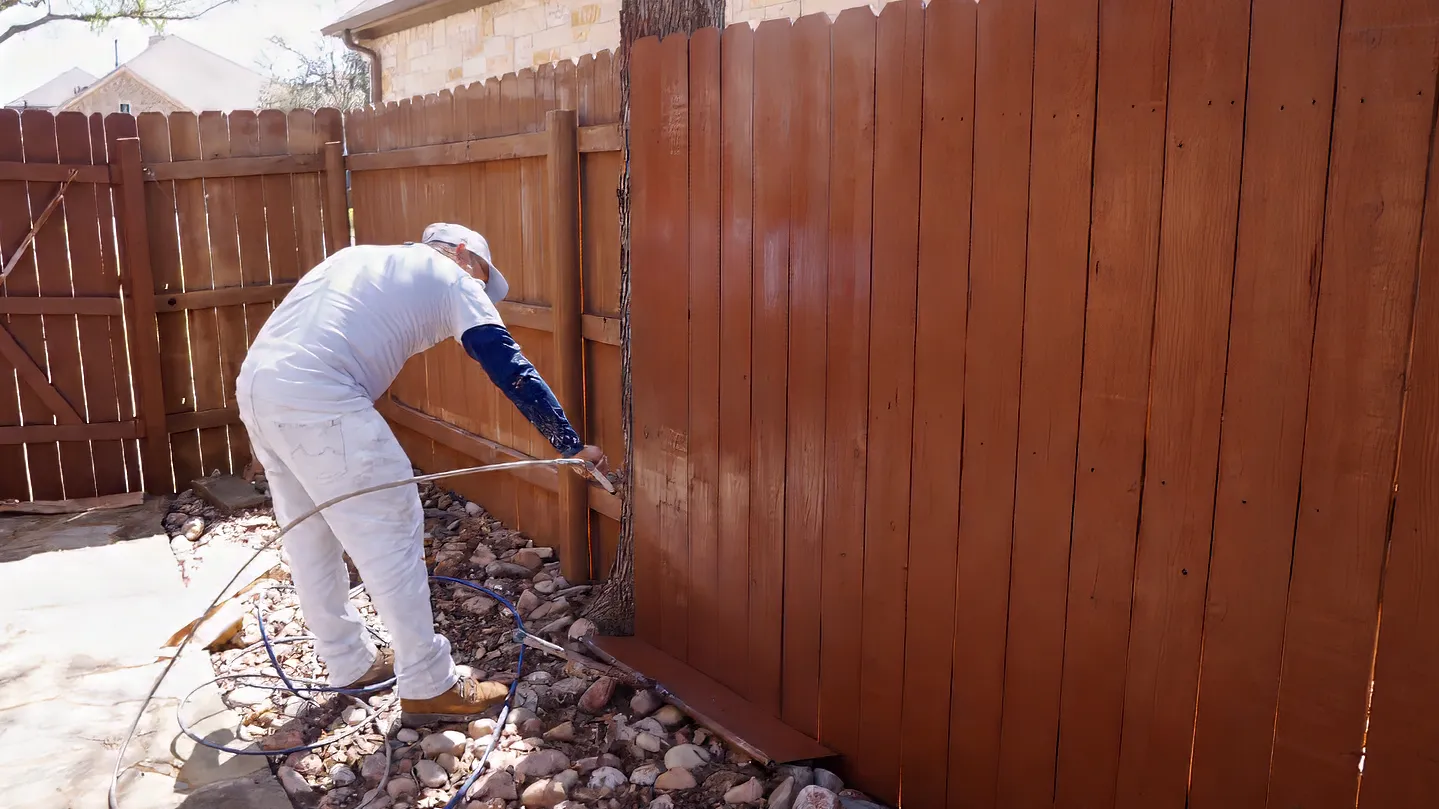
We evaluate your fence material, cedar, pine, or composite, assess the wood condition, and identify any structural repairs needed before professional staining in Northwest Atlanta.
Fence Assessment. We evaluate your fence material, cedar, pine, or composite, assess the wood condition, and identify any structural repairs needed before professional staining in Northwest Atlanta.
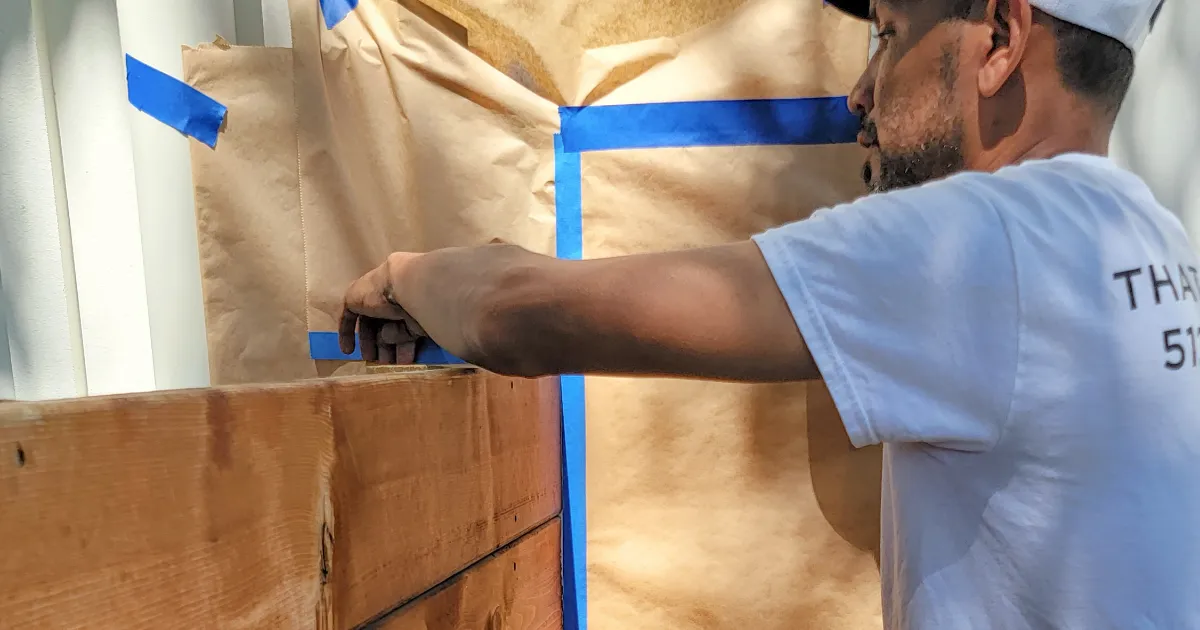
We power-wash the fence to remove dirt, mildew, and old finish, allow the wood to dry, and apply premium semi-transparent or solid penetrating fence stain for long-lasting UV and moisture protection.
Clean & Stain. We power-wash the fence to remove dirt, mildew, and old finish, allow the wood to dry, and apply premium semi-transparent or solid penetrating fence stain for long-lasting UV and moisture protection.
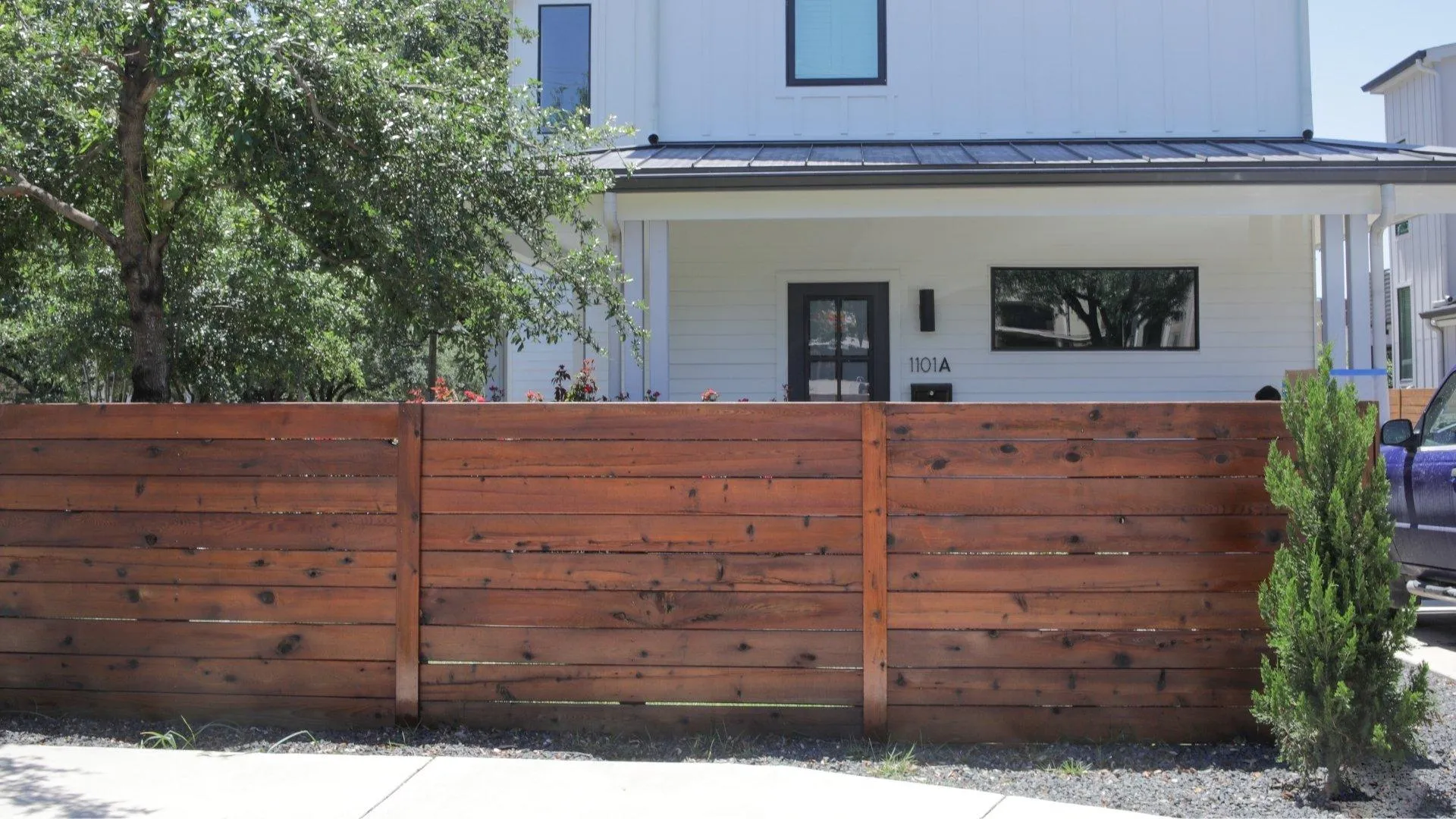
We inspect the completed fence staining with you, verify even stain coverage and wood penetration on both sides, and provide care tips to maximize the finish life in Northwest Atlanta's climate.
Final Walkthrough. We inspect the completed fence staining with you, verify even stain coverage and wood penetration on both sides, and provide care tips to maximize the finish life in Northwest Atlanta's climate.

What Fence Staining Costs in Northwest Atlanta (2026)
Typical fence ROI at resale
FenceFind ROI Guide, 2026
Typical professional fence staining cost range
Angi, 2026
Recommended re-stain interval to preserve fence integrity
industry standard
Fence Staining Portfolio Gallery
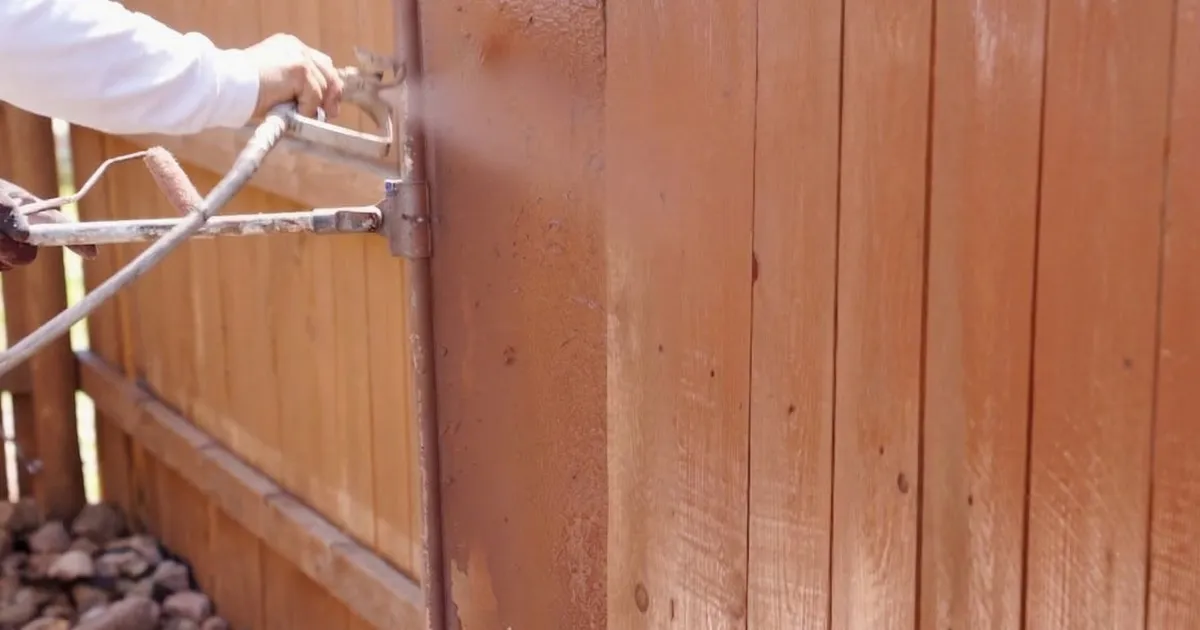
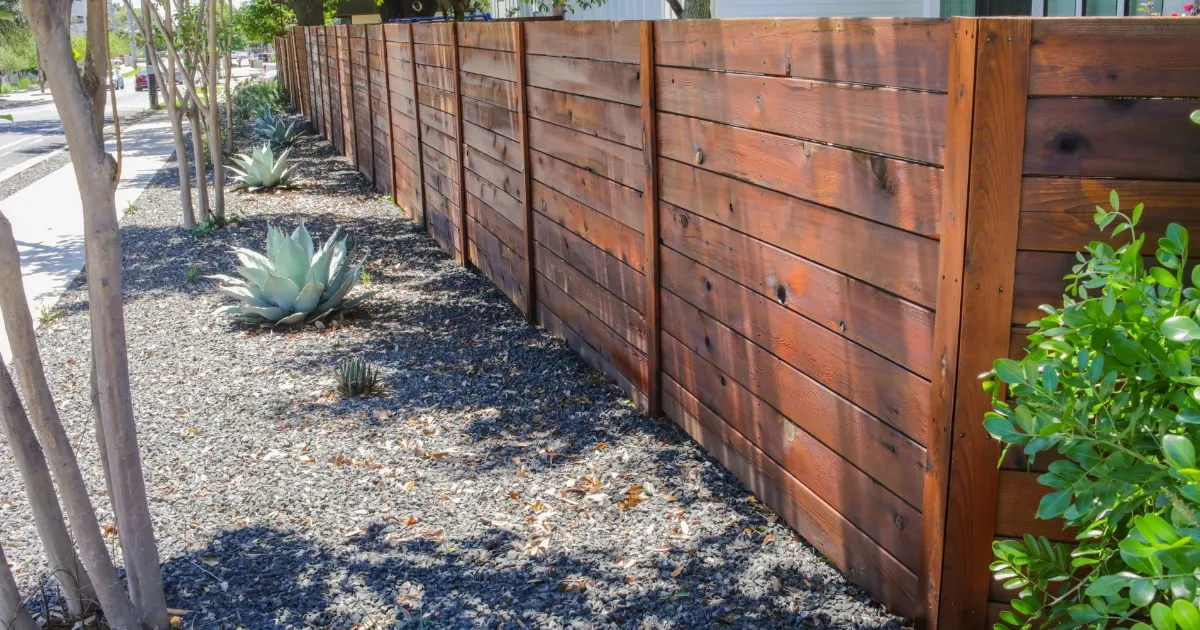
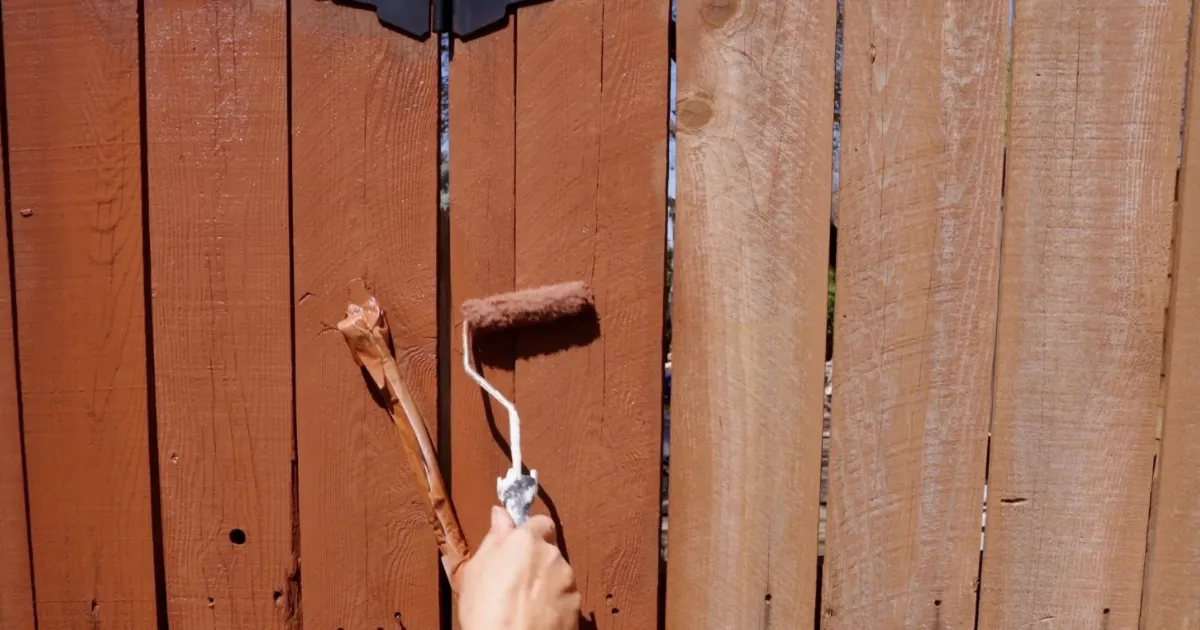
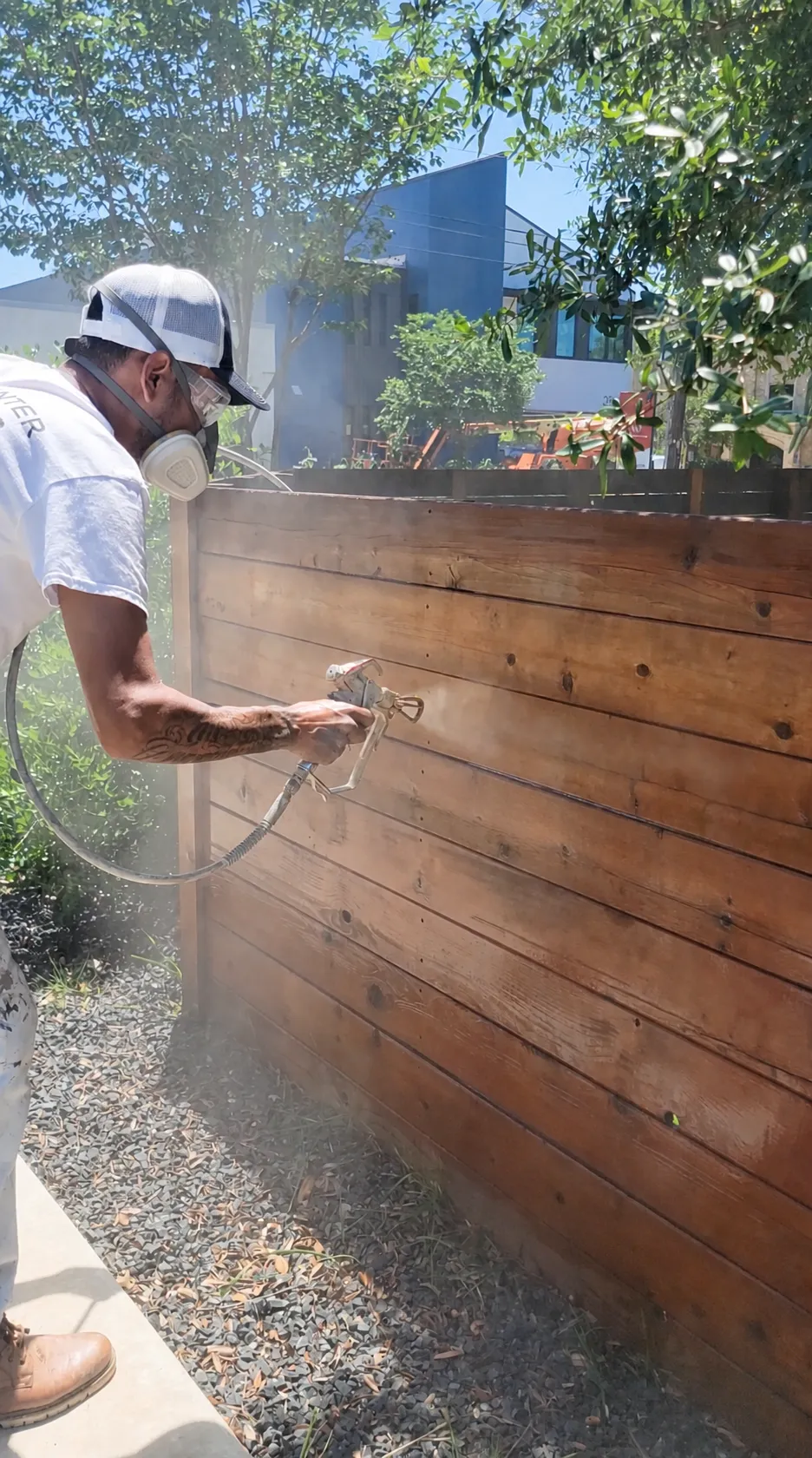
Trusted Paint Partners


Fence Staining in Northwest Atlanta
Fences across this territory fall into two broad groups. Subdivision privacy fences in Kennesaw, Acworth, Smyrna and Woodstock are usually six-foot pine panels with shared lines between neighbors, which can bring HOA rules on stain color and a need to coordinate which side gets coated. Rural and acreage properties near Cartersville, Adairsville, Ball Ground and Waleska may have far longer runs of board or split-rail fencing where coverage and access drive the plan.
Georgia weather is hard on unfinished fence wood. Summer sun dries the faces quickly while the bottom boards stay damp from ground moisture and clay splash, so rot and staining start low. Shaded runs under pines collect pollen and needles that feed mildew. Penetrating, UV-resistant stain helps the boards shed water, and the bottom edge gets close attention because that is where most fences fail first.
A clean surface lets stain soak into the wood instead of resting on a film of pollen and grime, so pressure washing at a softwood-safe pressure usually comes first. Broken pickets and leaning posts are flagged before work so they can be replaced ahead of stain, and when a deck in the same yard has weathered alongside, deck staining can be done in one trip.


Our 3-Year Warranty
Your peace of mind, at the top of mind with our three-year transferable warranty. Covers the painting job, even if you sell the house.
Download Warranty
Fence Staining FAQs in Northwest Atlanta
Fence Staining Resources
Expert tips, how-to guides, and inspiration for your next fence staining project.
Cedar Fence Staining: Everything You Need to Know
Cedar is Northwest Atlanta's most popular fence material, here's how to keep it looking great for years.
Read More →
How Long Does Fence Stain Last in Georgia?
In Northwest Atlanta's climate, fence stain typically lasts 2–4 years depending on sun exposure and drainage.
Read More →
Fence Stain vs. Paint: Which Should You Choose?
Stain is the preferred choice for most Northwest Atlanta fences, it penetrates wood and ages more gracefully.
Read More →Swipe to explore →
Cedar Fence Staining: Everything You Need to Know
Cedar is Northwest Atlanta's most popular fence material, here's how to keep it looking great for years.
Read More →How Long Does Fence Stain Last in Georgia?
In Northwest Atlanta's climate, fence stain typically lasts 2–4 years depending on sun exposure and drainage.
Read More →Fence Stain vs. Paint: Which Should You Choose?
Stain is the preferred choice for most Northwest Atlanta fences, it penetrates wood and ages more gracefully.
Read More →