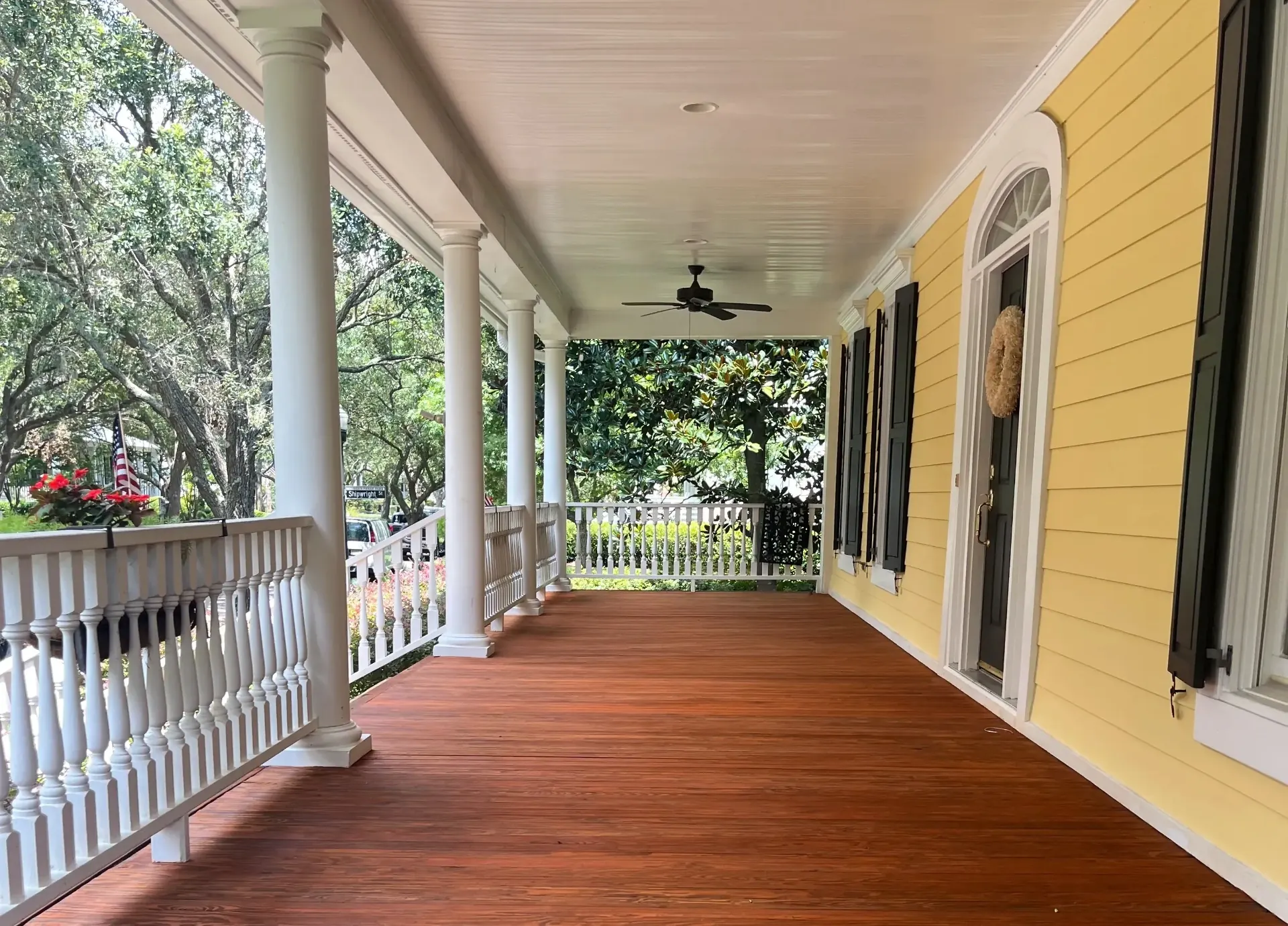
Deck Staining in Northwest Atlanta

Your Deck Staining Project, From Consultation to Completion
Decks in Northwest Atlanta sit under tall pines and hardwoods that drop pollen, needles and leaves on them all year, then bake through long humid summers. Around Lake Allatoona and on wooded lots in Cherokee and Bartow, shade and moisture turn bare boards grey and slick quickly.

We inspect your Northwest Atlanta deck for structural issues, loose boards, UV damage, and surface condition to determine the best staining approach for your wood type, cedar, pine, or composite.
Deck Inspection. We inspect your Northwest Atlanta deck for structural issues, loose boards, UV damage, and surface condition to determine the best staining approach for your wood type, cedar, pine, or composite.
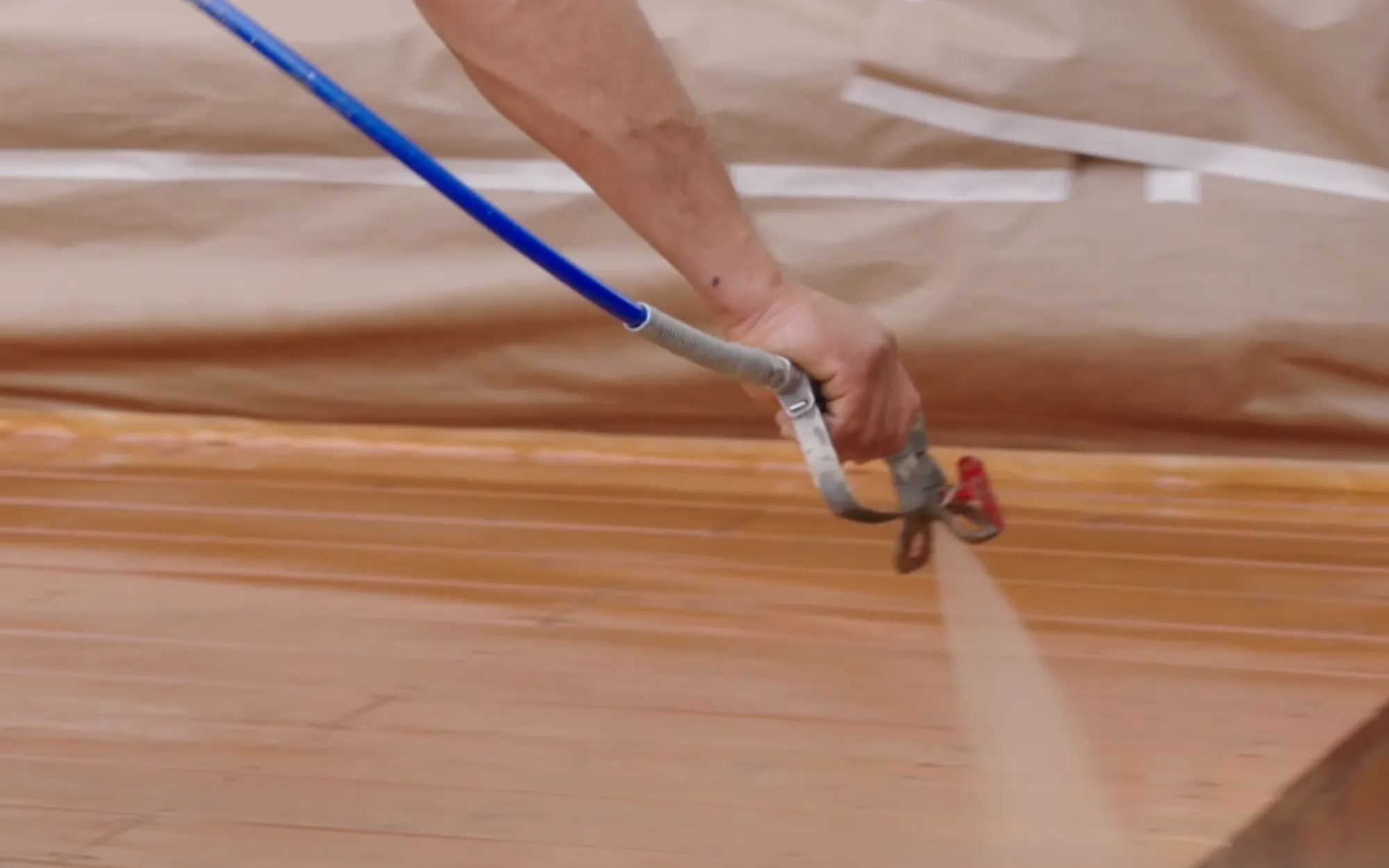
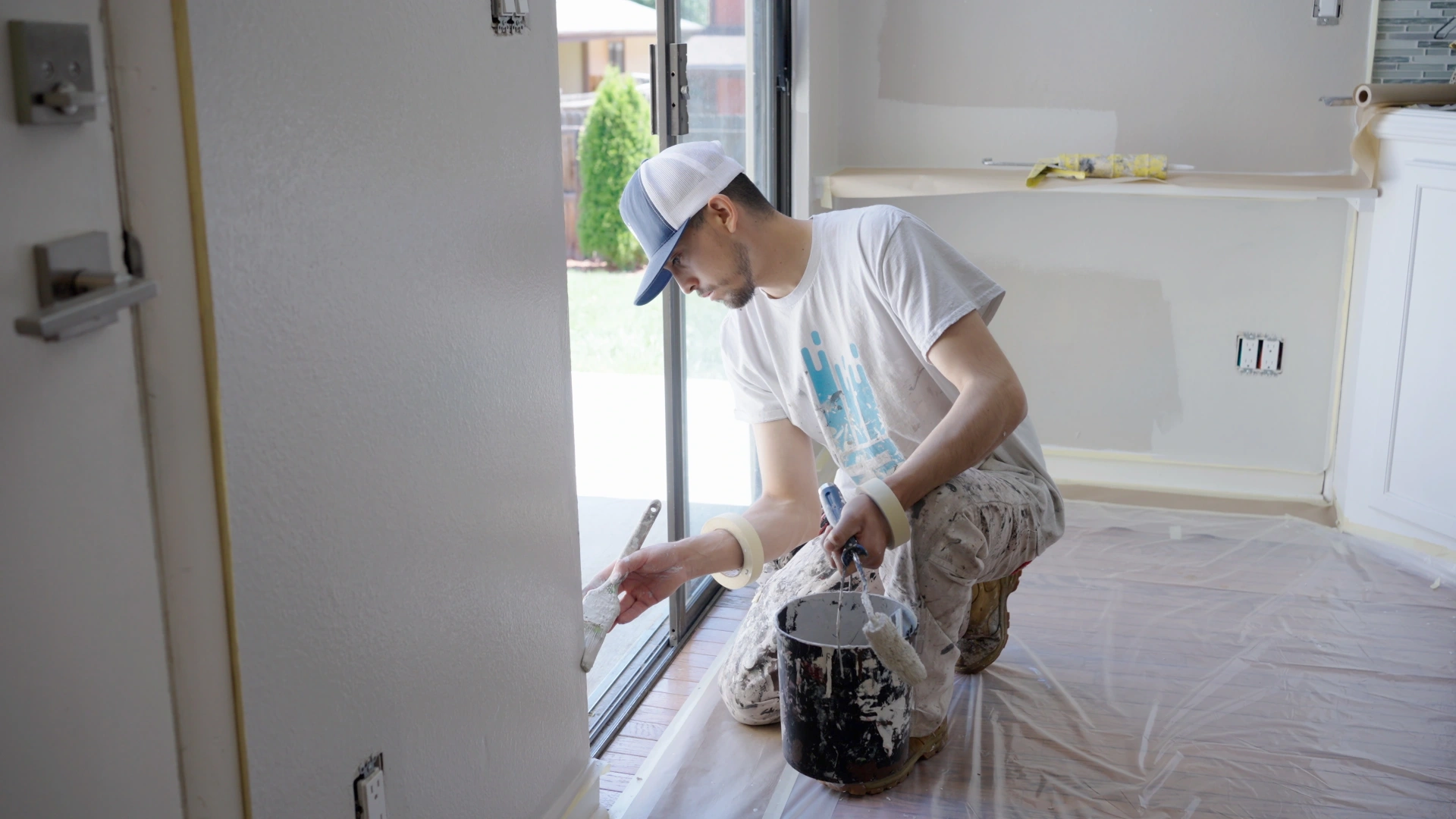
We power-wash the deck surface, sand rough or splintered areas, and apply premium penetrating deck stain with brushes and rollers for deep wood protection against Northwest Atlanta's intense UV and moisture.
Clean, Sand & Stain. We power-wash the deck surface, sand rough or splintered areas, and apply premium penetrating deck stain with brushes and rollers for deep wood protection against Northwest Atlanta's intense UV and moisture.
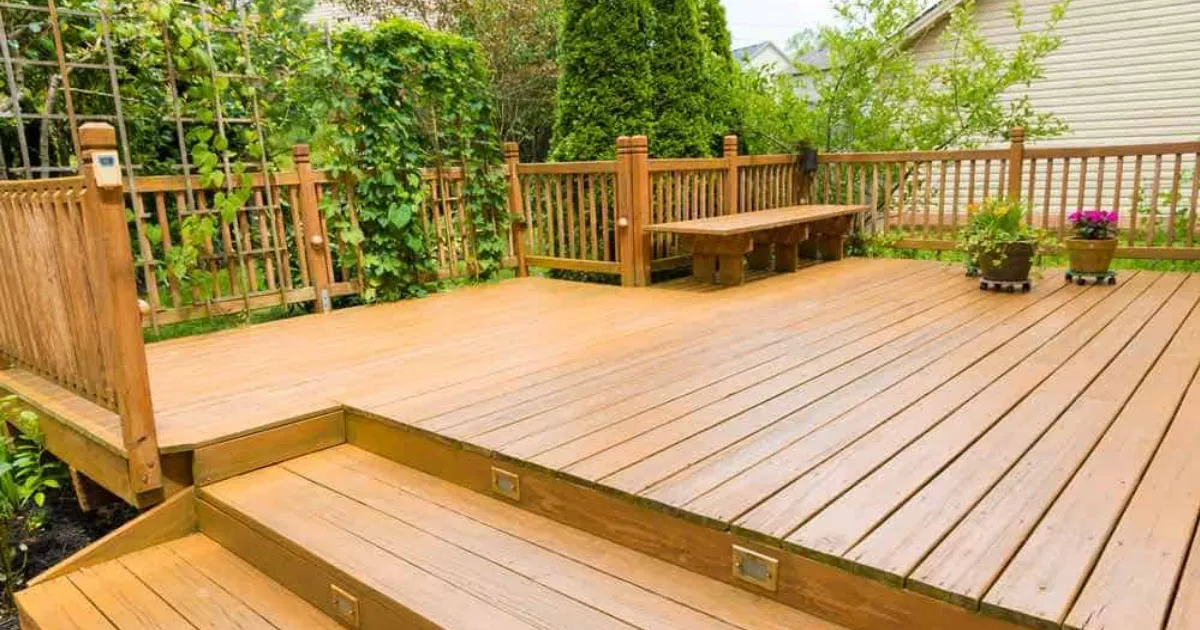
We walk the completed deck staining with you, check for even coverage and penetration, and provide maintenance tips to extend the life of your stain in Central Georgia weather.
Final Inspection. We walk the completed deck staining with you, check for even coverage and penetration, and provide maintenance tips to extend the life of your stain in Central Georgia weather.

What Deck Staining Costs in Northwest Atlanta (2026)
Average ROI on wood deck improvements
Zonda Cost vs. Value, 2024
Maximum added resale value
Angi
How often an untreated wood deck needs retreatment
industry standard
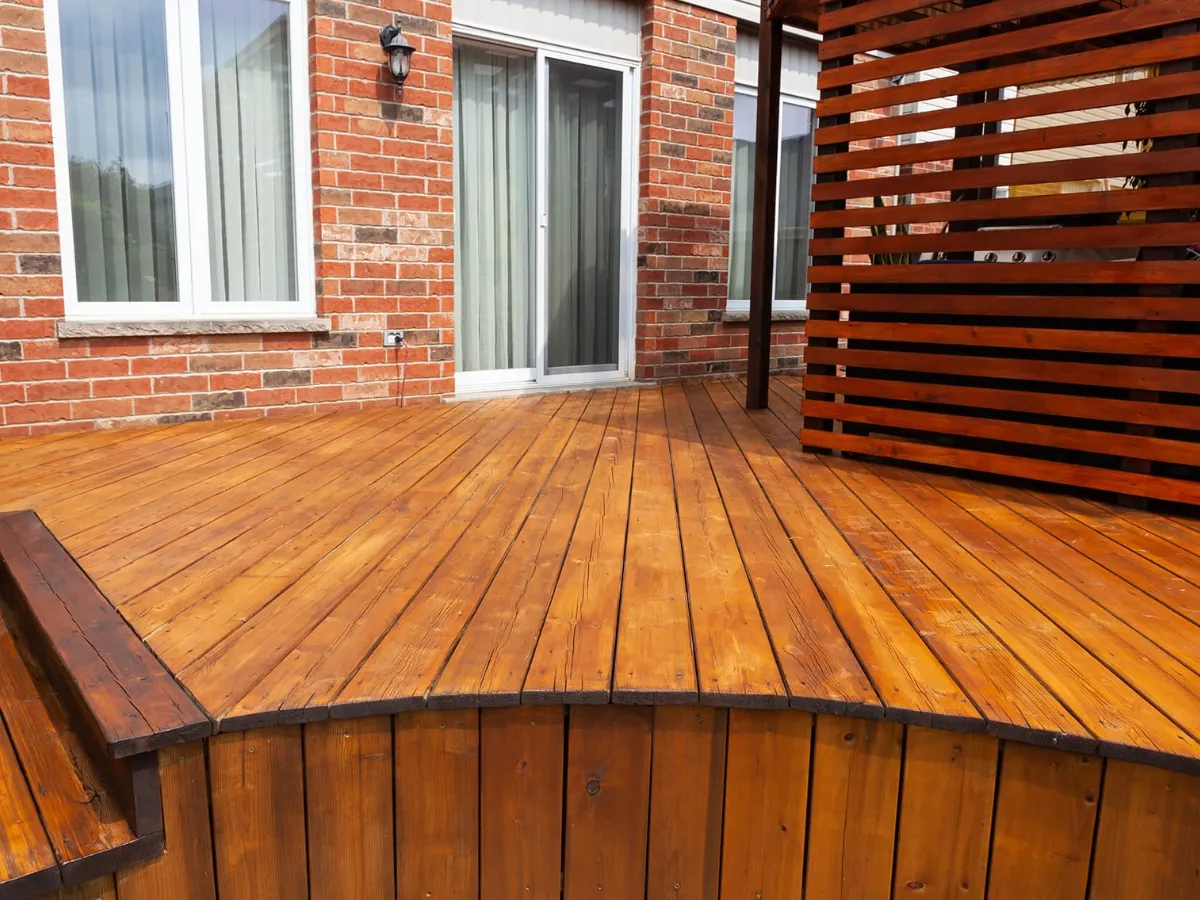
Deck Staining Portfolio Gallery
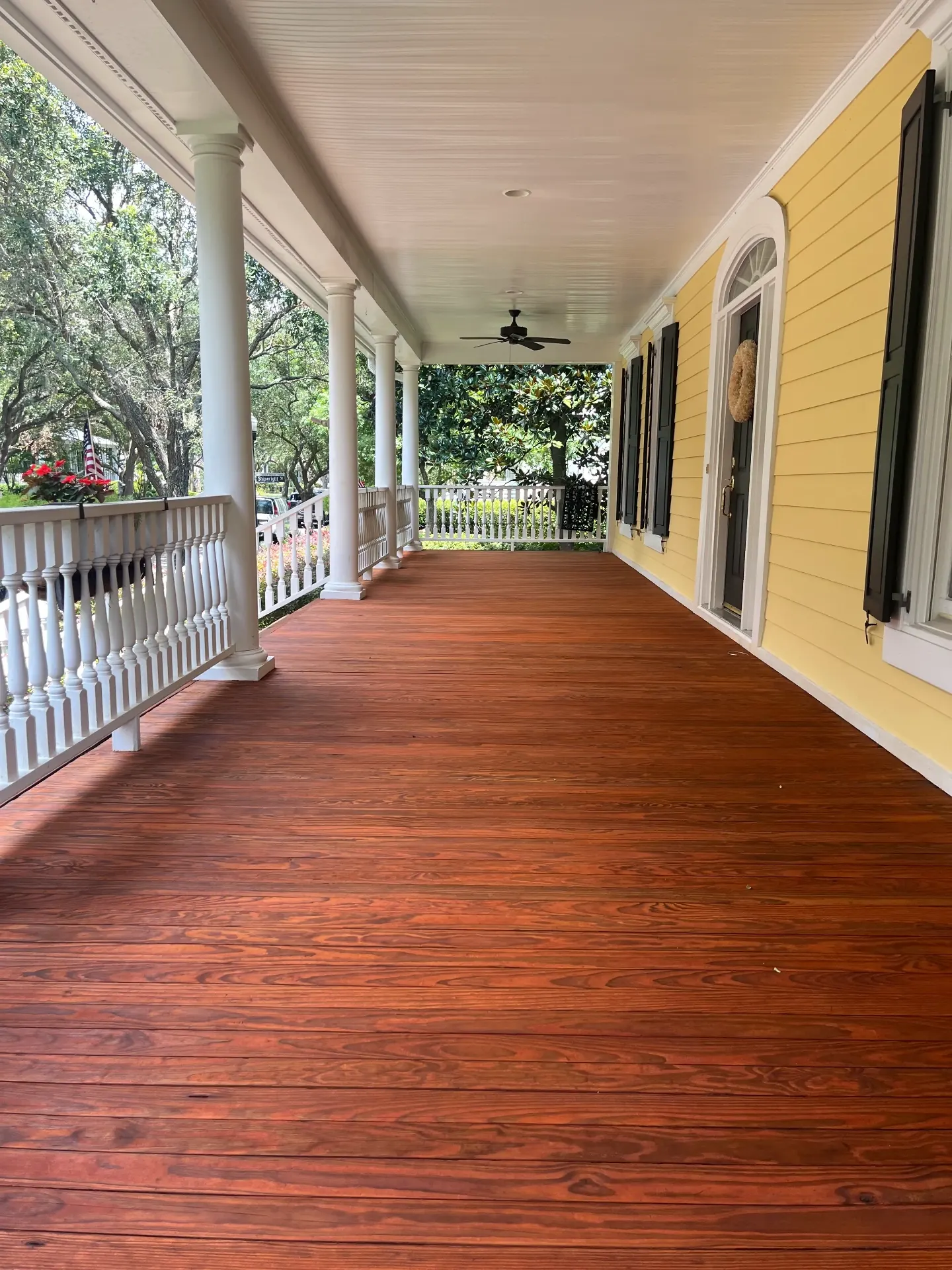
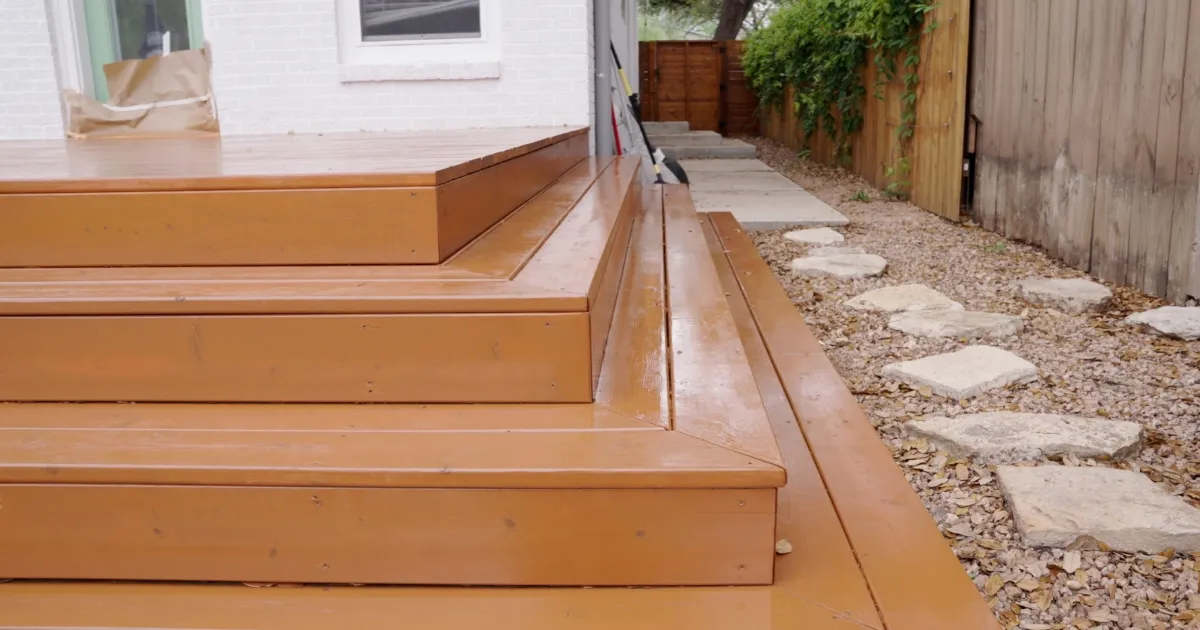
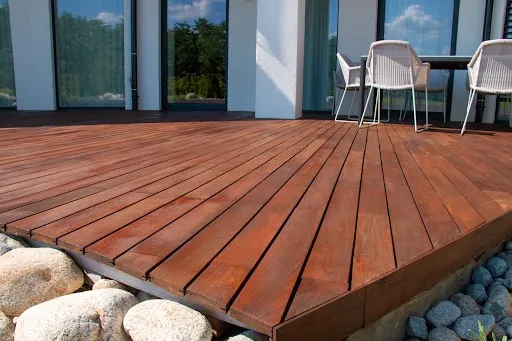
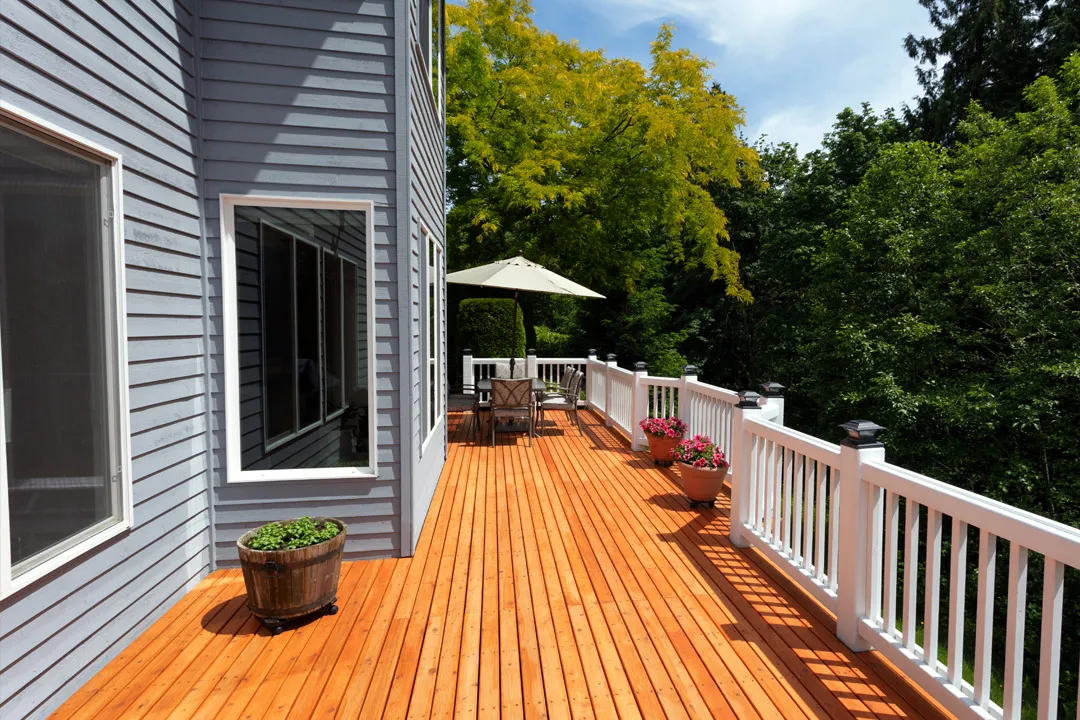
Trusted Paint Partners


Deck Staining for Northwest Atlanta Backyards
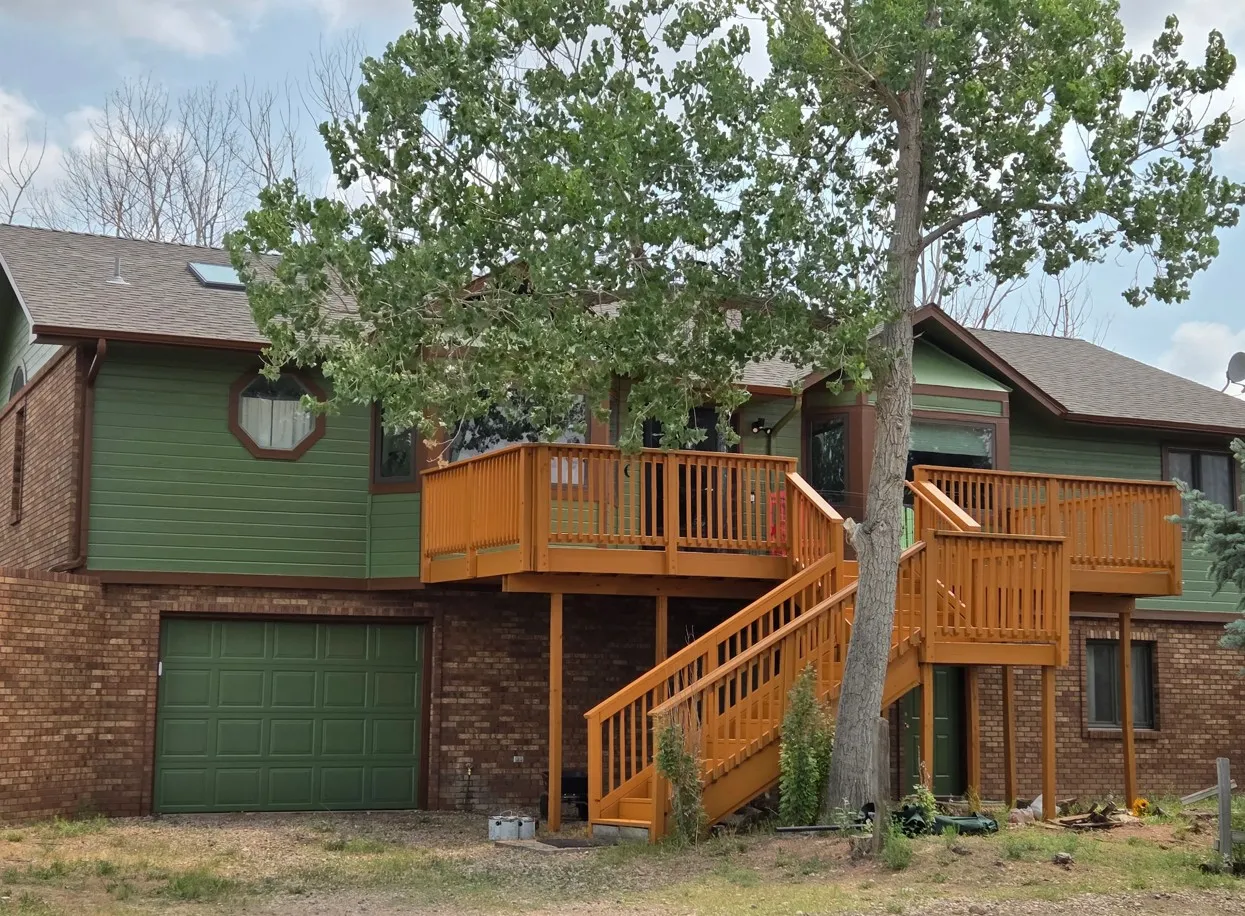
Pressure-treated pine is the most common deck material across Cobb and Cherokee, and it reacts strongly to Georgia sun and damp. Raised decks off the back of two-story homes in Acworth, Kennesaw and Woodstock take full afternoon heat on the top boards while the joists below stay shaded and wet. Homes on sloped lots toward Lake Allatoona and the Etowah River often have tall decks with long stair runs, which adds access work and many more surfaces to coat.
Choosing the stain depends on the age and condition of the wood. Semi-transparent products show grain and suit boards with little weathering, while solid stains give more protection on older decks with checking, raised grain or patchy prior coats. Old film-forming coatings that are peeling must be stripped rather than covered, or the new stain will fail along with them. Product choice is explained on site before anything is ordered.
Cleaning is the step that decides how well the stain soaks in. A pressure washing pass at the right pressure for softwood lifts pollen, mildew and grey fibers without furring the surface. Where the same backyard has a weathered privacy fence, fence staining fits into the same visit, and loose boards or failed railings can be handled through repair and maintenance before stain.

Our 3-Year Warranty
Your peace of mind, at the top of mind with our three-year transferable warranty. Covers the painting job, even if you sell the house.
Download Warranty
Deck Staining FAQs in Northwest Atlanta
Deck Staining Resources
Expert tips, how-to guides, and inspiration for your next deck staining project.
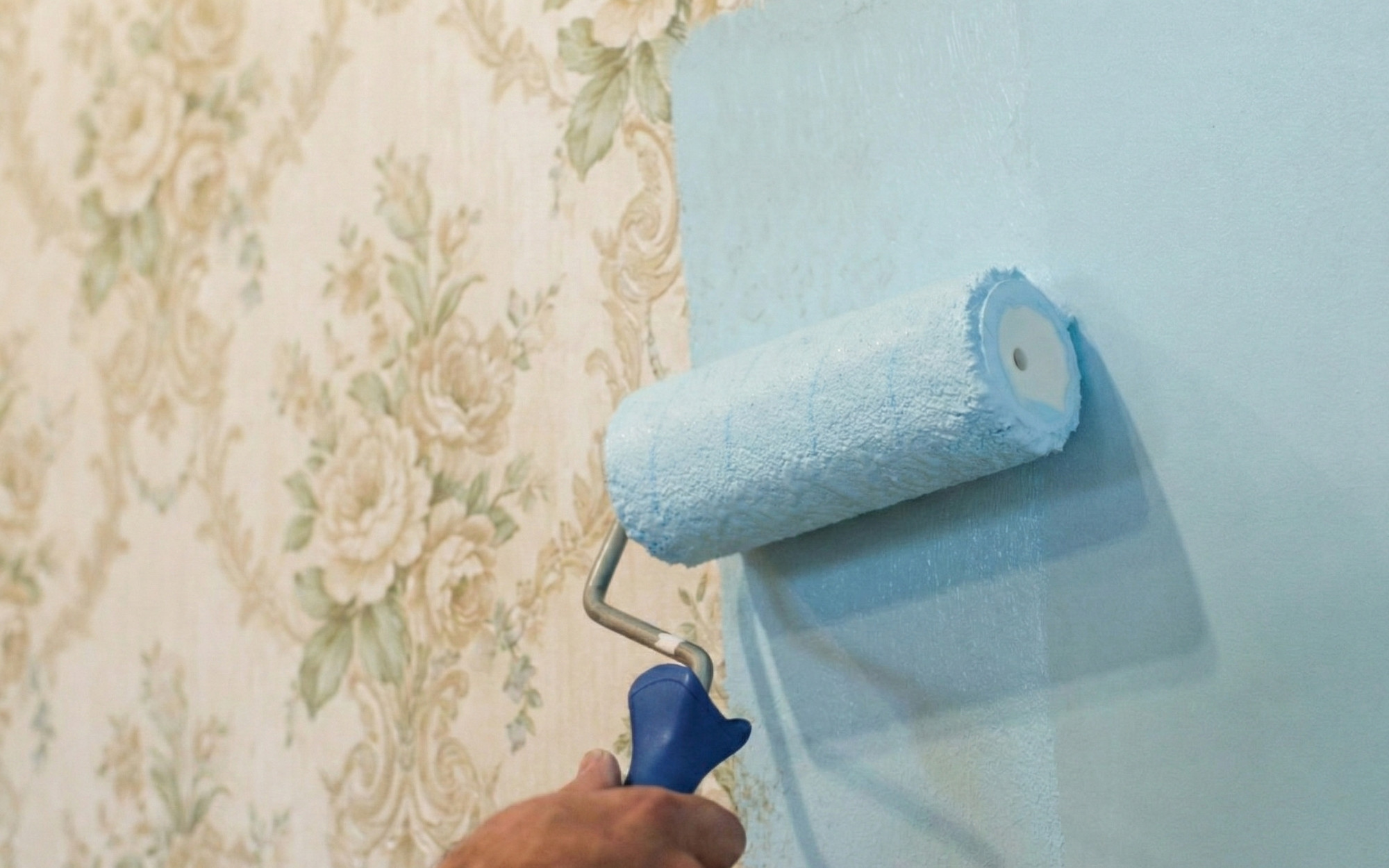
How Often Should You Stain Your Deck in Northwest Atlanta?
Northwest Atlanta's intense UV and rain mean most decks need re-staining every 2–3 years for optimal protection.
Read More →
Deck Stain vs. Deck Paint: Pros and Cons
Stain preserves wood grain and is easier to maintain. Paint offers more color options but can peel.
Read More →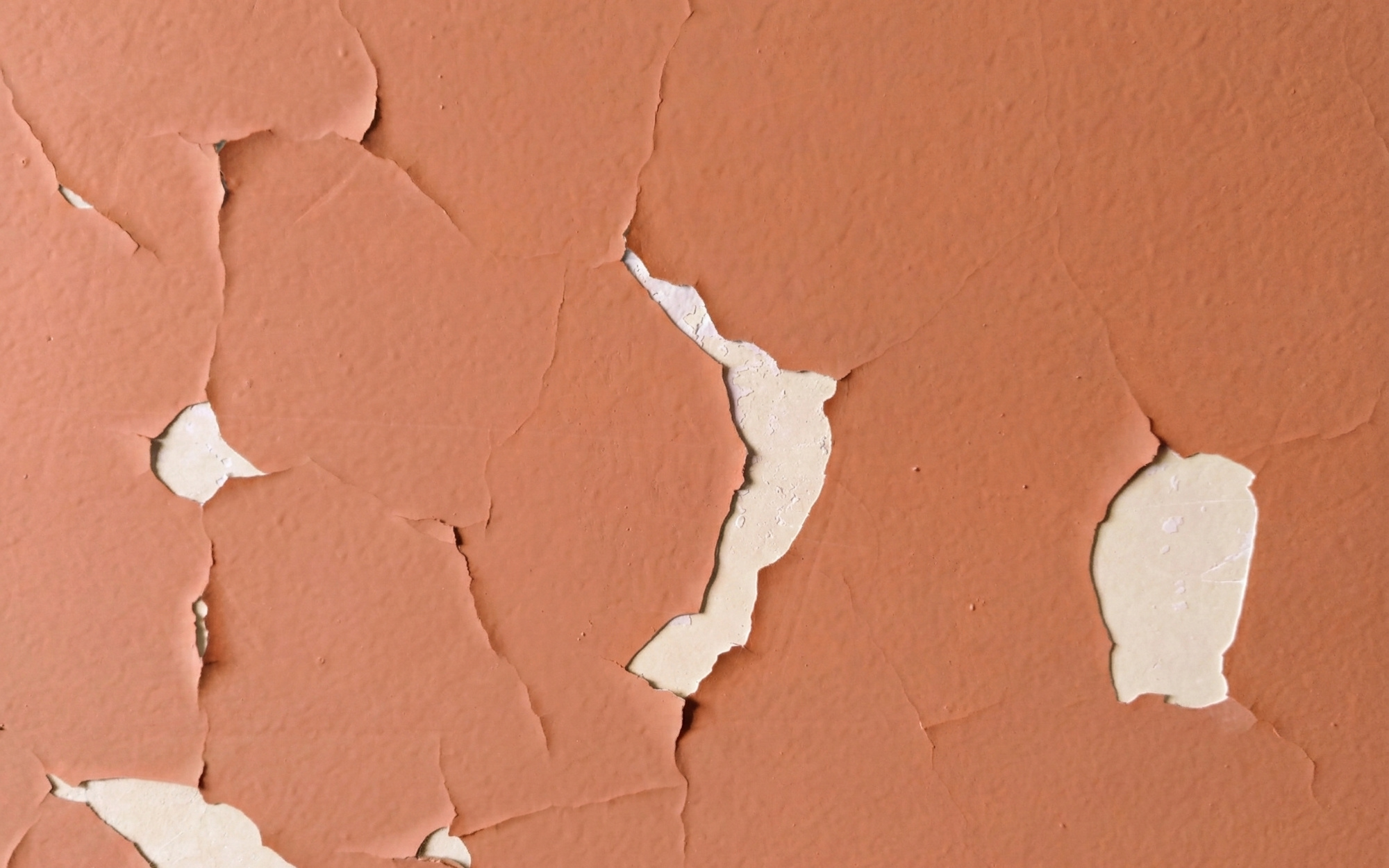
Best Deck Stain Colors for 2026
Natural wood tones and warm grays dominate Northwest Atlanta's outdoor living spaces this year.
Read More →Swipe to explore →
How Often Should You Stain Your Deck in Northwest Atlanta?
Northwest Atlanta's intense UV and rain mean most decks need re-staining every 2–3 years for optimal protection.
Read More →Deck Stain vs. Deck Paint: Pros and Cons
Stain preserves wood grain and is easier to maintain. Paint offers more color options but can peel.
Read More →Best Deck Stain Colors for 2026
Natural wood tones and warm grays dominate Northwest Atlanta's outdoor living spaces this year.
Read More →