"I had such a wonderful experience with this company and their performance at my home. They did such a fantastic job and…"
Spencer Flynn

but seamless.
Stucco Repair for homes and businesses across Texarkana and neighborhoods including Ashdown, Atlanta, De Kalb. That 1 Painter Texarkana brings background-checked W-2 crews, premium products, and a 3-year transferable warranty to every project in Texas.
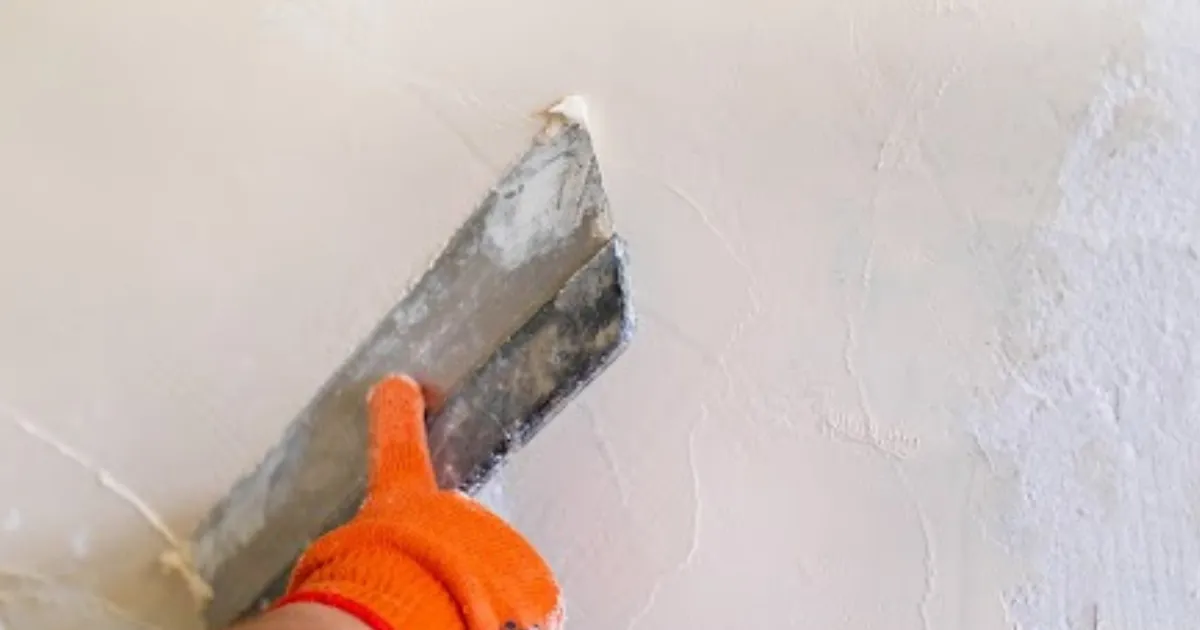
Your project manager identifies your stucco system (traditional hard-coat, EIFS, or lime-based historic) and confirms the cause of the damage. We capture the existing texture with a sample and review repair scope and color match before scheduling.
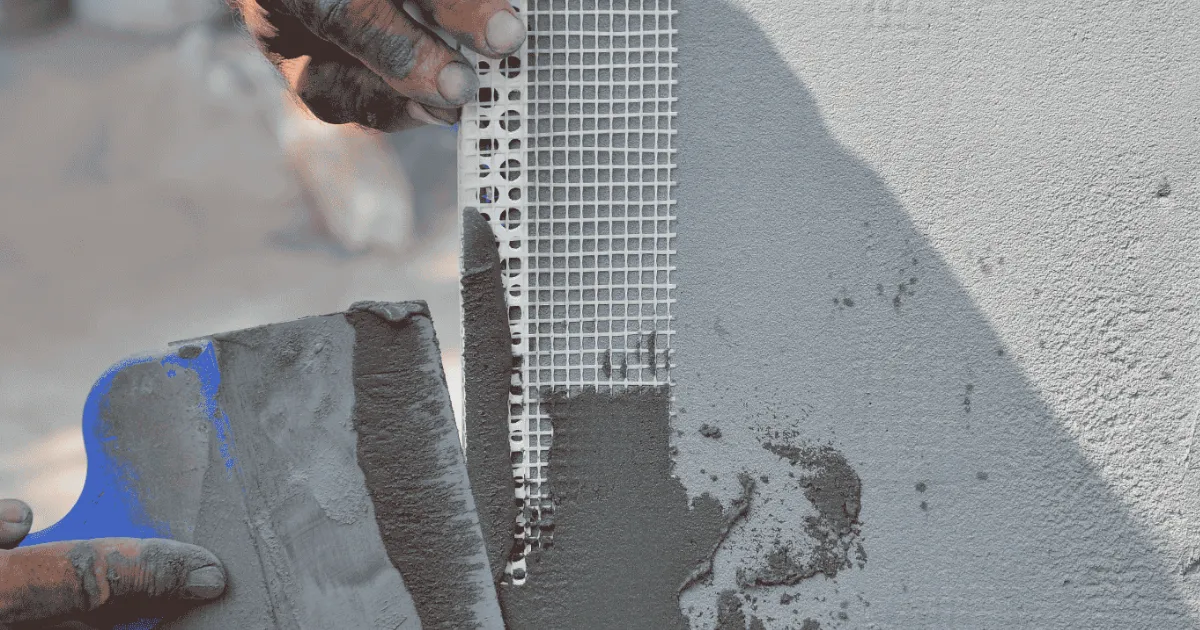
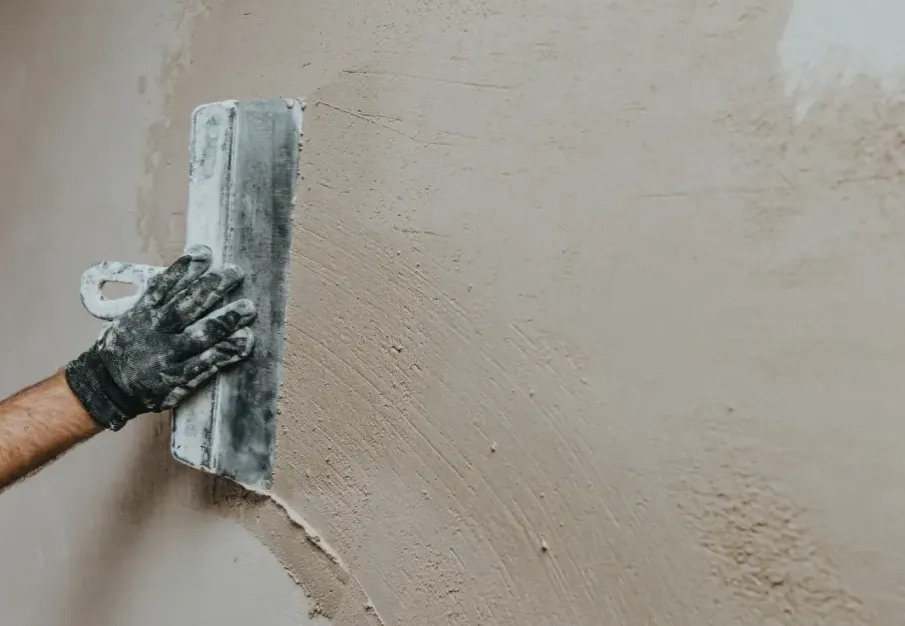
Cracks are widened and cleaned for a sound key. Larger areas are removed back to a stable edge and any moisture issue is addressed. System-matched patch material is applied in layers and worked with the right tool to match the surrounding texture.
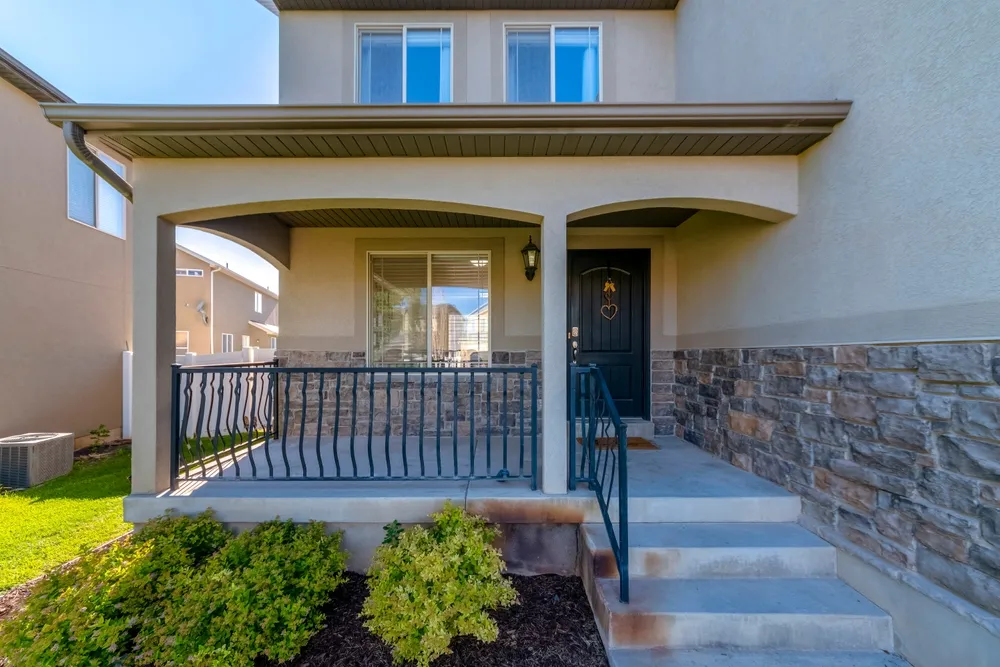
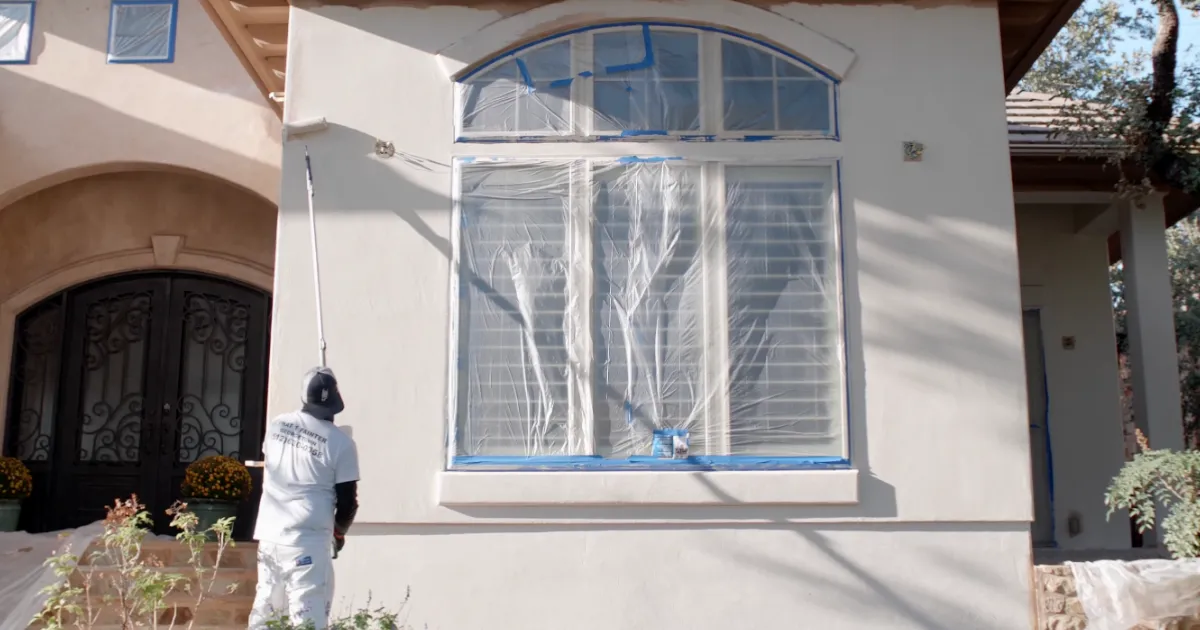
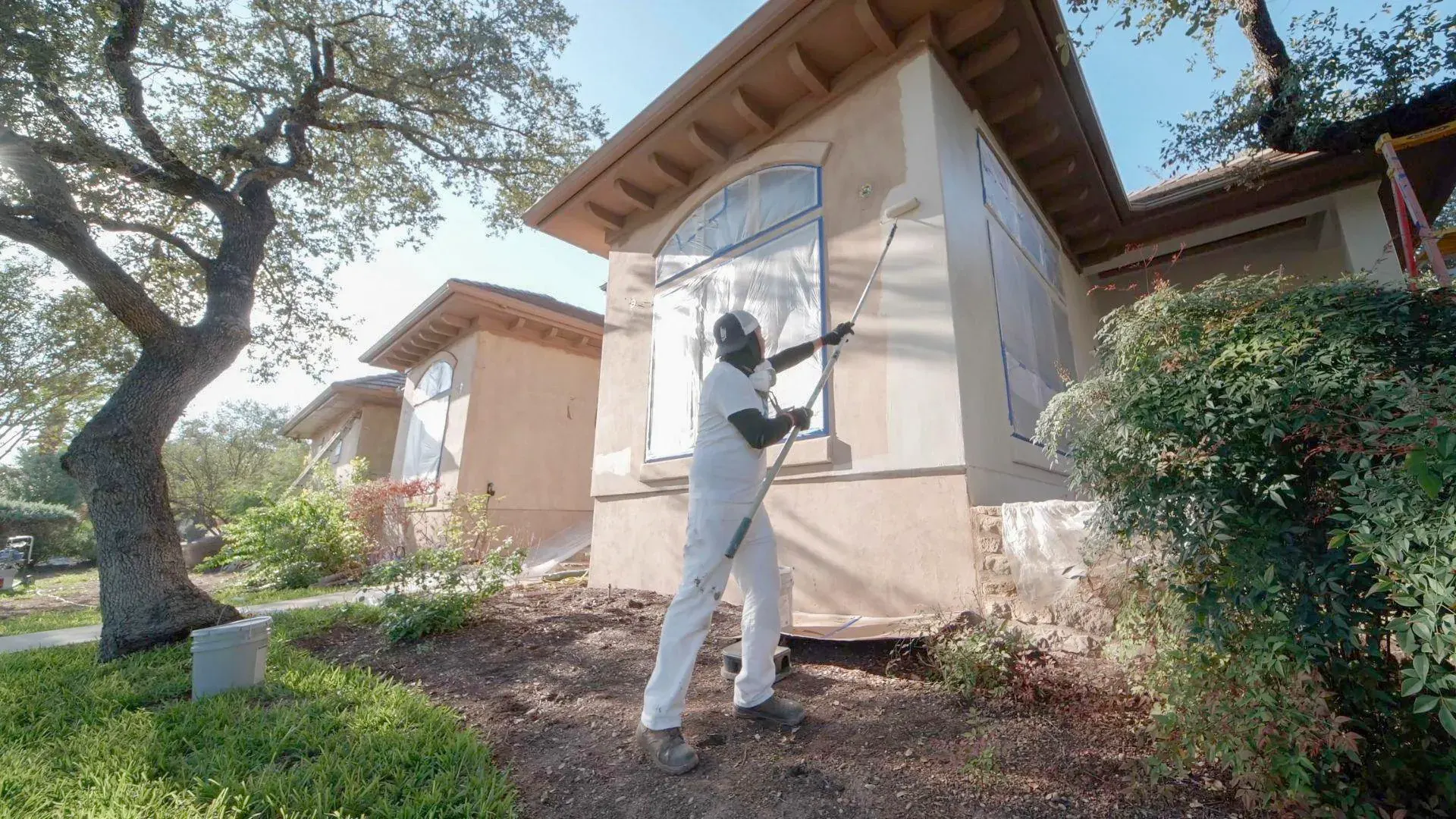
Cementitious patches need several days to cure before painting. Once cured, we prime with a masonry-rated primer and apply matching topcoat or elastomeric finish, often coating the full wall for color uniformity.
Your project manager identifies your stucco system (traditional hard-coat, EIFS, or lime-based historic) and confirms the cause of the damage. We capture the existing texture with a sample and review repair scope and color match before scheduling.
Cracks are widened and cleaned for a sound key. Larger areas are removed back to a stable edge and any moisture issue is addressed. System-matched patch material is applied in layers and worked with the right tool to match the surrounding texture.
Cementitious patches need several days to cure before painting. Once cured, we prime with a masonry-rated primer and apply matching topcoat or elastomeric finish, often coating the full wall for color uniformity.
Number of Territories
0+
Number of Paint Jobs
0+
5-Star Reviews5-Star
Reviews5 Star Reviews
0+
"I had such a wonderful experience with this company and their performance at my home. They did such a fantastic job and…"
Spencer Flynn
"Excellent painting service. Andrés López was very professional from the first contact, meeting deadlines and delivering…"
Viviana Torres
"I had a great experience with this painting company especially with Andres. He was an excellent person from start to fin…"
Yamilet López
"Can't say enough about the job Junior and Fernanda did on our interior and outside stucco. They were attentive to detail…"
Brian Wheelis
"I had such a wonderful experience with this company and their performance at my home. They did such a fantastic job and…"
Spencer Flynn
"Excellent painting service. Andrés López was very professional from the first contact, meeting deadlines and delivering…"
Viviana Torres
"I had a great experience with this painting company especially with Andres. He was an excellent person from start to fin…"
Yamilet López
"Can't say enough about the job Junior and Fernanda did on our interior and outside stucco. They were attentive to detail…"
Brian Wheelis
"I had such a great experience with this painting service. A friend recommended them and I'm so glad they did. They were…"
Veronica Pulido
"Excellent job all around. Incredibly communicative and punctual and takes the time to quickly understand your vision. Ev…"
Kris Hodges
"Thank you for the work you did in my house — the paint turned out just the way I wanted, and my living room looks like n…"
Julieta Muñoz
"I had a great experience with the company and great professionalism from Ericsson, great communication and a great attit…"
Giovanni Garayua
"We've collaborated with That1Painter multiple times on different projects here in Austin — everything has always been sm…"
flexpainterstexas
"I'm very happy with the great job you did in my house. I highly recommend you and will continue working with you. Thanks…"
Natalia Castaño
"I had my full interior painted with That1Painter and I'm genuinely impressed. The whole process felt organized, clean an…"
St Luka
"I've been working with Kay from That 1 Painter, and he's an excellent professional. Kay has a remarkable work ethic — al…"
Alexei Racila
"Had a great experience with That1Painter. They painted our kitchen and the result turned out beautiful — clean lines, sm…"
Victor Ross
"Herman and his crew are exceptional! Their work is beautiful and the professionalism is above and beyond. Will use him f…"
J Bammerlin
"They did a great job and didn't stop until the job was completed. They mean it when they say satisfaction guaranteed!"
Naveen Reddy
"I am an interiors designer and worked with Stephanie from That 1 Painter on a project for one of my clients. I couldn't…"
Monica Diaz
"Excellent company, thank you for painting the exterior of my house. You truly met all my expectations — great job! Thank…"
Carol Naranjo
"Excellent work and great service from the team! Thanks Andres for your support."
Kelly Aguirre
"Excelente servicio, muy responsables y el trabajo 10/10 me pintaron la casa y los contrataría otra vez, recomendado, And…"
Ramon Duarte
"I highly recommend this company 100%! They did an amazing job painting my entire house, and I couldn't be happier with t…"
Wilson Arocho
"We had a wonderful experience working with Anji from That 1 Painter! He was professional, on time, and went above and be…"
Carolina Zuniga
"Excellent service and professionalism. Ericsson, the project manager, demonstrated outstanding communication and attenti…"
Arick Liceth Zambrano
"These guys are amazing. Perfect job. Professional and very accommodating. I can't wait for them to do the outside of the…"
Kathy Mitchell
"That 1 Painter met my expectations and beyond. Tommy and his painters were very thorough. The house looks great. I highl…"
Brenda Danks
Average stucco repair cost
HomeAdvisor, 2025
Typical stucco repair cost range
HomeAdvisor, 2025
ROI on manufactured stone veneer (adjacent exterior masonry)
Zonda Cost vs. Value, 2025
Trusted Paint Partners
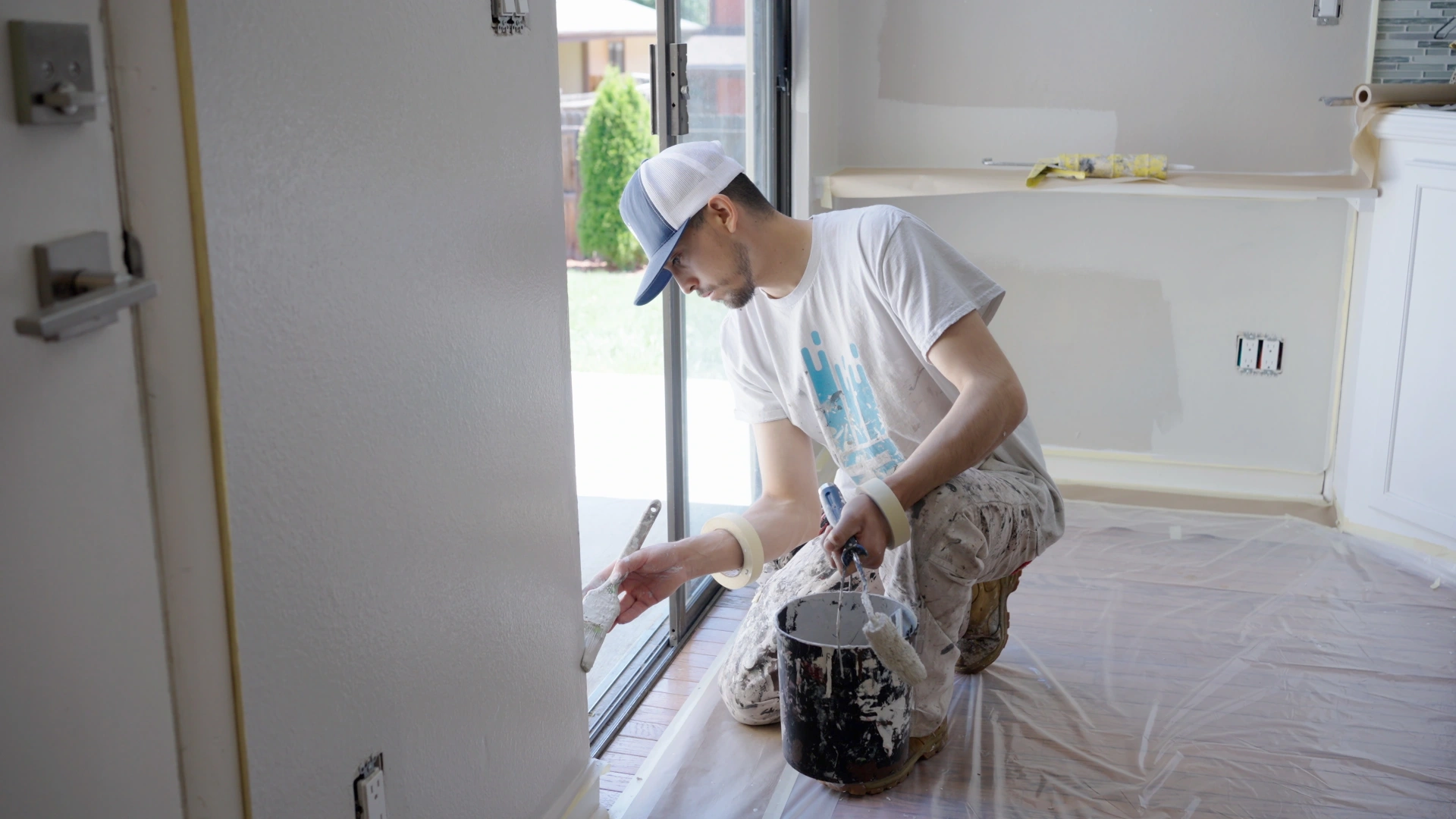
If it peels, cracks, or bubbles — we fix it. No questions asked.
Download WarrantyWhat causes stucco cracks?
Most stucco cracks fall into a few categories: settling cracks (the home has shifted slightly, common in the first few years and after foundation movement), impact cracks (from hail, debris, or contact damage), water-intrusion cracks (where moisture has gotten behind the stucco and freeze-thaw or expansion has cracked the surface), and stress cracks at openings (windows, doors, control joints — where stress concentrates). Hairline cracks are usually cosmetic; larger or step-pattern cracks can indicate structural movement and warrant a closer look. We assess each crack at the estimate and tell you whether it's a cosmetic patch or a sign of a deeper issue.
Hairline cracks vs. structural cracks — which need repair?
Both, but the urgency differs. Hairline cracks are usually cosmetic and don't threaten structure, but they do let water get behind the stucco — and that's how a small cosmetic crack becomes a large structural problem. Sealing hairline cracks with a flexible filler and topcoat is cheap, fast preventive maintenance. Structural cracks (wide, step-pattern, growing over time, or running diagonally from window corners) can indicate foundation movement or framing issues and need to be evaluated by a structural professional before stucco repair. We'll tell you which category your cracks fall into.
Can stucco be patched invisibly?
Yes — the variable is texture matching, not the patch material. Stucco textures are highly varied: float, sponge, dash, lace, smooth troweled, and many regional variations. Each is applied with a specific tool and technique, and matching the existing wall requires both the right tool and the right hand. We test the texture in a small inconspicuous area before committing to the visible repair, and adjust until it blends. Color matching is the second variable: we typically recoat the entire repaired wall (corner to corner) rather than spot-painting just the patch, to ensure the color reads as uniform.
Do you handle EIFS (synthetic stucco)?
Yes — but EIFS repair is fundamentally different from traditional hard-coat stucco repair, and we identify which system your home has at the estimate. EIFS is a multi-layer system (insulation board, base coat with mesh, finish coat) and damage often involves more than just the surface. EIFS repairs require manufacturer-specific patch systems and proper sequencing to maintain the system's water-management design. For larger EIFS damage or any sign of moisture intrusion behind the panels, we coordinate with EIFS-certified specialists for the structural portion and handle the finish work.
How do you match existing stucco texture?
By identifying the technique used originally and replicating it with the right tool. Float texture uses a wood or rubber float worked in circles. Sponge finish uses a damp sponge stippled into wet stucco. Dash texture is flicked from a brush. Lace is troweled smooth then re-troweled in sweeping arcs. We'll often do a small test area first — match texture, let it cure, evaluate against the surrounding wall, and refine technique before applying to the visible repair. For unusual or historic textures, we may need to bring in a sample from a hidden area to study before working on the public-facing wall.
How long does stucco repair last?
When done correctly with the right materials for the substrate, stucco repairs are essentially permanent — they become part of the wall and last as long as the surrounding stucco. The exceptions are repairs done with the wrong material (Portland-based patches on lime-based historic walls can fail at the bond line in a few years), repairs that don't address the underlying water-intrusion or movement issue (the crack returns through the patch), and EIFS repairs done without the manufacturer's prescribed system. We use the right system for your wall so the repair holds long-term.
Do you paint over the repairs?
Yes — repairs are primed and topcoated as part of the project. Stucco-specific masonry primer (Sherwin-Williams Loxon Concrete & Masonry or equivalent) is applied first to neutralize alkalinity and give the topcoat a sound bond. We typically recommend painting the entire affected wall corner-to-corner rather than spot-painting just the patch, to ensure color and sheen are uniform. For homes that need a full facade refresh, an elastomeric recoat over the repaired stucco delivers a unified finish and seals against future water intrusion.
Can stucco repair be done in wet weather?
No. Stucco patches need dry surfaces to bond properly, and cementitious patch materials need stable temperature and humidity to cure correctly. We schedule repairs around weather windows that allow at least the patch application and initial set to happen in dry conditions, and we won't work in active rain or when rain is forecast within the curing window. Cold-weather work (sustained below ~40°F) is also problematic for most patch systems. Your project manager will give you a weather-aware schedule when the work is booked.
How much does stucco repair cost vs. recoating vs. replacement?
Per-area patch repair commonly runs $200–$1,500 depending on size and complexity, which is the right call for localized damage. Full elastomeric recoat of a stucco facade typically runs $3,500–$10,000+ depending on home size and prep — a good move when there are many small repairs and the existing finish is faded or chalked. Full stucco replacement is the most expensive option ($8,000–$25,000+) and only makes sense when the underlying system has failed structurally or moisture has compromised the substrate. We'll tell you honestly which approach fits your wall.
What are the signs of water damage behind stucco?
Bulging or soft areas in the stucco, dark staining or efflorescence (white mineral deposits) on the surface, paint peeling or bubbling without an obvious cause, visible mold or mildew at the wall base, interior wall stains that line up with the exterior wall, or a hollow sound when tapped over a previously sound area. Any of those is a signal that water has gotten behind the stucco and the substrate may be compromised. We'll inspect carefully and recommend an evaluation of the wall assembly before doing surface repairs that could mask a structural issue.
Does stucco need to be sealed or painted?
Stucco doesn't strictly need to be painted — many homes have integrally colored stucco that's never coated. But applied paint or elastomeric coating provides additional water resistance, can hide aging and minor damage, and refreshes faded color. For homes that already have painted stucco, recoating every 7–15 years is typical. Elastomeric coatings last longer than standard masonry paint and bridge hairline cracks, but they're also less breathable — which can be an issue on older lime-based walls that need to release moisture. We'll match the recoat product to your wall system.
Will the repair match the original color?
Stucco color often shifts subtly with age — sun exposure, atmospheric exposure, and the original mix all affect what the wall looks like today versus when it was new. A new patch made to factory color usually doesn't match an aged wall exactly, which is why we typically recoat the entire wall rather than spot-paint the patch. For homes where color matching is critical (HOA-controlled, historic district, color-matched to neighboring units), we can test colors against the existing wall and adjust before the topcoat goes up at scale.
Expert tips, how-to guides, and inspiration for your next stucco repair project.
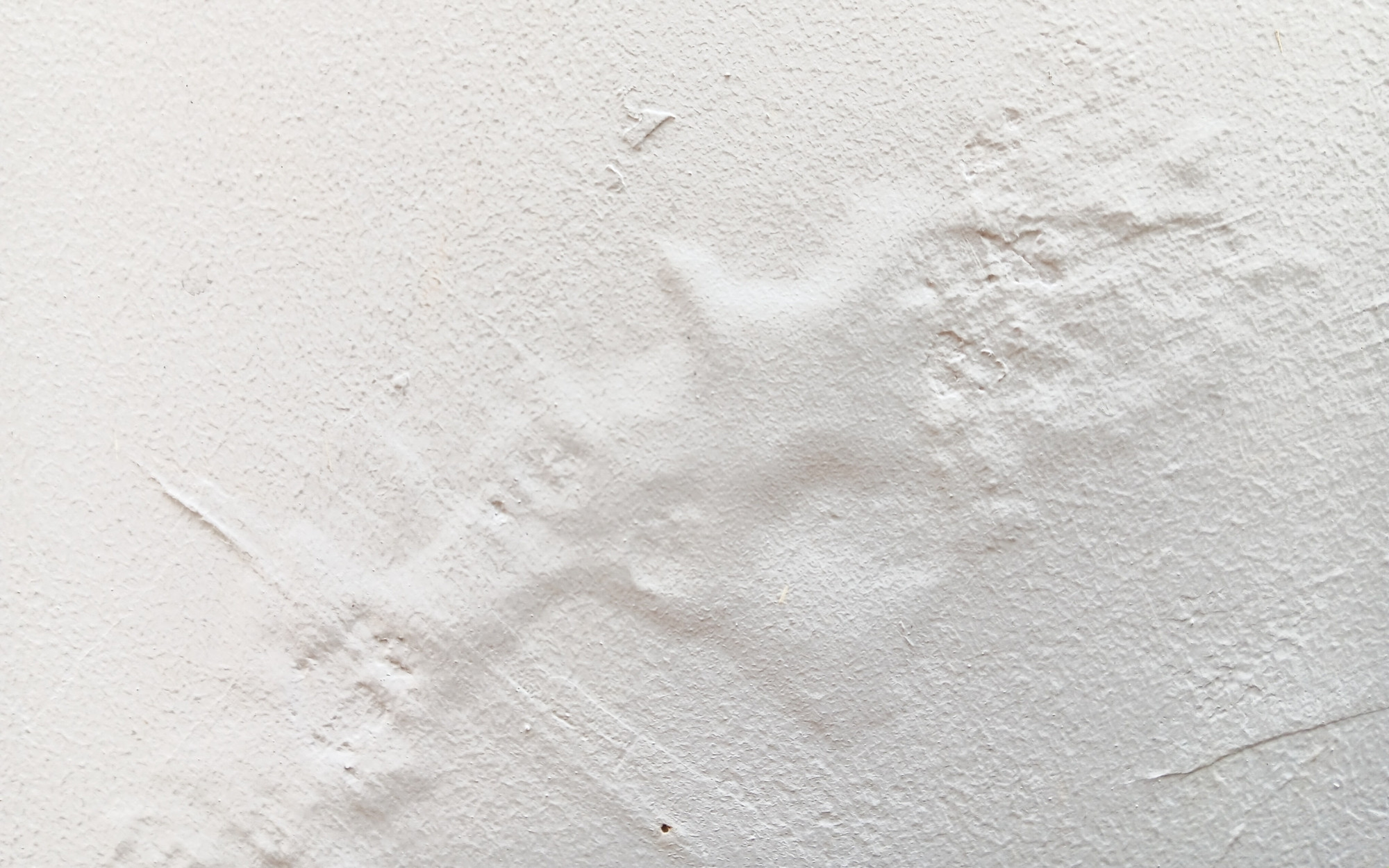
Paint bubbles are a symptom, not a random defect. Identify the root cause — moisture, heat, or poor adhesion — before scraping and repainting.
Read More →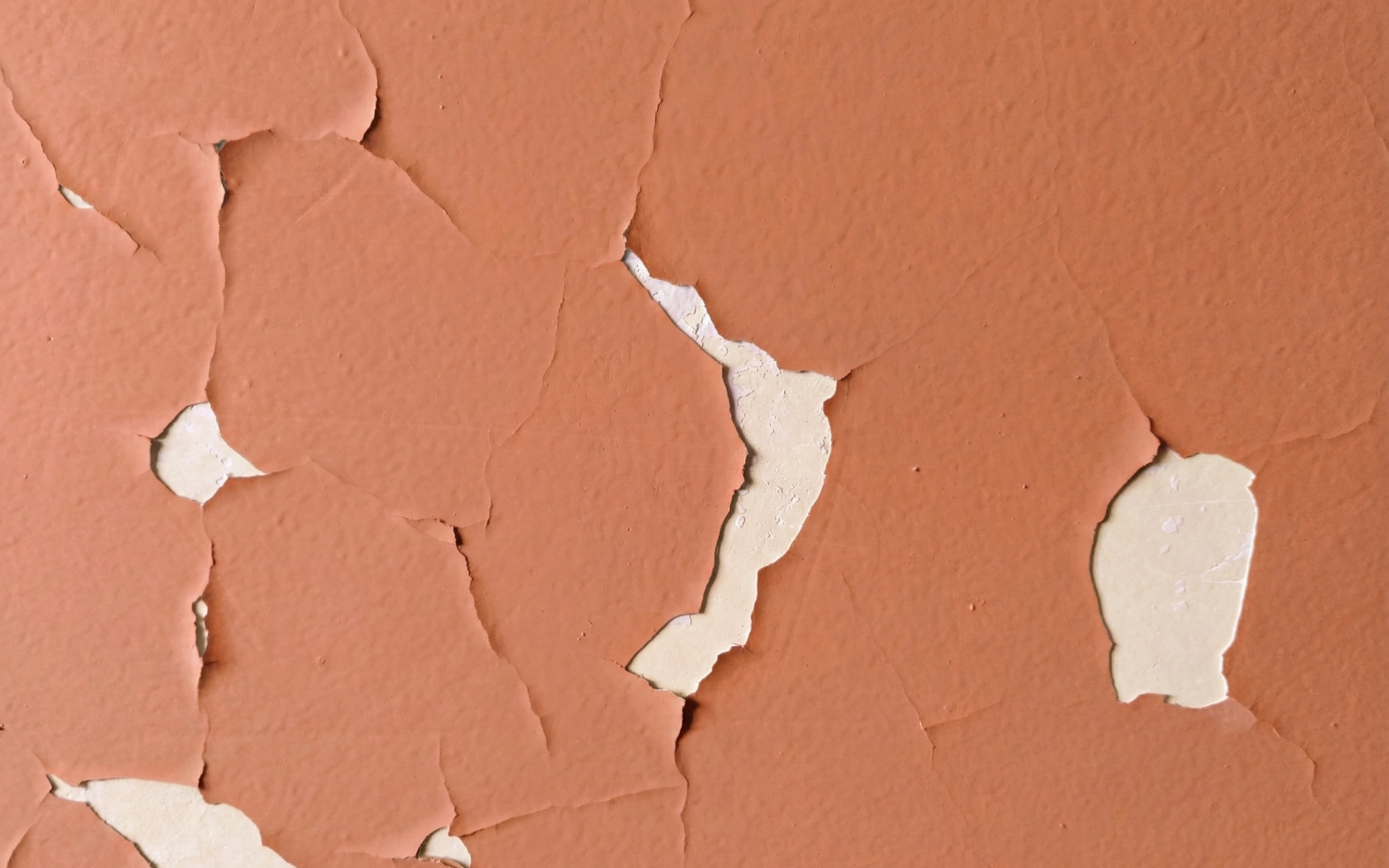
The answer is almost always poor surface prep, moisture intrusion, or a product mismatch between the primer and topcoat.
Read More →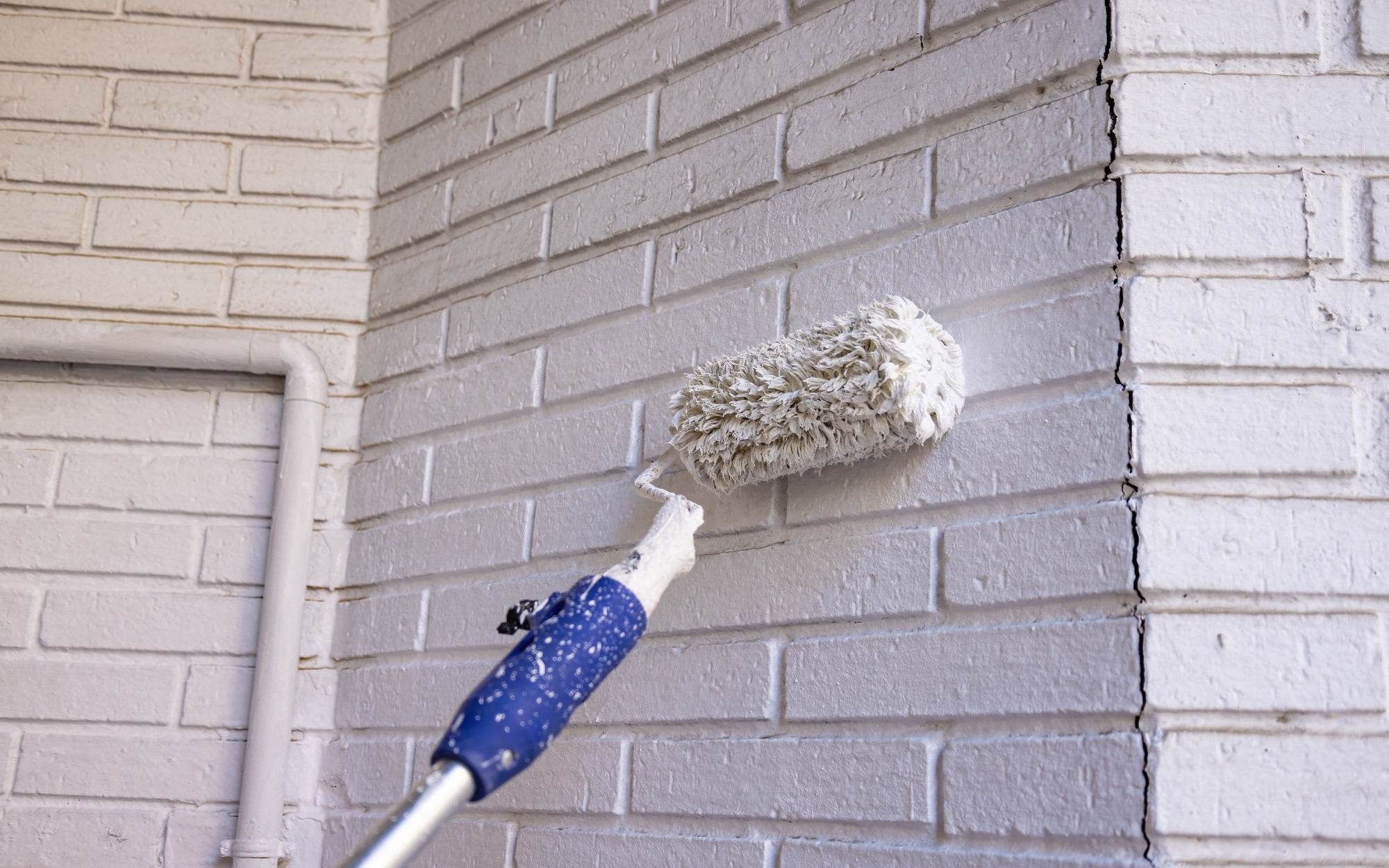
Painting brick is one of the most common exterior questions homeowners ask, and also one of the easiest places to make costly mistakes.
Read More →Swipe to explore →
Paint bubbles are a symptom, not a random defect. Identify the root cause — moisture, heat, or poor adhesion — before scraping and repainting.
Read More →The answer is almost always poor surface prep, moisture intrusion, or a product mismatch between the primer and topcoat.
Read More →Painting brick is one of the most common exterior questions homeowners ask, and also one of the easiest places to make costly mistakes.
Read More →