





"We are glad that we hired That 1 Painters. They were exceptional and exceeded our expectations. We have an 1800sq ft con…"
Peter Durso

WE PAINT
SOUTHERN MAINE

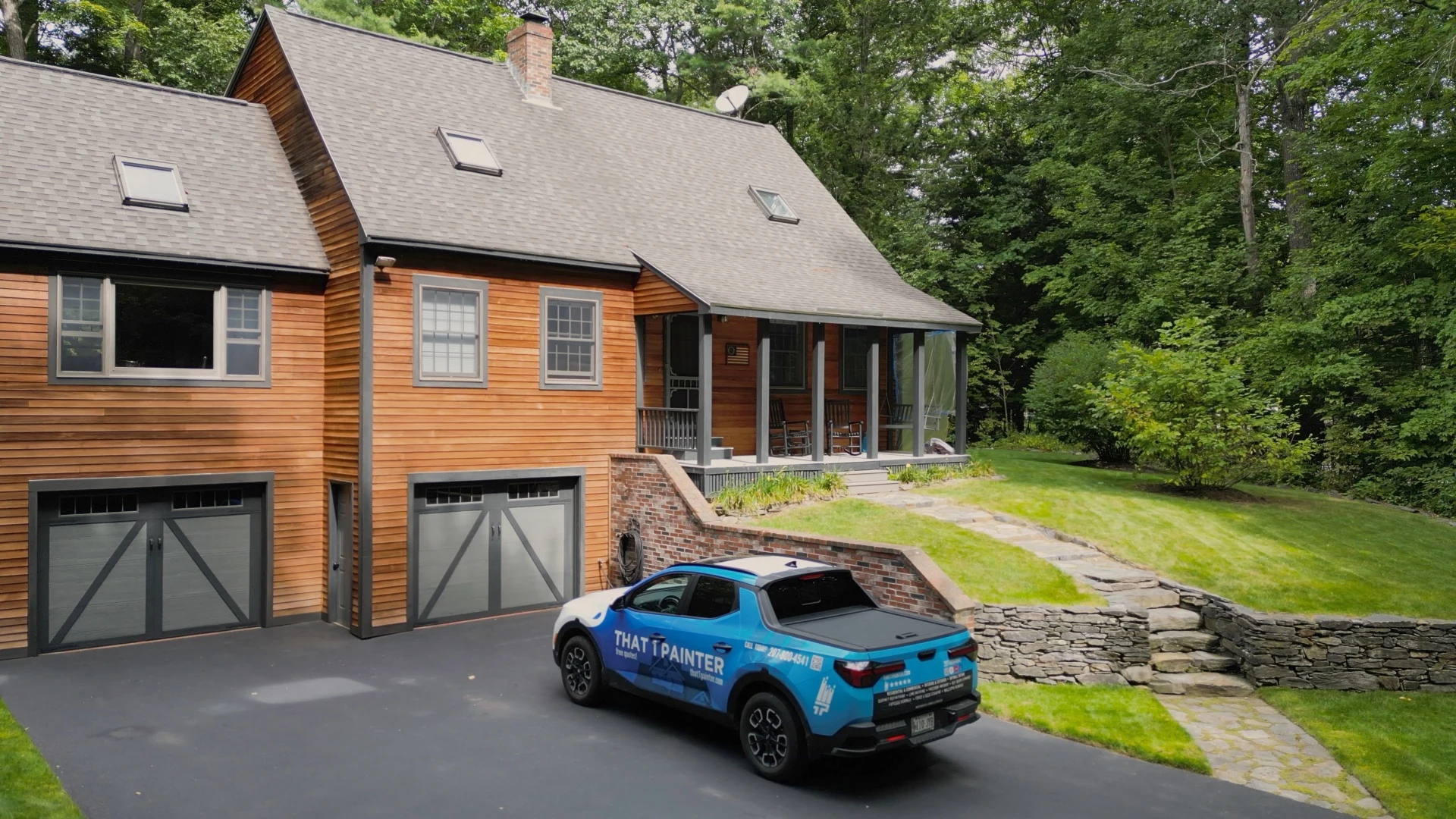
From Waiting bungalows to Southern Maine two-stories and Southern Maine commercial spaces, our Southern Maine team handles the full painting scope: interior, exterior, cabinets, decks, fences, and specialty finishes. Every project is built around Maine weather realities, harsh winter freeze-thaw, ice dams, and salt-laden coastal air drives our prep schedule.
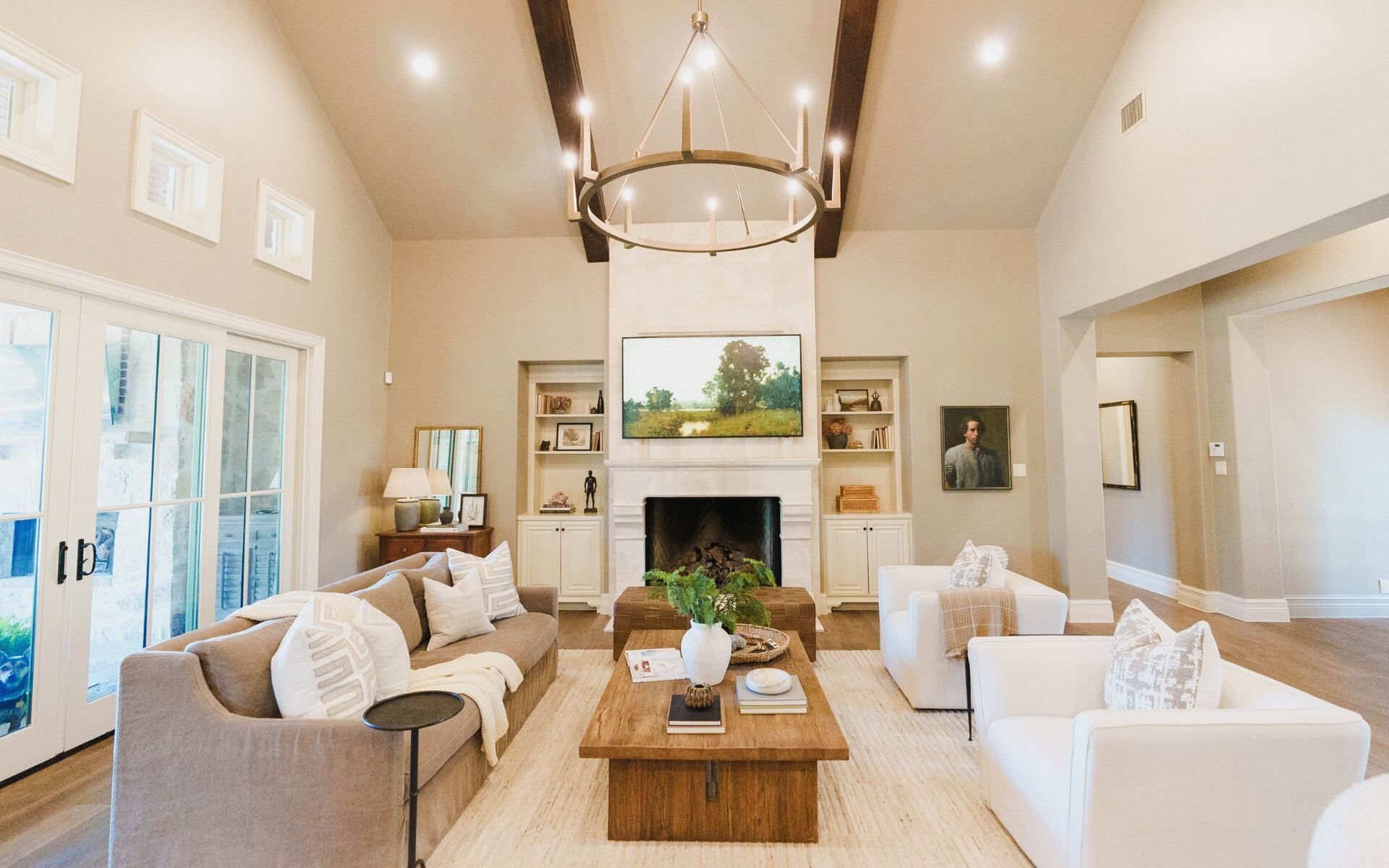
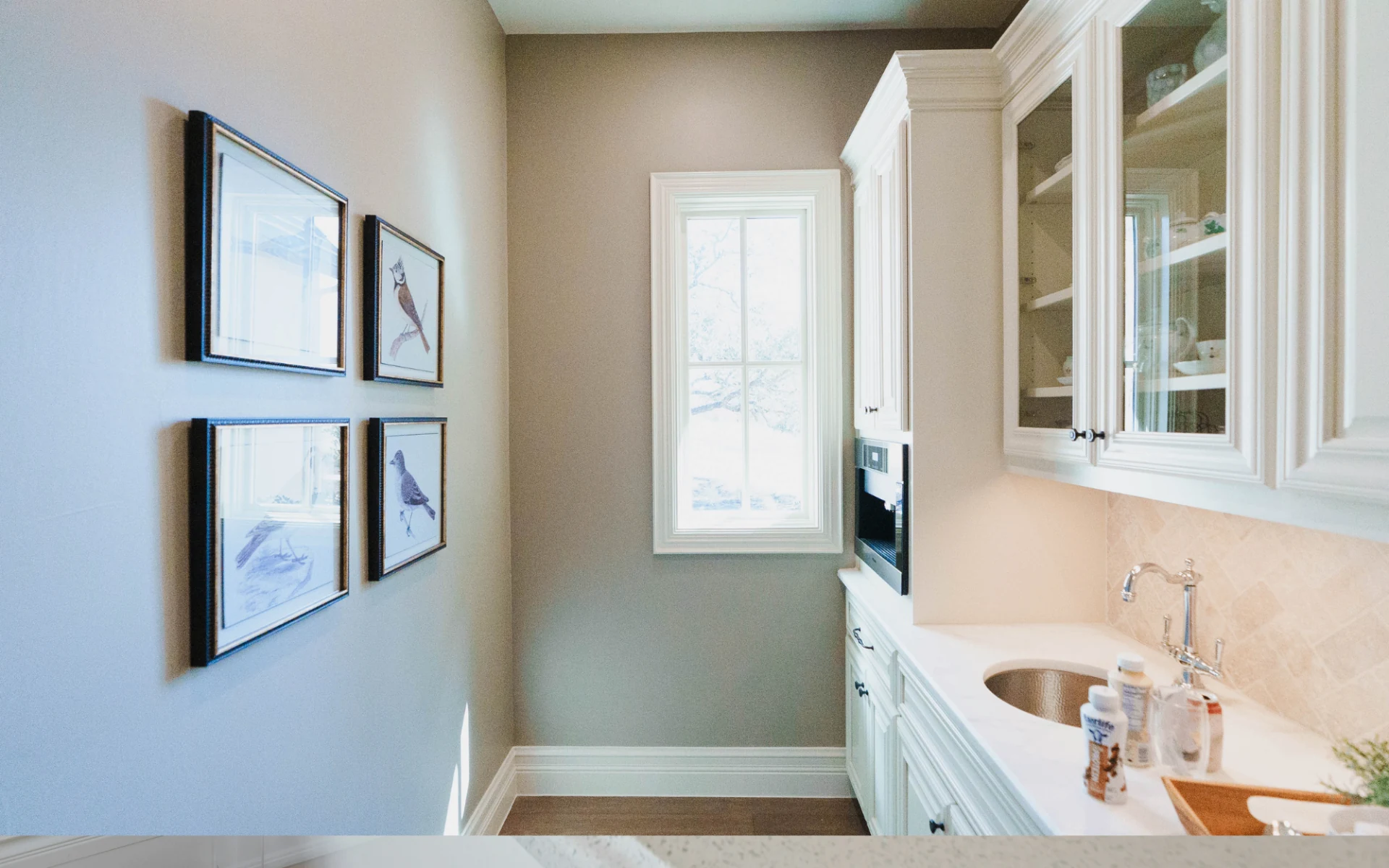
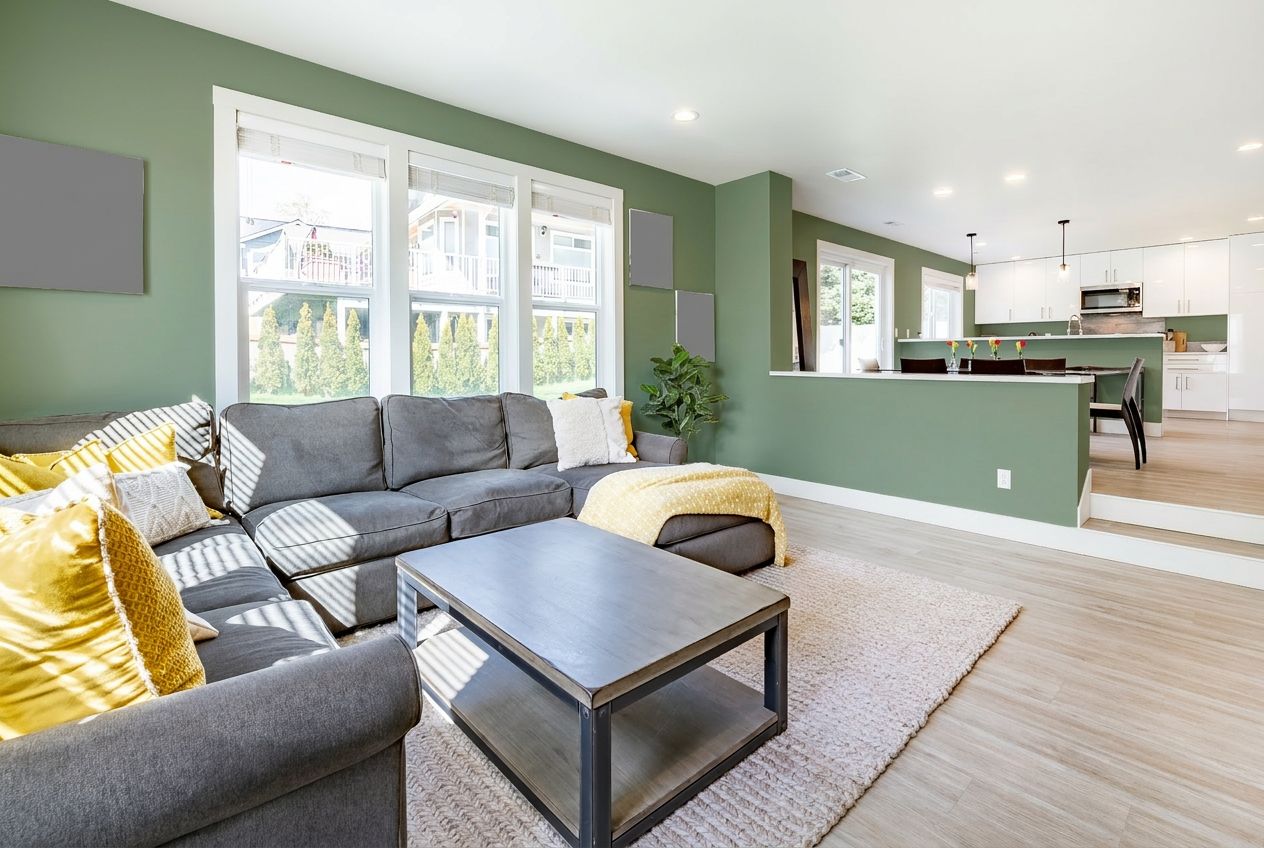
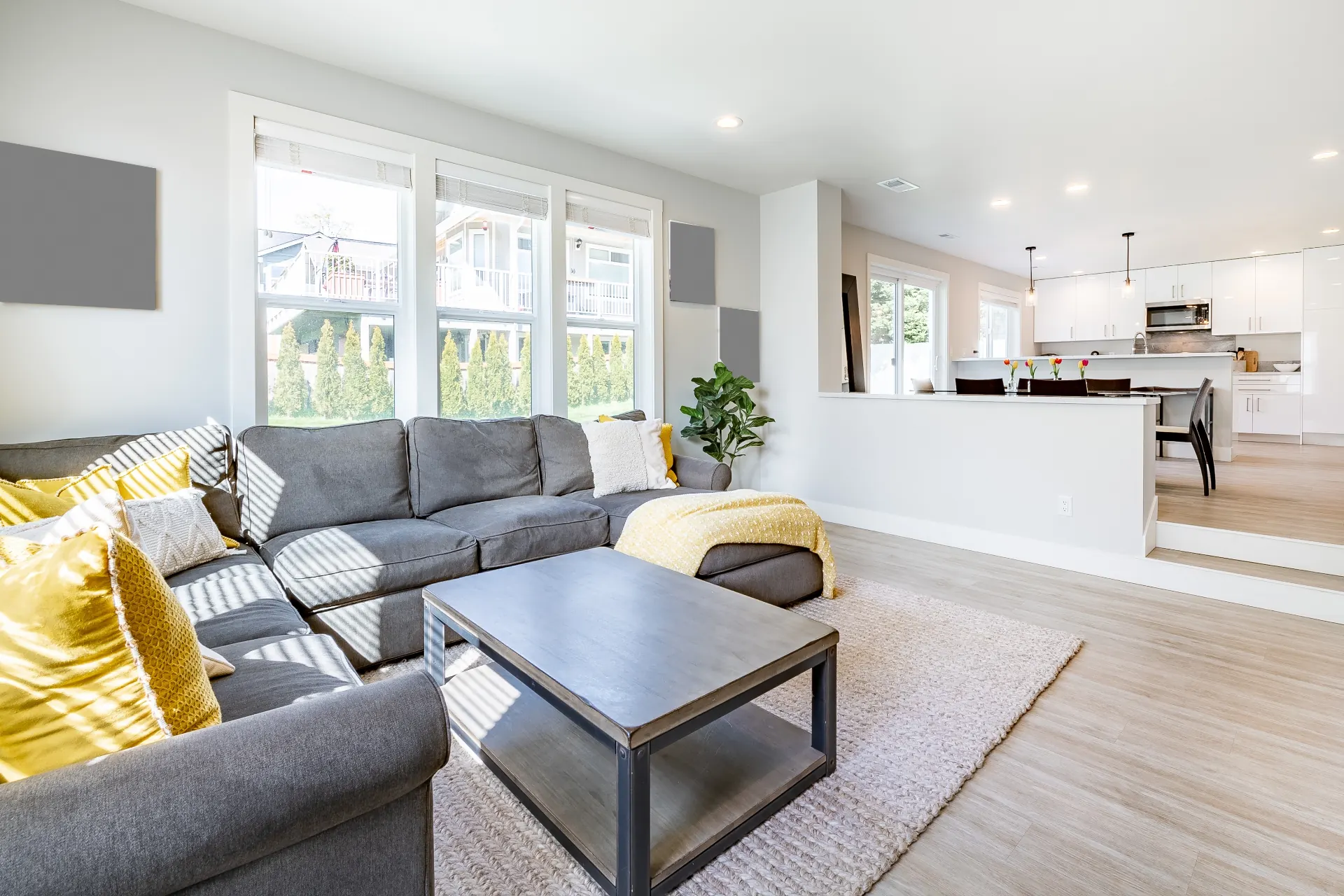
Transform your living spaces with flawless color and finish.
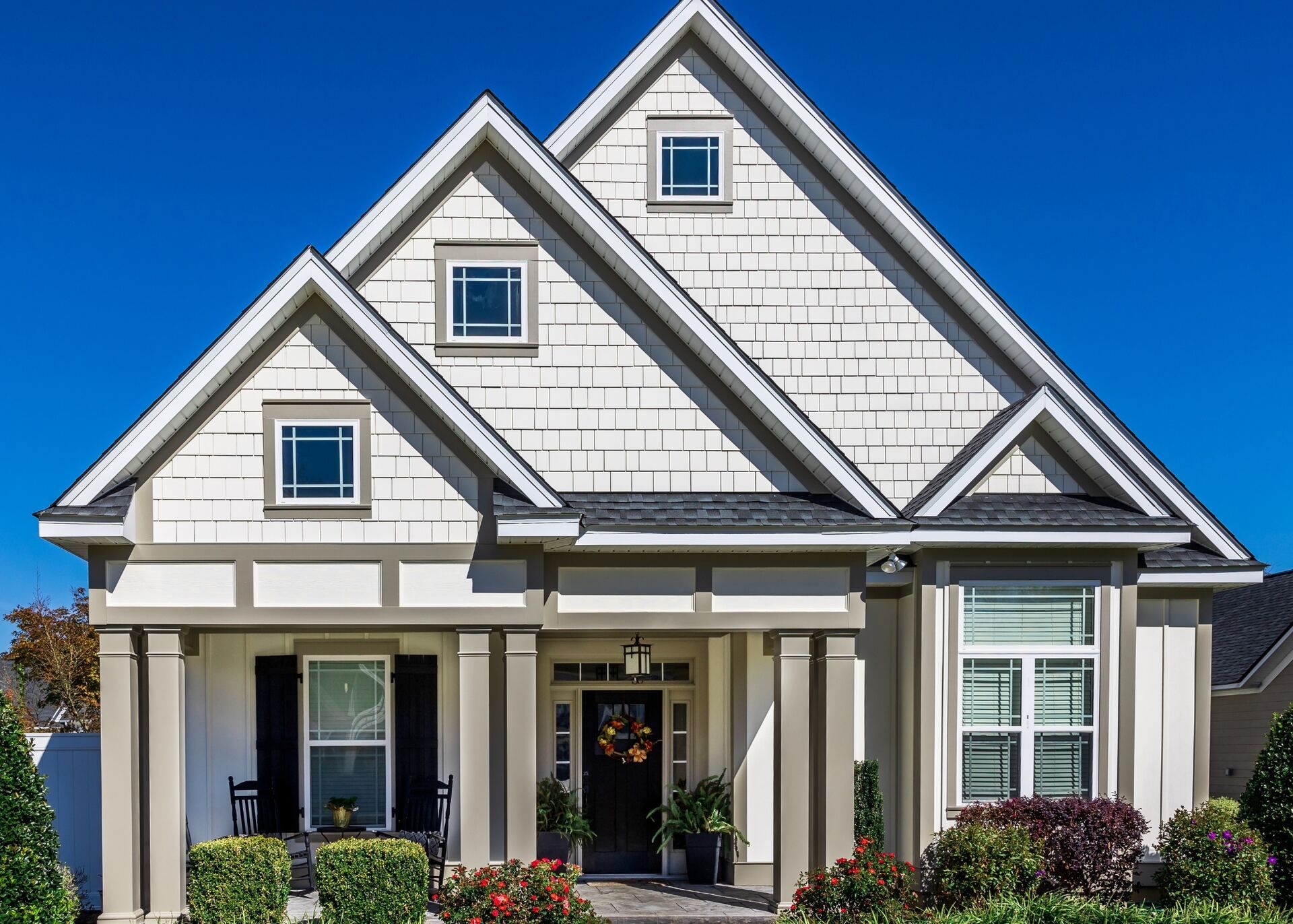
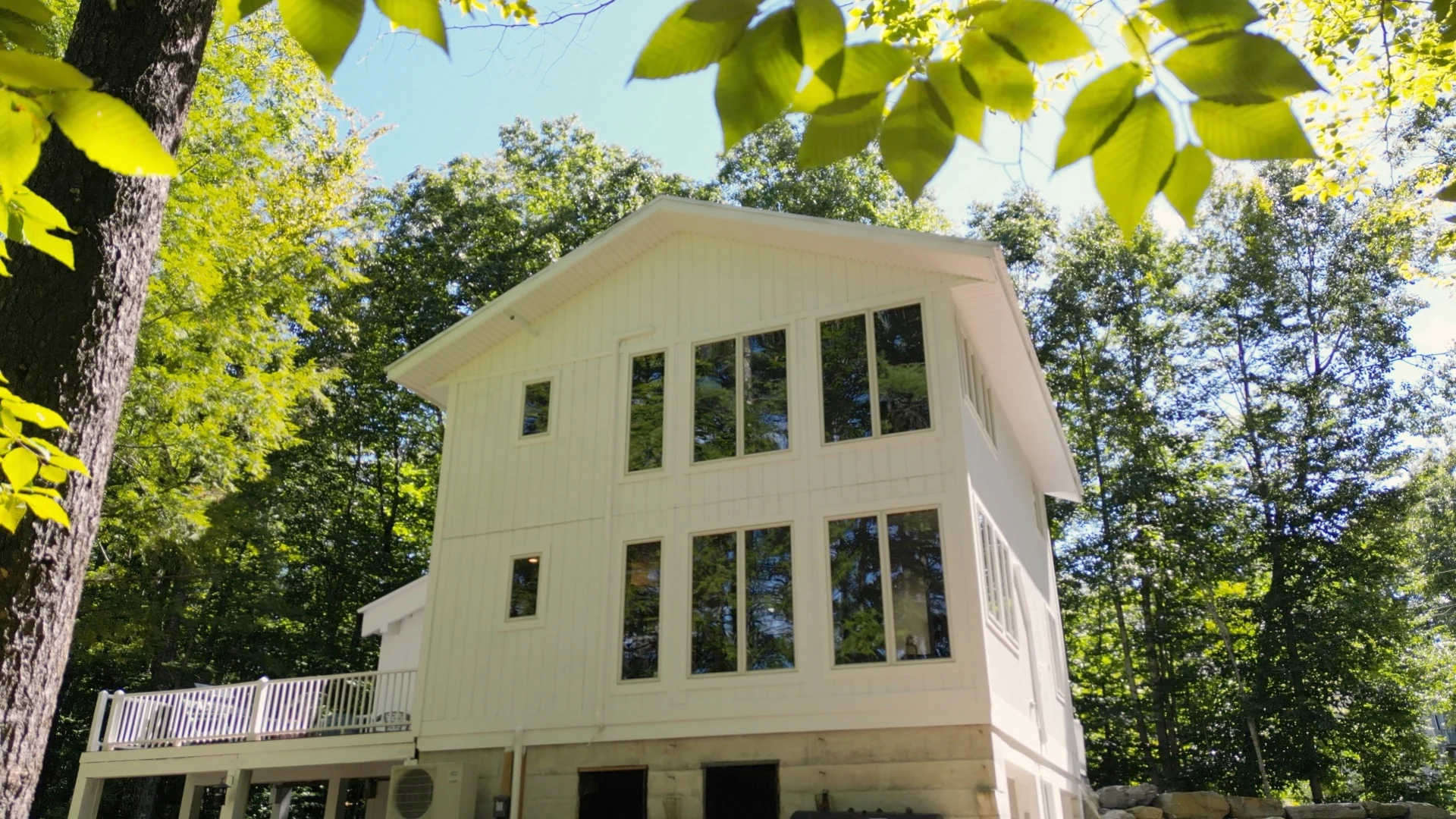
Curb appeal that lasts. Expert coatings for every climate.

Professional-grade finishes that elevate your business space.
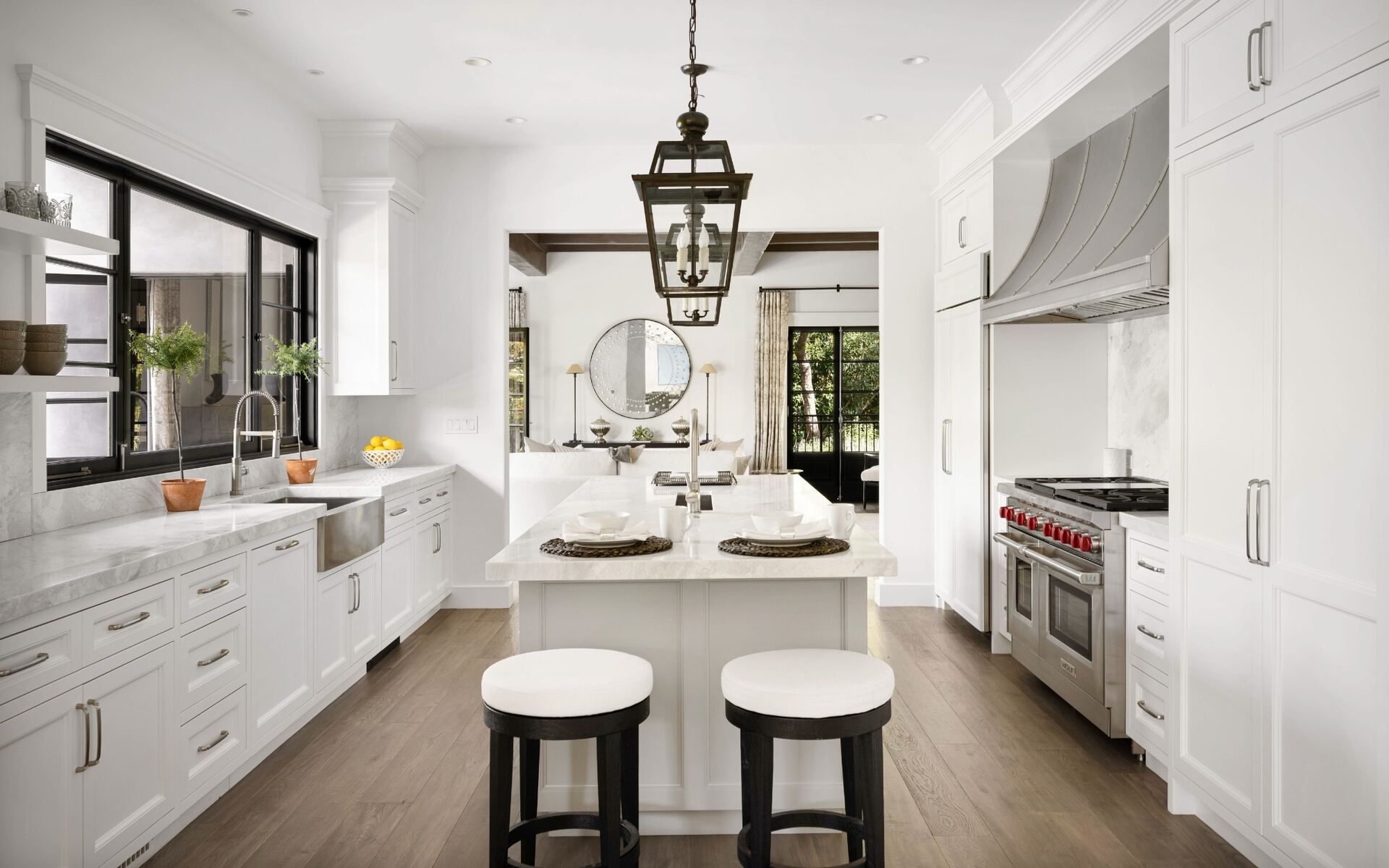
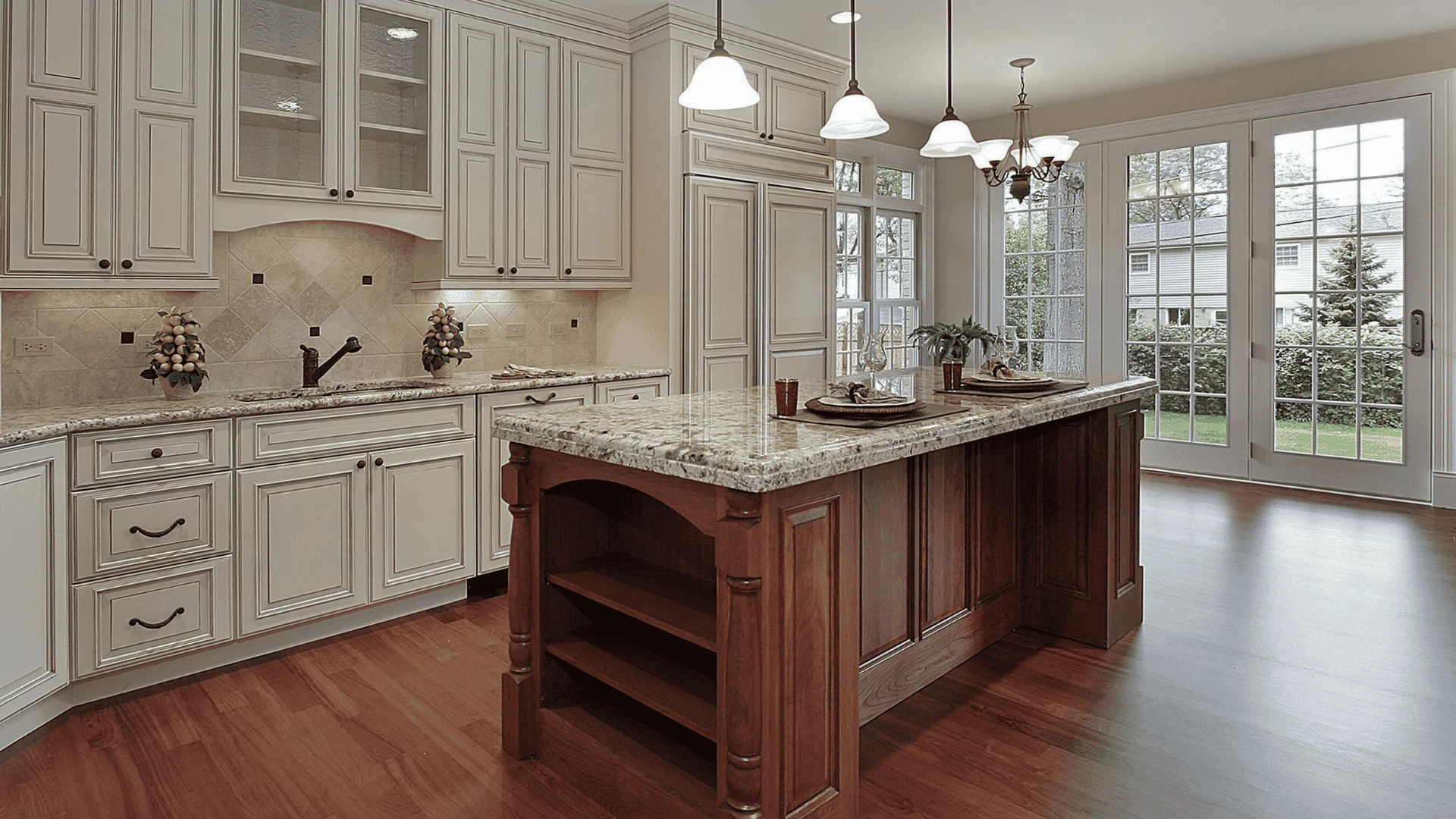
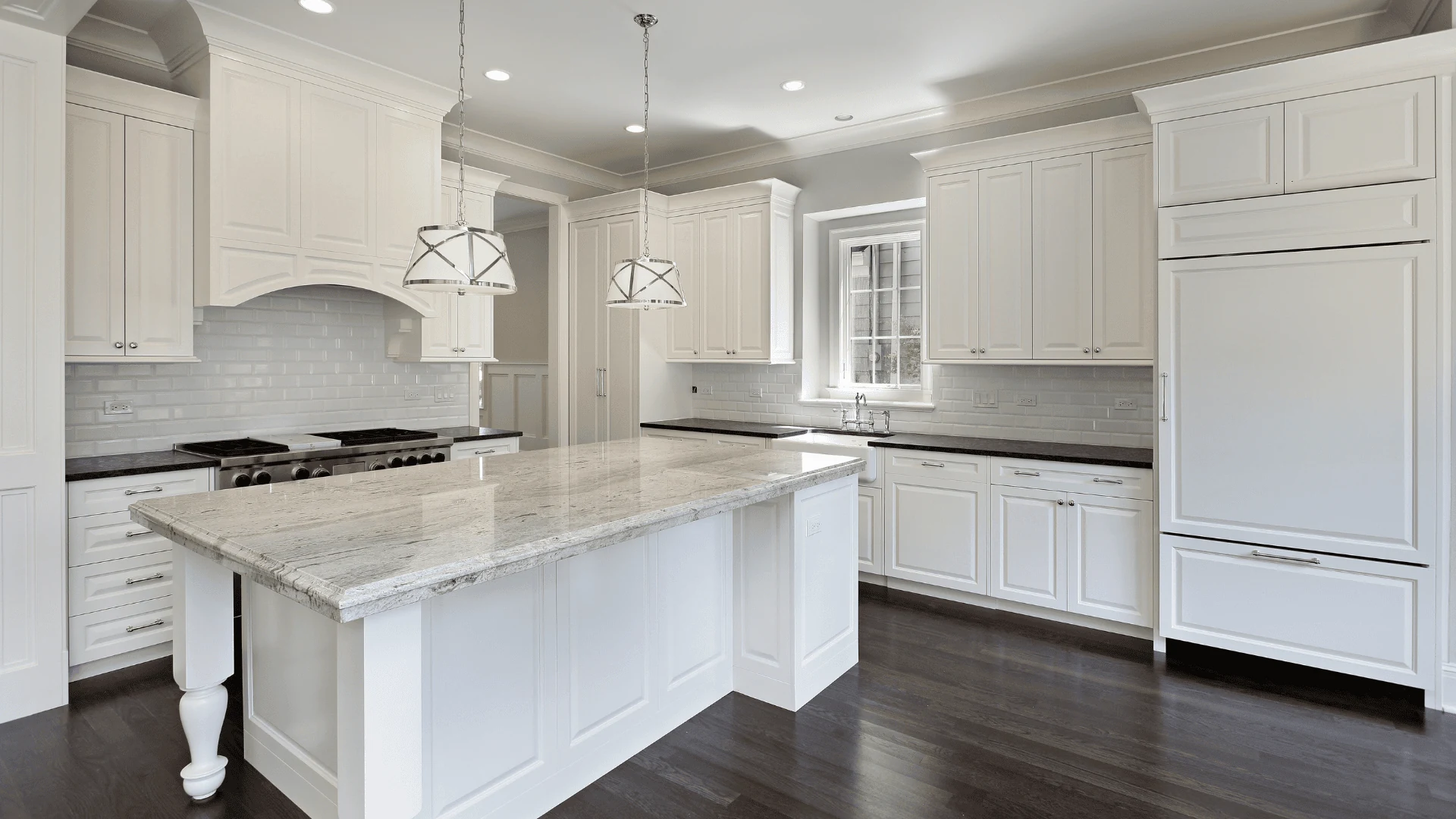
Refresh your kitchen with a smooth, factory-quality finish.
Authentic European lime-based finishes for timeless texture and depth.
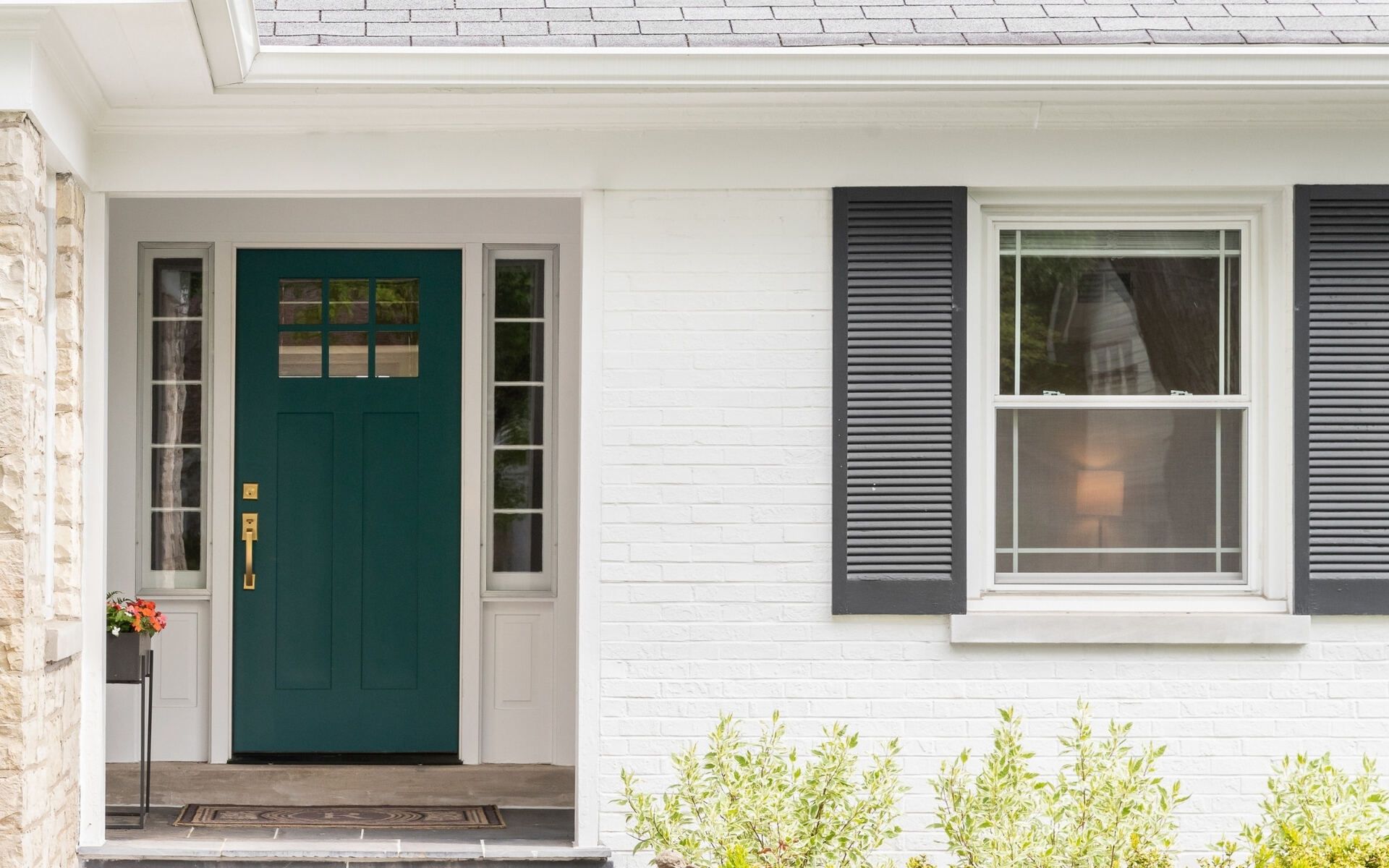
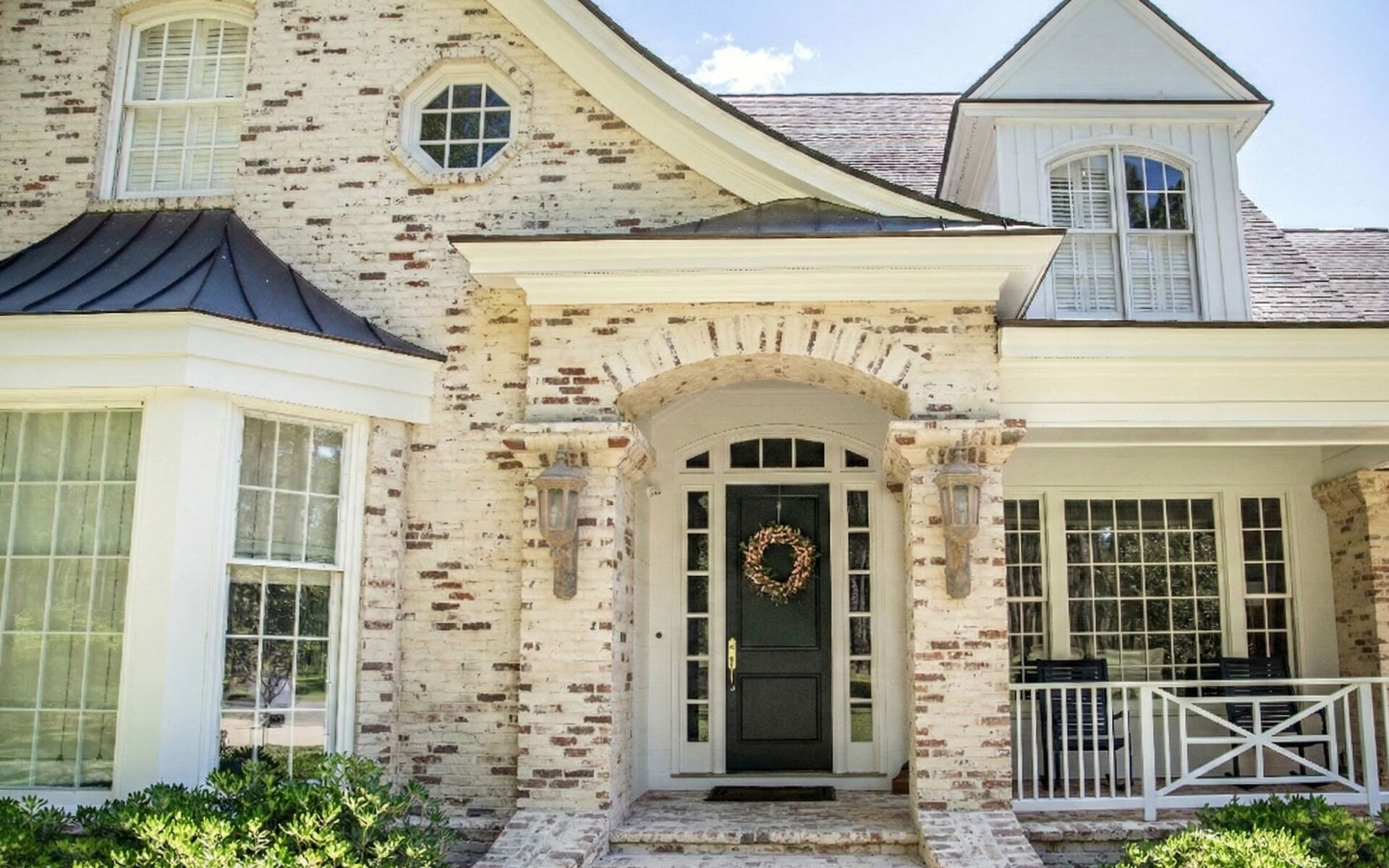
Breathe new life into brick with lasting, beautiful color.
Transform your living spaces with flawless color and finish.
Curb appeal that lasts. Expert coatings for every climate.
Professional-grade finishes that elevate your business space.
Refresh your kitchen with a smooth, factory-quality finish.
Authentic European lime-based finishes for timeless texture and depth.
Breathe new life into brick with lasting, beautiful color.
Trusted Paint Partners
"We are glad that we hired That 1 Painters. They were exceptional and exceeded our expectations. We have an 1800sq ft con…"
Peter Durso
"It was easy to make contact and explain the scope of work that I was looking for. A quote was received quickly, with a f…"
Kimberly Lachance
"Great communication, great results. Brayton was on top of my rush request on behalf of clients and did his best to get h…"
Andrea Ladd
"An exceptional team of top professionals! Amazing customer service and support. They painted our theater beautifully and…"
Gusta Johnson
"We are glad that we hired That 1 Painters. They were exceptional and exceeded our expectations. We have an 1800sq ft con…"
Peter Durso
"It was easy to make contact and explain the scope of work that I was looking for. A quote was received quickly, with a f…"
Kimberly Lachance
"Great communication, great results. Brayton was on top of my rush request on behalf of clients and did his best to get h…"
Andrea Ladd
"An exceptional team of top professionals! Amazing customer service and support. They painted our theater beautifully and…"
Gusta Johnson
"Excellent work! The painters and carpenters took care to perform quality work ~ my home looks beautiful and Brayton Chas…"
Terry Thibodeau
"I love the paint job on my old home but think they could have done better with the scrapping. Otherwise was pleased over…"
Theresa Harrington
"Very professional company! Always on time, and the paint job turned out perfect."
EnessDubbelS
"Fantastic job power washing away months’ worth of stains and dirt. Our home looks brand new!"
TT BB

My name is Tony Arsenault. I’m a husband and proud father of four amazing adult children. Professionally, I spent more than 30 years as a Corporate Sales Executive before transitioning into the next chapter of my journey as an entrepreneur and business investor. After decades in the corporate world, I realized it was time to channel my experience, leadership, and unwavering drive into building something with deeper purpose—a local company rooted in service, community, and people-first values. My vision is to create a culture where everyone matters: our employees, our painters, our referral partners, and of course, our clients. While we bring the expertise and professionalism of a big business, we operate with the heart, care, and personal touch of a small business. At the end of the day, my goal is simple: to create meaningful impact, deliver exceptional results, and change people’s lives for the better.
Your painting project means as much to us as it does to you. We're licensed and insured, and our promise is simple: we'll be your best house guests, treating your place with the utmost care and leaving it even more pristine than when we arrived.

That 1 Painter Southern Maine covers 138 towns across Southern Maine from our base in Yarmouth, below are the 24 communities we work in most, from Portland and the York County coast inland to Lewiston-Auburn and up to Bath and Brunswick.
Auburn sits on the west bank of the Androscoggin, and its housing tells the mill story: worker duplexes and four-squares in New Auburn, larger Victorians up the hill, and postwar ranches spreading out toward Taylor Pond and Danville Corner. Much of that stock still wears layered oil paint over old-growth clapboard, so the coating on the wall is rarely the coating you would spec today. Inland winters here run colder than the coast, and hard freeze-thaw swings push moisture behind any joint that has opened up.
Work we do in Auburn usually opens with a low-pressure wash, careful scrape-and-feather on the chalked south walls, and epoxy consolidation on sills before any finish coat goes on; see exterior painting for how that sequence runs. Inside, our crews patch horsehair plaster, re-hang doors that swelled shut, and roll quiet modern palettes through interior painting. Kitchens get sprayed to a hard, wipeable film through cabinet painting, and the 3-year transferable warranty follows the address, not the owner.
Bath is a shipbuilding city, and the hillside above the Kennebec is dense with Federal, Greek Revival, and Italianate homes that have been painted continuously since the 1800s. Those elevations carry deep cornice returns, fluted pilasters, and six-over-six sash, all of which take hand time no sprayer can shortcut. River fog rolls up most mornings, so north faces stay damp long after the sun has dried the street.
Our Bath scopes budget for that moisture: mildewcide rinse, full scrape on the failed alkyd, oil-based spot primer on bare wood, then a breathable acrylic topcoat, detailed under exterior painting. Interiors here mean plaster skim work, sash refinishing, and period-correct trim whites through interior painting. We also handle mid-coast deck staining before the river winter sets in, and every job carries the 3-year transferable warranty.
Biddeford runs from a converted brick mill downtown out to open Atlantic at Biddeford Pool and Fortunes Rocks, and the two ends need different specs entirely. Downtown, we are usually working on triple-deckers and painted brick with heavy foot traffic below. At the Pool, salt spray strips coatings off exposed shingle and trim in a few seasons, and any ferrous fastener left unsealed will bleed rust down the siding.
For coastal Biddeford we favor stain-blocking primers, stainless or coated fasteners, and marine-grade caulk at every horizontal joint, which is why our exterior painting here is prep-heavy by design. Older mill-district units get drywall and plaster repair plus durable eggshell in stairwells through interior painting. Salt film comes off cleanly with pressure washing each spring, and the 3-year transferable warranty applies to every scope.
Brunswick's Maine Street corridor is lined with Federal and Colonial Revival homes near Bowdoin, while Mere Point and Simpsons Point hold shingled cottages that look straight down Casco Bay. Rental turnover near campus keeps interior repaint cycles short, and the waterfront properties take the wind that comes across open water in January. Older window putty on the peninsula homes is often the first thing to fail.
We re-glaze and re-caulk sash before we ever open a topcoat can, then finish with a flexible acrylic system as covered under exterior painting. Campus-area landlords lean on quick-turn interior painting between tenants, with scuff-resistant finishes in halls and stairs. Point-road cottages usually pair that with fence staining and cedar upkeep, and the 3-year transferable warranty covers all of it.
Cape Elizabeth homes stand directly in the weather: shingle-style houses along Shore Road, mid-century and contemporary builds near Broad Cove, and cottages out toward Two Lights that catch salt on every surface. Cedar here silvers fast, and clear-coated or lightly stained shingle needs a maintenance rhythm rather than a one-time repaint. Ledge-set foundations and exposed decks add wind-driven rain to the equation.
Our approach on the Cape is a wash, a full moisture read, and a coating chosen for the substrate; solid stain on tired shingle, acrylic on trim and clapboard, as described in exterior painting. Ocean-facing decks and rails get stripped and re-coated under deck staining. Interiors run toward light, salt-air-friendly palettes through interior painting, and the 3-year transferable warranty travels with the home if it sells.
Falmouth splits between the Foreside, where large shingled and clapboard homes sit above the bay, and West Falmouth, where 1970s through 2010s subdivisions dominate. The Foreside properties are exposed to bay wind and need tighter caulk and fastener detailing; the inland neighborhoods are more about UV fade on south walls and tired builder-grade trim. Most of what we repaint here has one or two prior coatings that were applied thin.
We build Falmouth exteriors around adhesion testing first, so we know whether a scope needs spot prep or a full strip before quoting exterior painting. Inside, open-plan great rooms and stairwell walls get high-reach work and low-sheen durable finishes through interior painting. Dated oak kitchens are the most common single upgrade we run here via cabinet painting, all under the 3-year transferable warranty.
Freeport pairs a busy downtown with quiet saltwater neighborhoods at South Freeport and Wolfes Neck, and the housing follows suit: antique capes and Greek Revivals near the village, shingled and cedar-clad homes closer to the Harraseeket. Commercial storefronts downtown need repaint windows that avoid retail hours entirely. Waterside homes deal with the same salt and shade combination that makes mildew a yearly conversation.
For village-area antiques we hand-prep and hand-brush, keeping profiles crisp rather than filling them, which is standard practice in our exterior painting. Retail and office spaces book early-morning and off-season phases under commercial painting. Waterfront properties add annual pressure washing to keep growth off the shaded elevations, and the 3-year transferable warranty backs the finished work.
Gorham is a college town wrapped around farm country: brick and clapboard around the village and campus, capes and ranches through South Gorham, and older farmhouses with ells and attached barns out toward White Rock. Attached barns are their own project, with big unbroken wall planes, high gable ends, and siding that has usually gone longer between coats than the house. Inland snow load and ice buildup put steady stress on eaves and rake boards.
On Gorham farmhouses we prioritize eave, rake, and fascia repair before any color goes up, then move to full-height staging for the barn walls, all part of exterior painting. Village and campus-adjacent rentals get fast, durable turns with interior painting. Older textured ceilings often come down first through popcorn ceiling removal, and the 3-year transferable warranty applies once the work is complete.
Summer Street in Kennebunk is a catalog of Federal and Italianate architecture, and the Lower Village and beach roads add shingled cottages that run hot in July and empty in February. Seasonal occupancy shapes the schedule more than anything else here, because owners want work finished before Memorial Day or started after Columbus Day. Beach-road homes carry salt and sand abrasion at the lower three feet of every wall.
We phase Kennebunk exteriors around that calendar and spec harder low-wall coatings where sand blasts the siding, detailed in exterior painting. Historic Summer Street houses get careful lead-safe prep and hand-brushed trim through our interior painting and exterior scopes alike. Cottage kitchens and built-ins are refinished in place with cabinet painting, and the 3-year transferable warranty carries over to a new owner.
Kennebunkport is shingle-and-trim country, from Dock Square inns to Cape Porpoise fishing houses and the long cottage rows behind Goose Rocks Beach. Exposure is severe: onshore wind, salt fog, and full-day UV on the ocean side, with damp shade on the marsh side of the same street. Owners here typically want a maintenance plan, not just a repaint.
We usually recommend a rolling schedule; ocean elevations on a shorter cycle, protected elevations on a longer one, all set up during the walkthrough for exterior painting. Inn and rental interiors turn in the shoulder seasons through interior painting, including trim, doors, and high-traffic stair halls. Weathered decks and outdoor showers are handled under deck staining, and every scope carries the 3-year transferable warranty.
Kittery mixes shipyard-era housing in Admiralty Village and the Foreside with older capes and antique homes out along Kittery Point. Small lots, tight setbacks, and mature trees mean staging is the first problem to solve on most exteriors here. Piscataqua humidity plus salt keeps mildew pressure high on anything shaded.
Our crews plan Kittery access before pricing, then run a mildewcide wash, targeted scrape, and full-prime on bare areas as part of exterior painting. Compact interiors benefit from lighter values and satin trim, which we work through in interior painting. Vinyl, brick, and walkway cleanup happens under pressure washing, and the finished work is covered by the 3-year transferable warranty.
Lewiston's Tree Streets hold some of the densest wood-frame housing in the state, much of it multi-family and much of it pre-1950. Landlords and owner-occupants both deal with the same realities: old coatings, shared walls, limited staging room, and units that cannot sit empty long. Bates-area homes and Sabattus Street add larger single-family stock with big porches and turned posts.
For Lewiston multi-family exteriors we sequence by elevation so occupancy is never fully disrupted, and we lead with stabilization prep before finish coats in exterior painting. Turnovers get fast-drying, washable systems through interior painting, with hallway and stair specs chosen for abuse. Damaged walls and ceilings are made right first via drywall repair, and the 3-year transferable warranty stays with the property.
Old Orchard Beach is seasonal to its core: cottages and camps near Ocean Park and Grand Beach, year-round homes off Ross Road, and rental properties packed close to the pier. Sand, salt, and constant summer traffic beat up porches, rails, and stairs faster than the wall fields above them. Many cottages were built light and have been re-skinned or re-shingled in pieces over decades.
We spec by substrate cottage-to-cottage rather than assuming one system fits the block, which is the core of our exterior painting here. Rental interiors get repainted in narrow windows between bookings using interior painting crews sized for the schedule. Porch decks and stair treads are stripped and re-coated under deck staining, and the 3-year transferable warranty applies to every finished scope.
Portland is the densest part of our map and the most varied: brick Italianate rows in the West End, painted triple-deckers on Munjoy Hill, foursquares and bungalows through Deering Center, and postwar homes out past Back Cove. Peninsula work is a logistics exercise, with permits, sidewalk protection, and neighbors within arm's reach on both sides. Brick and masonry add repointing and breathability questions that wood-sided suburbs never raise.
On peninsula brick we use vapor-permeable systems and repair mortar before coating, and on wood-frame homes we run the standard wash, scrape, prime, and finish sequence in exterior painting. Interior work here is plaster-heavy, with tall baseboards and original casings restored through interior painting. Condo and small-business spaces are handled under commercial painting, and the 3-year transferable warranty follows the unit or the house.
Saco runs from a historic downtown of brick blocks and large clapboard homes out to Camp Ellis and Ferry Beach, where houses take the ocean straight on. Camp Ellis in particular sees storm spray that no inland spec is built for, and jetty-side properties can lose a coating in a couple of hard winters. Downtown, the challenge is scale: tall three-story elevations with ornate cornices.
Shoreline Saco homes get elastomeric-caulked joints, stainless fastener detailing, and premium acrylic topcoats through exterior painting. Downtown work leans on staging and hand-detailing of cornice and bracket work in the same scope. Interiors upgrade tired trim and plaster with interior painting, older kitchens are refinished with cabinet painting, and the 3-year transferable warranty backs it all.
Sanford and Springvale share a mill-town core with dense wood-frame housing, and the outskirts open into lake camps around Mousam and newer builds along Route 109. Inland York County gets colder and snowier than the coast, so ice damming and gutter overflow show up as peeling fascia and stained soffits. Camp properties frequently sit unheated part of the year, which changes how interiors move.
We treat the water source first on Sanford exteriors; fix the fascia, re-flash, then paint, as covered in exterior painting. Camp interiors that swing with the seasons get flexible primers and finishes through interior painting. Water-stained walls and ceilings are rebuilt under drywall repair before any color goes on, and the 3-year transferable warranty applies to completed work.
Scarborough covers marsh, beach, and suburb in a few miles: Prouts Neck and Higgins Beach cottages, Pine Point year-round homes, and steady subdivision growth around Oak Hill and Dunstan. Marsh-side properties sit in damp air most of the year, while beach-side elevations take wind-driven salt. New construction here often needs its first real repaint sooner than owners expect, because builder coatings were thin.
Marsh-adjacent homes get mildew-resistant systems and extra attention at grade-level trim in our exterior painting. Beach cottages usually pair that with fence staining for weathered cedar and privacy screens. Subdivision interiors move fast with interior painting on open floor plans and two-story entries, and the 3-year transferable warranty transfers if the home is sold.
South Portland is mostly compact single-family and two-family housing: capes and bungalows around Meetinghouse Hill, older cottages near Willard Beach, and postwar stock through Cash Corner. Lots are small and driveways are shared, so exterior work depends on tidy staging and daily cleanup. Willard-area homes are close enough to the water to see salt film on windows and trim.
We keep South Portland sites contained, wash and prep in the morning, coat in the afternoon, and leave walkways clear, which is how our exterior painting runs in dense neighborhoods. Small-room interiors gain a lot from brighter ceilings and consistent trim through interior painting. Compact 1950s kitchens are the most requested refresh, handled with cabinet painting and backed by the 3-year transferable warranty.
Standish stretches from Standish Corner out to Sebago Lake Village and Steep Falls, and much of the housing is set back in the trees: capes, log and post-and-beam homes, farmhouses, and lake camps. Tree cover keeps walls wet longer after rain, and pollen plus needle drop leaves organic film on siding and decks every spring. Long unheated stretches at camp properties add their own movement.
Standish exteriors start with a thorough cleaning and a shade-aware coating choice, because a product that works in full sun will not last on a north wall here; see exterior painting. Log and timber surfaces are treated with penetrating stains rather than film-formers wherever possible. Lakeside decks and docksides are refreshed under deck staining, interiors updated with interior painting, all under the 3-year transferable warranty.
Wells spans seven miles of beach and marsh, with cottages at Wells Beach and Drakes Island, motels and shops along Route 1, and year-round homes inland at Moody and beyond. Island and beach properties sit in constant salt aerosol, and their trim and railings fail long before the wall fields do. Inland Wells is closer to standard York County exposure, with UV and freeze-thaw driving the cycle.
We often split Wells scopes into two specs, a hard-wearing package for the seaward elevations and a standard package inland, both described in exterior painting. Seasonal rentals are turned quickly with interior painting between summer bookings. Salt and grime come off with pressure washing before any coating work begins, and the 3-year transferable warranty covers the finished result.
Westbrook grew around the Presumpscot mills, and the housing shows it: dense wood-frame homes and duplexes near Cumberland Mills, mid-century neighborhoods at Prides Corner, and newer infill along the riverbank. Riverfront humidity and industrial-era soot both affect prep, and older aluminum and vinyl retrofits complicate substrate choices block by block. Many houses have three or more prior coating systems stacked up.
Before quoting Westbrook exteriors we identify what is actually on the wall, then choose a bonding primer or a full strip accordingly, which is standard in our exterior painting. Duplex and rental interiors get durable, quick-return finishes through interior painting. Failing plaster and patched walls are repaired first with drywall repair, and the 3-year transferable warranty applies once we are done.
Windham runs from the North Windham commercial strip down to South Windham village, with lake neighborhoods at Little Sebago and Highland Lake filling in between. Lakefront homes and camps face reflected UV off the water plus heavy shade on the road side, so a single elevation can weather two different ways. Winter access on camp roads narrows the working season considerably.
We front-load Windham lake work in late spring and early fall and choose products rated for wide temperature swings, as outlined in exterior painting. Year-round homes off Route 302 get standard repaint cycles plus interior updates through interior painting. Docks, decks, and rails are re-coated under deck staining, and each completed scope carries the 3-year transferable warranty.
Yarmouth is where our office sits, so we know its streets well: Main Street antiques and Greek Revivals, riverfront homes along the Royal River, and shingled properties out on Cousins Island. Village houses are close to the road and to each other, and the island properties add bridge access and open-water wind. The older stock here frequently still has original sash worth saving rather than replacing.
Village and Main Street homes get hand prep, sash re-glazing, and brushed trim through exterior painting, with lead-safe practices on anything pre-1978. Riverfront and island homes take a salt-and-shade-aware spec on the exposed elevations. Interior projects run from single rooms to whole-house repaints under interior painting, kitchens through cabinet painting, all with the 3-year transferable warranty.
York is really four villages: the colonial-era center at York Village, the summer density of York Beach, the estate homes of York Harbor, and the rocky shore at Cape Neddick. Harbor and Nubble-area properties are among the most exposed on our map, taking wind, salt, and sun with almost no buffer. Village homes are the opposite problem, old, layered, and full of detail that has to be preserved.
For exposed York properties we specify premium coatings, sealed end grain, and tighter maintenance intervals, all part of exterior painting. Colonial and antique homes in the village get patient hand prep, careful color matching, and lead-safe containment. Beach-area rentals turn quickly with interior painting and get seasonal pressure washing, and the 3-year transferable warranty stays with the address.
A look at the craftsmanship we bring to homes and businesses across Southern Maine. From full-home interior repaints and kitchen cabinet refinishing to exterior siding, stucco, and trim work, every painting project in Southern Maine is prepped, primed, and finished by licensed, insured local painters. Browse recent residential and commercial painting projects to see the color matching, surface prep, and clean lines homeowners across Southern Maine trust us to deliver.

Every year, our Southern Maine team teams up with franchise owners across the country to gift complete paint transformations to deserving families, small businesses, and non-profits. It's our way of giving back to the community that's given us so much, one home, one story, one fresh coat at a time.
Learn More About Paint It Forward
What painting really costs in Southern Maine, ME in 2026: this guide is built from completed jobs across Waiting, Southern Maine, and Southern Maine, priced for Maine's cold-winter Northeastern climate and the prep depth it demands.
* All prices include materials, labor, and prep. Based on 2026 Southern Maine averages.
An honest, in-depth breakdown from That 1 Painter Southern Maine. No fluff, no upsells, just the numbers and the questions that protect your home.
What painting really costs in Southern Maine, ME in 2026: this guide is built from completed jobs across Waiting, Southern Maine, and Southern Maine, priced for Maine's cold-winter Northeastern climate and the prep depth it demands.
Bars are scaled to the highest average in the table, quick visual of where each project lands.
A quality paint job is mostly labor and prep, not paint. Here's the typical split on a properly bid project.
Professional interior painting in Southern Maine typically runs $2.50 to $4.75 per square foot in 2026, with most Southern Maine homeowners paying $3.25 to $3.75 for prep, two coats, and trim. A standard 2,200 sq ft home in Waiting or Southern Maine usually lands between $6,200 and $9,800 fully painted. Pricing scales with ceiling height, trim package, and color-change complexity.
Most Southern Maine exterior estimates include a carpentry allowance because harsh winter freeze-thaw, ice dams, and salt-laden coastal air drive wood rot at fascia, sill nosings, and bottom siding courses. We carry a small-carpentry crew so Waiting and Southern Maine projects don't stall waiting for a separate contractor. Typical rot allowance: $400–$1,500 per home.
Exterior projects in Southern Maine look bigger but often invoice lower per square foot because siding is repetitive surface area. Interior pricing climbs with cut-ins, doors, closets, and ceiling work. The honest comparison is total project price, not per-square-foot rate.
Expect 8–15% of total exterior labor in Southern Maine to go toward winter-damage repair: re-caulking, spot priming, replacing rotted sill nosings, and resetting nails that have backed out. Skipping this step is the fastest way to repaint again in three years instead of eight.
If your home sits in a registered historic district near Waiting, paint colors and even sheen levels may require commission approval. Our Southern Maine crews are familiar with historic palettes and the gentler prep methods (low-pressure wash, hand-scraping, lead-safe practices) required on pre-1978 substrates.
Low-VOC and zero-VOC interior products have closed the durability gap and now perform on par with traditional paints. For Southern Maine families with kids, pets, or sensitivities, we default to low-VOC interior systems, particularly in nurseries and kitchens across Waiting and Southern Maine.
A professional cabinet repaint in Southern Maine delivers a factory-grade finish at roughly 25% the cost of new cabinetry. Expect $3,500–$7,500 depending on door count, current finish, and whether you're changing from stained wood to a painted color (which adds tannin-blocking primer work).
Seven checks that separate a real pro from a risk.
Real bids spell out surfaces, prep, exact products & sheens, number of coats, and timeline, not a round number on a business card.
Ask for current certificates of liability and workers' comp. If they can't produce them, walk away.
crews vs. day-labor subs. Same lead every day? Continuity protects quality.
Wash, scrape, sand, caulk, patch, prime. 70% of a quality job lives in prep, if it's not itemized, the bid is incomplete.
Look for a written, transferable warranty. That 1 Painter backs every project 3 years, transferable to the next owner.
Google reviews on the local market page, BBB profile, and references from real homeowners, not a glossy brochure.
Cash-only deals, large up-front deposits, and "sign today" pressure are the most common signs of a job that won't finish well.
Copy/paste these into your next estimate call.
Call That 1 Painter Southern Maine at (207) 800-4541, written quotes, no pressure.
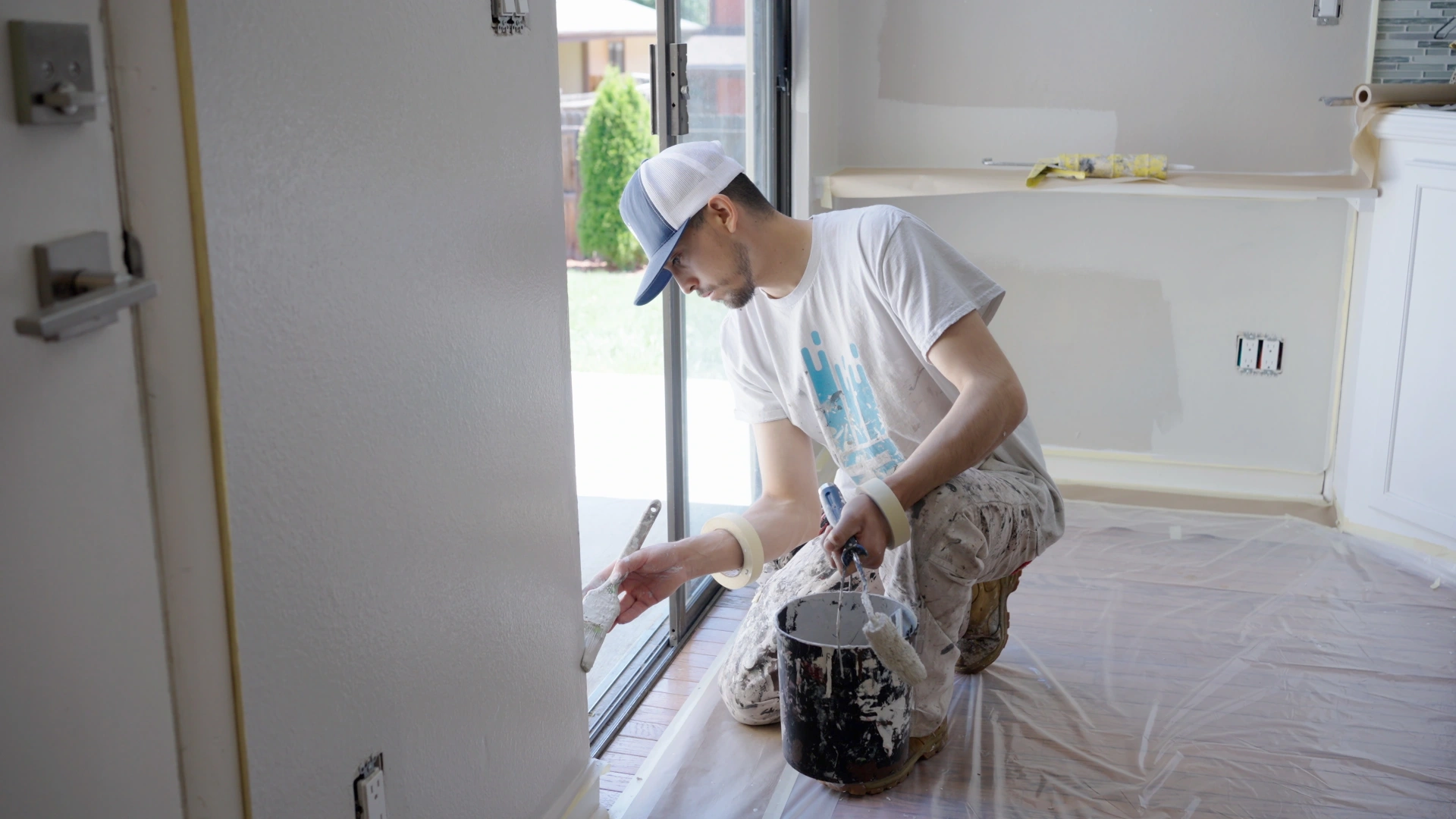
Your peace of mind, at the top of mind with our three-year transferable warranty. Covers the painting job, even if you sell the house.
Download WarrantyEverything Southern Maine homeowners should know before hiring a painter, services, seasonal timing, colors, HOA rules, and how to get the most value from your project. Written by the That 1 Painter Southern Maine team.

Book an Appointment
Three simple steps from request to wow-worthy finish.
Book your appointment
Pick a service, date & time that works for you.
Walk the project & get your quote
A local pro confirms scope and sends a clear written estimate.
We paint, you say wow
Our crew shows up on time and leaves the space spotless.
Pick a service, date & time, we'll handle the rest.
Honest product reviews, pro painting techniques, and helpful articles from professional painters who do this every day.
Choosing between flat, eggshell, satin, and semi-gloss depends on the room's traffic, lighting, and function. Professional painters break down when to use each sheen for the best results.
Both are popular mid-tier Sherwin-Williams paints, but they perform differently on walls, trim, and cabinets. See how professional painters compare coverage, feel, and durability.
Behr Premium Plus is one of the most affordable paints at Home Depot. Professional painters test its coverage, durability, and finish quality to see if it's worth the price.
Behr Urethane Alkyd is a hybrid paint that combines oil-based durability with water-based cleanup. See how it performs on trim, cabinets, and doors in a real-world test.
Behr Dynasty claims to be their most durable, stain-repellent paint. Professional painters put it to the test on walls and high-traffic areas to see if the claims hold up.
The Gallery Series is Sherwin-Williams' newest premium line. Professional painters review its unique properties and explain why it may not be the best choice for beginners.
Clear answers about pricing, timelines, services, warranty coverage, and working with That 1 Painter.
Interior painting is the fastest way to change how a home in Southern Maine feels without touching the floor plan, and it is the busiest scope our crews run across the York, Cumberland, and Sagadahoc County corridor. Our interior painting scope covers walls, ceilings, trim, doors, and closets, and every interior painting job in Southern Maine starts with a real prep pass so the interior painting film has a clean, sound surface to bond to. Homeowners searching for painters in Southern Maine for an interior painting refresh usually want two upgrades at once: an updated color palette and a durable, scrubbable interior painting finish that survives long Maine winters spent indoors with the woodstove or forced-hot-water baseboard running.
As a painting company in Southern Maine that runs interior painting on 1850s-1910s Portland brick townhomes across the West End and Munjoy Hill, mid-coast Capes and Colonials through Brunswick and Bath, Lewiston-Auburn mill-town duplexes, and shingled coastal cottages through Kennebunk, Kennebunkport, and York, we treat interior painting material selection as a real decision, not a checkbox. Which interior painting sheen hides plaster imperfection under low, slate-gray Casco Bay winter light in a Cape Elizabeth great room, which interior painting product holds up in a Freeport mudroom that catches wet boots and snowmelt seven months a year, and which interior painting primer we need to lock down previously oil-based trim in a Portland West End brownstone are all questions we answer before the crew shows up. That level of interior painting discipline is why homeowners hire house painters in Southern Maine like us instead of a general handyman.
If you're comparing interior painting bids from painters in Southern Maine, ask each of them about interior painting warranty terms, interior painting prep sequence, and how the interior painting crew protects floors and furniture day to day. Every serious interior painting outfit in Southern Maine should have plain answers to all three. See our interior painting page for the full interior painting scope and current pricing across the York, Cumberland, Sagadahoc, Androscoggin, and Lincoln County Southern Maine market.
Exterior painting in Southern Maine has to hold up to punishing freeze-thaw cycles that pop caulk lines and lift film on the north elevations of Portland, South Portland, and Westbrook homes, ice-dam runoff that soaks fascia and soffit paint across every Cumberland County winter, direct salt spray on Kennebunkport, Cape Elizabeth, and York oceanfront homes, driving nor'easter rain across the whole Casco Bay region, and short summer paint windows where the crew has to move, so exterior painting product choice is the whole conversation, not a footnote. A painting company in Southern Maine that takes exterior painting seriously specifies a 100% acrylic exterior painting product with flexibility rated for New England freeze-thaw movement, strong adhesion to cedar shingle and clapboard, and a mildew inhibitor built into the exterior painting film, so shaded north elevations under mature Falmouth and Yarmouth white pines and full-sun elevations on Scarborough builds stay clean between exterior painting cycles.
Our exterior painting scope typically includes a full pressure wash, a mildew-and-chalking assessment, spot scraping of any failing exterior painting layers, cedar-shingle and clapboard sound-substrate checks, feathered sanding, spot primer on bare wood, full caulk of siding seams and window returns, and two coats of exterior painting-grade paint. That exterior painting sequence is the same whether we are painting a Portland West End brick-and-clapboard, a Cape Elizabeth shingled coastal, a Brunswick Federal-style Colonial, or a Standish inland farmhouse. Painters in Southern Maine who skip any of those exterior painting steps are quoting a two-summer paint job in a ten-year paint job wrapper.
If you're evaluating house painters in Southern Maine for exterior painting, look closely at how the exterior painting bid describes prep, not just the exterior painting product line. A clean exterior painting film applied over poor prep will peel inside a single Maine winter; faster if the home sits in direct salt spray in Kennebunkport, Kittery, or York. Our exterior painting service documents the exterior painting prep sequence in detail, and every exterior painting job we run carries a 3-year transferable warranty.
Cabinet painting is the single biggest visual change a homeowner in Southern Maine can buy without a full kitchen remodel, and cabinet painting demand across the Portland West End, Cape Elizabeth, Falmouth, Yarmouth, and Freeport corridor reflects that. Our cabinet painting scope typically covers cabinet boxes on-site plus cabinet doors and drawer fronts sprayed off-site in a controlled environment, so the cabinet painting finish flows out flat and cures without airborne dust or humid Casco Bay summer moisture. Cabinet painting projects like this are why homeowners call a painting company in Southern Maine instead of a general remodeler.
Cabinet painting product selection matters as much as cabinet painting prep. A real cabinet painting job uses a bonding primer, a cabinet-grade urethane-modified acrylic paint, and controlled drying conditions so the cabinet painting film cures hard enough to resist door-edge chipping under daily use in a busy Scarborough or Falmouth kitchen. As a painting company in Southern Maine that runs cabinet painting jobs almost every week, we schedule cabinet painting projects so the kitchen is out of service only for the days doors and drawers are physically off.
House painters in Southern Maine quoting cabinet painting should walk you through cabinet painting cure times, cabinet painting warranty coverage, and cabinet painting color options with real drawdowns on your actual cabinet material. Cabinet painting is not a wall paint job with cabinets in the way, and any painting company in Southern Maine that treats it that way is one to avoid for cabinet painting scopes. See our cabinet painting page for cabinet painting scope details and lead times.
There are a lot of painters in Southern Maine to choose from, so the practical question is how to sort serious painters in Southern Maine from casual ones. Any painting outfit you bid should carry general liability insurance, provide a written scope, and back the work with a real written warranty. They should also point at recent portfolio work in your specific corner of the Southern Maine market; Portland's West End, Munjoy Hill, or East End, Cape Elizabeth's oceanfront, Falmouth and Yarmouth's Casco Bay ring, Brunswick and Bath's Mid-Coast Colonials, or the Kennebunk, Kennebunkport, Wells, York, and Kittery coastal ring; not stock photos pulled from a supplier catalog.
As house painters in Southern Maine ourselves, we tell homeowners to ask three questions of anyone bidding: what is the exact prep sequence, what specific paint product is going on the walls, and who from the company is on site day to day. Painters in Southern Maine who dodge those questions are hoping you will not notice the answer later. A painting company in Southern Maine that answers plainly is one worth a second meeting.
That 1 Painter Southern Maine, run by Tony Arsenault out of Yarmouth, is one of many painters in Southern Maine, and we compete on scope clarity, prep quality, and a 3-year transferable warranty that follows the paint, not the owner. If you are collecting bids from painters in Southern Maine and the surrounding York, Cumberland, Sagadahoc, Androscoggin, and Lincoln County region, we would be glad to be one of the bids you compare against.
A real painting company in Southern Maine is more than a paint crew: it runs estimates, project management, materials logistics, color consultations, and warranty follow-up so the crew painting your house can focus on painting. That coordination is the difference between a painting company in Southern Maine and a solo painter working out of a truck bed. It is also the difference between a paint job that lands on the promised week and a paint job that drifts a month past schedule when a June coastal fog bank or an October nor'easter sits over Casco Bay.
As a painting company in Southern Maine, our day starts with materials staging for that day's painting scope, drives out to active painting jobs from Portland and South Portland across to Brunswick, Bath, Freeport, Yarmouth, Falmouth, Cape Elizabeth, Scarborough, Saco, Biddeford, Old Orchard Beach, Kennebunk, Kennebunkport, Wells, York, Kittery, Sanford, Lewiston, Auburn, Westbrook, Gorham, Windham, and Standish, and ends with paint punch-list walks with homeowners. A painting company in Southern Maine running this way keeps painting projects on schedule and keeps paint quality consistent from the first painting day to the last painting day of a job. Homeowners feel that consistency in a lot of small ways; cleaner cut lines, tighter caulk joints, fewer callback punch items.
When you hire a painting company in Southern Maine, you are hiring the coordination layer as much as the painting itself. A painting company in Southern Maine that quotes a painting scope should tell you what week your painting starts, what week it ends, and who owns the project through completion. If a painting company in Southern Maine cannot articulate what is included in the price on the bid, that is a signal to keep shopping.
Older homes across the Southern Maine market; 1850s-1900s Portland brick townhomes through the West End, East End, and Munjoy Hill, 1700s-1800s Federal and Colonial stock through Brunswick, Bath, Freeport, and Kennebunk, and 1890s-1930s mill-town duplexes and triple-deckers through Lewiston, Auburn, Biddeford, and Sanford; need house painters in Southern Maine who understand plaster, cedar shingle, painted-wood clapboard, and the way early paint layers move under fresh coats through a New England freeze-thaw winter. House painters in Southern Maine who came up on new-construction repaints alone often underestimate how much prep an older Southern Maine home actually needs before the first drop of paint goes on the wall.
House painters in Southern Maine running an older home job spend the first day on paint testing, cedar-shingle scrape-and-sand prep, glazing repair on original six-over-six divided-light windows, and containment for scrape-and-paint work outside. Skipping those steps produces a paint job that fails inside a single Maine winter. As house painters in Southern Maine with real time on those blocks, we treat prep as the paint job; the coats you see are the last five percent of the actual work.
If you own an older home and are talking to house painters in Southern Maine, ask each bidder to walk your house and describe what they would do differently versus a 2015 Scarborough subdivision home or a 2020s Falmouth Foreside coastal rebuild. The house painters in Southern Maine with a real answer are the ones to shortlist. Beyond older homes, our crews also cover new-build repaints, HOA-driven exterior refreshes across Falmouth and Yarmouth, farmhouse repaints across Standish, Windham, and Gorham acreage, and shingle-restaining scopes across the Kennebunkport and York coastal ring, so the crew on your project has seen your situation before.
Color is where a lot of painting projects across the Southern Maine market stall, so the painters you hire should have a real color process. Ours starts with existing light in the room, existing floor and trim tones, and the direction the room faces, then we put real paint drawdowns on your actual walls before the crew mobilizes. A painting company in Southern Maine that hands you a fan deck and walks away will paint whatever you point at, which is not the same as helping you land the right color for the space; an especially real risk in Southern Maine where slate-gray Casco Bay winter light and long overcast stretches change how a color reads through half the year.
Finish selection is the other half of the conversation. Flat or matte on ceilings, eggshell or matte on walls, satin or semi-gloss on trim, and a cabinet-grade product on cabinets; that mix reads intentional in a finished home across York, Cumberland, and Sagadahoc County. Painters in Southern Maine who put one paint sheen everywhere are cutting corners on materials logistics, not doing you a favor. House painters in Southern Maine that pair color and finish thoughtfully deliver a paint job that reads like a designer walked the space with them.
Booking a painting company in Southern Maine should be simple: a walk-through, a written scope, a written price, a start date, and a warranty. Exterior painting demand peaks in the tight May-through-October window across Casco Bay before winter shuts the exterior season down, so any painting company in Southern Maine worth hiring is often booked several weeks out during peak exterior painting season. Interior painting flexes year-round, and cabinet painting we can usually schedule with less lead time. Request an estimate above and we will be out with a written scope you can compare against every other bid on your desk.