"I had such a wonderful experience with this company and their performance at my home. They did such a fantastic job and…"
Spencer Flynn

but it won't crack.
Caulking for homes and businesses across Tulsa and neighborhoods including Bixby, Chimney Hills, Glenpool. That 1 Painter Tulsa brings background-checked W-2 crews, premium products, and a 3-year transferable warranty to every project in Oklahoma.
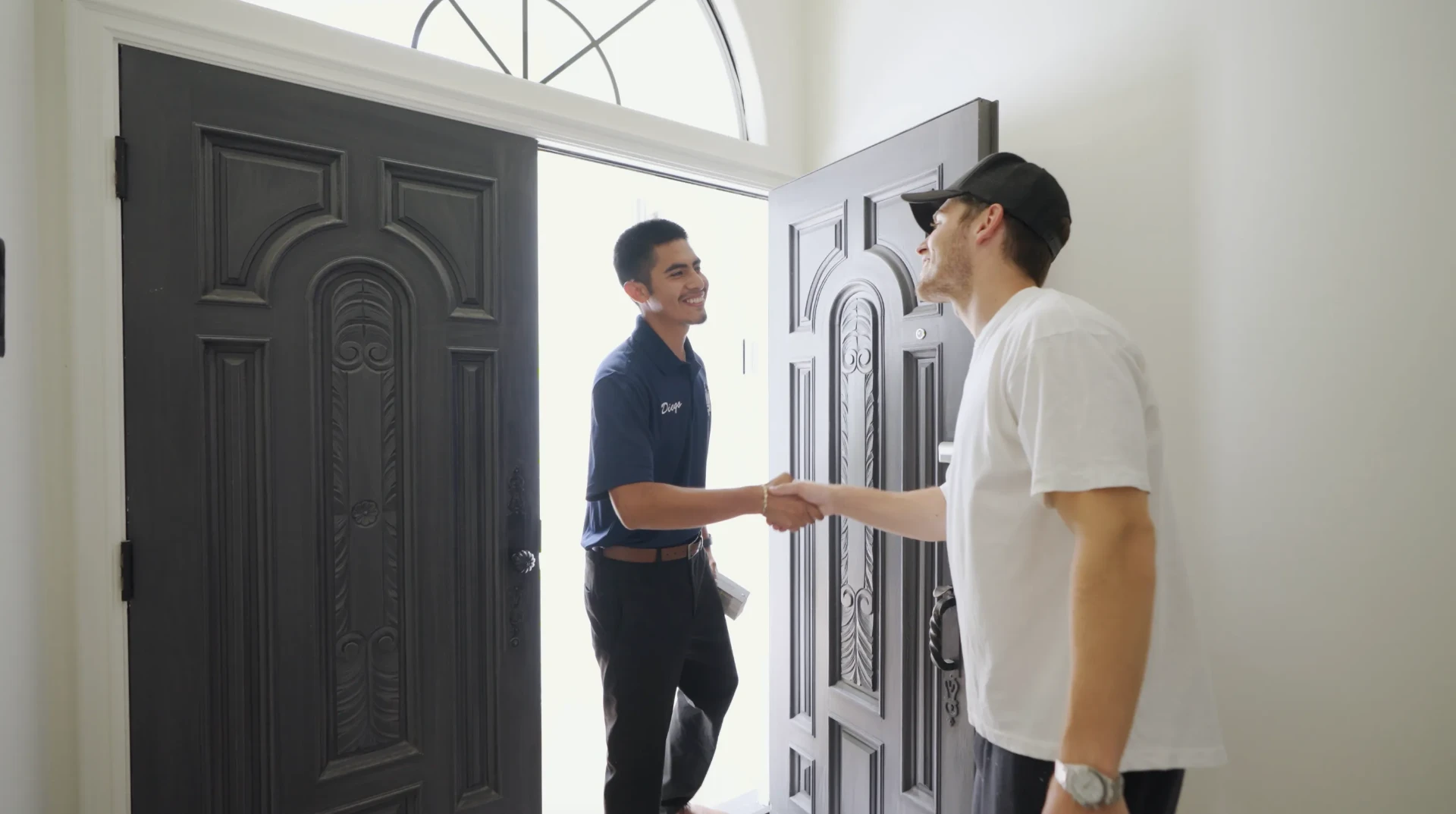
Your project manager inspects every joint where two materials meet: trim, siding, windows, doors, tubs, and backsplashes. We mark failed, cracked, or missing caulk and match the right sealant to each substrate.
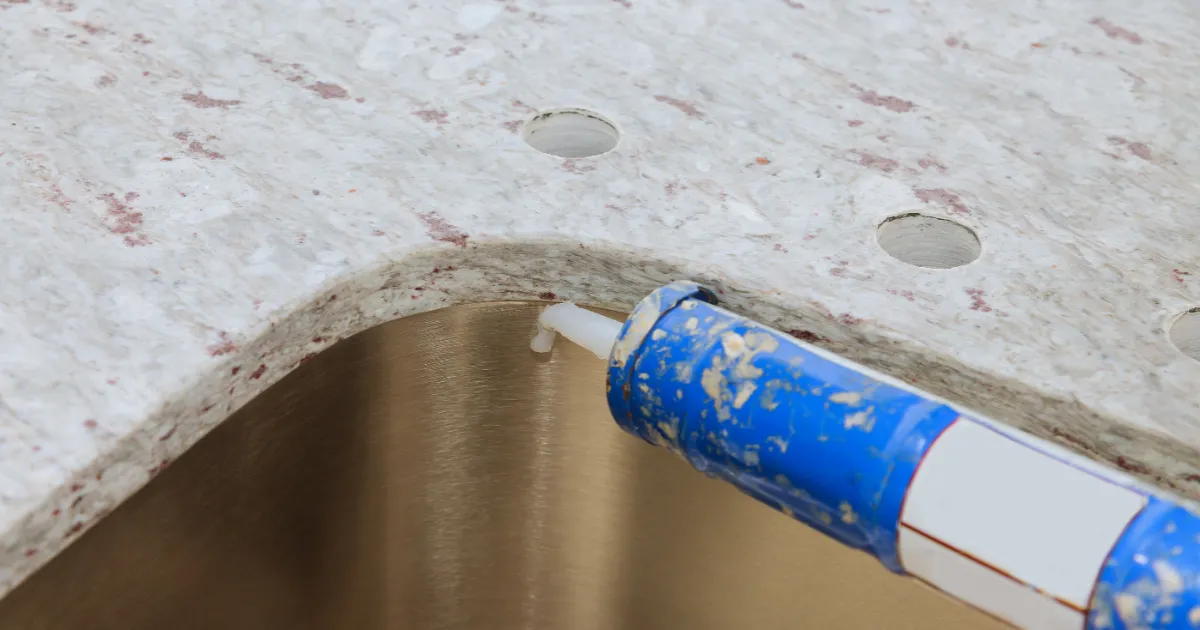
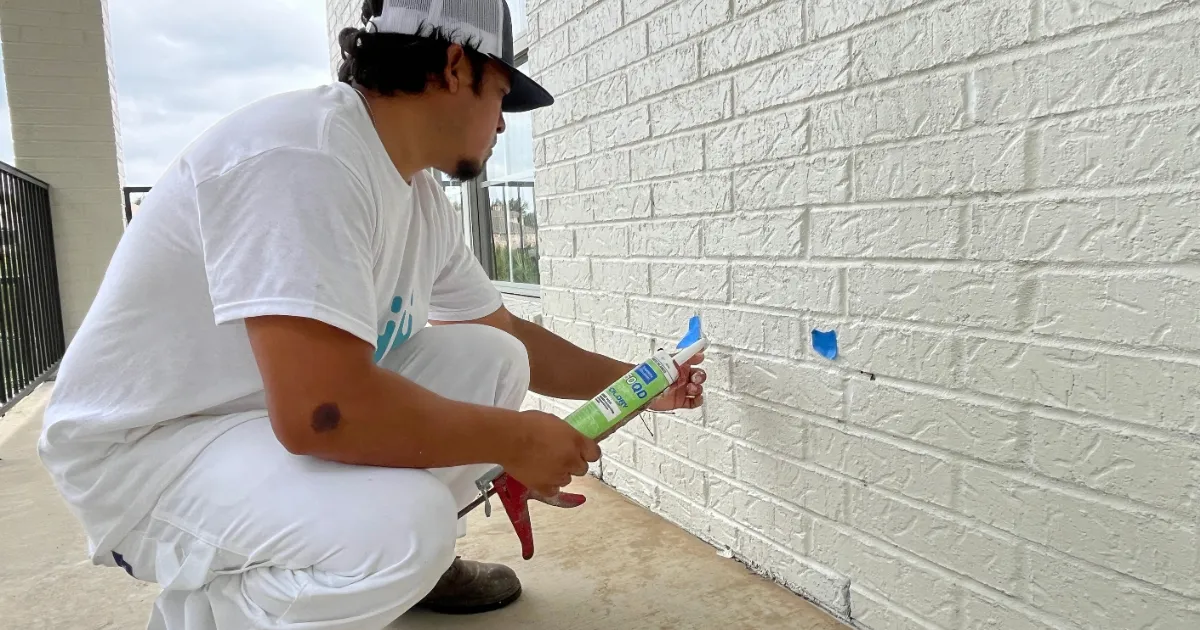
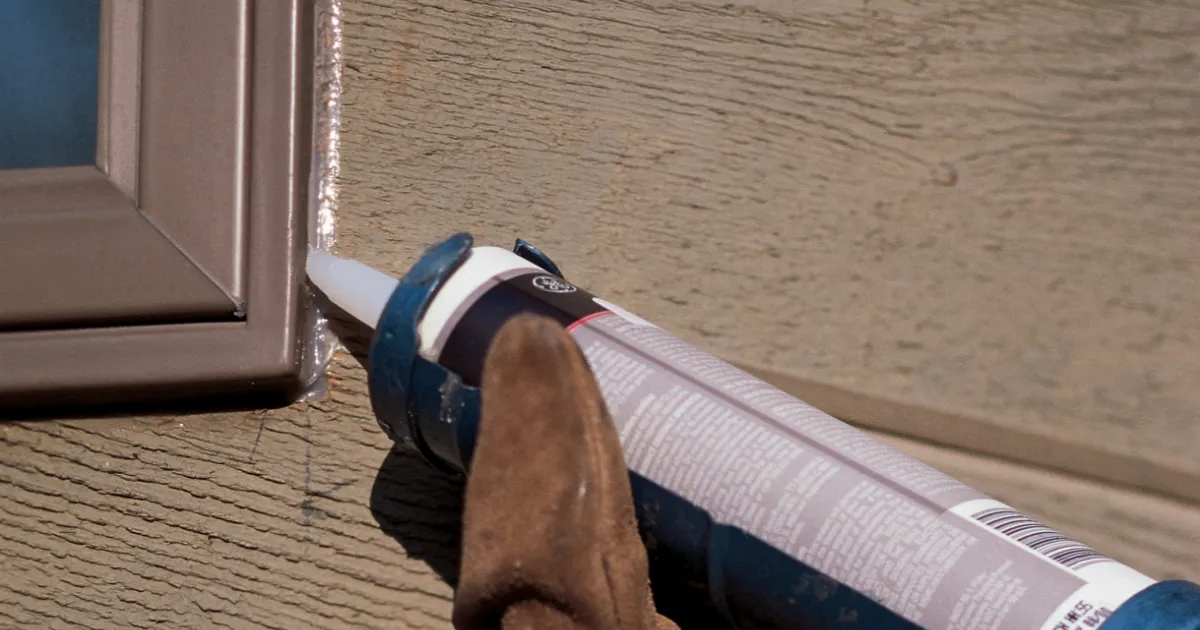
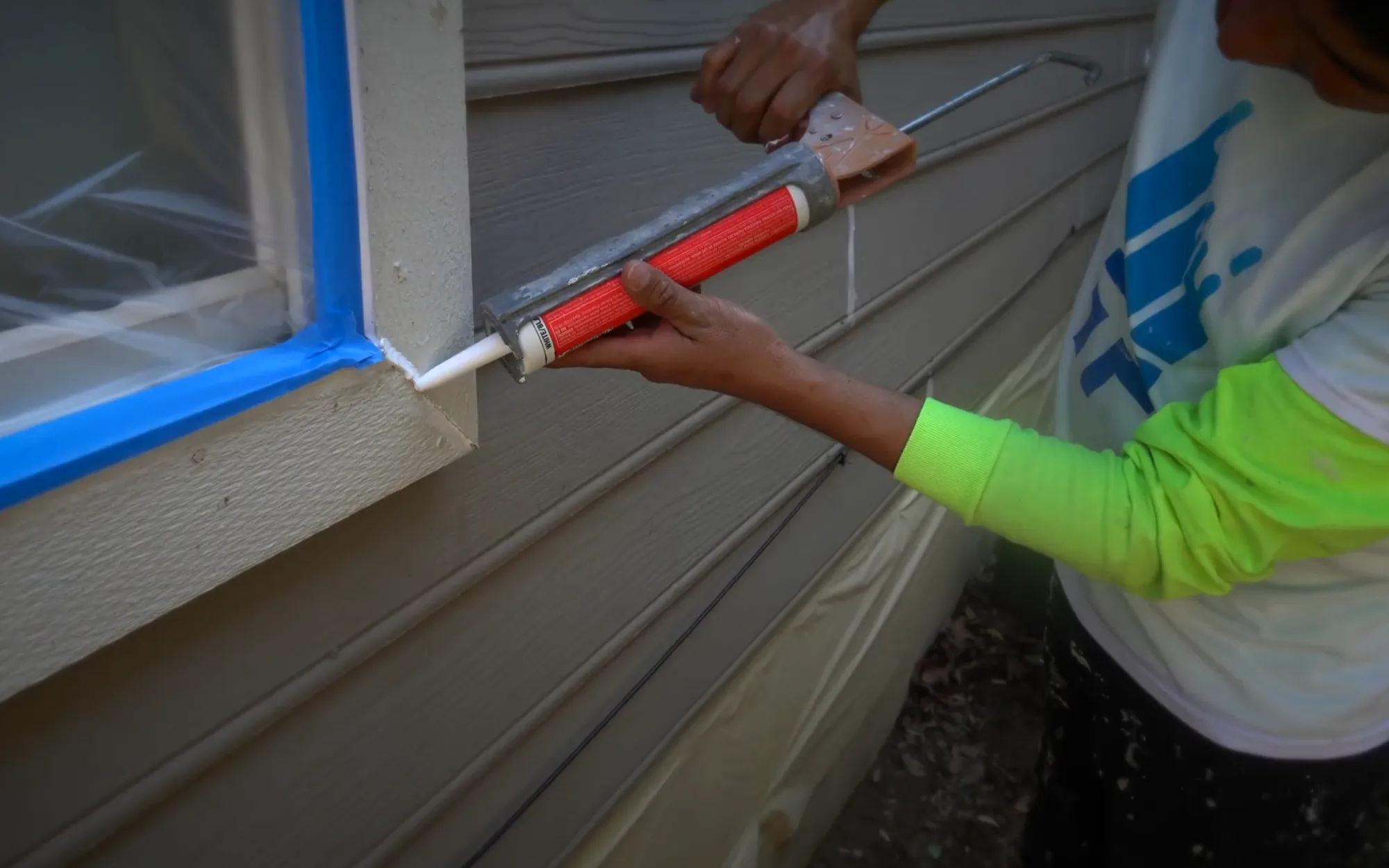
Failed caulk is fully removed, never caulked over. Wide joints get backer rod for the proper hourglass profile, and we select the right sealant for each location: silicone for wet areas, urethane for exterior joints, paintable acrylic-latex for trim.
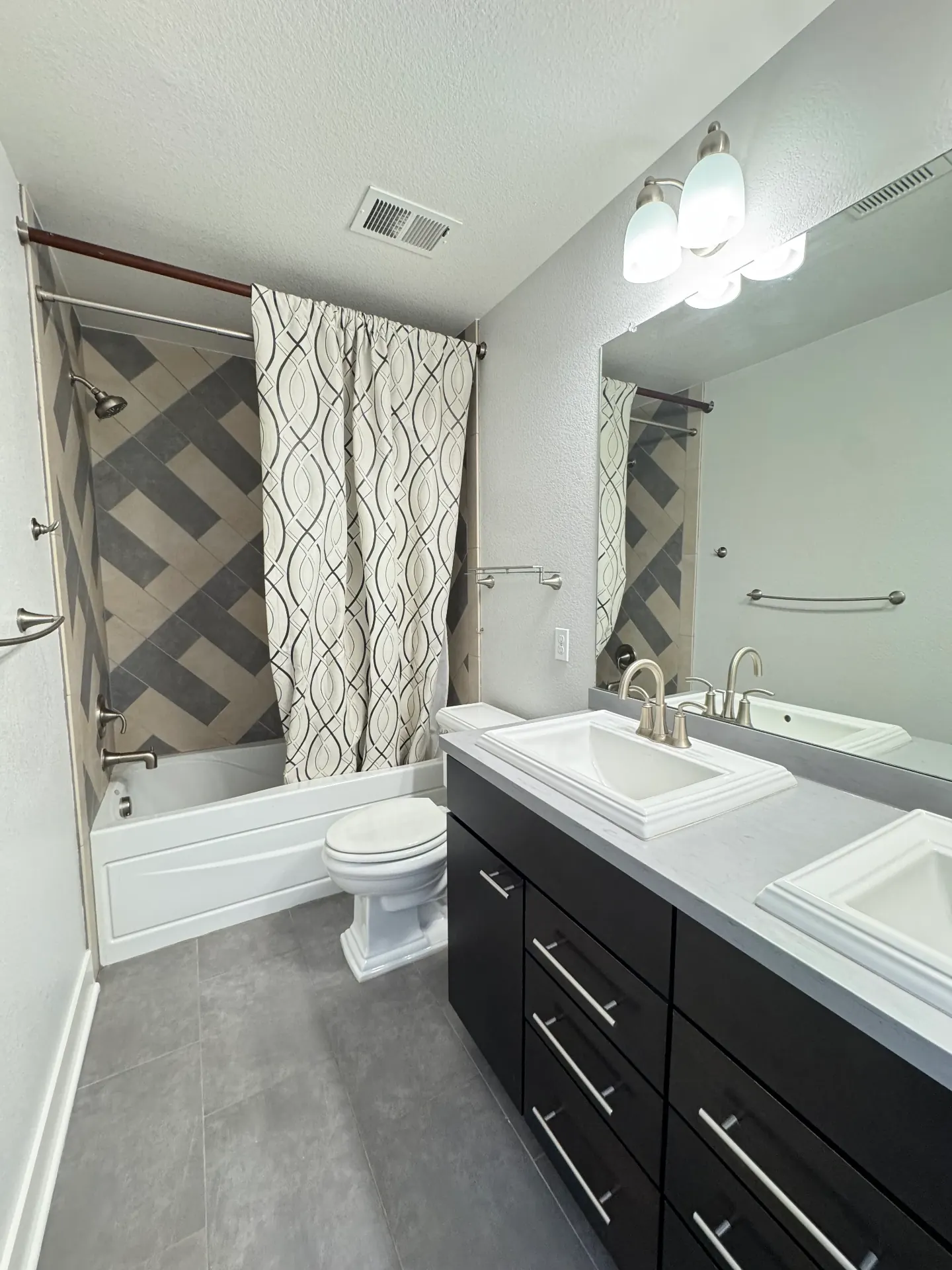
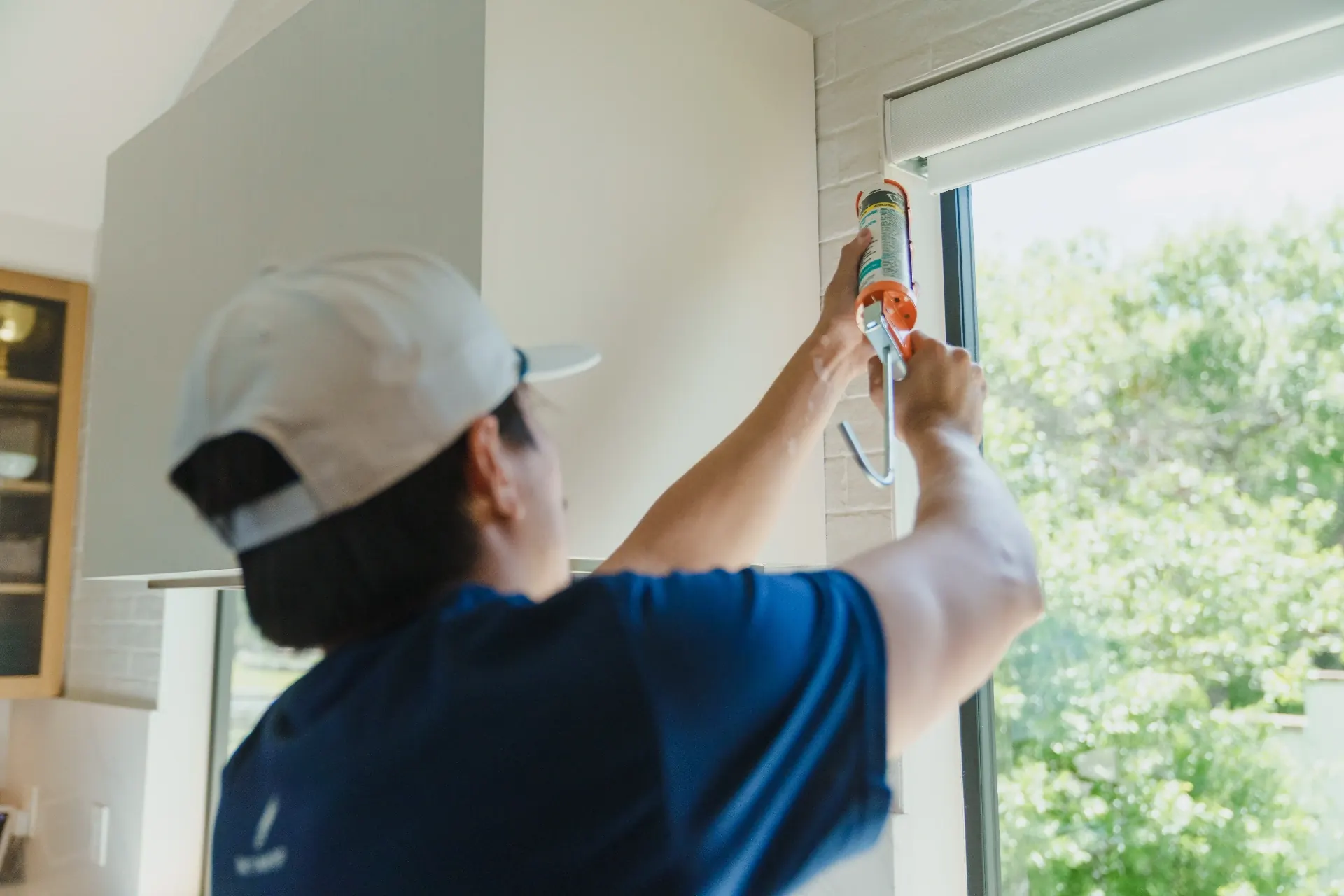
Beads are applied at consistent depth and tooled cleanly so the sealant bonds to both substrates. Painted joints read as one continuous surface, and full cure time is respected before water or paint exposure.
Your project manager inspects every joint where two materials meet: trim, siding, windows, doors, tubs, and backsplashes. We mark failed, cracked, or missing caulk and match the right sealant to each substrate.
Failed caulk is fully removed, never caulked over. Wide joints get backer rod for the proper hourglass profile, and we select the right sealant for each location: silicone for wet areas, urethane for exterior joints, paintable acrylic-latex for trim.
Beads are applied at consistent depth and tooled cleanly so the sealant bonds to both substrates. Painted joints read as one continuous surface, and full cure time is respected before water or paint exposure.
Number of Territories
0+
Number of Paint Jobs
0+
5-Star Reviews5-Star
Reviews5 Star Reviews
0+
"I had such a wonderful experience with this company and their performance at my home. They did such a fantastic job and…"
Spencer Flynn
"Excellent painting service. Andrés López was very professional from the first contact, meeting deadlines and delivering…"
Viviana Torres
"I had a great experience with this painting company especially with Andres. He was an excellent person from start to fin…"
Yamilet López
"Can't say enough about the job Junior and Fernanda did on our interior and outside stucco. They were attentive to detail…"
Brian Wheelis
"I had such a wonderful experience with this company and their performance at my home. They did such a fantastic job and…"
Spencer Flynn
"Excellent painting service. Andrés López was very professional from the first contact, meeting deadlines and delivering…"
Viviana Torres
"I had a great experience with this painting company especially with Andres. He was an excellent person from start to fin…"
Yamilet López
"Can't say enough about the job Junior and Fernanda did on our interior and outside stucco. They were attentive to detail…"
Brian Wheelis
"I had such a great experience with this painting service. A friend recommended them and I'm so glad they did. They were…"
Veronica Pulido
"Excellent job all around. Incredibly communicative and punctual and takes the time to quickly understand your vision. Ev…"
Kris Hodges
"Thank you for the work you did in my house — the paint turned out just the way I wanted, and my living room looks like n…"
Julieta Muñoz
"I had a great experience with the company and great professionalism from Ericsson, great communication and a great attit…"
Giovanni Garayua
"We've collaborated with That1Painter multiple times on different projects here in Austin — everything has always been sm…"
flexpainterstexas
"I'm very happy with the great job you did in my house. I highly recommend you and will continue working with you. Thanks…"
Natalia Castaño
"I had my full interior painted with That1Painter and I'm genuinely impressed. The whole process felt organized, clean an…"
St Luka
"I've been working with Kay from That 1 Painter, and he's an excellent professional. Kay has a remarkable work ethic — al…"
Alexei Racila
"Had a great experience with That1Painter. They painted our kitchen and the result turned out beautiful — clean lines, sm…"
Victor Ross
"Herman and his crew are exceptional! Their work is beautiful and the professionalism is above and beyond. Will use him f…"
J Bammerlin
"They did a great job and didn't stop until the job was completed. They mean it when they say satisfaction guaranteed!"
Naveen Reddy
"I am an interiors designer and worked with Stephanie from That 1 Painter on a project for one of my clients. I couldn't…"
Monica Diaz
"Excellent company, thank you for painting the exterior of my house. You truly met all my expectations — great job! Thank…"
Carol Naranjo
"Excellent work and great service from the team! Thanks Andres for your support."
Kelly Aguirre
"Excelente servicio, muy responsables y el trabajo 10/10 me pintaron la casa y los contrataría otra vez, recomendado, And…"
Ramon Duarte
"I highly recommend this company 100%! They did an amazing job painting my entire house, and I couldn't be happier with t…"
Wilson Arocho
"We had a wonderful experience working with Anji from That 1 Painter! He was professional, on time, and went above and be…"
Carolina Zuniga
"Excellent service and professionalism. Ericsson, the project manager, demonstrated outstanding communication and attenti…"
Arick Liceth Zambrano
"These guys are amazing. Perfect job. Professional and very accommodating. I can't wait for them to do the outside of the…"
Kathy Mitchell
"That 1 Painter met my expectations and beyond. Tommy and his painters were very thorough. The house looks great. I highl…"
Brenda Danks
Savings on heating and cooling from proper air sealing
Energy Star
Maximum annual energy savings from sealing
U.S. Department of Energy
Typical payback period for caulking investment
U.S. Department of Energy
Trusted Paint Partners
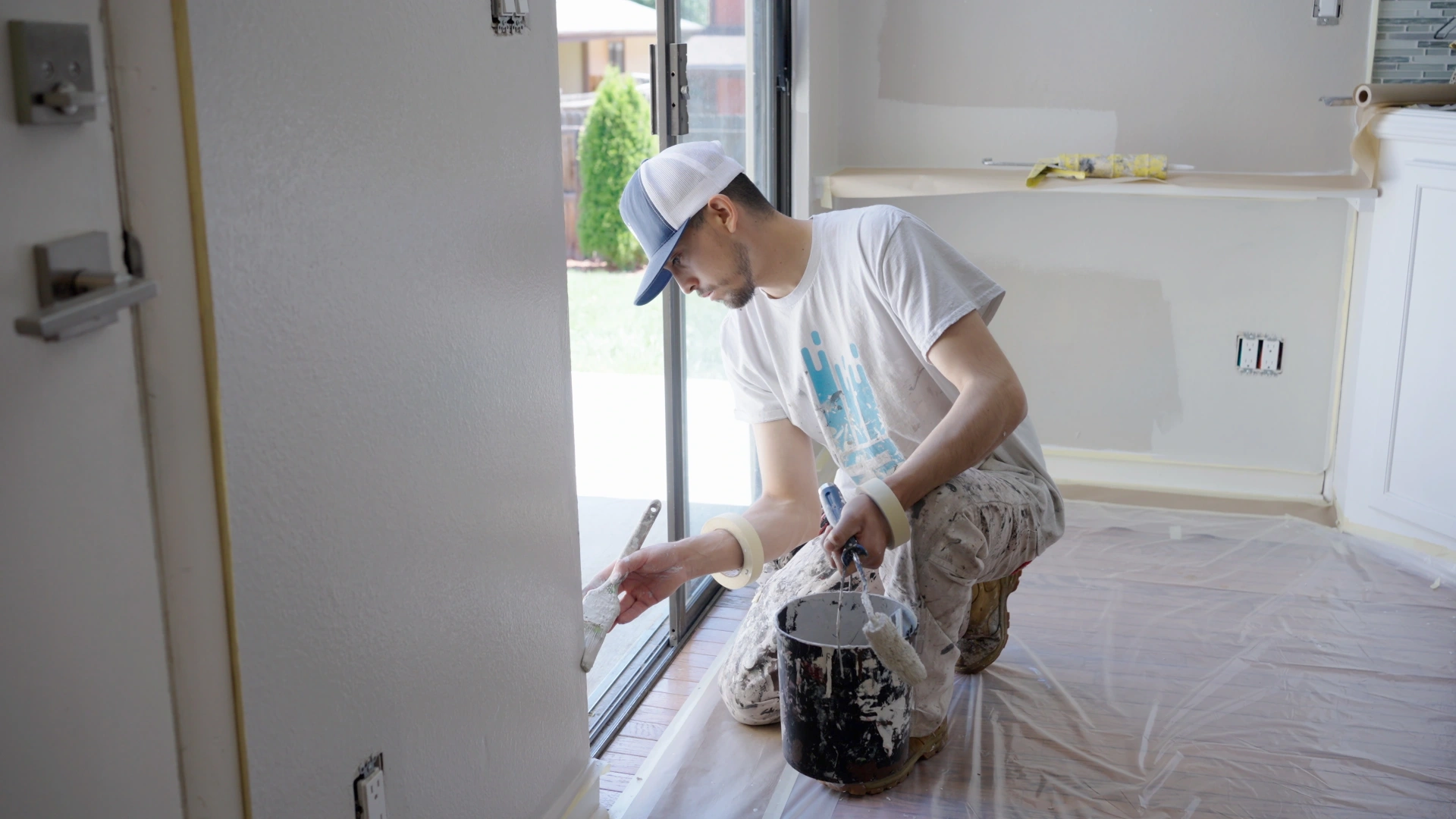
If it peels, cracks, or bubbles — we fix it. No questions asked.
Download WarrantyWhat is caulking and why does it matter?
Caulking is the application of a flexible sealant in the joints where two materials meet — trim to siding, frame to wall, tub to tile, counter to backsplash. It does three jobs at once: it blocks water from getting behind the surface, it stops air from leaking in or out (which directly affects your heating and cooling bills), and it makes joint lines visually clean. Failed or missing caulk is one of the most common root causes of expensive repairs — exterior wood rot, interior water damage, mold behind tile — that all started as a small joint that wasn't sealed. It's a low-cost service with disproportionately large downstream impact.
Where should my home be caulked?
Anywhere two different materials meet. On exteriors: trim-to-siding joints, around every window and door frame, where siding meets brick or stone, at corners and expansion joints, and along fascia where it meets the roofline. On interiors: around tubs and showers, at sinks and backsplashes, between baseboard and wall, between crown molding and ceiling, around interior window and door casings. Not every joint needs caulk every year — but a comprehensive caulk inspection during an exterior repaint or as a standalone service catches everything that's failed and keeps the building envelope tight.
How long does caulk last?
It depends entirely on the product and the joint. A high-quality 100% silicone in a tub joint can last 15+ years. A premium polyurethane or hybrid sealant on an exterior expansion joint commonly lasts 10–20+ years. A cheap interior latex caulk in a poorly prepped joint may fail within 12–18 months. Sun exposure, joint movement, and substrate quality all factor in. The key tells that caulk needs replacing are visible cracks, gaps where the caulk has pulled away from one substrate, discoloration, mildew, or any softness or chalking on exterior beads.
What are the signs that caulk needs to be replaced?
Visible cracking down the middle of the bead, gaps between the caulk and one of the surfaces it's supposed to seal, peeling or pulling-away at the edges, mildew or staining (especially in bathrooms), softness or stickiness on exterior caulk after sun exposure, or chalky residue. Functionally: drafts felt around windows and doors, water stains on the interior side of an exterior wall, paint that bubbles or fails near a joint, or visible water tracks below a window or trim line after rain. Any of those is a signal to inspect and reseal.
What's the difference between interior and exterior caulk?
Exterior caulk has to flex with temperature changes (joints expand and contract every day), resist UV exposure, and remain waterproof. That usually means polyurethane, urethane hybrid, or high-grade siliconized acrylic formulas with high movement ratings. Interior caulk has a much easier job — it mostly needs to look clean, paint well, and seal a stable joint. Standard paintable acrylic-latex caulk works fine for interior trim. The big mistake is using interior caulk in an exterior joint — it'll dry hard, crack within a season, and fail.
Silicone vs. latex caulk — which should I use?
Silicone is the right choice for wet areas — tubs, showers, sinks, exterior areas where mold and mildew resistance matter and the joint won't be painted. Silicone is fully waterproof and remains flexible, but it cannot be painted. Acrylic-latex (or modern acrylic-urethane hybrids like DAP Dynaflex Ultra) is the right choice for interior trim, exterior trim that will be painted, and any joint that needs to accept paint cleanly. Modern hybrid sealants increasingly bridge the gap — paintable, waterproof, and flexible — but they're more expensive than basic latex.
Can I caulk over old caulk?
No — and this is the single most common DIY mistake. New caulk over old caulk doesn't bond properly to the substrate underneath; it only bonds to the old caulk, which is already failing. The new bead will lift, crack, and peel within months. Proper caulk replacement requires fully removing the old material with a caulk removal tool or utility knife, cleaning the joint, allowing it to dry, and applying fresh sealant directly to clean substrates on both sides. There are no shortcuts on this — caulking over failed caulk is worse than leaving the old caulk alone.
Does caulking really save energy?
Yes, measurably. The U.S. Department of Energy identifies air sealing — caulking and weatherstripping combined — as one of the most cost-effective steps a homeowner can take to reduce HVAC load. Air leaks around windows, doors, and exterior trim joints add up to a significant fraction of a typical home's heating and cooling losses. A thorough exterior caulking pass plus weatherstripping on doors and windows commonly delivers a measurable drop in monthly energy bills, with the work paying for itself within a few seasons.
How often should caulk be replaced?
Inspect annually, replace as needed. There's no fixed calendar — premium exterior caulk in a stable joint may go 15+ years; cheap caulk in a high-movement joint may fail in 12 months. The practical rule: when you're already doing an exterior repaint (typically every 7–12 years for most homes), have all exterior caulk inspected and any failed beads fully replaced as part of prep. For interior bathrooms, inspect tub and shower caulk yearly and reseal at the first sign of mildew or pulling away.
Can caulking prevent water damage?
Yes — and that's arguably its most valuable function. Most wood rot on exterior trim, fascia, and around windows traces back to a failed caulk joint that let water in over months or years. Most bathroom subfloor damage and mildew problems trace back to failed tub or shower caulk. Sealing those joints proactively, and re-sealing them at the first sign of failure, is one of the highest-leverage maintenance moves a homeowner can make. Caulk is cheap; the wood rot and water damage repairs it prevents are not.
What's the difference between paintable and non-paintable caulk?
Paintable caulk (acrylic-latex, acrylic-urethane hybrids, paintable polyurethanes) is formulated so paint will bond to the cured surface — necessary for any joint on painted trim. Non-paintable caulk (most 100% silicones) has a surface chemistry that paint physically cannot stick to; paint will bead, peel, or fish-eye on it within hours. Use silicone in wet areas where the bead is exposed and paint isn't a factor (tubs, showers, exterior joints behind paintable trim) — and use a paintable formula anywhere a continuous painted finish is required.
What does professional caulking cost vs. DIY?
DIY caulking material cost is low — typically $5–$15 per tube, plus a $5 caulk gun. Professional whole-home exterior caulking commonly runs $300–$1,500 depending on home size and joint count. The price difference reflects three things: full removal of failed caulk (the slow, careful part), the right product selection for each joint and substrate, and a properly tooled bead that actually seals long-term. Most DIY caulk failures we replace come from the right product applied poorly or the wrong product applied competently — both of which cost more to redo than to do right the first time.
Expert tips, how-to guides, and inspiration for your next caulking project.
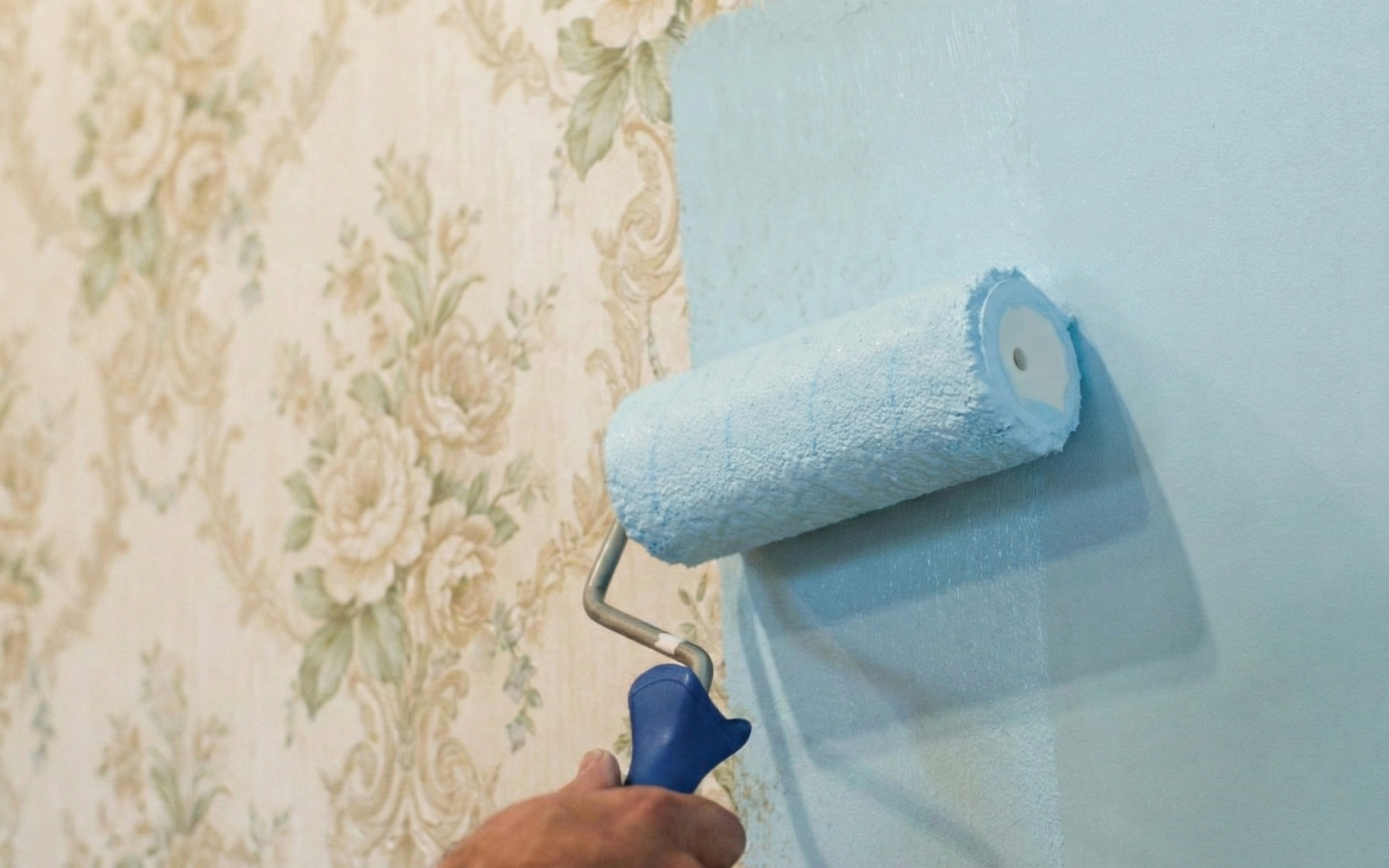
Yes, you can paint over wallpaper, but only if it is smooth, fully adhered, and structurally stable.
Read More →
Color drenching breaks all the rules by applying a single color across every surface in a room.
Read More →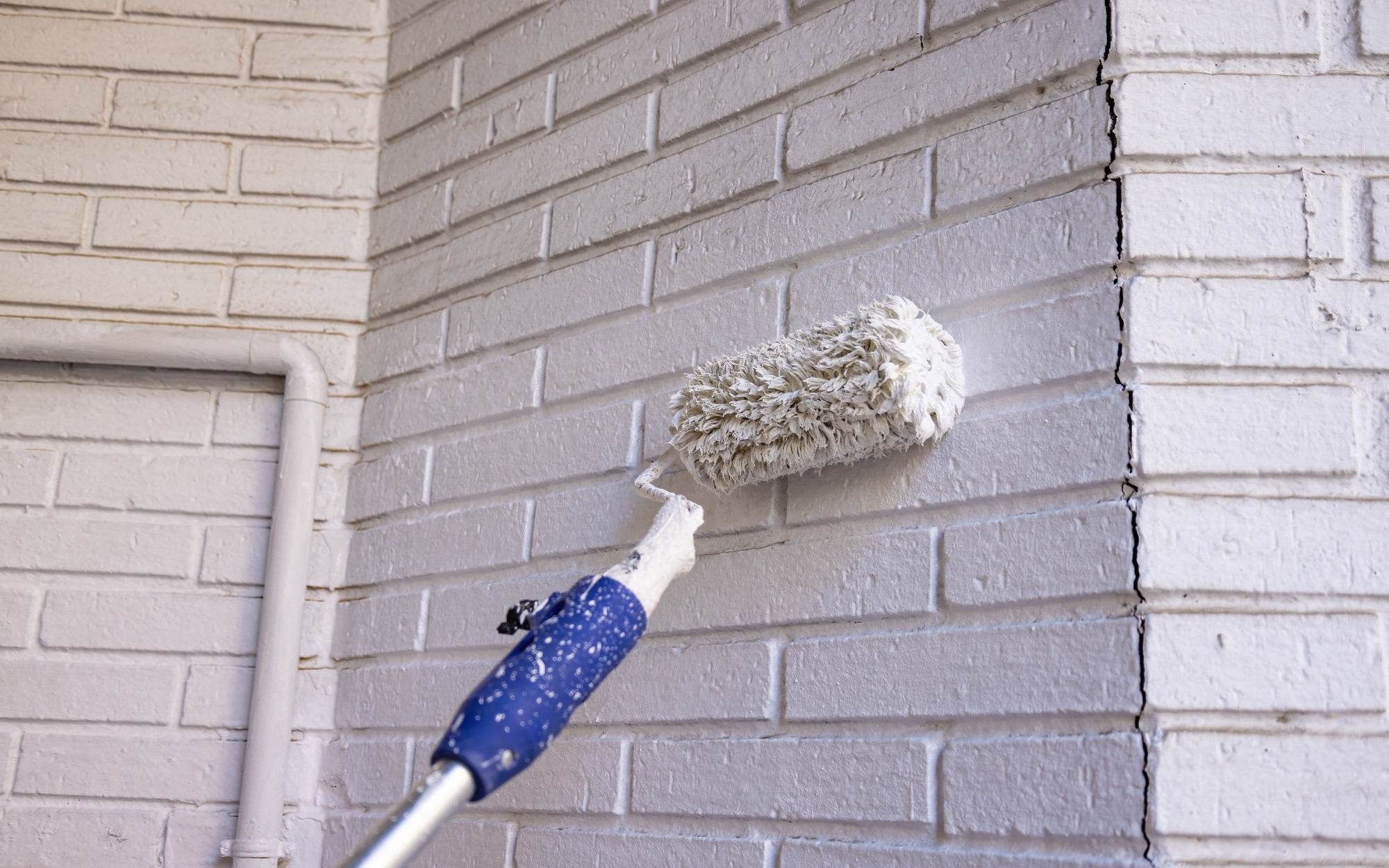
Painting brick is one of the most common exterior questions homeowners ask, and also one of the easiest places to make costly mistakes.
Read More →Swipe to explore →
Yes, you can paint over wallpaper, but only if it is smooth, fully adhered, and structurally stable.
Read More →Color drenching breaks all the rules by applying a single color across every surface in a room.
Read More →Painting brick is one of the most common exterior questions homeowners ask, and also one of the easiest places to make costly mistakes.
Read More →