







"Efficient, dependable delivered work contracted for. On sight management , very pleased with results."
Carolyn Dickerson


Our Prince George's County, MD crews paint everything: walls, ceilings, trim, doors, cabinets, exteriors, decks, and commercial interiors. We work across Prince Georges County, Bladensburg, and Mount Rainier with the durability standards required by a four-season Mid-Atlantic climate.

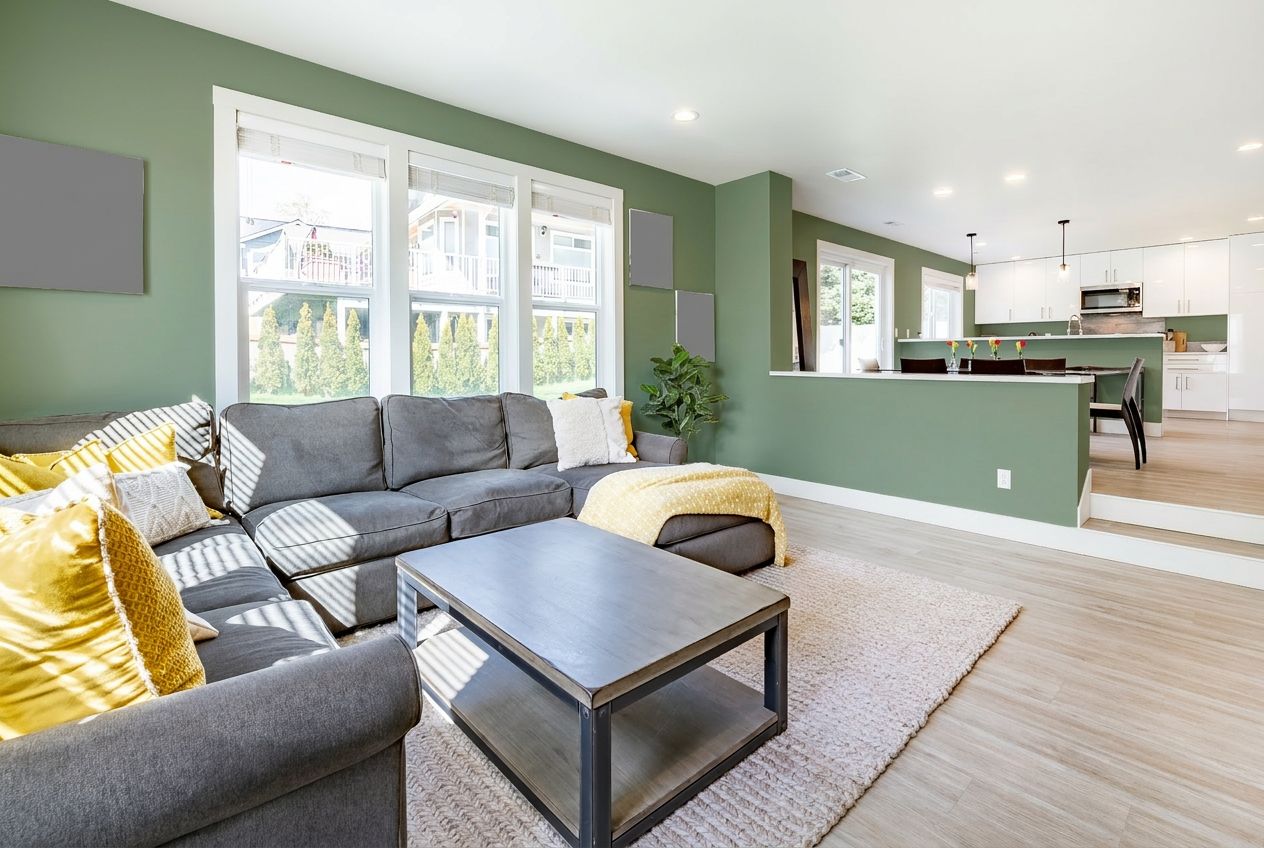
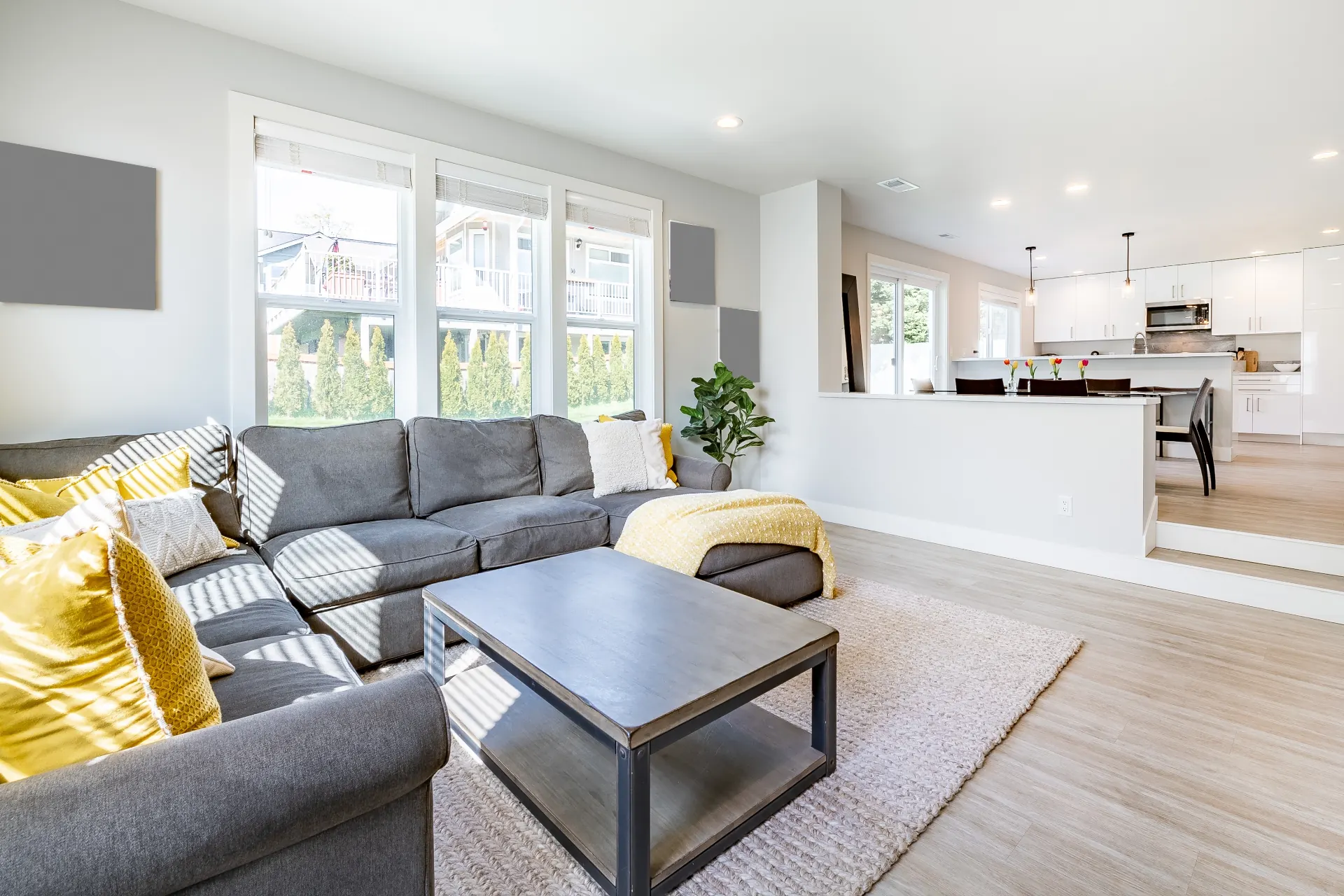
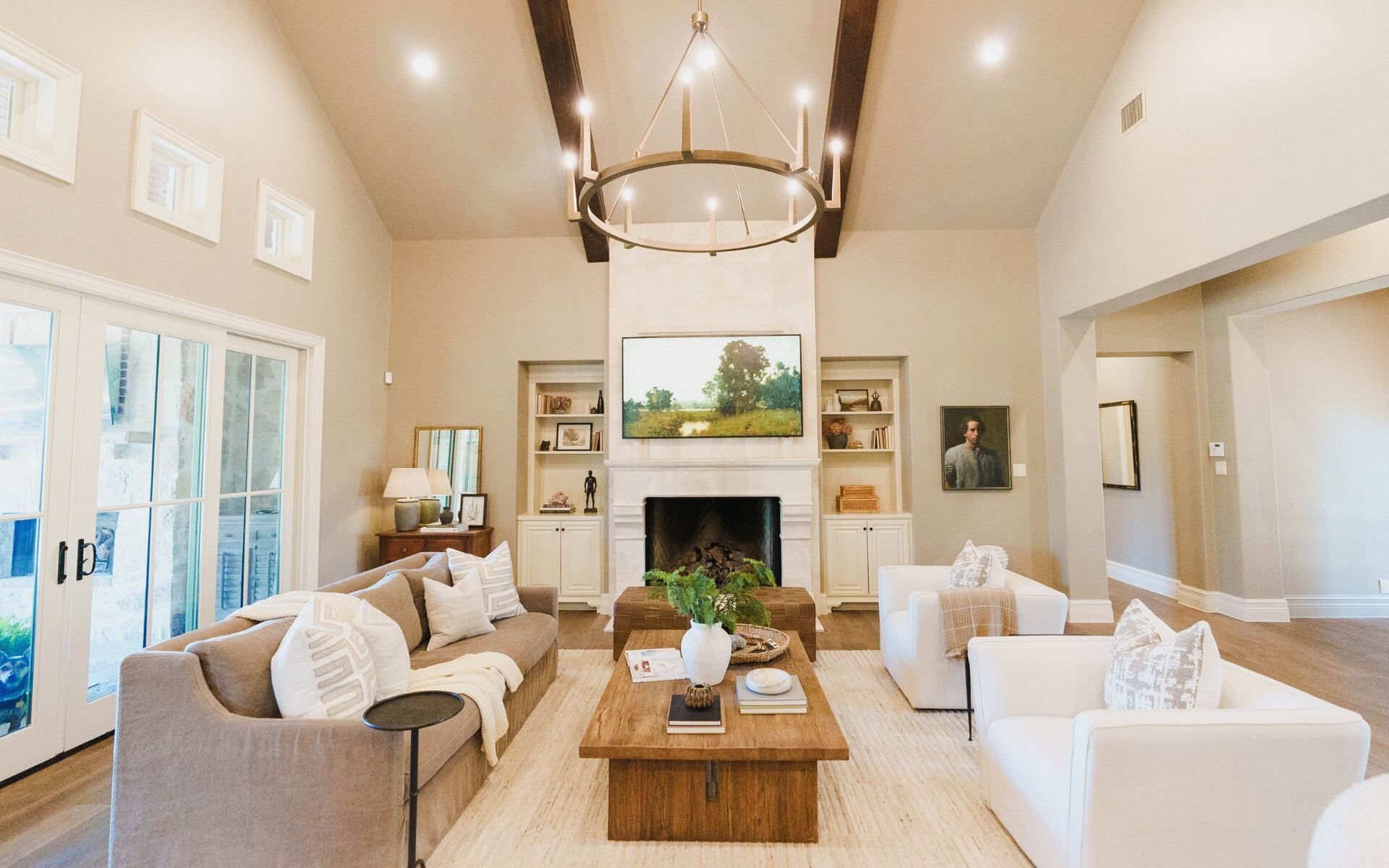
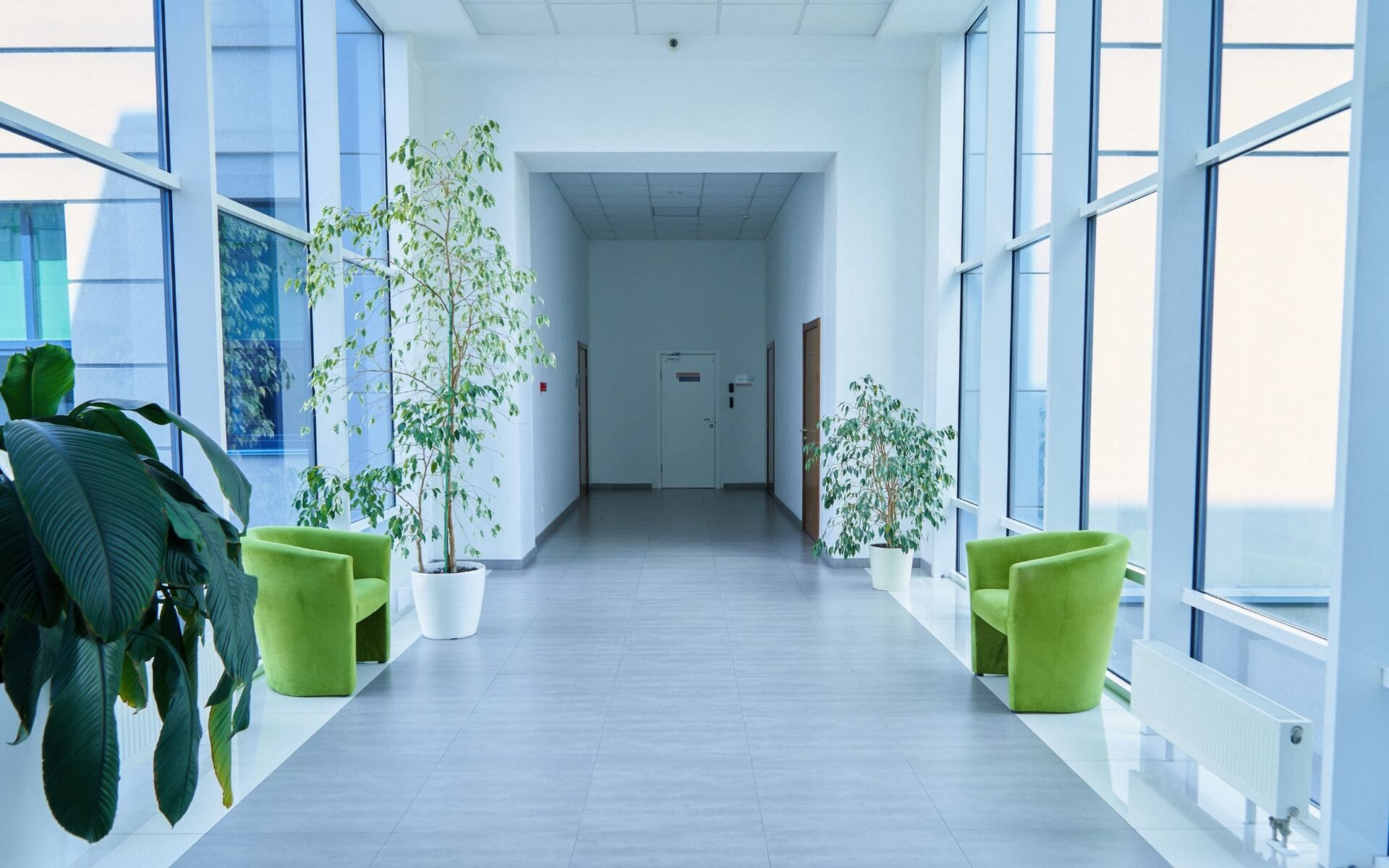
Transform your living spaces with flawless color and finish.

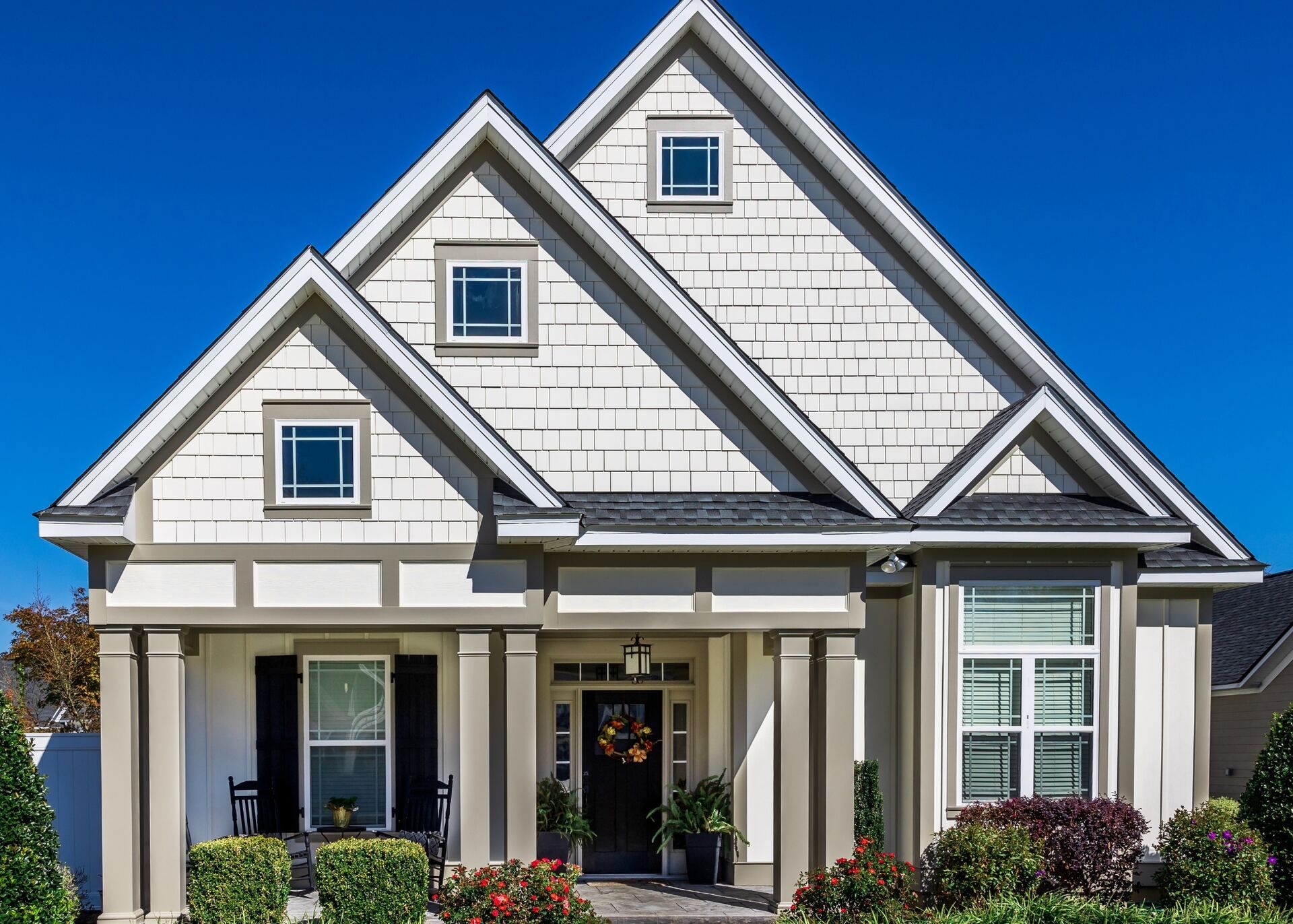
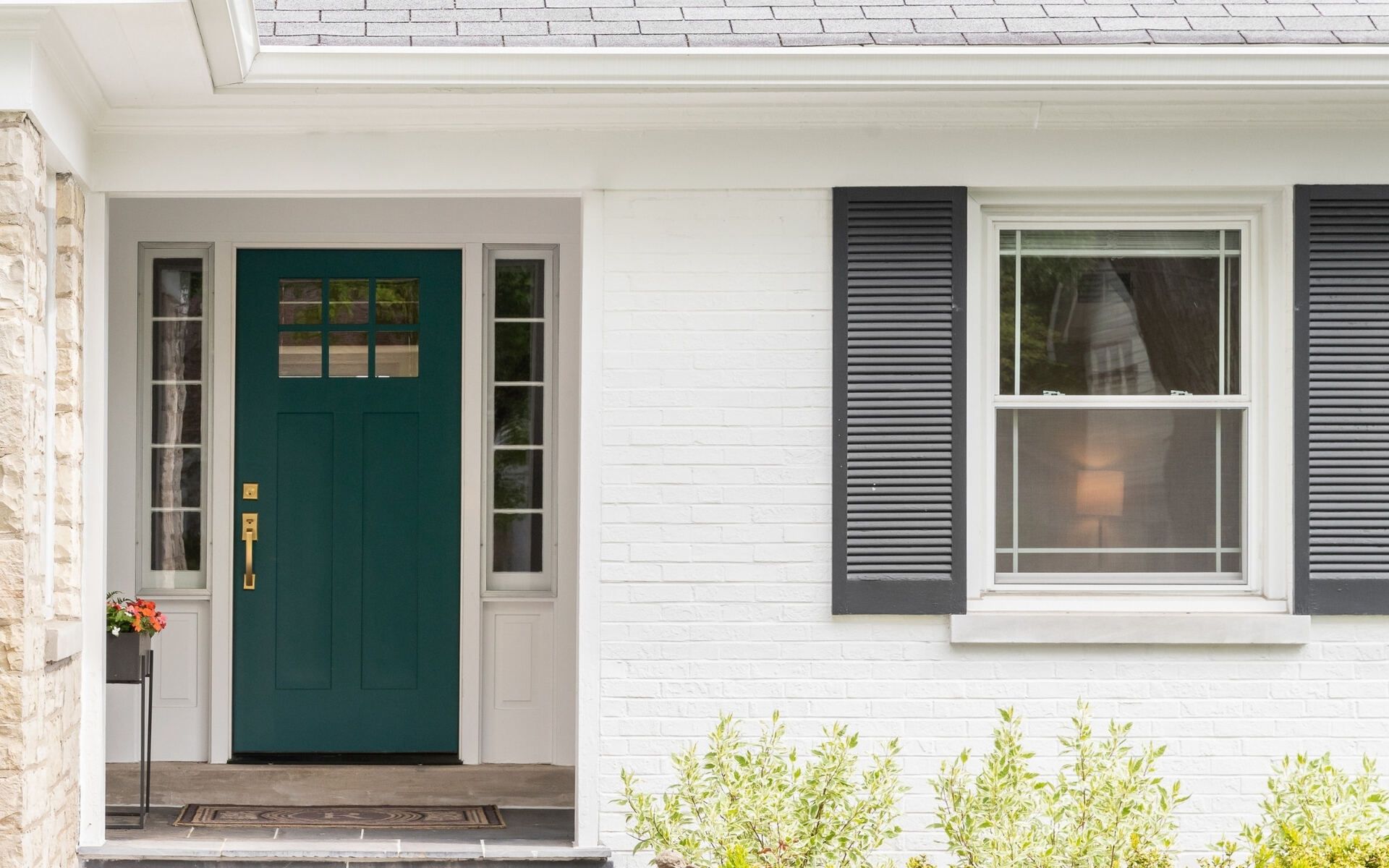
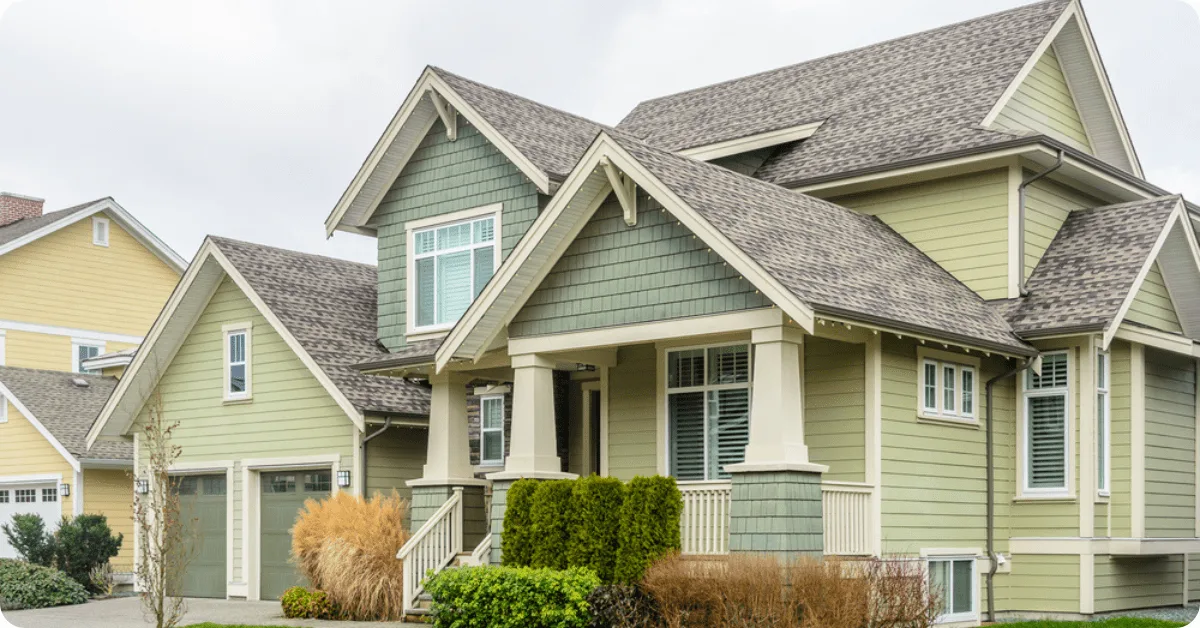
Curb appeal that lasts. Expert coatings for every climate.

Professional-grade finishes that elevate your business space.

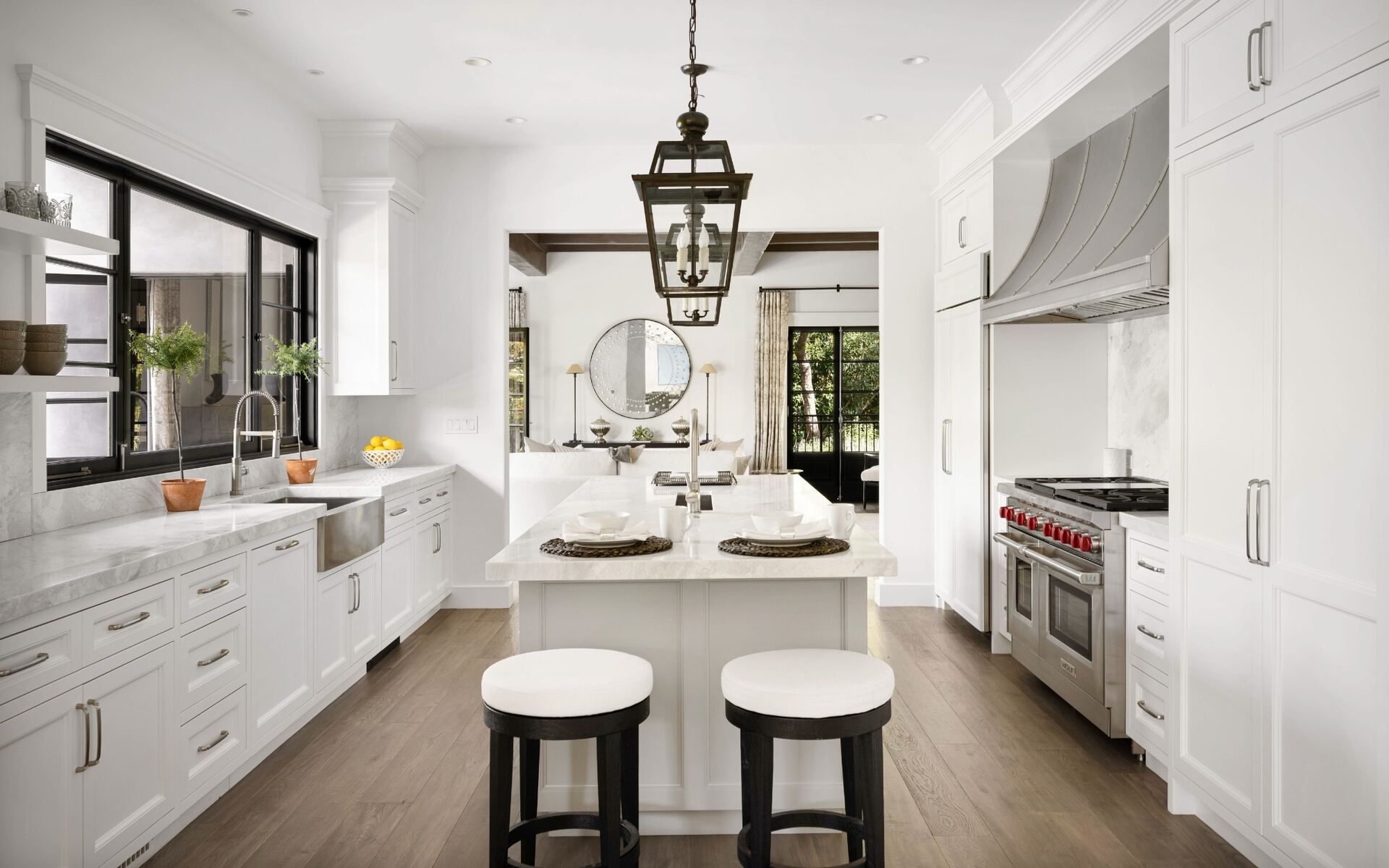
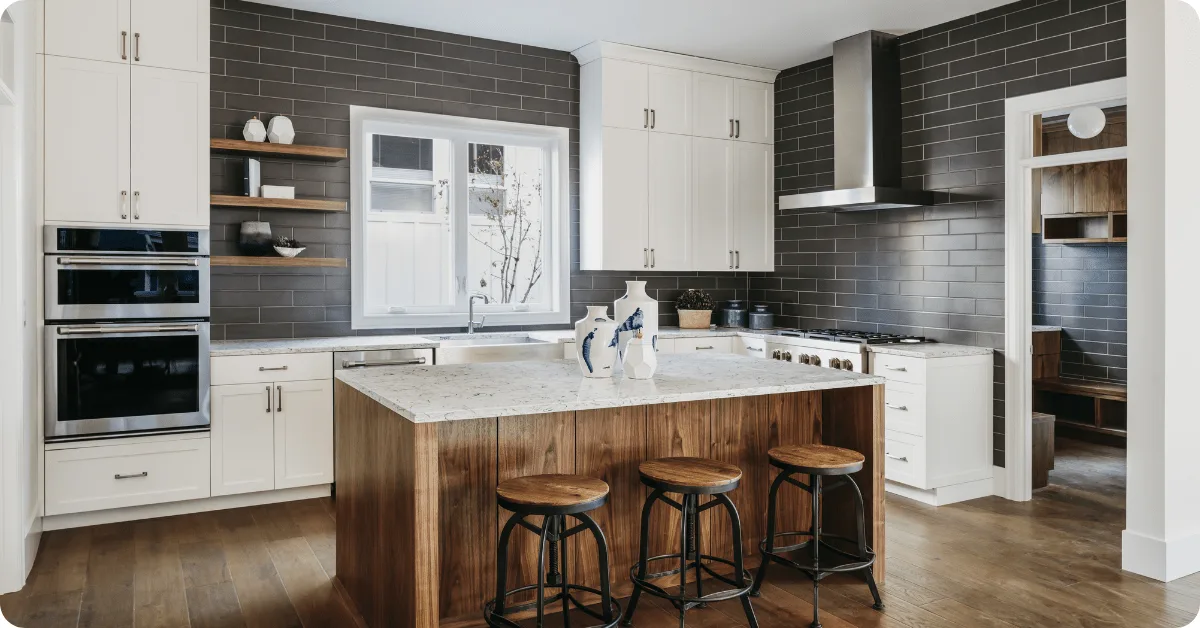
Refresh your kitchen with a smooth, factory-quality finish.

Authentic European lime-based finishes for timeless texture and depth.

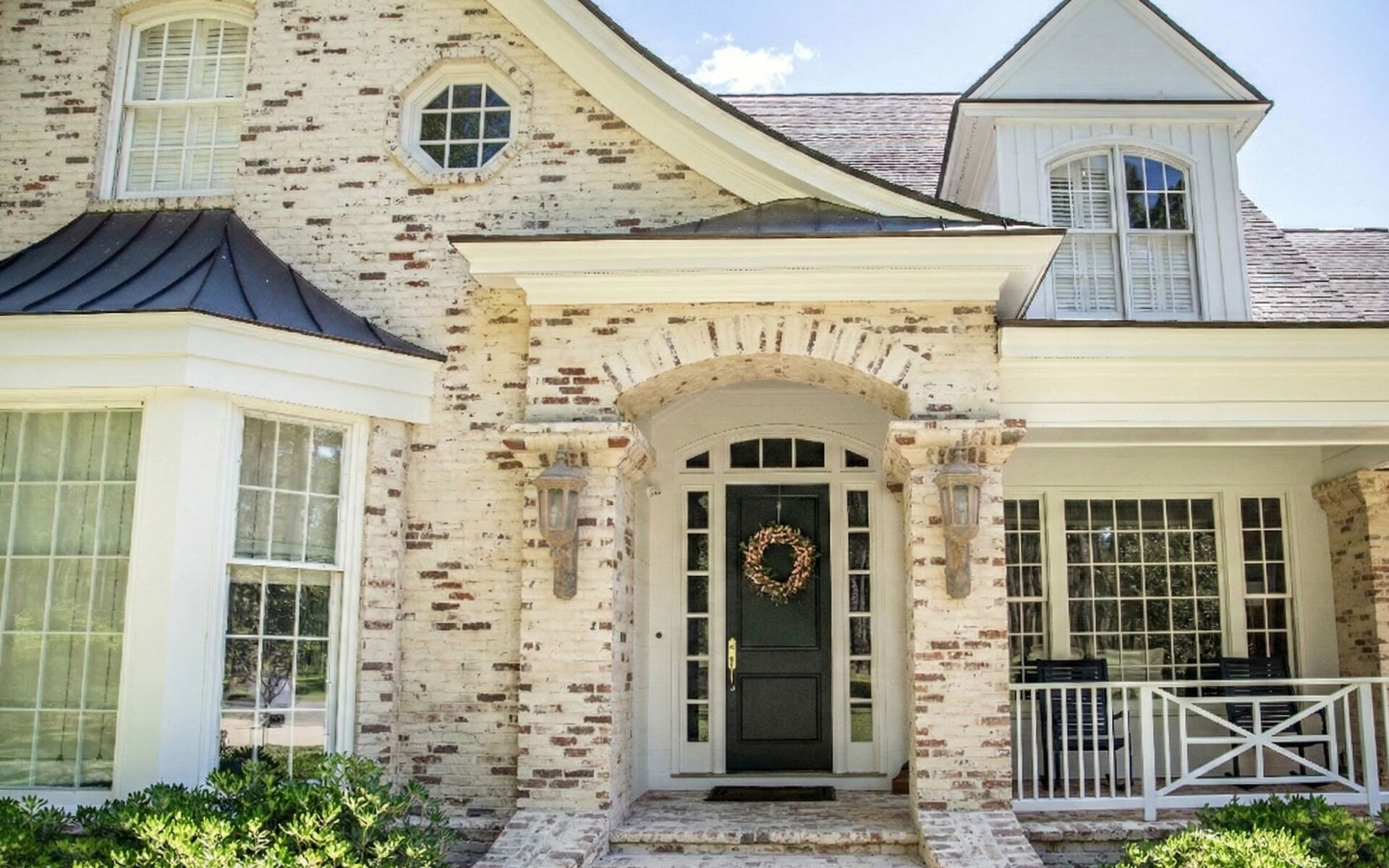
Breathe new life into brick with lasting, beautiful color.

Transform your living spaces with flawless color and finish.

Curb appeal that lasts. Expert coatings for every climate.

Professional-grade finishes that elevate your business space.

Refresh your kitchen with a smooth, factory-quality finish.

Authentic European lime-based finishes for timeless texture and depth.

Breathe new life into brick with lasting, beautiful color.
Trusted Paint Partners
"Efficient, dependable delivered work contracted for. On sight management , very pleased with results."
Carolyn Dickerson
"I recently had my home painted by That 1 Painter Prince Georges County, and Im absolutely thrilled with the results! Fro…"
Aakash Parmar
"That 1 painter prince George county is a boom! When I saw the fb post I contacted them and Ms Chivonne responded in no t…"
Victorious Amaduhu
"When I go back out I will send a.picture, everyone is just so jealous. Lol. I really enjoyed the guys, the color of the…"
d.d. p.parker

That 1 Painter Prince George's County is owned and operated by Chivonne Phillips, serving Prince Georges County, Bladensburg, and Mount Rainier with our crews and a 3-year written warranty. Every estimate is reviewed by ownership, no call centers.
Your painting project means as much to us as it does to you. We're licensed and insured, and our promise is simple: we'll be your best house guests, treating your place with the utmost care and leaving it even more pristine than when we arrived.

That 1 Painter Prince George's County serves the 19 communities below, from the Port Towns and the arts-district bungalows of Mount Rainier and Hyattsville to the university blocks of College Park, the New Deal core of Greenbelt, and the newer subdivisions around Bowie and Upper Marlboro.
Housing in Adelphi came up fast in the two decades after the war, and it shows in the repetition: brick capes and split-levels in long runs, garden apartment courts along the Langley Park edge, and frame additions tacked on later as families grew. Adelphi also absorbs student overflow from the campus a mile east, so a block can hold an owner of forty years next door to a rental turning over every June. Northwest Branch keeps the low ground damp, and summer air inside the Capital Beltway sits heavy against the shaded rear walls where downspouts dump.
We treat the two ownership patterns differently. Long-held houses usually want a full envelope reset, mildew washed off the shaded faces and bare brick sealed before exterior painting begins on the frame additions. Rentals want turnover speed without cheap results, which means patched drywall, hard-wearing sheens, and tight room sequencing under interior painting. Kitchens in the original Adelphi capes were built with solid boxes and bad hinges, so refinishing them through cabinet painting beats a teardown almost every time. Our three-year transferable warranty is written into the Adelphi proposal, not added later.
Berwyn Heights is barely a square mile, and the housing reads like a timeline you can walk in twenty minutes. Turn-of-the-century frame houses with deep porches sit near Pontiac Street, then postwar bungalows and small brick ranches fill the blocks behind them, then a scattering of newer infill closes the gaps. Indian Creek runs the low edge of town and mature trees close over most streets. That combination, standing water nearby and very little direct afternoon sun, keeps siding cool and slow to dry through the humid stretch of a Washington suburbs summer.
Old porch wood is where a Berwyn Heights estimate starts. Columns, deck boards, and skirt trim get probed, and the soft members are rebuilt under repair and maintenance before a finish system is specified. Shaded elevations then get a mildew-resistant product through exterior painting, while the sunny street face can take the standard build. Inside these smaller houses, plaster cracks and stair-hall trim set the pace for interior painting, and the compact original kitchens come back through cabinet painting. Three years of transferable coverage follows the Berwyn Heights address itself.
Bladensburg sits at the head of the Anacostia, which is the single fact that governs how buildings here weather. The river flats hold moisture, the older frame and brick houses above Decatur Heights sit only slightly higher, and the Annapolis Road corridor mixes small commercial storefronts with two-story residential behind them. Stock ranges from prewar duplexes to modest postwar brick, much of it never insulated to modern standards. Owners in Bladensburg describe the same pattern year after year: green film creeping up the north wall, swollen door bottoms, and a musty smell in the lowest room.
Moisture control leads, cosmetics follow. We wash the growth off, let masonry dry, and use breathable systems on brick so the wall is not sealed shut, then plan the elevations under exterior painting. Storefront frontage along the corridor gets scheduled around business hours through commercial painting so nobody loses a Saturday. Indoors, damp-stained ceilings and taped joints are corrected before interior painting closes the room out, and worn kitchen fronts are restored by cabinet painting rather than replaced. Warranty coverage here runs three years and transfers if the Bladensburg property sells.
Bowie is the newest-feeling territory on this list. Around Mitchellville, Woodmore, and Lake Arbor the houses are large builder colonials from the 1990s onward, vinyl or brick front with siding on the returns, garage-forward, on open lots with young trees. Nothing is historic and very little is small. What these houses share is builder-grade material on the parts nobody looks at: composite trim boards at the roofline, cedar-look shutters, and south-facing garage doors that take full sun all afternoon. Prince George's County humidity then works on the caulk joints until the seams open.
A Bowie scope is mostly about the details that fail on newer construction. We cut out failed sealant, reset trim boards, and re-caulk every penetration before exterior painting touches the field, because a fresh finish over an open joint buys nothing. Two-story foyers and open-plan great rooms make the indoor work about staging and clean cut lines, handled under interior painting. Original honey-oak kitchens all over Bowie are structurally fine and only look dated, which is exactly the case for cabinet painting. Coverage stays in force three years and moves with the deed.
College Park runs on the university calendar. Old Town and Calvert Hills hold 1920s and 1930s bungalows and foursquares that were built for faculty and railroad families, many of them cut into rentals since, with Lakeland and Berwyn adding smaller frame houses on tight lots. Landlord turnover in College Park is annual and unforgiving, so surfaces take more abuse in one year than a family home takes in five. Add the mid-Atlantic humidity that settles over these low blocks in July and you get soft porch rails, scuffed stair walls, and doors that stick by August.
Timing matters as much as product here. Rental scopes are built to land between leases, using durable washable sheens and fast, clean room sequencing under interior painting so units are ready on move-in day. Owner-occupied bungalows in Calvert Hills get the slower treatment: hand scraping the old layered film, rebuilding porch members through repair and maintenance, then finishing the elevations with exterior painting. Small period kitchens are restored door by door under cabinet painting. Every College Park job closes with a transferable three-year term.
District Heights was platted as a planned community and built out mostly in the 1940s and 1950s, which is why the blocks are so consistent: small brick ramblers and capes, some with dormers added, gutters and soffits original on more houses than you would expect. Toward Forestville and Silver Hill the lots get a little larger and a few split-foyers appear. Because the brick is solid and the frame parts are minimal, wear concentrates in a few places, namely soffit and fascia wood, the aluminum-covered trim at the eaves, and the storm-door surrounds facing weather.
That concentration keeps a District Heights estimate honest. We give the eave and fascia line real attention, replace what has gone punky under repair and maintenance, and specify a masonry-appropriate system where owners want the brick itself changed. Field elevations, shutters, and doors are handled through exterior painting, while the rambler rooms behind them, most still carrying original plaster and flat builder color, are scoped under interior painting. Rambler kitchens are compact and their frames are usually sound, so cabinet painting is the practical route. The three-year term stays with the house through a sale.
Fairmount Heights was among the first Black-incorporated municipalities in Maryland, and the housing carries that history plainly. Small frame houses from the 1910s and 1920s stand beside modest brick from the 1940s, many owned by the same families across generations, on hilly lots that drop toward Sheriff Road. Additions were often built by the owners themselves, so it is common to find three or four wall materials on one house. Direct sun on the high side and deep shade on the low side means one elevation chalks while the opposite face grows a green cast inside the Capital Beltway.
Older frame work needs patience before product. In Fairmount Heights we test for stability on the earliest siding, contain dust because the pre-1978 stock is real here, and rebuild sills or corner boards through repair and maintenance. Each material then gets its own sealer so the mixed walls read as one surface once exterior painting is underway. Plaster repair and trim work drive the indoor scope through interior painting, and small original kitchens are brought back with cabinet painting. Three years of transferable coverage is standard on every address.
Glenarden holds two eras side by side. The older town core has small postwar frame and brick houses on quiet grid streets, while Glenarden Woods adds larger 1980s and 1990s colonials with attached garages and more siding surface per house. Between them run the commercial edges along Martin Luther King Jr. Highway and the light-industrial pockets near Ardwick. Older Glenarden houses fail at wood detail, the newer ones fail at seams and sealant, and both sit in the same heavy Washington suburbs air that keeps north walls damp from June through September.
So the estimate splits by era. On the town-core houses we scrape, stabilize, and rebuild trim first, then run a mildew-resistant build under exterior painting on the elevations that never dry out. On the newer Glenarden Woods colonials the same visit is mostly joint work, sealant renewal, and garage-door prep. Indoor scopes cover ceiling repair, taped-seam correction, and finish work through interior painting, with dated oak fronts refinished under cabinet painting. Warranty language is identical either way: three years, transferable on sale.
Old Greenbelt is a federally planned New Deal town and a National Historic Landmark, which changes the rules. The original block homes and frame rows from 1937 are cooperative property with color and detail standards, laid out along interior walkways instead of driveways, under a canopy the plan deliberately preserved. Greenbelt East, Boxwood Village, and Lakeside add later single-family and townhouse stock with more conventional exposure. In the historic core, deep shade plus surrounding parkland keeps humidity high year-round, so mildew and soft trim show up on schedule while sun damage barely registers.
Working in Greenbelt means matching approved colors and respecting cooperative access rules, then handling the practical part: mildew treatment, sound repair on original trim, and a controlled build under exterior painting using systems suited to constant shade. Interiors in the historic units are compact with original plaster, so cut lines and clean staging matter more than square footage under interior painting. Their small galley kitchens with original casework are ideal for cabinet painting. Coverage on Greenbelt work is a transferable three-year term, cooperative unit or single-family alike.
The Hyattsville Historic District is the deepest concentration of late-Victorian and early-1900s architecture in the county: Queen Anne turrets, shingled gables, wraparound porches, and a good number of houses that have never lost their original wood windows. Behind it the Arts District brings mixed-use blocks and renovated storefronts, and Castle Manor fills in with 1920s bungalows. Owners here restore rather than replace, so there is more exposed exterior wood per house than anywhere else nearby. Mature street trees hold moisture against those detailed north faces long after a rain has passed.
Detail-heavy houses need slow prep, and that is most of the labor on a Hyattsville job. Brackets, spindles, and porch ceilings are worked by hand, failing members are replaced under repair and maintenance, and elevations are built up carefully through exterior painting with the shaded faces getting the tougher mildew-resistant specification. Original plaster, picture rails, and stair millwork indoors reward brushwork over rollers, planned under interior painting. Butler pantries and early cabinetry are refinished by cabinet painting. Each Hyattsville proposal carries the same transferable three-year term.
Landover is a working mix rather than a single neighborhood type. Kent Village, Palmer Park, and Columbia Park hold 1950s and 1960s brick and frame houses on flat lots, apartment courts sit between them, and the Central Avenue corridor carries retail, offices, and light commercial buildings that face the road hard. Very little of Landover is shaded the way the older towns to the west are, so the dominant stress here is exposure: full sun on south walls, wind-driven rain on the open elevations, and a humid summer that never lets surfaces cool overnight.
Sun-driven wear calls for a different specification than shade-driven wear. On Landover houses we prioritize UV-stable products on the exposed faces, reset chalked substrate properly, and sequence the work through exterior painting so no elevation is left open overnight. Corridor buildings get evening and weekend scheduling under commercial painting to keep tenants trading. Indoors, high-traffic hallways and stairwells get scrubbable products through interior painting, and tired kitchen fronts are recovered with cabinet painting. Residential and commercial alike carry three transferable years.
Mount Rainier grew as a streetcar suburb right against the District line, and the historic district still looks the part. Craftsman bungalows with tapered porch columns, foursquares, and a few shingled Victorians line 34th Street and the blocks off Rhode Island Avenue, most on narrow lots close enough that ladders go up between houses with inches to spare. The Gateway Arts District brings studios and storefronts to the main road. Old-growth trees, tight spacing, and Washington suburbs humidity keep these side walls in permanent shade with almost no airflow between them.
Access shapes the plan before anything else does. On a Mount Rainier bungalow we stage the narrow side yards first, treat the growth on those closed-in walls, and specify a system that tolerates slow drying once exterior painting starts. Porch columns and rails are repaired, not filled over, through repair and maintenance. Inside, Craftsman trim, built-ins, and original plaster call for brush and careful masking under interior painting, while period kitchens keep their casework thanks to cabinet painting. The three-year transferable term applies to every Mount Rainier address.
New Carrollton is a transit town built almost entirely in one push. Beckett Field and Carrollan Gardens fill with brick ramblers and split-levels raised between 1955 and 1968, evenly lotted, and garden apartments plus mid-rise offices cluster toward the Metro and Amtrak station. The consistency helps: houses in a run share the same eave detail, the same aluminum-wrapped trim, the same shallow overhangs. Those short overhangs are the weak point, because they let wind-driven rain reach the top siding courses, and Prince George's County storms come in sideways more often than owners expect.
We start at the top of the wall in New Carrollton. Fascia, rake boards, and the first courses under the eave are checked and rebuilt where needed under repair and maintenance, then flashing lines and joints are sealed before exterior painting proceeds down the elevation. Split-level interiors have long sight lines across half-flights, so wall color continuity gets planned deliberately in interior painting. Rambler kitchens hold up well structurally and only need their fronts recovered through cabinet painting. Coverage lasts a full three years and follows the title at closing.
North Brentwood is the oldest Black-incorporated town in the county and one of the smallest municipalities anywhere in the region, only a handful of streets deep. The housing is modest and old: frame cottages and small bungalows from the early twentieth century, a few brick infills, porches on nearly everything, and lots that back onto the Northwest Branch floodplain. Low elevation is the defining condition. Ground here stays saturated after storms, so foundation lines stay damp, crawl spaces breathe moisture upward, and lower siding courses in North Brentwood soften before anything higher shows a problem.
Bottom-up is the honest order of work. We check the lowest courses and porch framing, replace what has failed through repair and maintenance, and hold a clearance above grade so nothing wicks. Only then do we build up the elevations under exterior painting, with mildew treatment on the rear faces. These are small houses where one room affects the next, so indoor scopes stay tightly staged through interior painting. Compact kitchens keep their original boxes via cabinet painting. Three transferable years back the completed work.
Riverdale grew around the mansion and the rail line, and the blocks off Queensbury Road still hold that early stock: 1900s frame houses with deep front porches, 1920s bungalows, and brick colonials from the 1930s and 1940s, most of them two stories on modest lots. Riverdale Park Station adds newer construction on the commercial side. The Northeast Branch runs through the low ground and the tree canopy over the older streets is nearly continuous. Damp air pooling in that corridor is why rear elevations here go green while the street side still looks fine.
The split between front and back drives the specification. Street elevations in Riverdale typically need standard prep and a clean rebuild, while the shaded rear gets washed, treated, and given the mildew-resistant product before exterior painting closes it out. Porch decks and rails are repaired first where the wood has gone spongy. Original plaster, transoms, and wide baseboard in the older houses shape how we scope interior painting, and the 1930s kitchens behind them are excellent candidates for cabinet painting. Our three-year term transfers if the house changes hands.
The Silver Spring ZIP codes we cover sit east of the city center around Four Corners, Woodmoor, Northwood Park, and Hillandale. This is 1940s through 1960s territory: brick colonials, capes with dormers, and split-levels on generous lots with hardwoods that have had eighty years to grow in. Many of these Silver Spring houses have been renovated twice, so an original brick face may meet a 1970s addition in cedar and a recent one in fiber cement. Shade is the constant, and shaded walls inside the Capital Beltway hold summer moisture for days.
Mixed substrate is the technical problem worth naming. Each material takes its own sealer so brick, cedar, and cement board cure and hold the same, which is planned before exterior painting begins rather than discovered mid-job. Heavy tree cover means washing and mildew treatment are not optional on the north side. Colonial interiors with formal rooms and long hallways are staged floor by floor under interior painting, and renovated kitchens that still carry dated fronts are updated with cabinet painting. The transferable warranty runs a full three years.
Takoma Park protects its trees by ordinance and its old houses by habit, and both facts land on the estimate. Old Takoma and the historic district hold Victorians with turrets and scrollwork, shingle-style houses, and large Craftsman bungalows from the 1890s through the 1920s, many with original sash and porch detail intact. Sligo Creek cuts through the low ground. With a canopy that never opens and creek humidity underneath it, Takoma Park exteriors sit damp for most of the growing season, and the ornamental wood on north-facing porches is always the first casualty.
Restoration order matters on houses this old. Glazing is reset, scrollwork is cleaned by hand rather than blasted, and soft members are consolidated or replaced under repair and maintenance before any system is applied. Containment is standard given the pre-1978 stock. Finish work then follows the exposure map through exterior painting, toughest product on the shaded faces. Indoors, plaster, picture rails, and deep trim are brushed under interior painting, and the original casework stays put thanks to cabinet painting. Coverage: three years, transferable.
University Park was laid out in the 1930s as a small residential town and has changed remarkably little since. Center-hall colonials, Cape Cods, and Tudor-influenced houses line curving streets along Wells Parkway, almost all of them wood-trimmed brick with slate or architectural roofs and original divided-light windows. Lots are wide, hedges are old, and the town's oaks arch fully across the roadway. Owners tend to stay for decades and maintain accordingly. What still gets them is the shade: north elevations in University Park stay cool and humid, and glazing putty gives out long before the brick does.
The work here is precision more than volume. Sash glazing is reset, muntins are cut in by hand, and shutters come off to be finished properly rather than sprayed in place, all sequenced under exterior painting. Rotted sills and porch treads are handled through repair and maintenance first. Colonial interiors carry crown, chair rail, and plaster that reward a slow hand, which is how we scope interior painting. Kitchens are frequently 1990s remodels with sound frames, ideal for cabinet painting. Three transferable years accompany every University Park proposal.
Upper Marlboro covers more ground than any other entry here, and the 20774 side leans suburban rather than village. Kettering, Largo, Marlton, and Perrywood are subdivisions of 1970s through 2000s colonials and split-foyers on half-acre lots, with older farmhouses and outbuildings still standing on the rural edges toward Watkins Park. Lots are open, so wind and sun reach the walls without interruption, and the county seat's exposed hilltop sites take weather from every direction. Deck and fence wood outlives its finish faster in Upper Marlboro than anything attached to the house.
Big open lots change the scope. Alongside the house we usually price the outdoor structures, because a gray deck undoes an otherwise sharp property: those go through deck staining, and a failing perimeter fence gets priced the same visit. House elevations get washed, sealed, and rebuilt under exterior painting, with sealant renewal at every trim joint. Two-story foyers and bonus rooms indoors are staged through interior painting, and the standard builder oak kitchen is modernized with cabinet painting. All of it carries three transferable years.
A look at the craftsmanship we bring to homes and businesses across Prince George's County. From full-home interior repaints and kitchen cabinet refinishing to exterior siding, stucco, and trim work, every painting project in Prince George's County is prepped, primed, and finished by licensed, insured local painters. Browse recent residential and commercial painting projects to see the color matching, surface prep, and clean lines homeowners across Prince George's County trust us to deliver.

Every year, our Prince George's County team teams up with franchise owners across the country to gift complete paint transformations to deserving families, small businesses, and non-profits. It's our way of giving back to the community that's given us so much, one home, one story, one fresh coat at a time.
Learn More About Paint It Forward
Painting pricing in Prince George's County reflects three local realities: Maryland's four-season Mid-Atlantic climate, the prep workload required by humid summers, freezing winters, and four-season expansion stress, and the access surcharges common in Prince Georges County and Bladensburg. This 2026 guide shows real numbers from real Prince George's County jobs.
* All prices include materials, labor, and prep. Based on 2026 Prince George's County averages.
An honest, in-depth breakdown from That 1 Painter Prince George's County. No fluff, no upsells, just the numbers and the questions that protect your home.
Painting pricing in Prince George's County reflects three local realities: Maryland's four-season Mid-Atlantic climate, the prep workload required by humid summers, freezing winters, and four-season expansion stress, and the access surcharges common in Prince Georges County and Bladensburg. This 2026 guide shows real numbers from real Prince George's County jobs.
Bars are scaled to the highest average in the table, quick visual of where each project lands.
A quality paint job is mostly labor and prep, not paint. Here's the typical split on a properly bid project.
Expect $2.50–$4.75 per square foot for interior painting in Prince George's County, MD this year. Smaller Prince Georges County bungalows often fall near the lower end, while two-story Bladensburg homes with vaulted ceilings push toward the high range. Exterior pricing in Prince George's County runs $2.25–$4.50 per square foot depending on siding type and prep depth.
Expect 8–15% of total exterior labor in Prince George's County to go toward winter-damage repair: re-caulking, spot priming, replacing rotted sill nosings, and resetting nails that have backed out. Skipping this step is the fastest way to repaint again in three years instead of eight.
Most Prince George's County exterior estimates include a carpentry allowance because humid summers, freezing winters, and four-season expansion stress drive wood rot at fascia, sill nosings, and bottom siding courses. We carry a small-carpentry crew so Prince Georges County and Bladensburg projects don't stall waiting for a separate contractor. Typical rot allowance: $400–$1,500 per home.
In Prince George's County, expect 7 to 10 years exterior, depending on tree cover and sun exposure. Interior paint typically holds 8–12 years in low-traffic rooms and 5–7 in kitchens, baths, and hallways. Premium products and proper prep are the two single biggest drivers of how long your repaint actually lasts in Maryland.
Two-story and three-story homes in Prince George's County carry an access surcharge, typically 12–20% of exterior labor, covering scaffolding, ladder jacks, and OSHA fall protection. Prince Georges County and Bladensburg have a heavy share of taller homes, so estimates from any reputable Prince George's County painter will line-item this access cost transparently.
Prince George's County's four-season Mid-Atlantic climate means moisture is constantly working against your finish. Before any coating goes on, our Prince George's County crews wash, treat mildew, scrape failed paint, and prime bare substrate, a prep cycle that often represents 35–45% of total project hours in this region. Skipping prep in Maryland guarantees peeling within two summers.
If your home sits in a registered historic district near Prince Georges County, paint colors and even sheen levels may require commission approval. Our Prince George's County crews are familiar with historic palettes and the gentler prep methods (low-pressure wash, hand-scraping, lead-safe practices) required on pre-1978 substrates.
Seven checks that separate a real pro from a risk.
Real bids spell out surfaces, prep, exact products & sheens, number of coats, and timeline, not a round number on a business card.
Ask for current certificates of liability and workers' comp. If they can't produce them, walk away.
crews vs. day-labor subs. Same lead every day? Continuity protects quality.
Wash, scrape, sand, caulk, patch, prime. 70% of a quality job lives in prep, if it's not itemized, the bid is incomplete.
Look for a written, transferable warranty. That 1 Painter backs every project 3 years, transferable to the next owner.
Google reviews on the local market page, BBB profile, and references from real homeowners, not a glossy brochure.
Cash-only deals, large up-front deposits, and "sign today" pressure are the most common signs of a job that won't finish well.
Copy/paste these into your next estimate call.
Call That 1 Painter Prince George's County at (301) 200-9144, written quotes, no pressure.
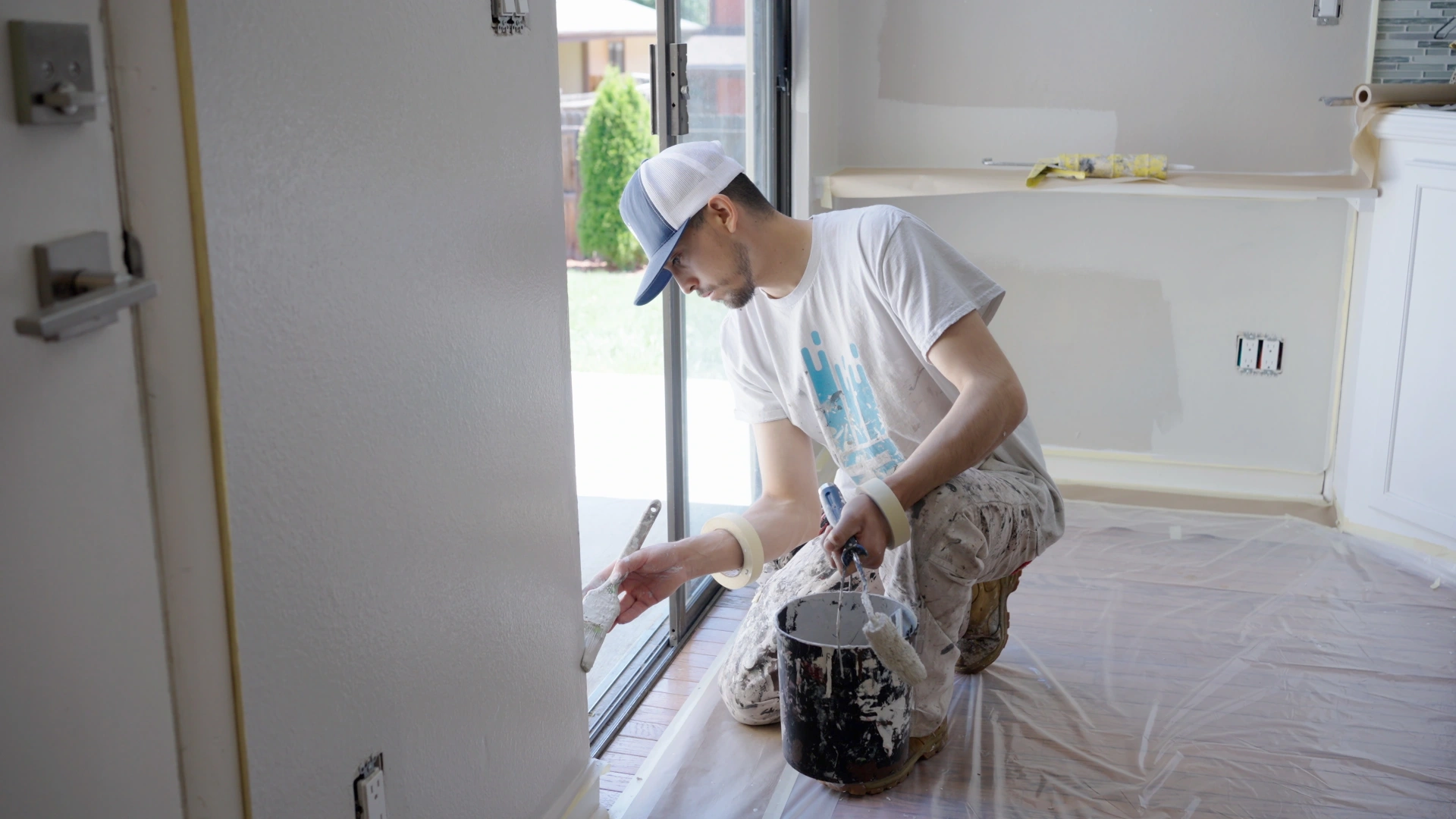
Your peace of mind, at the top of mind with our three-year transferable warranty. Covers the painting job, even if you sell the house.
Download WarrantyEverything Prince George's County homeowners should know before hiring a painter, services, seasonal timing, colors, HOA rules, and how to get the most value from your project. Written by the That 1 Painter Prince George's County team.
Book an Appointment
Three simple steps from request to wow-worthy finish.
Book your appointment
Pick a service, date & time that works for you.
Walk the project & get your quote
A local pro confirms scope and sends a clear written estimate.
We paint, you say wow
Our crew shows up on time and leaves the space spotless.
Pick a service, date & time, we'll handle the rest.
Honest product reviews, pro painting techniques, and helpful articles from professional painters who do this every day.
Choosing between flat, eggshell, satin, and semi-gloss depends on the room's traffic, lighting, and function. Professional painters break down when to use each sheen for the best results.
Both are popular mid-tier Sherwin-Williams paints, but they perform differently on walls, trim, and cabinets. See how professional painters compare coverage, feel, and durability.
Behr Premium Plus is one of the most affordable paints at Home Depot. Professional painters test its coverage, durability, and finish quality to see if it's worth the price.
Behr Urethane Alkyd is a hybrid paint that combines oil-based durability with water-based cleanup. See how it performs on trim, cabinets, and doors in a real-world test.
Behr Dynasty claims to be their most durable, stain-repellent paint. Professional painters put it to the test on walls and high-traffic areas to see if the claims hold up.
The Gallery Series is Sherwin-Williams' newest premium line. Professional painters review its unique properties and explain why it may not be the best choice for beginners.
Clear answers about pricing, timelines, services, warranty coverage, and working with That 1 Painter.
Interior painting is the fastest way to change how a home in Prince George's County feels without touching the floor plan, and it is the busiest scope our crews run across the PG County footprint from the DC line out to Upper Marlboro and Bowie. Our interior painting scope covers walls, ceilings, trim, doors, and closets, and every interior painting job in Prince George's County starts with a real prep pass so the interior painting film has a clean, sound surface to bond to. Homeowners searching for painters in PG County for an interior painting refresh usually want two upgrades at once: an updated color palette and a durable, scrubbable interior painting finish that survives long Mid-Atlantic winters spent indoors with the forced-air furnace running dry and long humid Chesapeake Bay watershed summers cycling the AC.
As a painting company in Prince George's County that runs interior painting on Hyattsville and Riverdale early-1900s Craftsman and four-square housing along the Route 1 corridor, Mount Rainier and Brentwood Arts District bungalows, College Park university-area rentals and family homes, Greenbelt historic New Deal cooperative units and surrounding post-war ranches, Bowie mid-century Levitt Colonials on 1960s slabs, Upper Marlboro larger newer builds on lot-and-a-half footprints, and Capitol Heights inside-Beltway row houses and duplexes, we treat interior painting material selection as a real decision, not a checkbox. Which interior painting sheen hides drywall imperfection under strong Mid-Atlantic west-facing afternoon light in a Bowie great room, which interior painting product holds up in a Hyattsville mudroom that catches wet boots seven months a year, and which interior painting primer we need to lock down previously oil-based trim in a 1920s Mount Rainier bungalow are all questions we answer before the crew shows up. That level of interior painting discipline is why homeowners hire house painters in Prince George's County like us instead of a general handyman.
If you're comparing interior painting bids from painters in Prince George's County, ask each of them about interior painting warranty terms, interior painting prep sequence, and how the interior painting crew protects floors and furniture day to day. Every serious interior painting outfit in PG County should have plain answers to all three. See our interior painting page for the full interior painting scope and current pricing across the PG County Mid-Atlantic DC Metro market.
Exterior painting in Prince George's County has to hold up to punishing Mid-Atlantic humidity that pulls mildew onto shaded north elevations from Bladensburg to Bowie, freeze-thaw cycles that pop caulk lines on the north sides of Hyattsville, College Park, and Upper Marlboro homes, ice storms and heavy snow loading through January and February inside the Beltway, spring hail-band thunderstorms rolling east across the Chesapeake Bay watershed, and long humid August stretches where nothing cures fast, so exterior painting product choice is the whole conversation, not a footnote. A painting company in Prince George's County that takes exterior painting seriously specifies a 100% acrylic exterior painting product with a mildew inhibitor built into the exterior painting film and flexibility rated for Mid-Atlantic freeze-thaw movement, so shaded north elevations under mature Hyattsville and Riverdale hardwoods and full-sun elevations on Bowie and Upper Marlboro builds stay clean between exterior painting cycles.
Our exterior painting scope typically includes a full pressure wash, a mildew-and-chalking assessment, spot scraping of any failing exterior painting layers, painted-wood-siding, painted-brick, and vinyl sound-substrate checks, feathered sanding, spot primer on bare substrate, full caulk of siding seams and window returns, and two coats of exterior painting-grade paint. That exterior painting sequence is the same whether we are painting a 1920s Mount Rainier bungalow, a Hyattsville four-square, a Greenbelt historic cooperative unit, a Bowie mid-century Levitt Colonial, or a newer Upper Marlboro two-story. Painters in Prince George's County who skip any of those exterior painting steps are quoting a two-year paint job in a ten-year paint job wrapper.
If you're evaluating house painters in Prince George's County for exterior painting, look closely at how the exterior painting bid describes prep, not just the exterior painting product line. A clean exterior painting film applied over poor prep will peel inside a single Mid-Atlantic freeze-thaw cycle. Our exterior painting service documents the exterior painting prep sequence in detail, and every exterior painting job we run carries a 3-year transferable warranty.
Cabinet painting is the single biggest visual change a homeowner in Prince George's County can buy without a full kitchen remodel, and cabinet painting demand across Bowie, Hyattsville, College Park, and Upper Marlboro reflects that. Our cabinet painting scope typically covers cabinet boxes on-site plus cabinet doors and drawer fronts sprayed off-site in a controlled environment, so the cabinet painting finish flows out flat and cures without airborne dust or humid Mid-Atlantic August moisture. Cabinet painting projects like this are why homeowners call a painting company in Prince George's County instead of a general remodeler.
Cabinet painting product selection matters as much as cabinet painting prep. A real cabinet painting job uses a bonding primer, a cabinet-grade urethane-modified acrylic paint, and controlled drying conditions so the cabinet painting film cures hard enough to resist door-edge chipping under daily use in a busy Bowie or Hyattsville kitchen. As a painting company in Prince George's County that runs cabinet painting jobs almost every week, we schedule cabinet painting projects so the kitchen is out of service only for the days doors and drawers are physically off.
House painters in PG County quoting cabinet painting should walk you through cabinet painting cure times, cabinet painting warranty coverage, and cabinet painting color options with real drawdowns on your actual cabinet material. Cabinet painting is not a wall paint job with cabinets in the way, and any painting company in Prince George's County that treats it that way is one to avoid for cabinet painting scopes. See our cabinet painting page for cabinet painting scope details and lead times.
There are a lot of painters in Prince George's County to choose from, so the practical question is how to sort serious painters in Prince George's County from casual ones. Any painting outfit you bid should carry general liability insurance, provide a written scope, and back the work with a real written warranty. They should also point at recent portfolio work in your specific corner of the PG County market; Hyattsville and Riverdale Craftsman blocks along the Route 1 corridor, Mount Rainier and Brentwood Arts District bungalows, College Park university-area homes, Greenbelt historic New Deal units, Bowie mid-century Levitt sections, Capitol Heights inside-Beltway row houses, or newer Upper Marlboro two-stories; not stock photos pulled from a supplier catalog.
As house painters in Prince George's County ourselves, we tell homeowners to ask three questions of anyone bidding: what is the exact prep sequence, what specific paint product is going on the walls, and who from the company is on site day to day. Painters in PG County who dodge those questions are hoping you will not notice the answer later. A painting company in Prince George's County that answers plainly is one worth a second meeting.
That 1 Painter Prince George's County, run by Chivonne Phillips out of the Lanham 20706 corridor, is one of many painters in Prince George's County, and we compete on scope clarity, prep quality, and a 3-year transferable warranty that follows the paint, not the owner. If you are collecting bids from painters in Prince George's County and the surrounding DC Metro region, we would be glad to be one of the bids you compare against.
A real painting company in Prince George's County is more than a paint crew: it runs estimates, project management, materials logistics, color consultations, and warranty follow-up so the crew painting your house can focus on painting. That coordination is the difference between a painting company in Prince George's County and a solo painter working out of a truck bed. It is also the difference between a paint job that lands on the promised week and a paint job that drifts a month past schedule when a June thunderstorm line or a February ice storm sits over the DC Metro.
As a painting company in Prince George's County, our day starts with materials staging for that day's painting scope, drives out to active painting jobs from Hyattsville and Mount Rainier across to Bowie, Upper Marlboro, College Park, Greenbelt, Bladensburg, Brentwood, Riverdale, Lanham, and Capitol Heights, and ends with paint punch-list walks with homeowners. A painting company in Prince George's County running this way keeps painting projects on schedule and keeps paint quality consistent from the first painting day to the last painting day of a job. Homeowners feel that consistency in a lot of small ways; cleaner cut lines, tighter caulk joints, fewer callback punch items.
When you hire a painting company in Prince George's County, you are hiring the coordination layer as much as the painting itself. A painting company in PG County that quotes a painting scope should tell you what week your painting starts, what week it ends, and who owns the project through completion. If a painting company in Prince George's County cannot articulate what is included in the price on the bid, that is a signal to keep shopping.
Older homes across the Prince George's County market; 1900s-1930s Hyattsville and Riverdale Craftsman and four-square housing along Route 1, Mount Rainier and Brentwood Arts District bungalows from the same era, 1930s Greenbelt New Deal cooperative units, and Capitol Heights early row houses; need house painters in Prince George's County who understand plaster, painted brick, painted-wood clapboard, and the way early paint layers move under fresh coats through a Mid-Atlantic freeze-thaw winter. House painters in PG County who came up on Upper Marlboro new-construction repaints alone often underestimate how much prep an older Prince George's County home actually needs before the first drop of paint goes on the wall.
House painters in Prince George's County running an older home job spend the first day on paint testing, wood-siding scrape-and-sand prep, glazing repair on original six-over-six divided-light windows, and containment for scrape-and-paint work outside. Skipping those steps produces a paint job that fails inside a single freeze-thaw cycle. As house painters in Prince George's County with real time on Hyattsville, Mount Rainier, and Greenbelt blocks, we treat prep as the paint job; the coats you see are the last five percent of the actual work.
If you own an older home and are talking to house painters in Prince George's County, ask each bidder to walk your house and describe what they would do differently versus a 1990s Bowie build or a 2020s Upper Marlboro new construction. The house painters in PG County with a real answer are the ones to shortlist. Beyond older homes, our crews also cover new-build repaints, HOA-driven exterior refreshes across Bowie and Upper Marlboro townhome runs, university-adjacent rental turns in College Park, and rowhouse scopes in Capitol Heights coordinated with tighter parking and access, so the crew on your project has seen your situation before.
Color is where a lot of painting projects across the Prince George's County market stall, so the painters you hire should have a real color process. Ours starts with existing light in the room, existing floor and trim tones, and the direction the room faces, then we put real paint drawdowns on your actual walls before the crew mobilizes. A painting company in Prince George's County that hands you a fan deck and walks away will paint whatever you point at, which is not the same as helping you land the right color for the space; an especially real risk in the Mid-Atlantic where humid summer light and long overcast winter stretches change how a color reads through half the year.
Finish selection is the other half of the conversation. Flat or matte on ceilings, eggshell or matte on walls, satin or semi-gloss on trim, and a cabinet-grade product on cabinets; that mix reads intentional in a finished home across PG County. Painters in Prince George's County who put one paint sheen everywhere are cutting corners on materials logistics, not doing you a favor. House painters in PG County that pair color and finish thoughtfully deliver a paint job that reads like a designer walked the space with them.
Booking a painting company in Prince George's County should be simple: a walk-through, a written scope, a written price, a start date, and a warranty. Exterior painting demand peaks in the April-through-October window across the DC Metro before winter shuts the exterior season down, so any painting company in Prince George's County worth hiring is often booked several weeks out during peak exterior painting season. Interior painting flexes year-round, and cabinet painting we can usually schedule with less lead time. Request an estimate above and we will be out with a written scope you can compare against every other bid on your desk.