"I had such a wonderful experience with this company and their performance at my home. They did such a fantastic job and…"
Spencer Flynn

but gone for good.
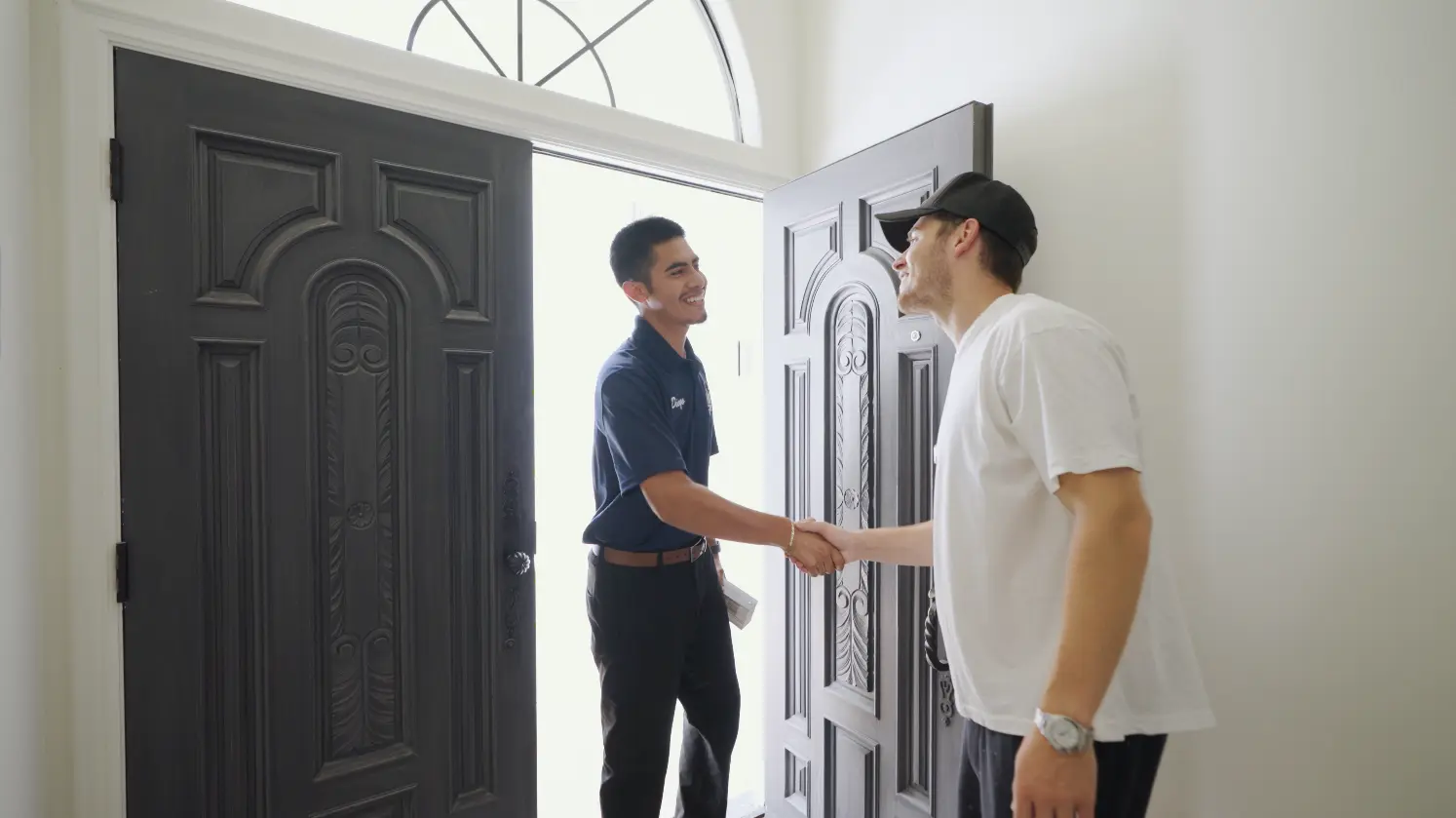
Your project manager walks the home, identifies odor sources, tests where the smell is strongest, and flags contaminated materials like saturated drywall or carpet pad that must be removed rather than sealed. We document everything for insurance.
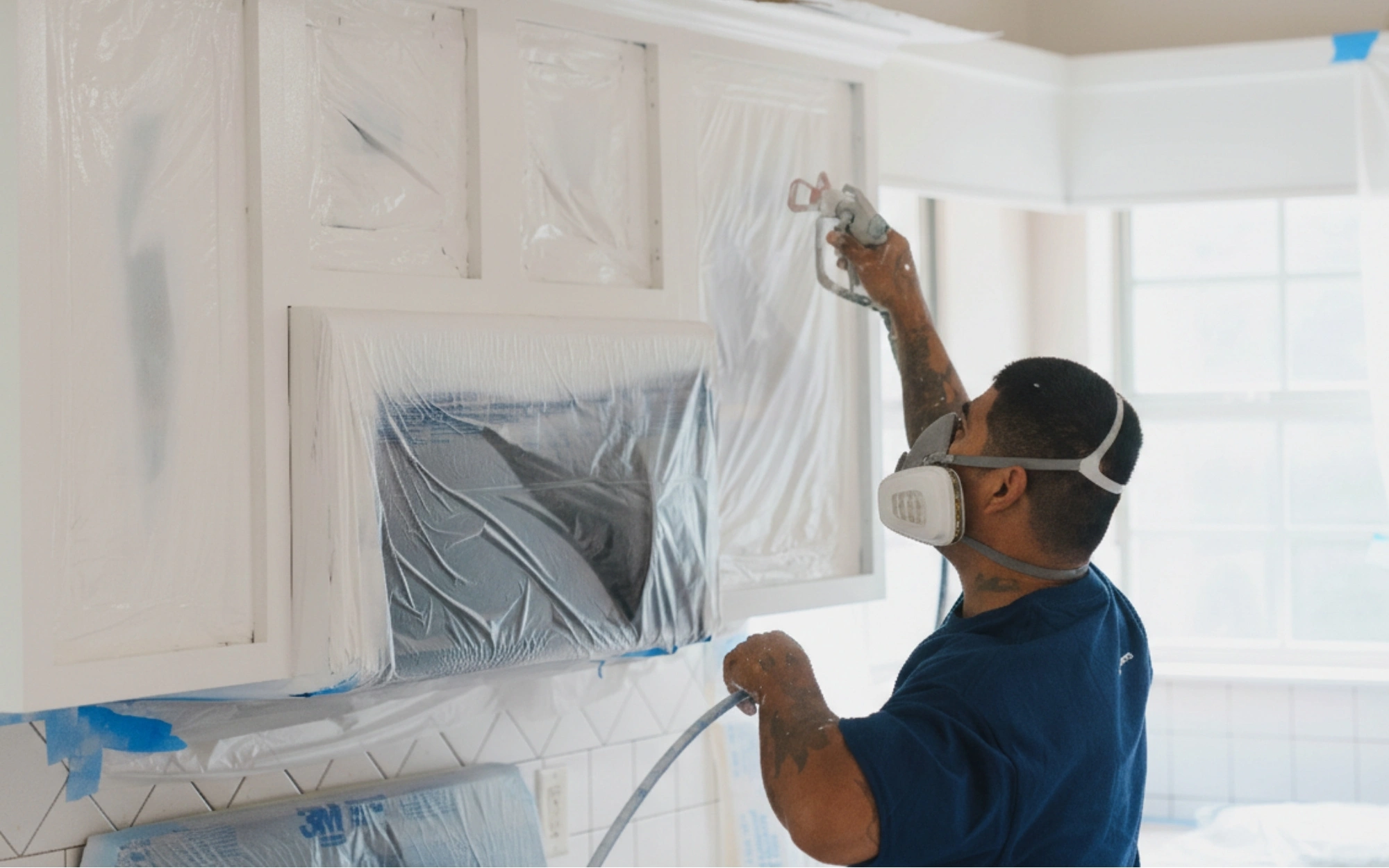
Hard surfaces are washed with TSP or a specialty degreaser, and ozone or thermal fogging is run when needed. Every contaminated surface is then sealed with a shellac or oil-based odor-blocking primer that locks the source under a non-porous film.

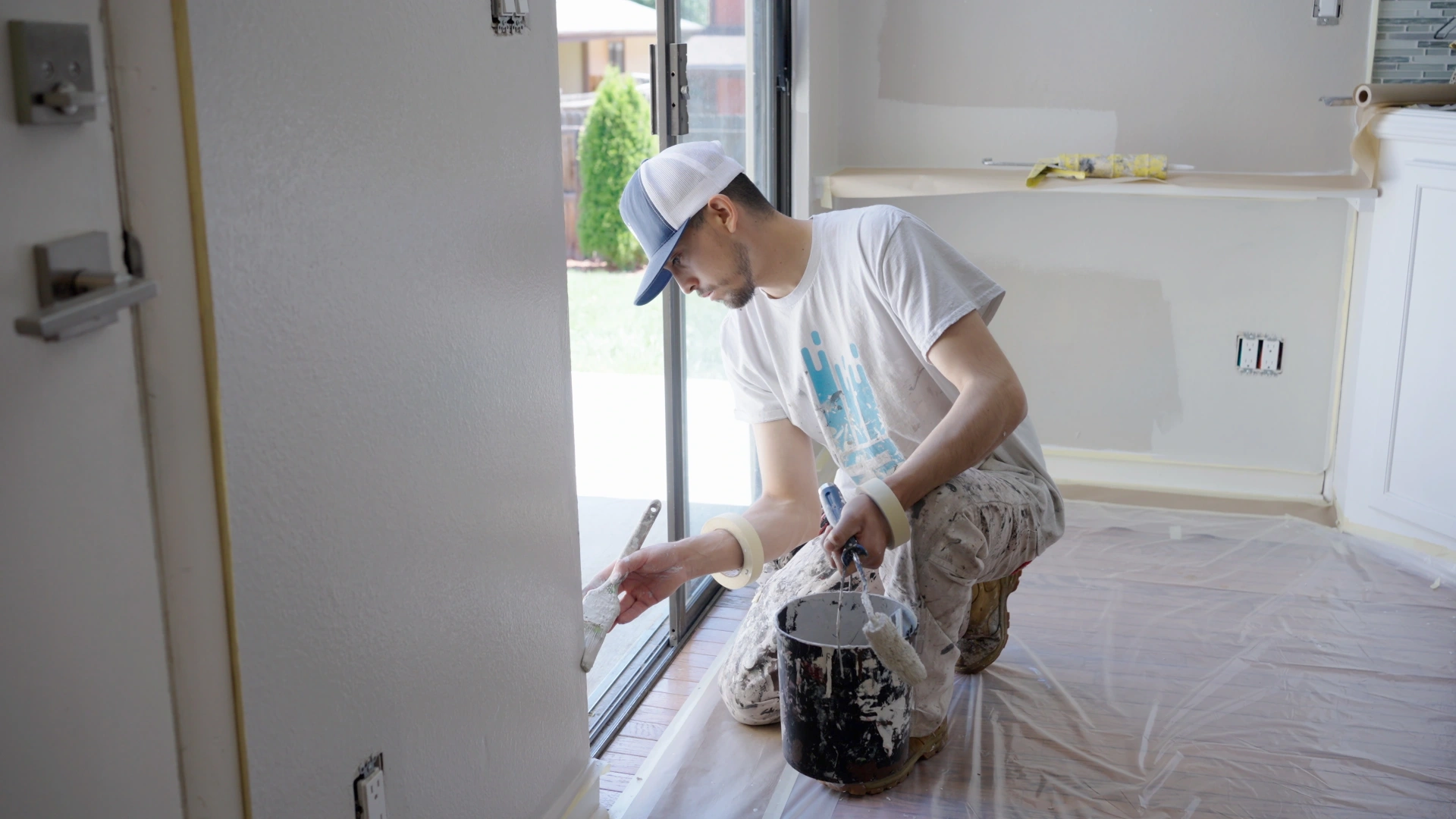
Once the primer has fully cured, two coats of standard interior finish go on for a clean, odor-free, paint-ready finish. We do a final walk to confirm there's no residual smell and that all transitions, trim, and adjacent surfaces look factory-fresh.
Your project manager walks the home, identifies odor sources, tests where the smell is strongest, and flags contaminated materials like saturated drywall or carpet pad that must be removed rather than sealed. We document everything for insurance.
Hard surfaces are washed with TSP or a specialty degreaser, and ozone or thermal fogging is run when needed. Every contaminated surface is then sealed with a shellac or oil-based odor-blocking primer that locks the source under a non-porous film.
Once the primer has fully cured, two coats of standard interior finish go on for a clean, odor-free, paint-ready finish. We do a final walk to confirm there's no residual smell and that all transitions, trim, and adjacent surfaces look factory-fresh.
Number of Territories
0+
Number of Paint Jobs
0+
5-Star Reviews5-Star
Reviews5 Star Reviews
0+
"I had such a wonderful experience with this company and their performance at my home. They did such a fantastic job and…"
Spencer Flynn
"Excellent painting service. Andrés López was very professional from the first contact, meeting deadlines and delivering…"
Viviana Torres
"I had a great experience with this painting company especially with Andres. He was an excellent person from start to fin…"
Yamilet López
"Can't say enough about the job Junior and Fernanda did on our interior and outside stucco. They were attentive to detail…"
Brian Wheelis
"I had such a wonderful experience with this company and their performance at my home. They did such a fantastic job and…"
Spencer Flynn
"Excellent painting service. Andrés López was very professional from the first contact, meeting deadlines and delivering…"
Viviana Torres
"I had a great experience with this painting company especially with Andres. He was an excellent person from start to fin…"
Yamilet López
"Can't say enough about the job Junior and Fernanda did on our interior and outside stucco. They were attentive to detail…"
Brian Wheelis
"I had such a great experience with this painting service. A friend recommended them and I'm so glad they did. They were…"
Veronica Pulido
"Excellent job all around. Incredibly communicative and punctual and takes the time to quickly understand your vision. Ev…"
Kris Hodges
"Thank you for the work you did in my house — the paint turned out just the way I wanted, and my living room looks like n…"
Julieta Muñoz
"I had a great experience with the company and great professionalism from Ericsson, great communication and a great attit…"
Giovanni Garayua
"We've collaborated with That1Painter multiple times on different projects here in Austin — everything has always been sm…"
flexpainterstexas
"I'm very happy with the great job you did in my house. I highly recommend you and will continue working with you. Thanks…"
Natalia Castaño
"I had my full interior painted with That1Painter and I'm genuinely impressed. The whole process felt organized, clean an…"
St Luka
"I've been working with Kay from That 1 Painter, and he's an excellent professional. Kay has a remarkable work ethic — al…"
Alexei Racila
"Had a great experience with That1Painter. They painted our kitchen and the result turned out beautiful — clean lines, sm…"
Victor Ross
"Herman and his crew are exceptional! Their work is beautiful and the professionalism is above and beyond. Will use him f…"
J Bammerlin
"They did a great job and didn't stop until the job was completed. They mean it when they say satisfaction guaranteed!"
Naveen Reddy
"I am an interiors designer and worked with Stephanie from That 1 Painter on a project for one of my clients. I couldn't…"
Monica Diaz
"Excellent company, thank you for painting the exterior of my house. You truly met all my expectations — great job! Thank…"
Carol Naranjo
"Excellent work and great service from the team! Thanks Andres for your support."
Kelly Aguirre
"Excelente servicio, muy responsables y el trabajo 10/10 me pintaron la casa y los contrataría otra vez, recomendado, And…"
Ramon Duarte
"I highly recommend this company 100%! They did an amazing job painting my entire house, and I couldn't be happier with t…"
Wilson Arocho
"We had a wonderful experience working with Anji from That 1 Painter! He was professional, on time, and went above and be…"
Carolina Zuniga
"Excellent service and professionalism. Ericsson, the project manager, demonstrated outstanding communication and attenti…"
Arick Liceth Zambrano
"These guys are amazing. Perfect job. Professional and very accommodating. I can't wait for them to do the outside of the…"
Kathy Mitchell
"That 1 Painter met my expectations and beyond. Tommy and his painters were very thorough. The house looks great. I highl…"
Brenda Danks
Maximum home value reduction from smoke odor
Realtor.com, 2018
Common price reduction on smoke-affected homes
HomeLight, 2024
Cigarette smell ranked as top buyer turnoff
HSH.com homeowner survey
Trusted Paint Partners
If it peels, cracks, or bubbles — we fix it. No questions asked.
Download WarrantyCan painting alone remove odors?
No. Standard latex paint and standard latex primer are water-based and do not block the organic molecules that cause embedded odors. The smell will return within days or weeks because the source was never sealed. Real odor removal requires a solvent-based or shellac-based primer (like Zinsser B-I-N or Kilz Original) applied to every contaminated surface as a sealant coat — only then is a finish topcoat applied. If a contractor is quoting you a 'fresh coat of paint' to fix a smoke or pet odor, they are not doing odor removal, and the smell will be back.
What kinds of odors can odor removal handle?
We address odors that have saturated hard, porous building surfaces — drywall, framing, sealed-coat finishes, baseboards, trim, ceilings. That includes cigarette and tobacco smoke, fire and smoke damage, pet urine and dander, mildew and mild moisture odors, cooking-oil saturation in kitchens (especially older homes), and chemical or off-gassing odors from prior renovations or storage. We do not deodorize carpet, fabric, or upholstered furniture — those are soft goods that need specialty cleaners or replacement. We also coordinate with mold remediation and water-damage restoration companies when active growth or active leaks are involved, since those have to be resolved before sealing.
How long does odor removal take?
Most projects run 2 to 5 days for a whole home, 1 to 2 days for a single room. The timeline depends on scope — pure sealing and repaint moves quickly, but if contaminated drywall, carpet pad, or insulation has to be removed and replaced first, that adds days. Ozone treatment, when used, requires the space to be unoccupied for the run-time and ventilated afterward. For insurance-claim fire and smoke jobs, we coordinate timing with your adjuster and any restoration partners on site so we're not stepping on other trades.
Do I need to remove smoke-damaged drywall?
Sometimes. Light to moderate smoke damage can almost always be sealed and repainted in place — the shellac primer locks in the residue and stops the off-gassing. Severe fire damage where drywall has charred, soot-saturated, or is structurally compromised has to be removed and replaced before any sealing happens. We make this call during the initial assessment, and on insurance jobs we document the recommendation for your adjuster. The general rule: if the drywall surface is intact and the odor is the main issue, sealing works; if the drywall is failing, replace.
Does odor removal work on carpet, furniture, and fabrics?
No — and any company that says yes is selling you a deodorizer, not remediation. Soft goods absorb odors throughout the entire fiber, not just the surface, so a topical seal does not work. For pet urine, smoke, or fire-affected carpet, the standard recommendation is replacement (or in some cases, professional in-place ozone treatment by a remediation specialist). We focus on the surfaces where sealing is the right answer — walls, ceilings, trim, framing — and coordinate with carpet, upholstery, and HVAC specialists when those are also part of the scope.
Can I do odor removal myself?
You can apply Zinsser B-I-N or Kilz Original yourself in a small space if you have proper ventilation, the right respirator, and you're willing to do the prep correctly — TSP wash, full surface coverage, and a finish topcoat. That said, most DIY odor removal fails because of three things: under-coverage (one missed seam re-emits the odor), wrong primer (water-based won't work), or skipped substrate cleaning. For whole-home jobs, fire and smoke damage, ozone treatment, or insurance work, this is not a good DIY project. Solvent fumes, ozone safety, and the documentation required for a claim push this into specialty contractor territory.
Is ozone treatment safe?
Ozone is effective at oxidizing embedded smoke and odor molecules, but it is unsafe to breathe at the concentrations used for treatment. The EPA is clear: ozone generators must be run in unoccupied spaces only, and the area must be fully ventilated before people, pets, or plants re-enter. We follow that protocol — homeowners and crew are out during the run, and we ventilate fully before any further work. We do not run ozone in occupied spaces, and we will not sell ozone treatment as a stand-alone fix without the substrate seal that does the long-term work.
Do you guarantee odor removal will work?
We stand behind our work — if a properly scoped and executed odor removal job fails to seal an odor we agreed to address, we come back and make it right under our 3-year warranty. The honest caveat: if there are contaminating materials we recommended removing and the homeowner declined (saturated subfloor, contaminated insulation, soft goods we don't service), the warranty doesn't cover odor that re-emits from those sources. Scope is everything in this category — we're upfront about what sealing alone can fix and what requires removal.
Does this work for rental property turnover?
Yes — rental turnover is one of the most common use cases. Pet odors, smoke, and cooking saturation between tenants can sit in the drywall and trim long after a deep clean. A full prime-and-paint with an odor-blocking primer resets the unit to a neutral starting point for the next tenant and prevents the 'this place still smells' complaint after move-in. For high-turnover properties, we often work directly with property managers to scope and price this as a recurring service.
How much does odor removal cost?
Costs vary widely with scope — a single-room treatment runs roughly $400–$1,500, a whole-home seal-and-repaint typically runs $1,500–$6,000, and severe fire and smoke damage with material removal can run higher and is usually handled through insurance. The biggest variables are square footage, ceiling height, whether contaminated drywall or other materials need to be removed, and whether ozone or thermal fogging is part of the scope. We price after the on-site assessment so the quote reflects the actual condition, not a guess.
Can you re-treat if the odor returns?
If a properly sealed surface starts to off-gas again, we come back. In practice this is rare when the substrate was correctly cleaned, the right primer was used, and full coverage was achieved. The most common reason an odor 'returns' after a seal is that a different source was missed — an HVAC duct that wasn't cleaned, contaminated subfloor under carpet, or a soft good that wasn't replaced. During the return visit we identify the actual remaining source and address it.
Do you work with insurance adjusters on fire claims?
Yes. For fire and smoke damage claims, we work directly with adjusters and with your restoration GC if one is already on site. We document scope, products used, surface coverage, and any recommended material removal so the claim file is complete. Reach out through the contact form and mention that it's an insurance job — we'll route it to a project manager who handles claim work and can move quickly to scope and quote.
Expert tips, how-to guides, and inspiration for your next odor removal project.
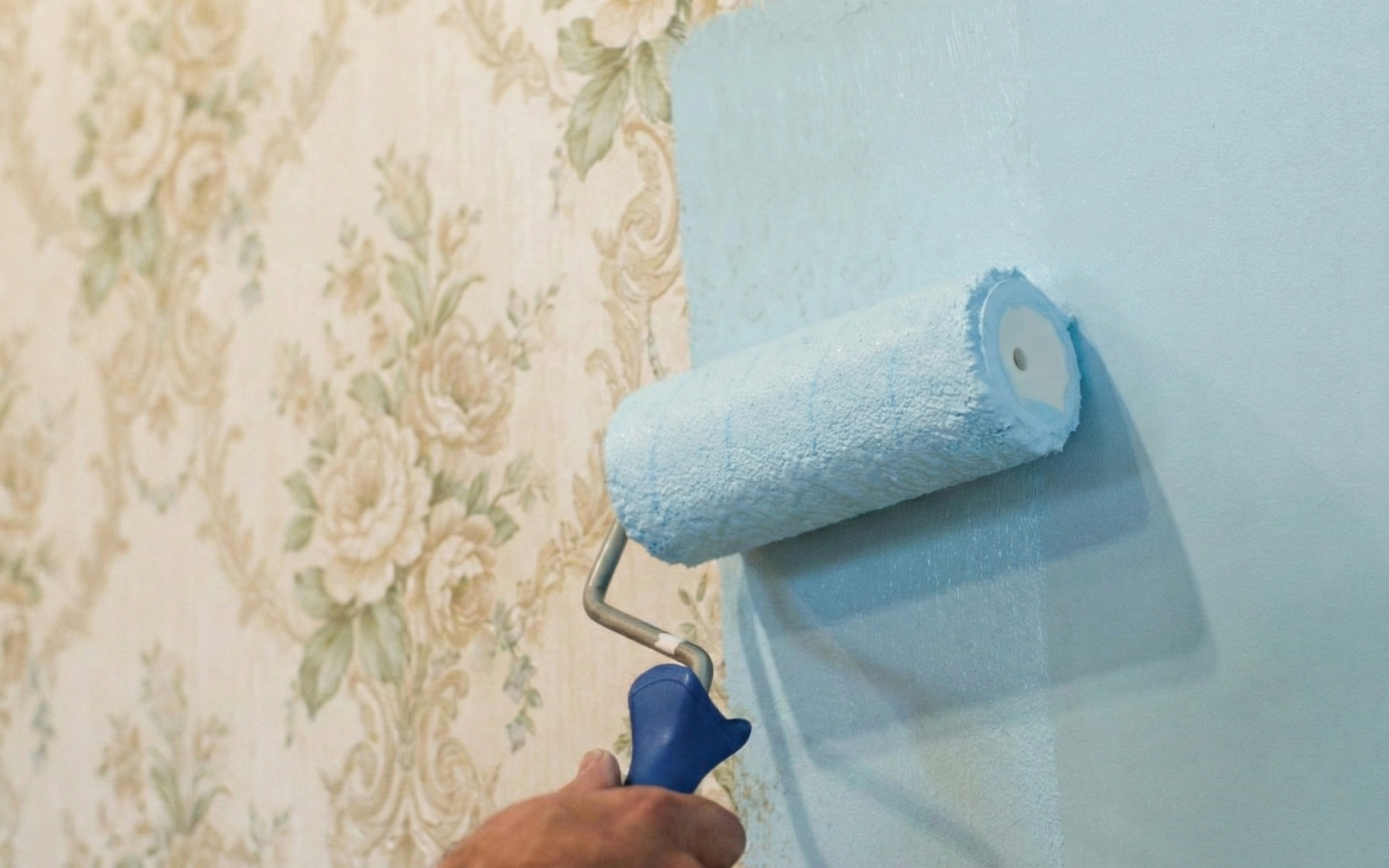
Yes, you can paint over wallpaper, but only if it is smooth, fully adhered, and structurally stable.
Read More →
Color drenching breaks all the rules by applying a single color across every surface in a room.
Read More →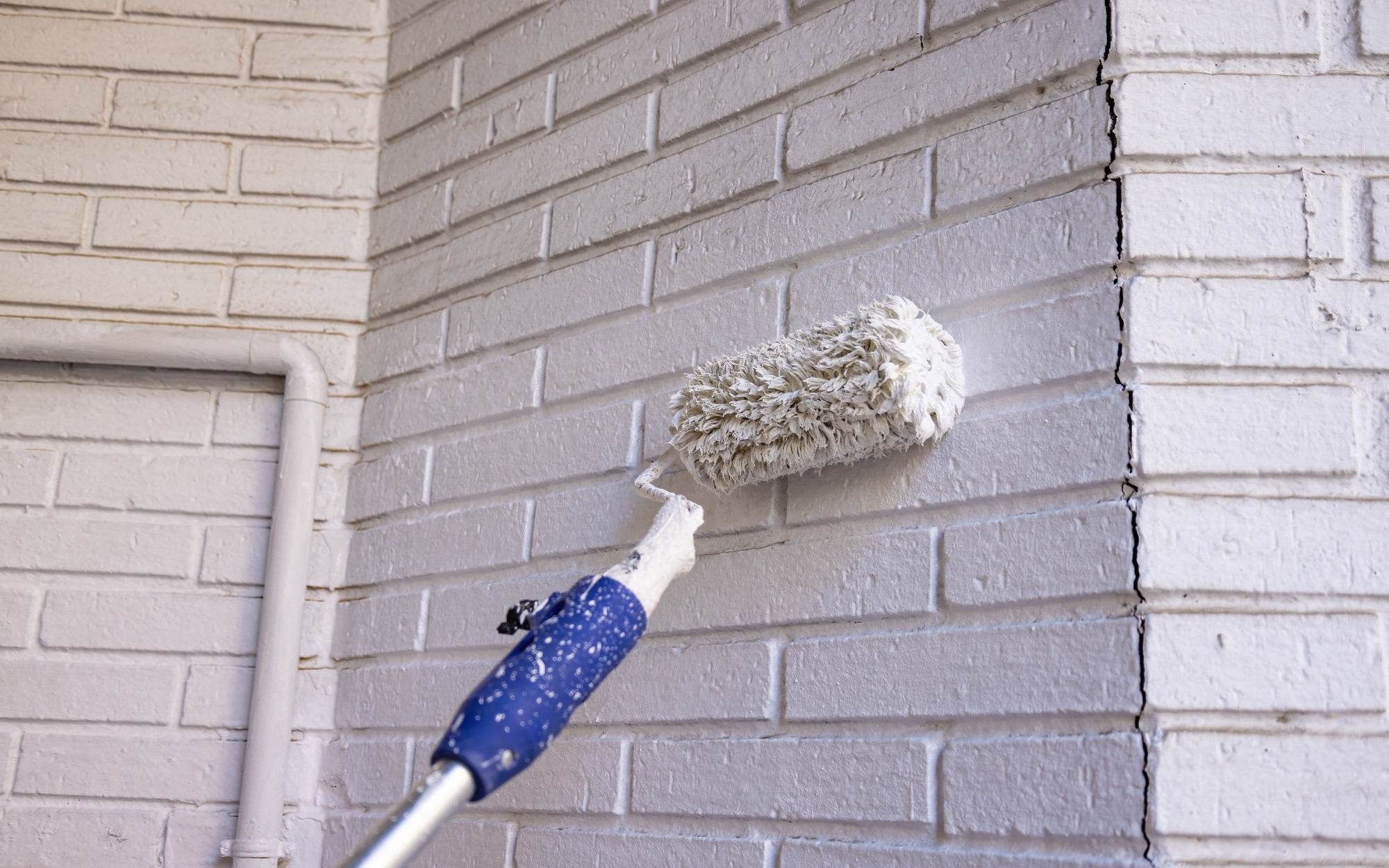
Painting brick is one of the most common exterior questions homeowners ask, and also one of the easiest places to make costly mistakes.
Read More →Swipe to explore →
Yes, you can paint over wallpaper, but only if it is smooth, fully adhered, and structurally stable.
Read More →Color drenching breaks all the rules by applying a single color across every surface in a room.
Read More →Painting brick is one of the most common exterior questions homeowners ask, and also one of the easiest places to make costly mistakes.
Read More →